
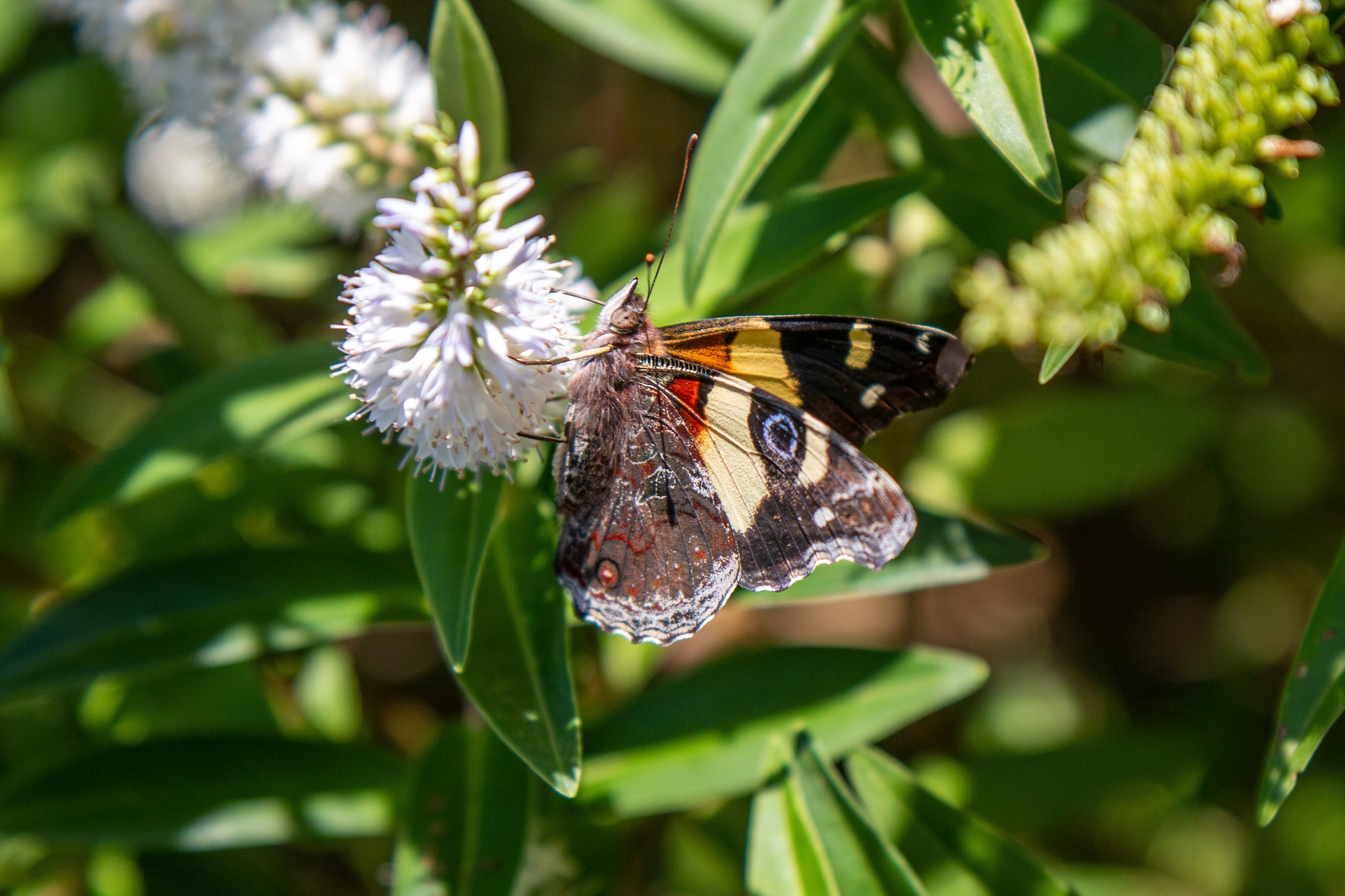
— This is an extract from Butterflies and Moths of Aotearoa by Liv Sisson
Here are some plants that moths and butterflies are particularly drawn to. Some are host plants for caterpillars, some are nectar plants for adults, some are both. You might already have some of these plants around you.
–
How to find moths & butterflies – Plants to look for
Here are some plants that moths and butterflies are particularly drawn to. Some are host plants for caterpillars, some are nectar plants for adults, some are both. You might already have some of these plants around you.
1. Hebe/Veronica varieties
Butterflies and moths love hebe and there are loads of endemic and native species in a range of colours.
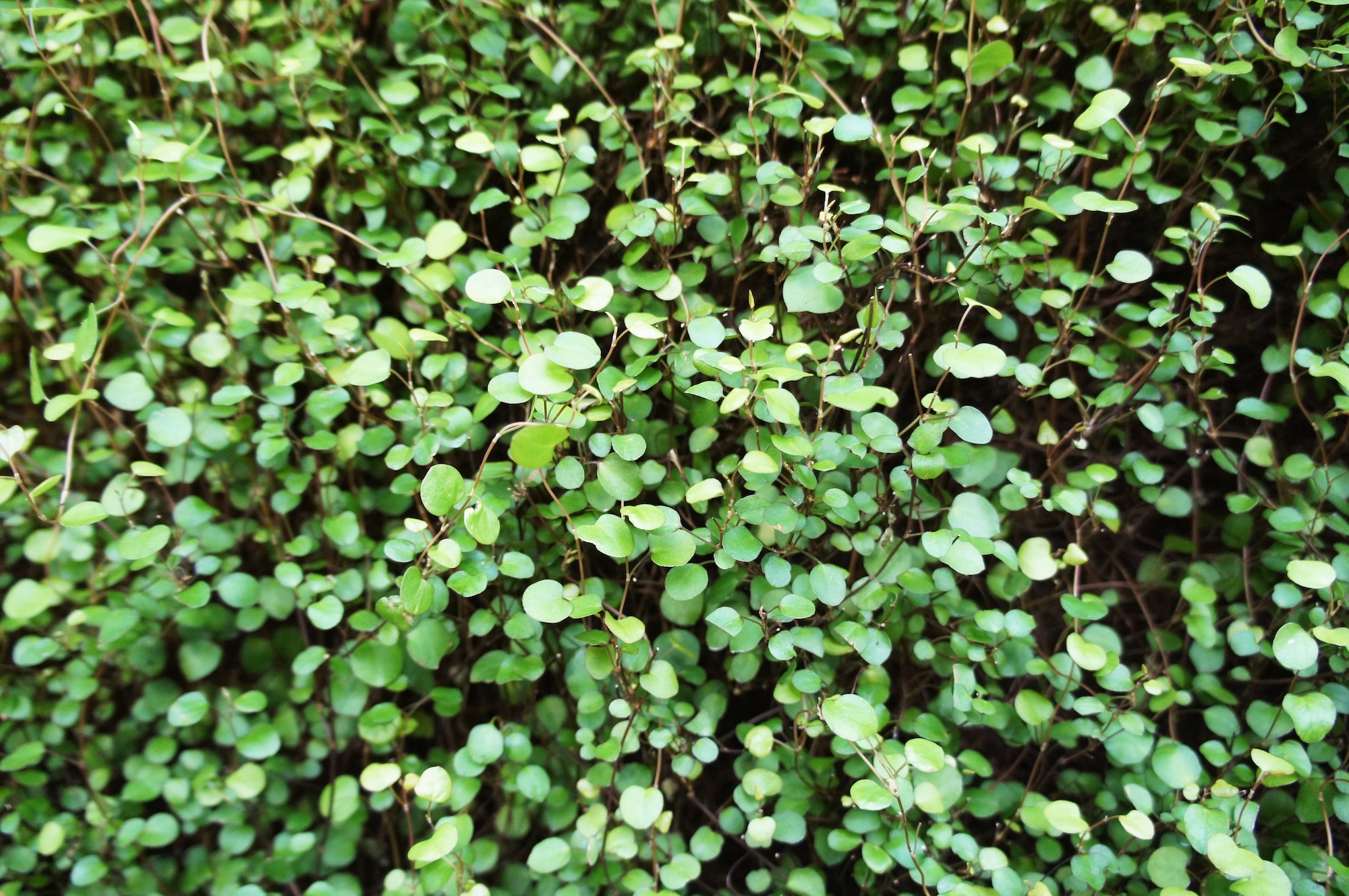
2. Muehlenbeckia varieties
Host plants for copper butterflies and quite a few moths, these wiry endemic and native shrubs make for hardy, weed-suppressing ground cover.
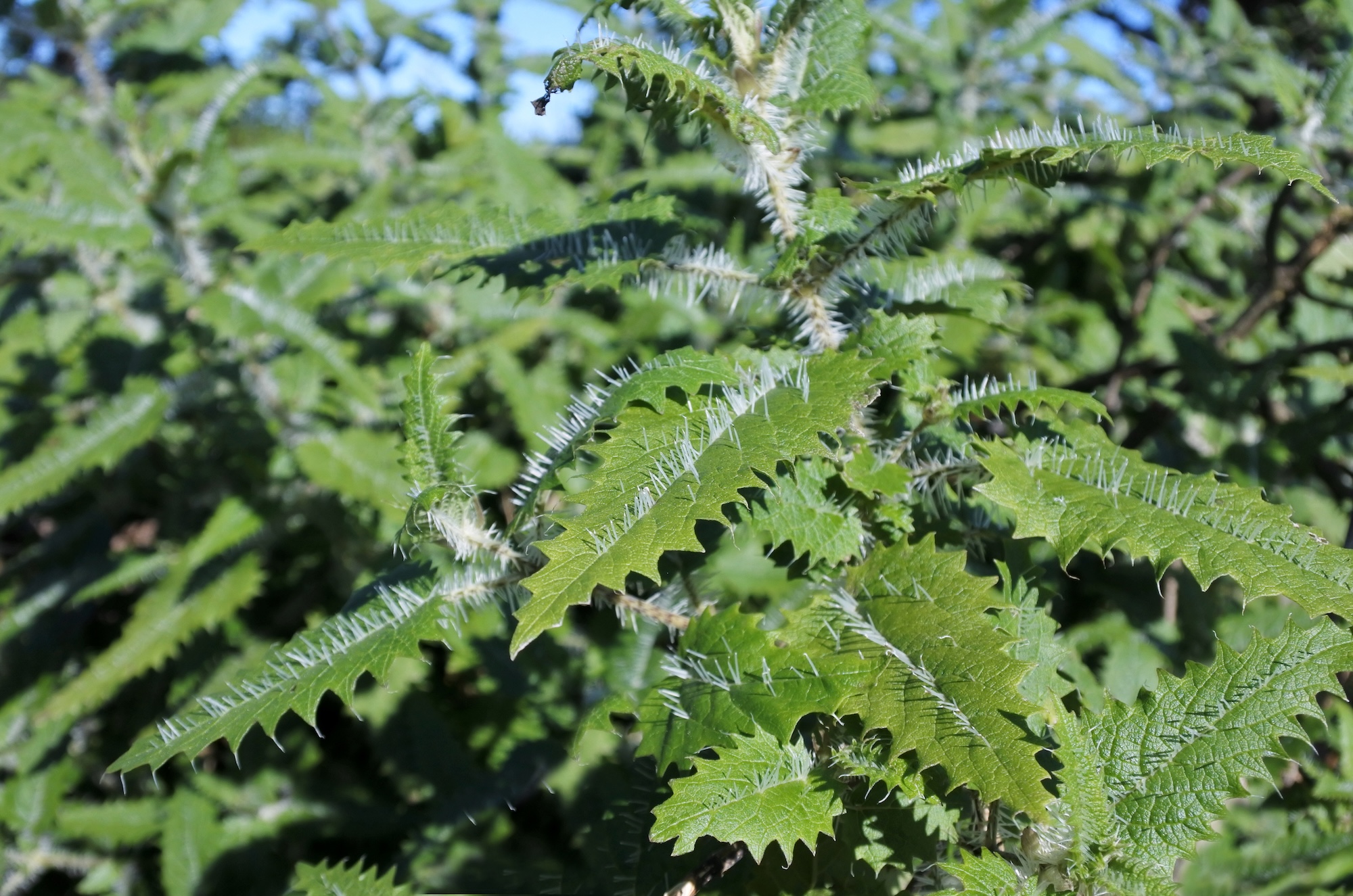
3. Ongaonga
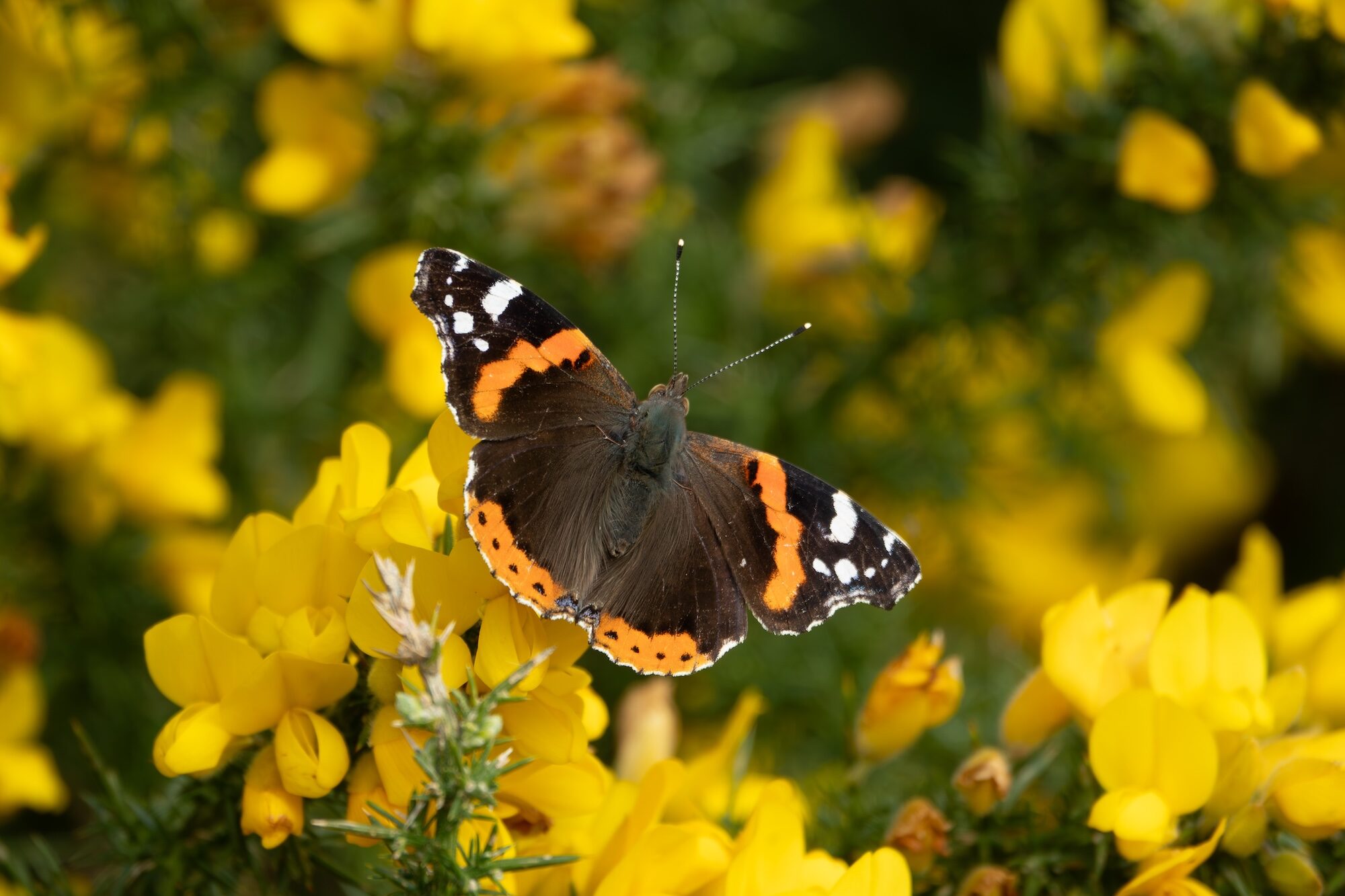
Endemic nettle, kahukura red admiral butterfly’s preferred host plant. If you’ve got a big piece of land, consider planting this — just make sure it’s away from where kids and pets play because it delivers a painful and toxic sting.
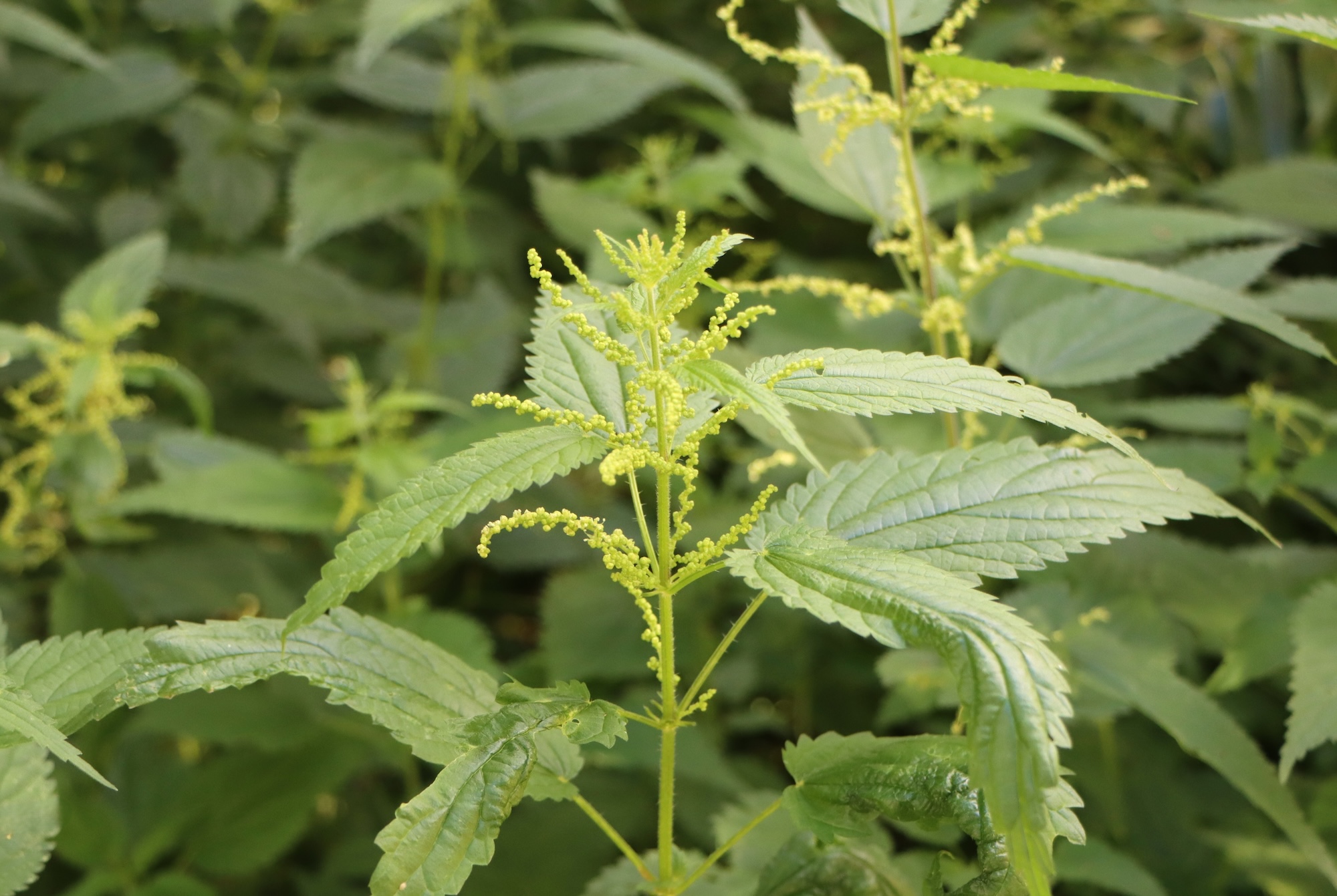
4. Dwarf nettle
Introduced nettle, preferred host plant for kahukōwhai yellow admiral butterflies. Kahukura red admirals can use it if ongaonga is not available.
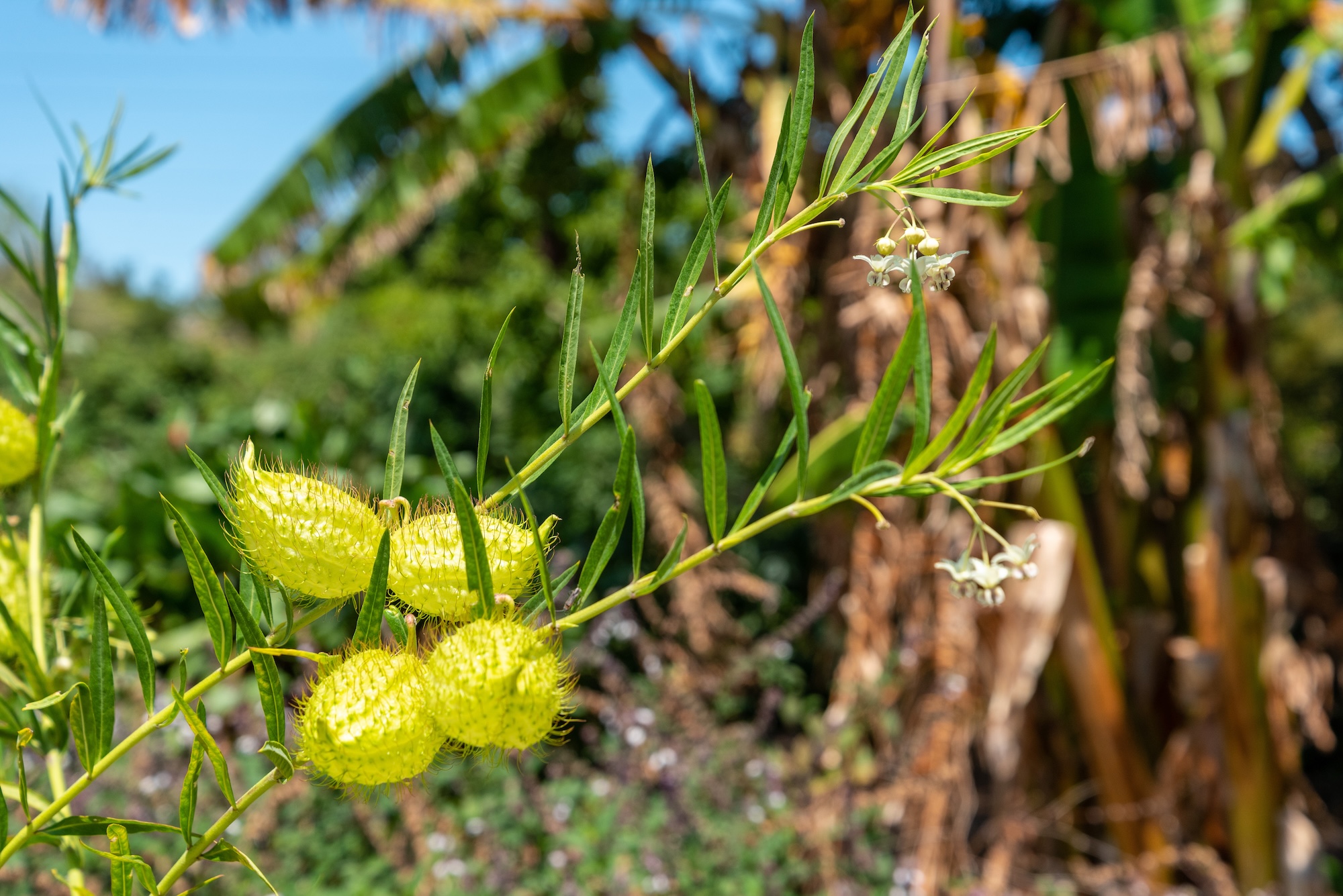
5. Swan plant
An introduced milkweed species that New Zealand’s self-introduced monarchs rely on. Check these for monarch caterpillars and chrysalises.
6. Brooms and other legumes
Low-growing native brooms from the Carmichaelia genus are the New Zealand blue butterfly’s host plant. Introduced brooms and other legumes like clover attract common blue butterflies and others.
7. Other introduced plants
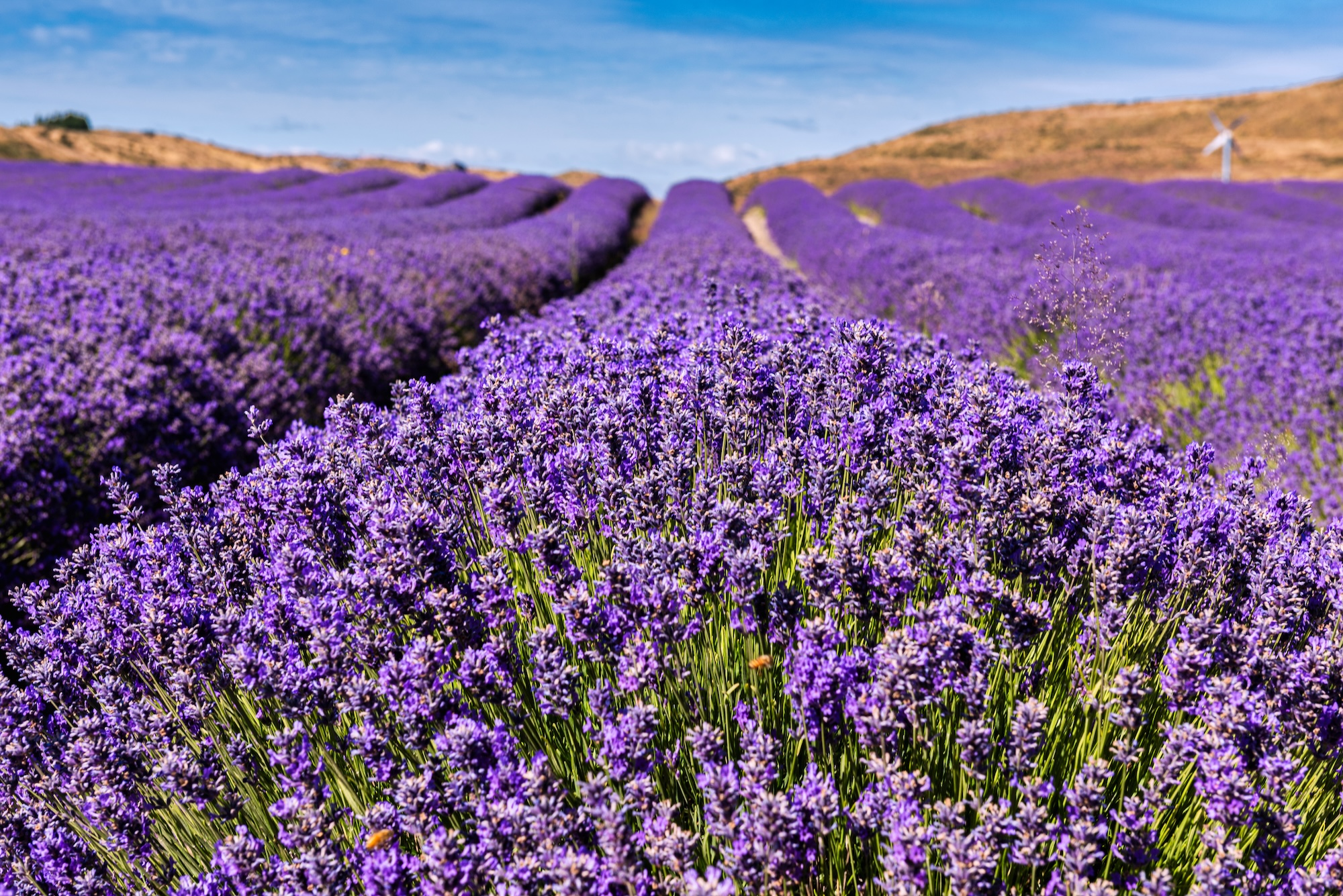
Purple heliotrope, lavender, marigolds, zinnias, cosmos.
8. Other endemic/native plants
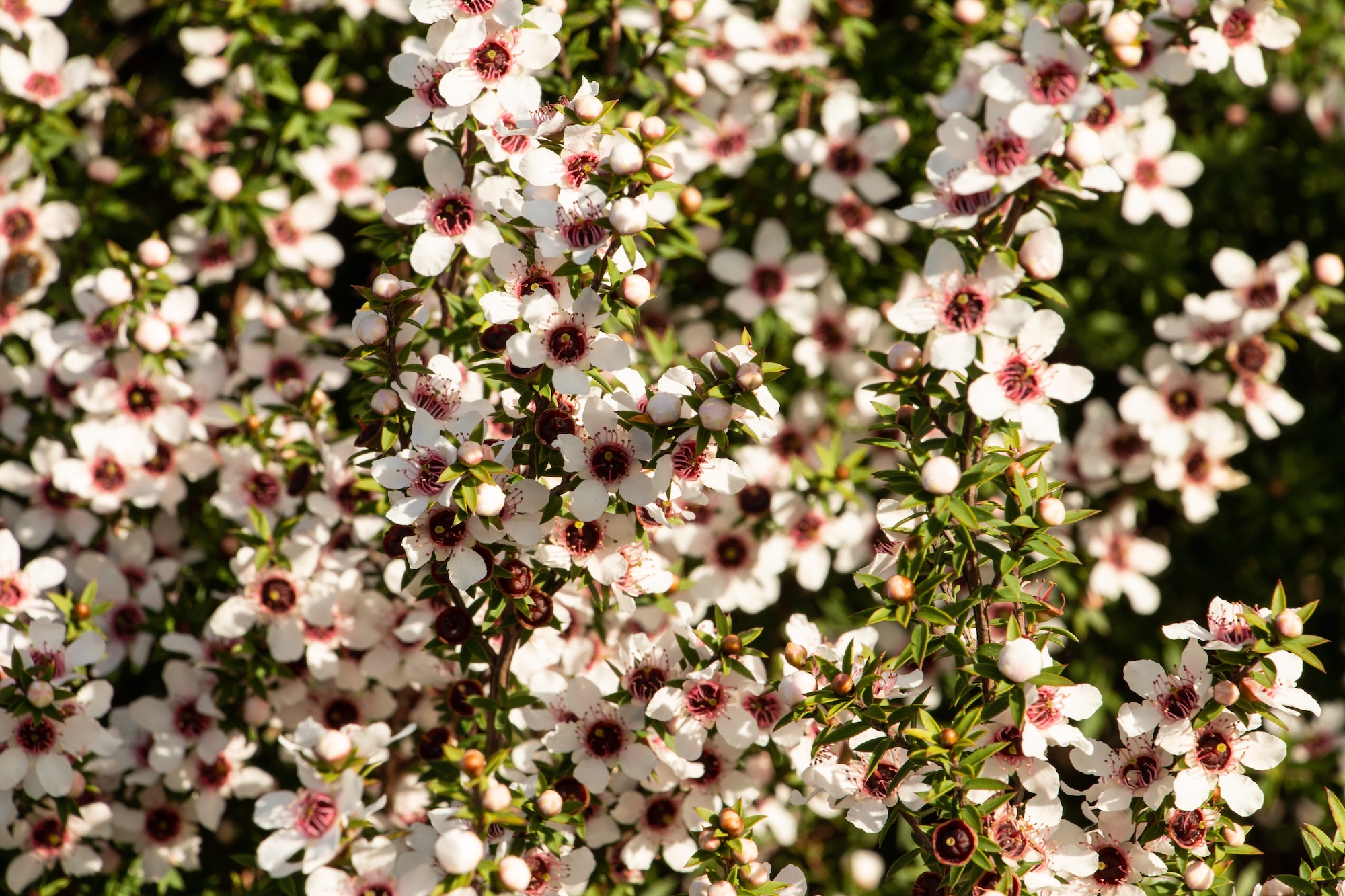
Kānuka, mānuka, harakeke, houhere (lacebark), horoeka (lancewood), Olearia (daisy bushes).
–
If you’re picking plants for your home garden or elsewhere, don’t forget — many of New Zealand’s worst invasive weeds started out as ornamental garden plants. Plant native! And check out the Weedbusters booklet Plant Me Instead. It’s free, available for download on their website, and will show you the worst weeds in your region and non-invasive alternatives that will thrive where you are.
How you can help – plant an island
Even small patches of suitable habitats, sometimes just a single plant, can be enough to help a moth or butterfly along on its quest to complete its lifecycle, reproduce and hold its population numbers stable. Planting things that pollinators love on your street, at your school, marae, church or community centre is effectively growing an island where they can find shelter and food. It can provide a crucial waypoint for them as they work to migrate towards more suitable habitat after a loss. The island you plant is a place for them to seek protection or recuperation during storms, cold snaps or heatwaves.
–
Related reading: How to find & identify fungi forms by Liv Sisson
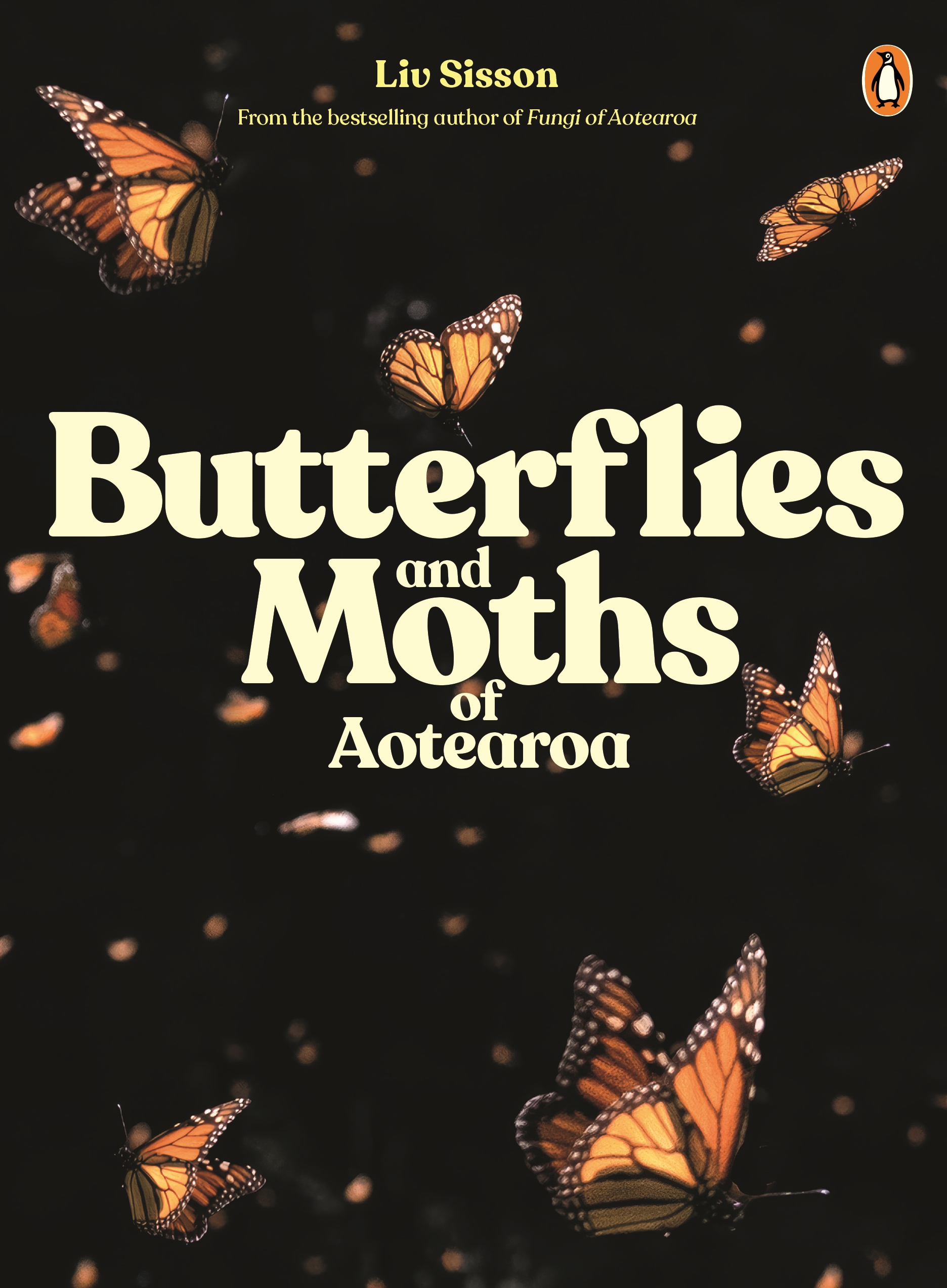
Butterflies and Moths of Aotearoa by Liv Sisson
Published by Penguin Random House. Stocked by Sage Journal.