
— This is an extract from Where They Live Japan by Paul Barbera & Kirsty Munro
The ceramic artist – Kazunori Hamana
Floor area: 75m²
2 bedrooms, 1 storey
Location: Isumi, Chiba
Occupants: 2 adults
—
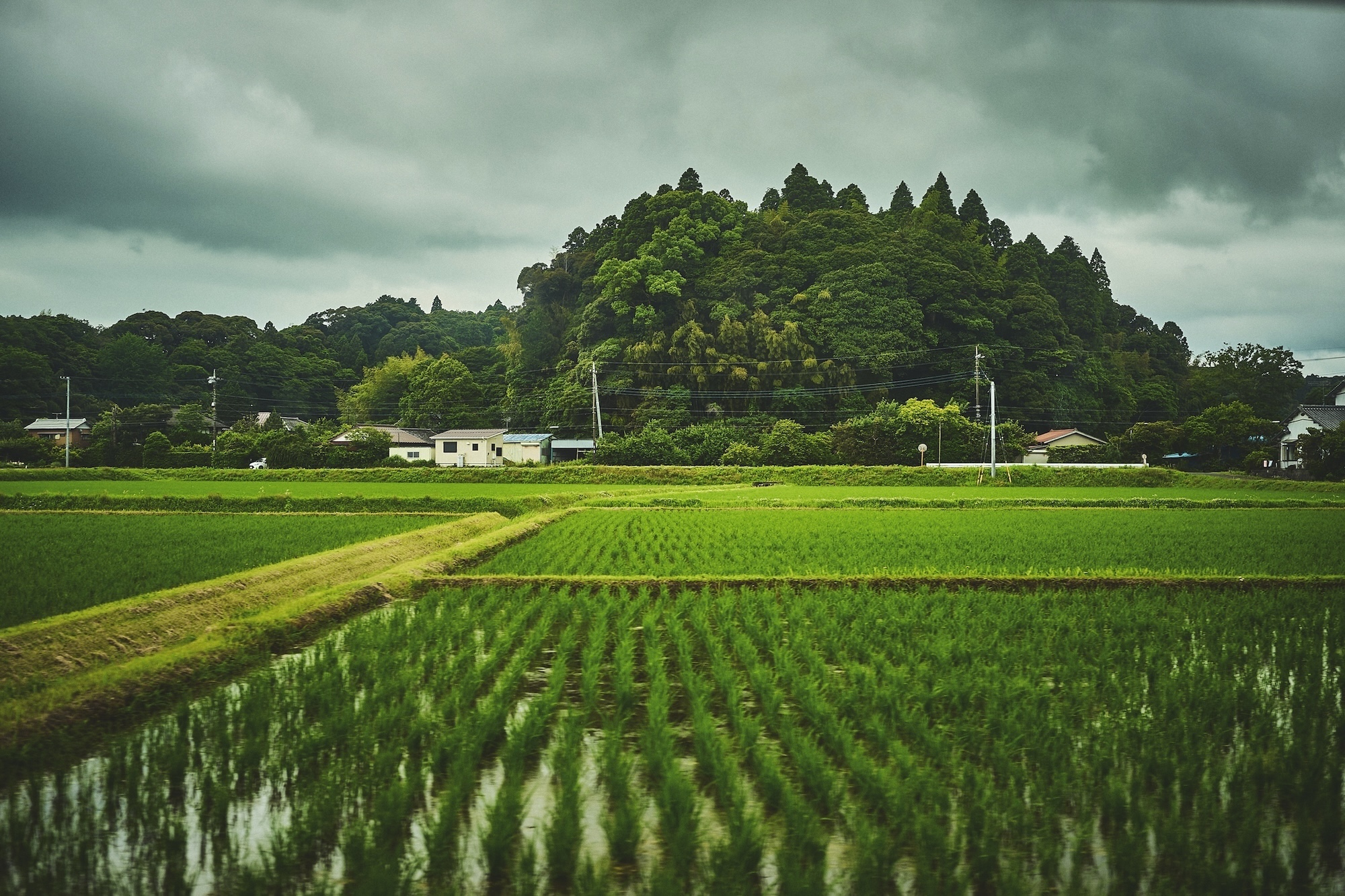
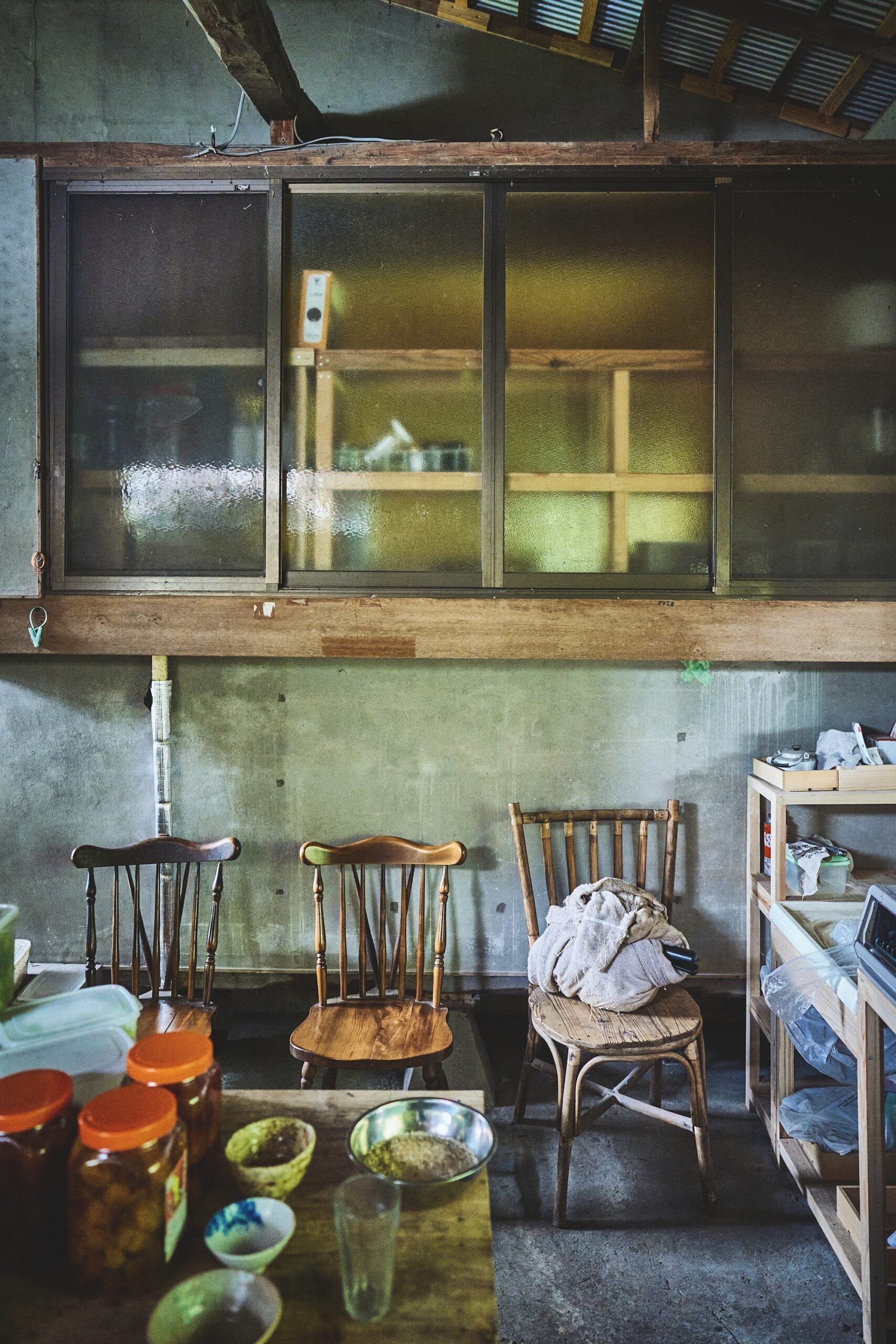
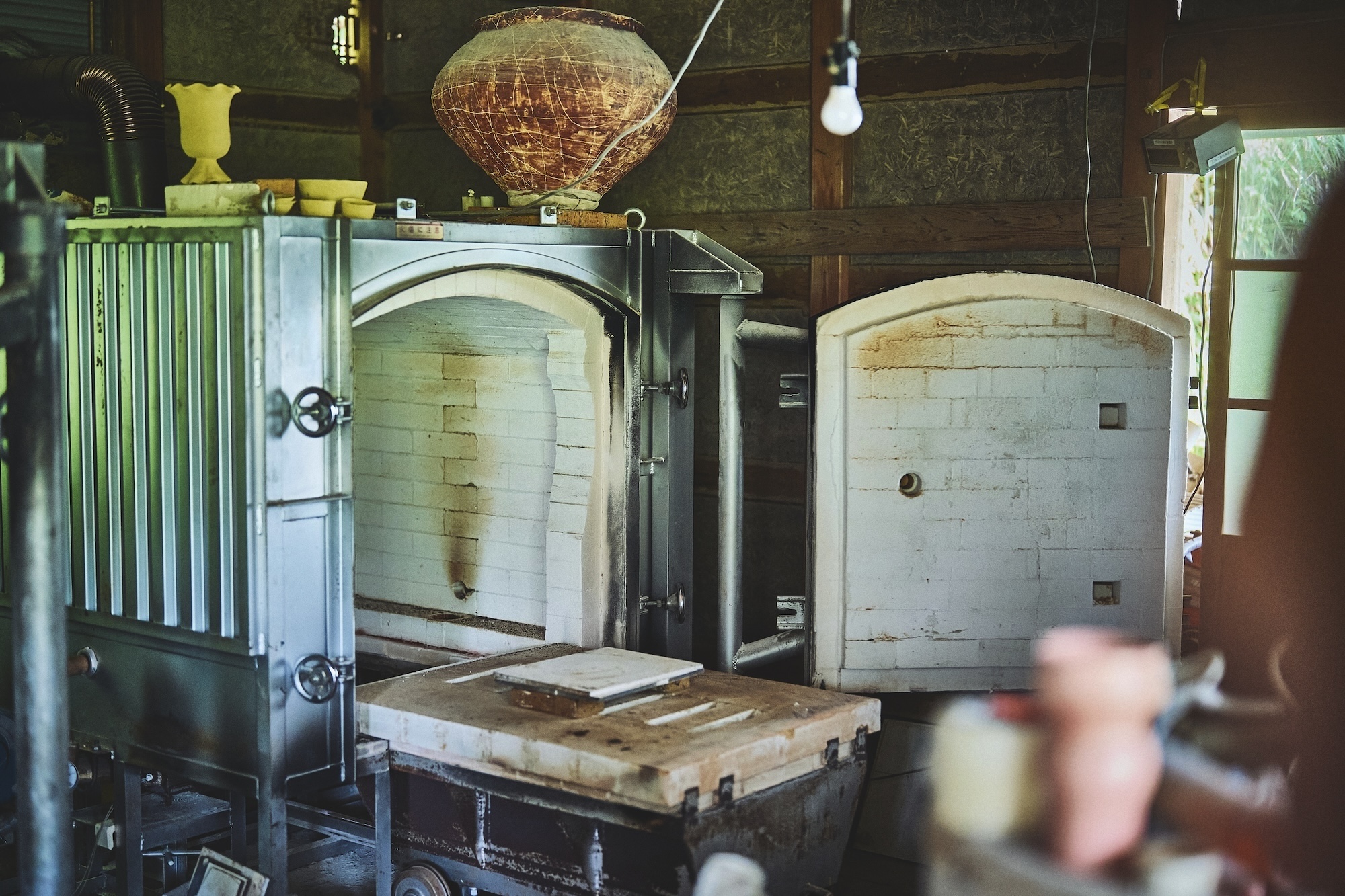
The first sign that this is no ordinary farmhouse is the shed: its door is left ajar to reveal two large kilns beside a ride-on rice harvester. Along the dirt path, daikon radishes dry next to enormous pottery urns. This is the home of ceramic artist and farmer Kazunori Hamana. Two hours from Tokyo, on the coast of Chiba, he came here to escape big-city pressures and the cycle of earning only to spend. His ceramics are in high demand overseas, but today he is focused on preparing apricot syrup and umeboshi (pickled plums) with fruit grown on his land.
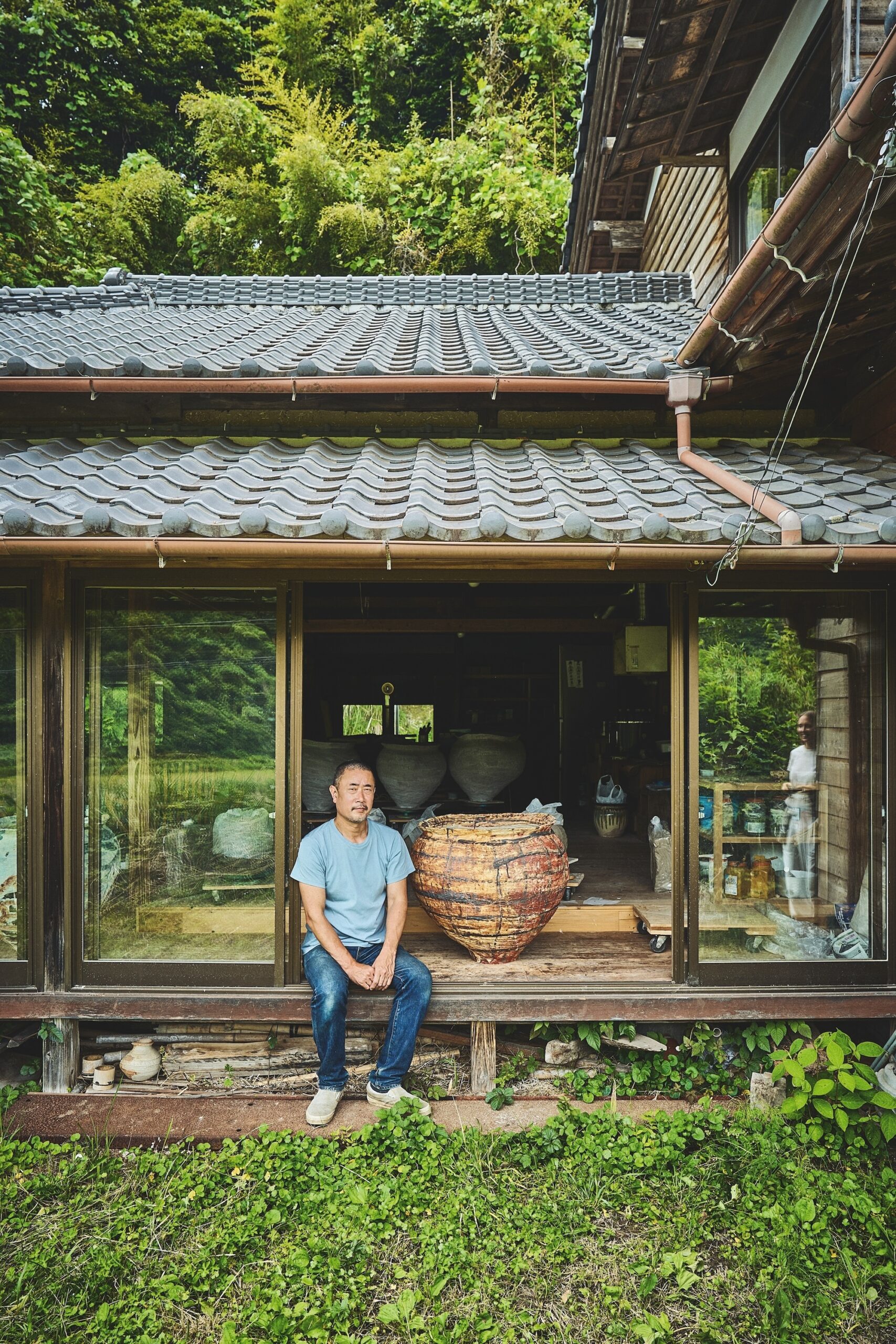
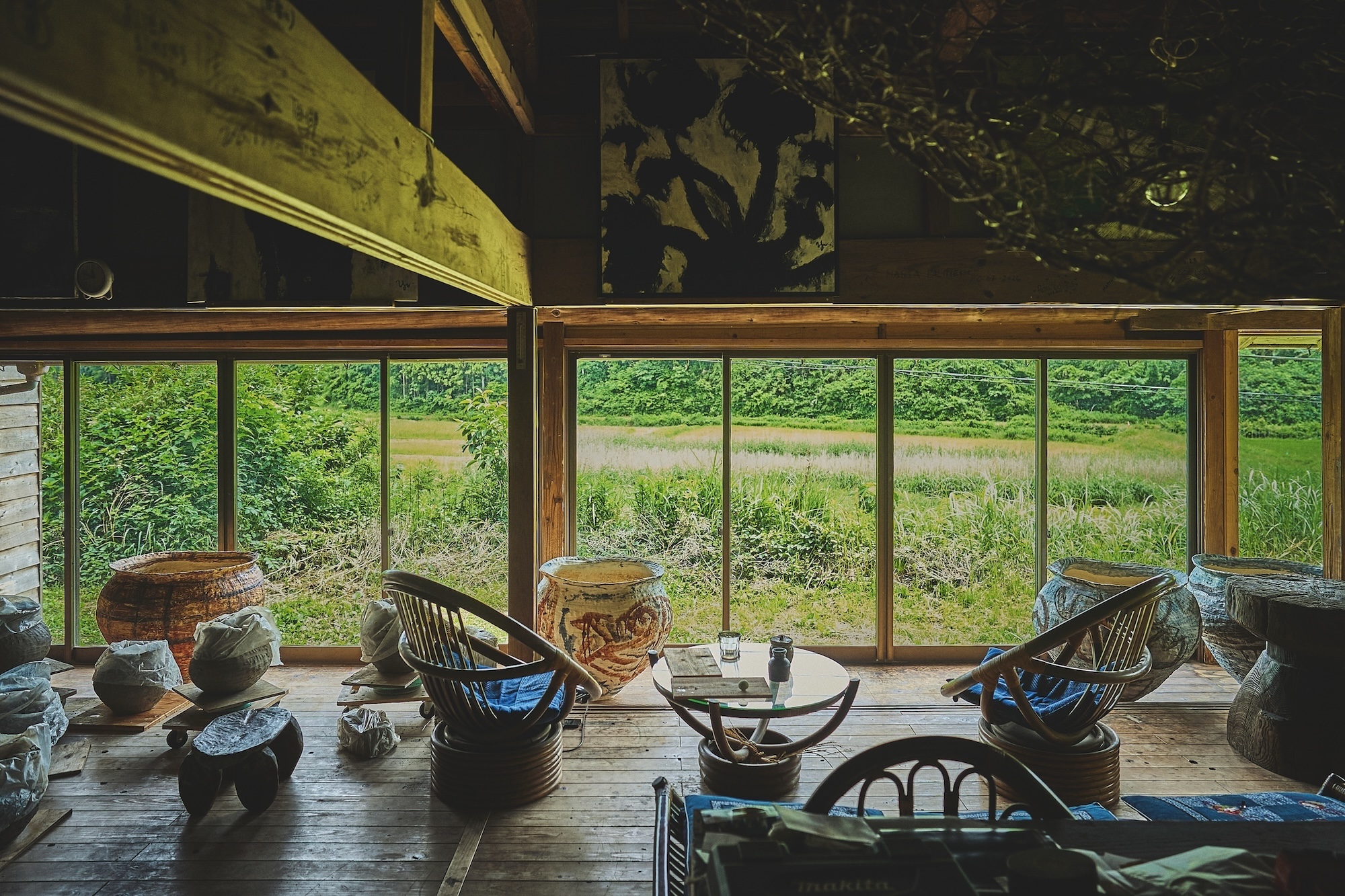
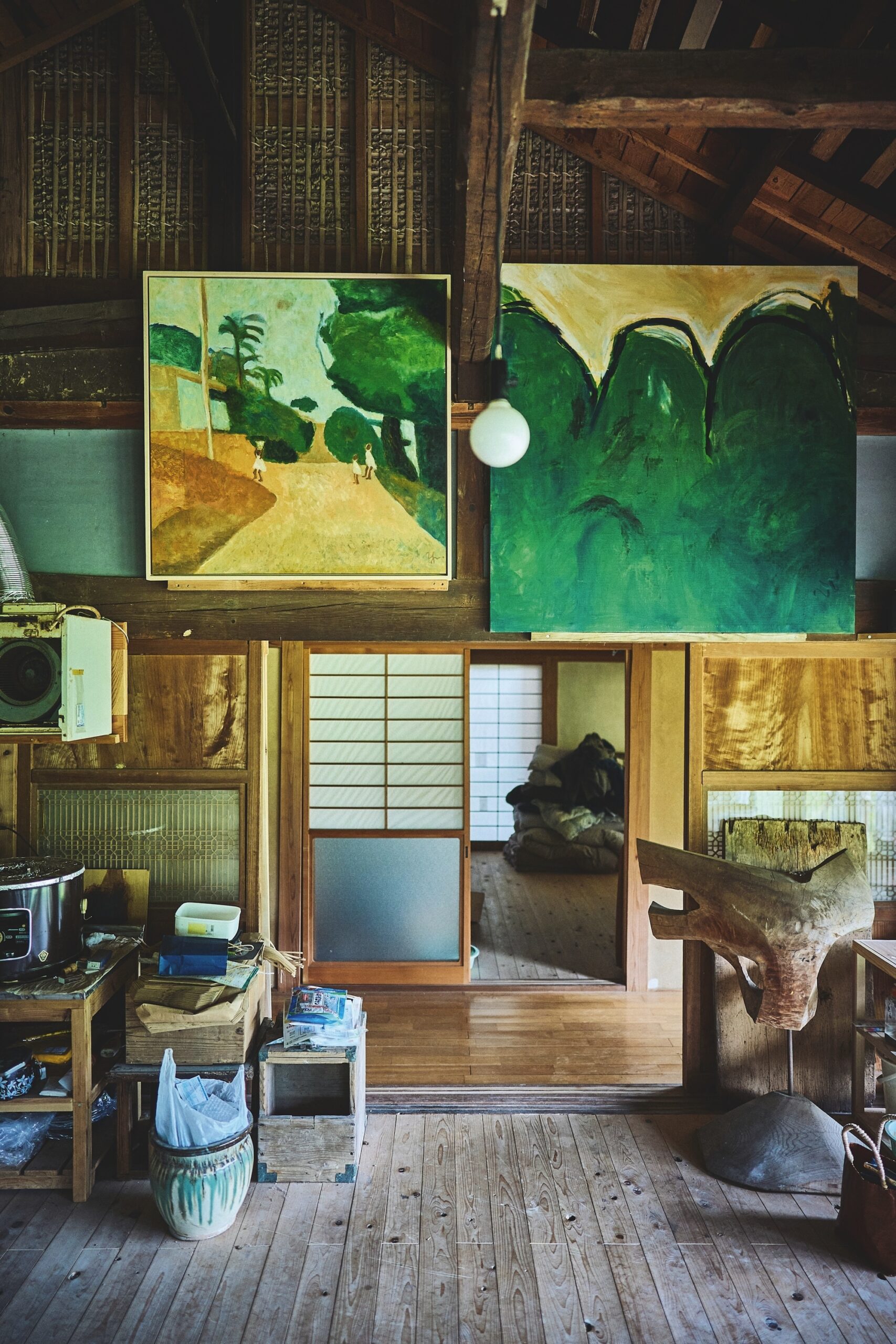
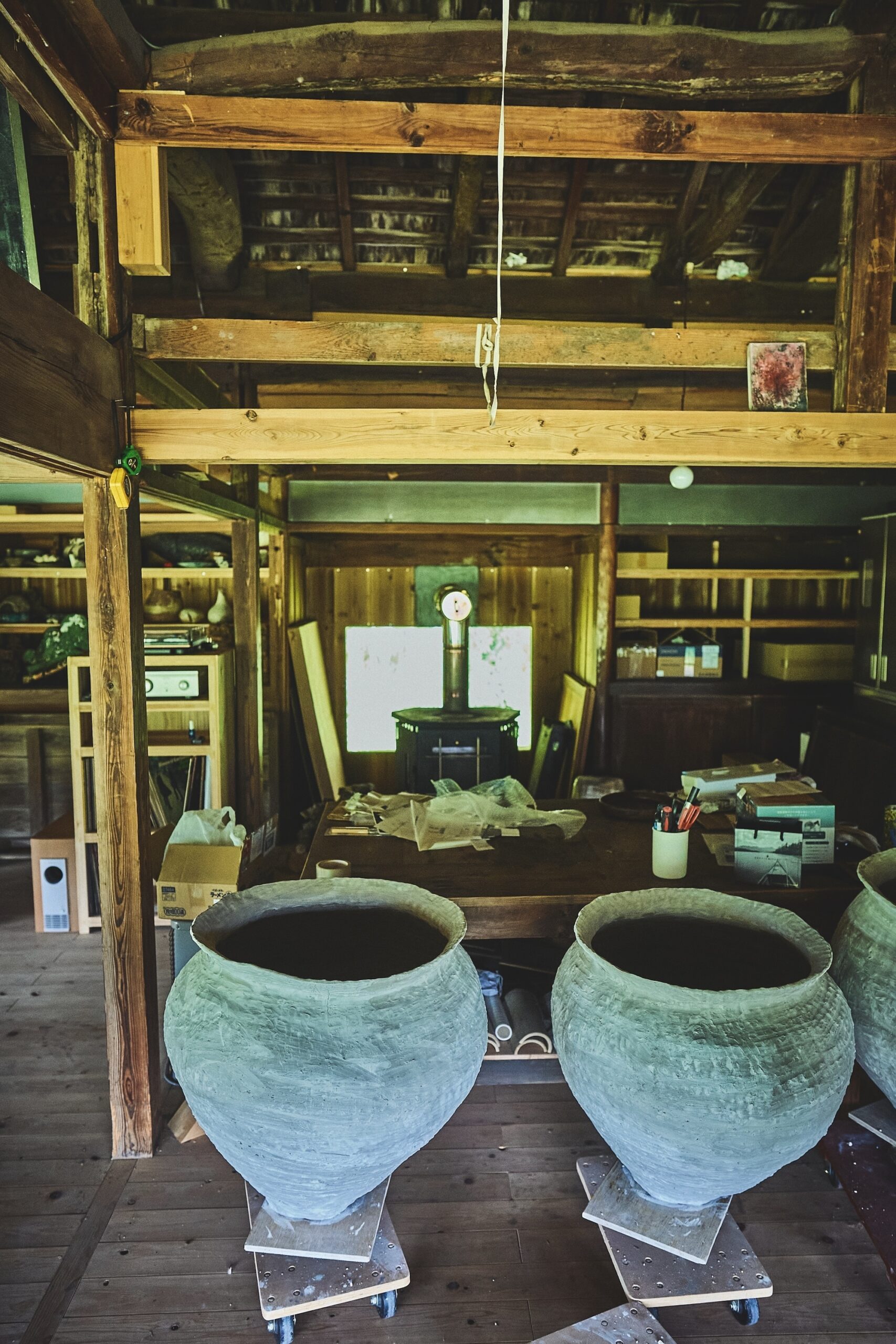
Hamana’s life follows the seasons. In spring and summer, he rises with the sun to tend the rice paddies that stretch out in front of the house, checking the water and soil before cooking some of last year’s harvest for breakfast. What he cannot grow, he trades or buys locally. In the cooler months, he shifts to pottery – long days shaping coils of clay into his large tsubo vessels. Each one takes more than a week to complete, then fires
alone in an oil kiln at 1250°C.
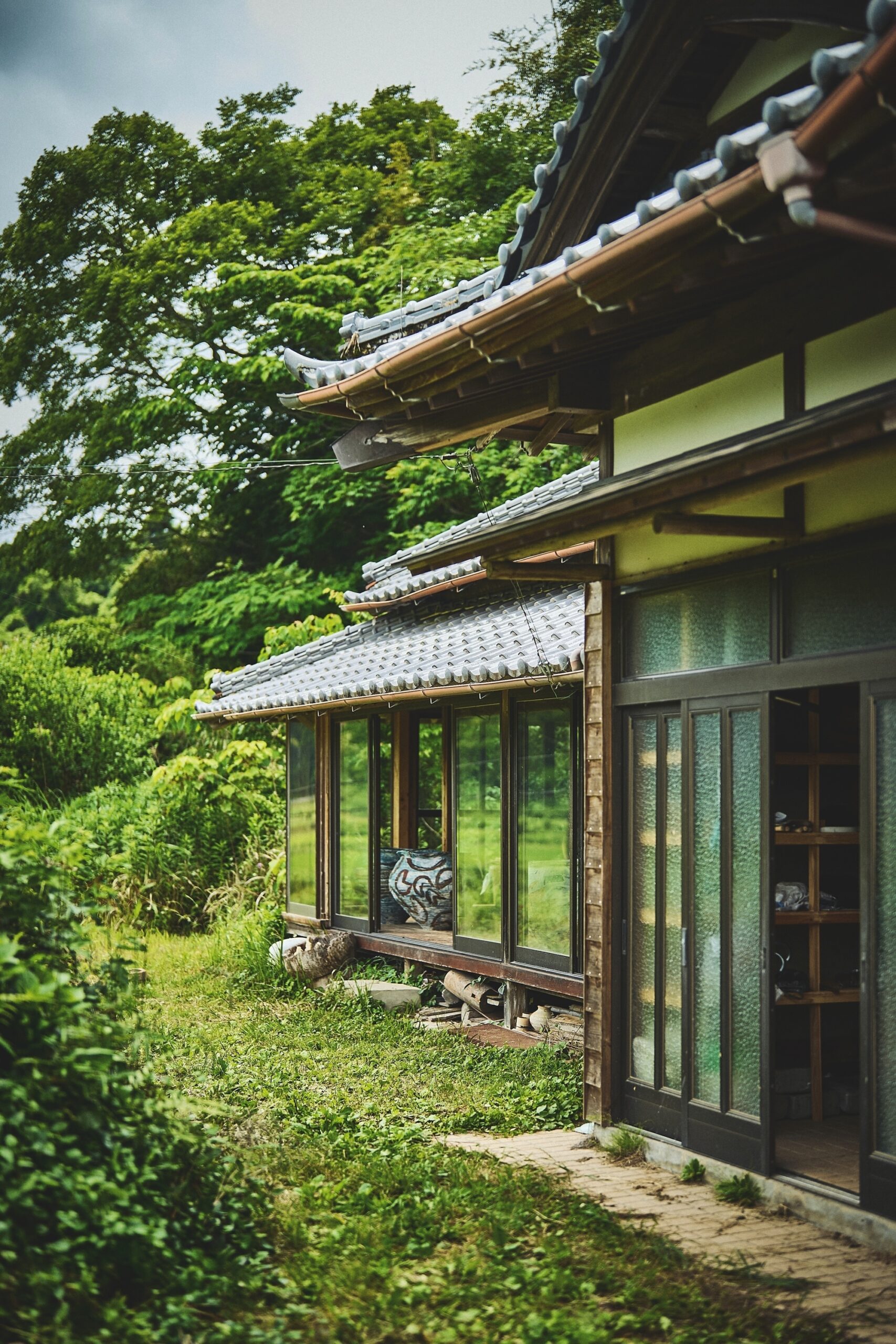
A former city kid from Osaka, Hamana adapted quickly to rural life. After running a popular sneaker shop in Tokyo, he tired of the city and moved here to live more simply. A community pottery class sparked his interest in ceramics and he began making large vessels while living in a beachside shack. About eight years ago, he found this seventy-year-old farmhouse and has been restoring it ever since, keeping the beach house as a studio.
He rebuilt the house gradually, using recycled timbers, found furniture and pieces gifted by artist friends. One of his first changes was replacing the frosted glass typical of old Japanese homes. ‘I wanted to see the fields and hills,’ he says, gesturing to the paddies he shares with local farmers. Inside, he removed ceilings and interior walls to open up the space and reveal the wooden beams. ‘You never know what you’ll find,’ he laughs. ‘A few missing ones, of course.’
Hamana keeps his creative practice deliberately unforced. ‘I’m not here to get rich, just to create and share good energy,’ he says. He works to the sounds of nature: the chirrup of insects, wind through bamboo and the burble of a nearby stream. At his seaside studio, waves set the rhythm. ‘If you connect with nature, you get more input,’ he says. ‘In the city, it’s easy to get pulled into making money just to spend it. Here, I have the mental space to create.’
His tsubo vessels reflect that thinking. He makes them large ‘to see how a space changes when something unusual is placed there’. They tilt and bulge with the clay’s natural behaviour. ‘I don’t want to fight nature, so I follow it.’ When pieces become cracked or damaged, he doesn’t discard them; some now carry seams of gold or silver by fellow artist Yukiko Kuroda, a quiet nod to impermanence.
Hamana’s philosophy extends to the community around him. Dismayed by the number of abandoned homes, he began buying empty houses with proceeds from his art, repairing them slowly. He plans to create ten artist residencies. ‘My neighbours are farmers, mostly elderly. If we can save these houses and offer them to artists, we can bring life back. It’s an investment in future society.’
For Hamana, an old house offers something that new ones cannot. ‘It connects you to your ancestors – you understand your place in the timeline.’ He jokes that his ideas may seem ‘a bit neo-hippie’, but from this rural base, he easily shares ideas with artists around the world, thanks to the internet.
Despite growing demand, Hamana insists he is not driven by strategy. ‘I just pursue the things I like. If the thing I want doesn’t exist, I will make it myself.’ A life of farming, restoring and the slow turning of the seasons grounds his work. Whether a vessel, a house or a community, he approaches it the same way: understanding what came before, then shaping what might come next.
—
What are your daily rituals?
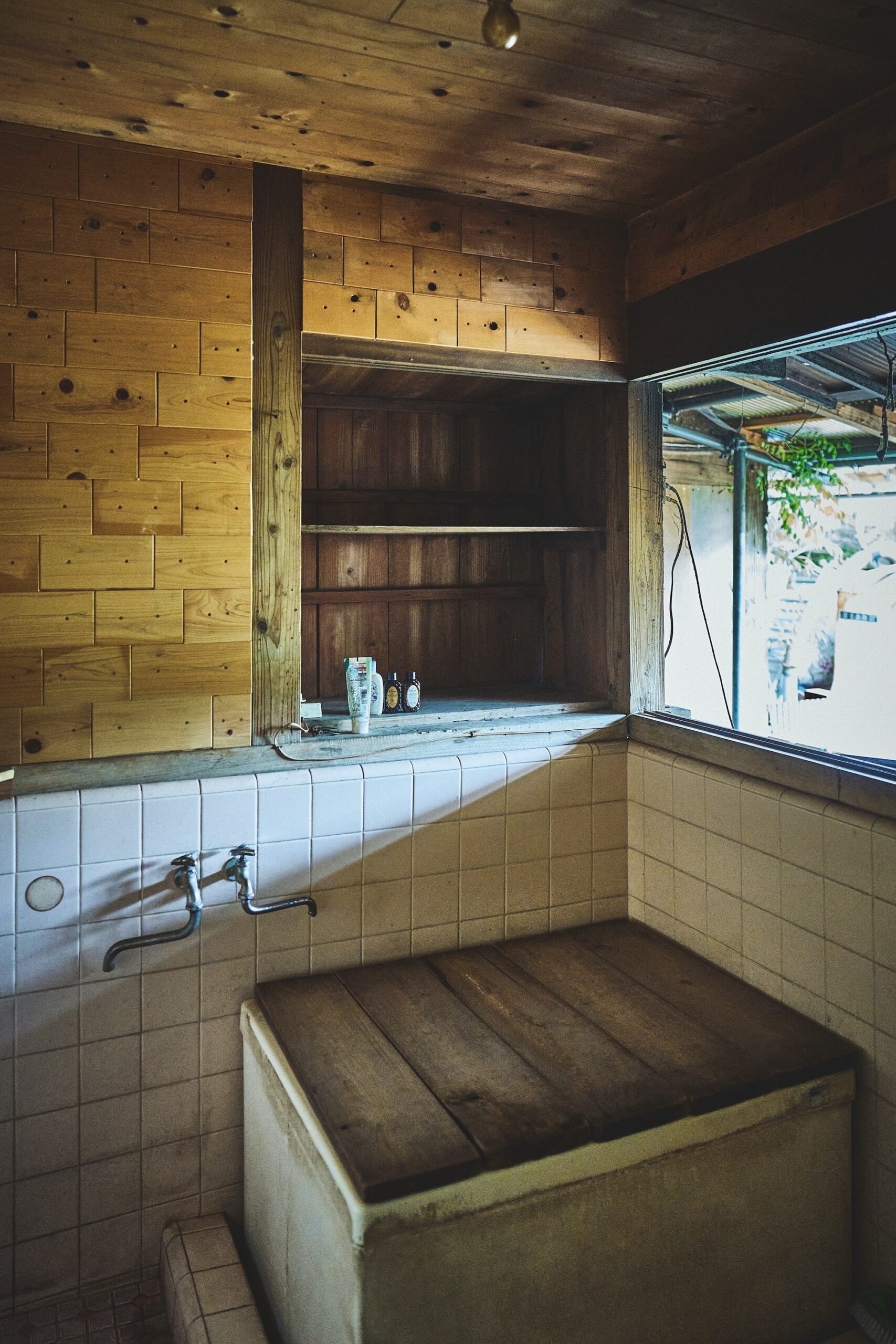
I get up early and cook breakfast. I grow my own vegetables and rice, so I enjoy preparing the things I’ve grown. In the evening while I’m cooking dinner, I stoke the fire outside to heat the bathwater. After a long, hot bath, I go to bed pretty early.
What’s something surprising in the house?
This rough-hewn object is an usu – a big wooden mortar on a pedestal, for pounding mochi. It’s actually upside down, because I use it as a coffee table. It’s like a natural sculpture.
What’s your favourite aspect of this space?
It’s very close to nature and I can feel the history of the area and the people who lived here before.
How would you describe your neighbourhood?
It’s farmland, essentially. I’d guess the average age of the people living here is about seventy-five. Depopulation is a problem in rural areas around Japan,
but I hope to be part of the trend to move back to the land.
If there was a fire, what’s the first thing you’d save?
I’m not so sentimental; probably just my passport and wallet!
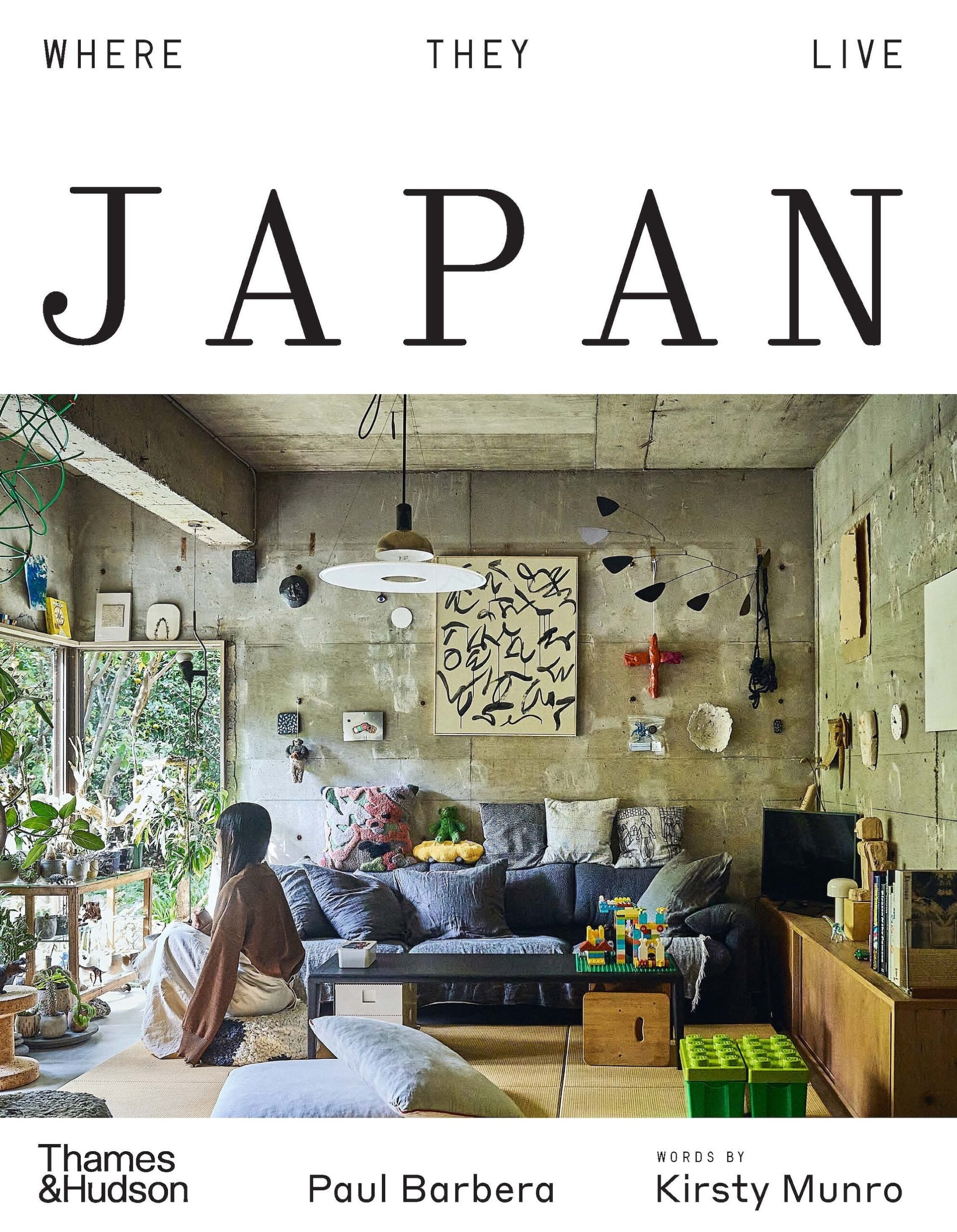
Where They Live Japan by Paul Barbera & words by Kirsty Munro
Where They Live Japan by Paul Barbera with words by Kirsty Munro, published by Thames & Hudson Australia, NZD$64.99.