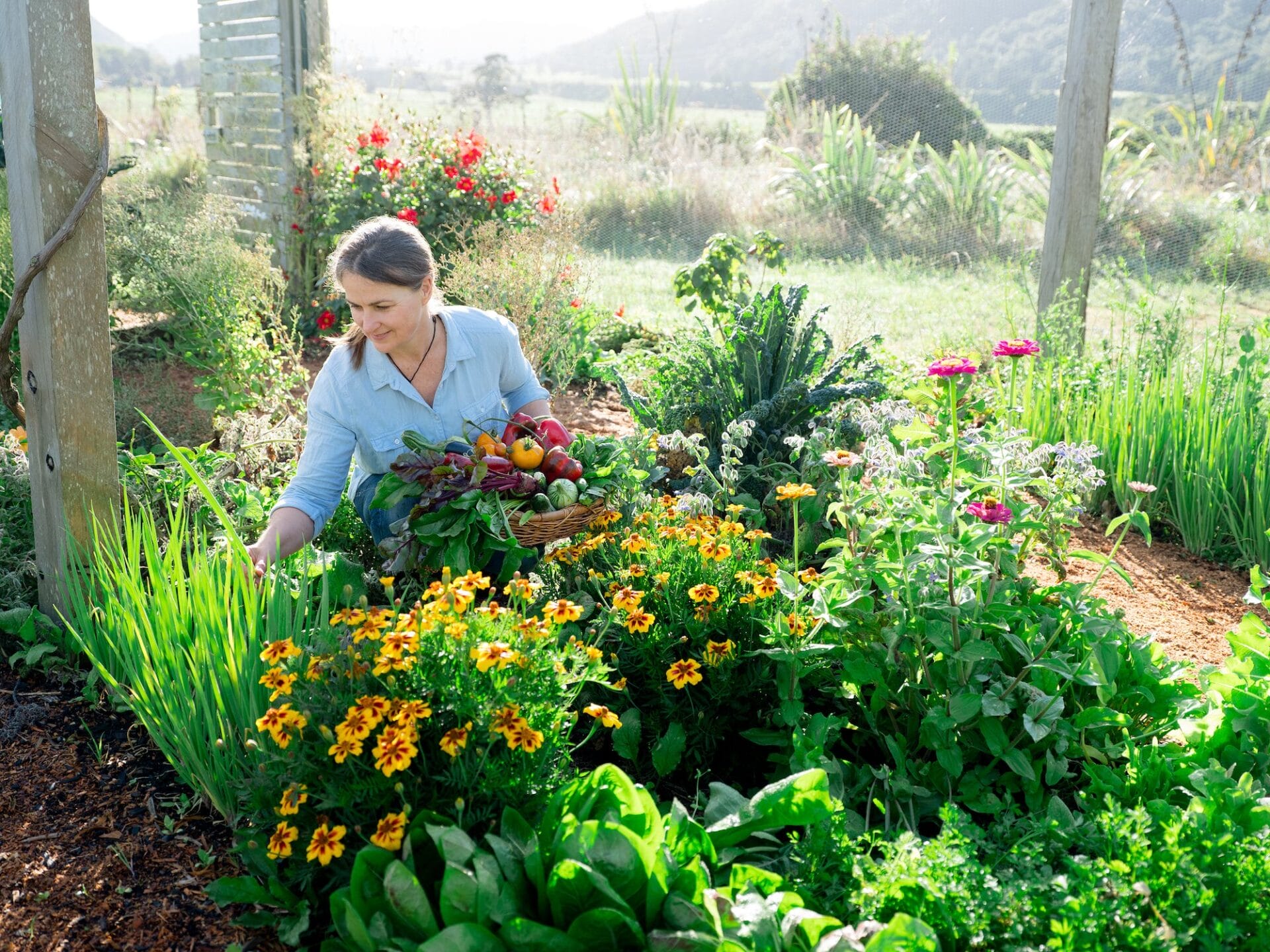
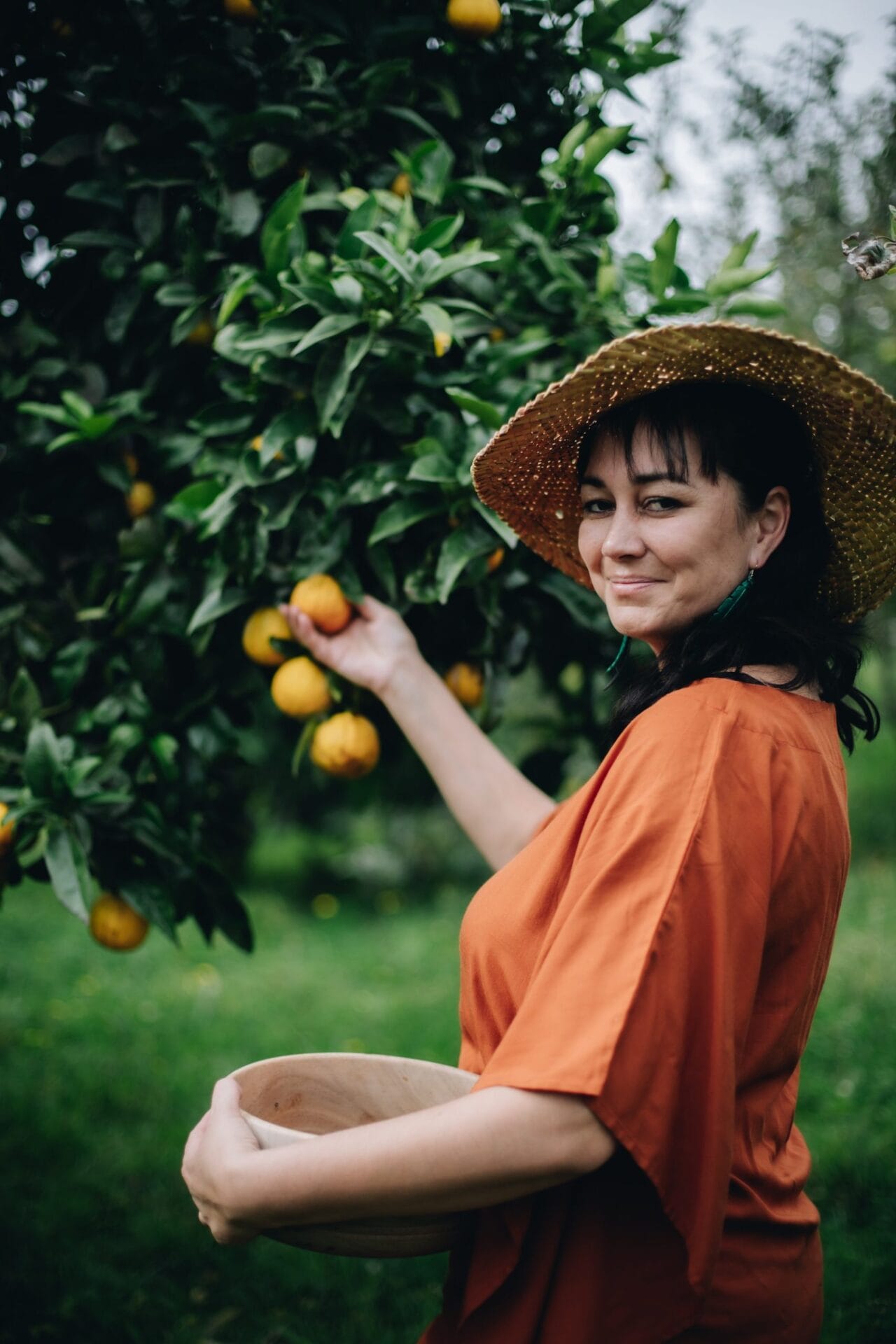
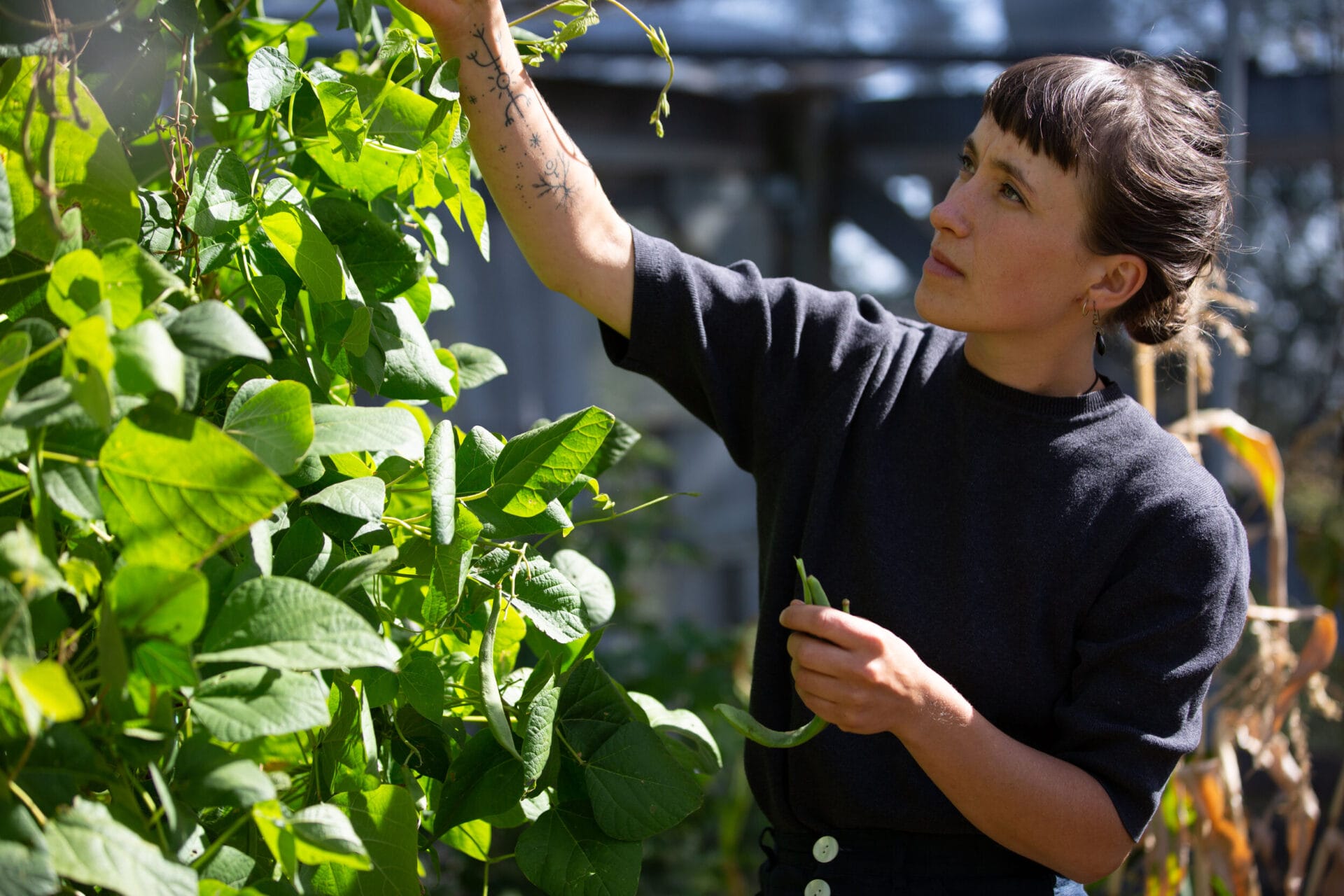
The camera-shy editor and founder behind Sage Journal.
I come from a line of gardeners, always able to call my mum or nana to chat about what to plant where, figure out why a plant is turning up its toes, or to see if there’s a cutting going spare. I know not everyone is this lucky.
When we bought our first house 12+ years ago, I quickly realised what a struggle it was to find local garden inspiration and advice. I wanted relatable stories, aspirational projects, and connections with knowledgeable gardeners – both new and old.
So six years ago, I started Sage Journal. To share stories of hands-in-the-dirt, soil-on-the-clothes gardeners. People who are sometimes failing, often succeeding, and always asking questions.
My aim was to create Aotearoa’s most trusted gardening resource. Now, with a large local following, and growing engagement from Australia and beyond, we’ve not only become the home for gardeners, but for design lovers and nature-inspired creatives too.
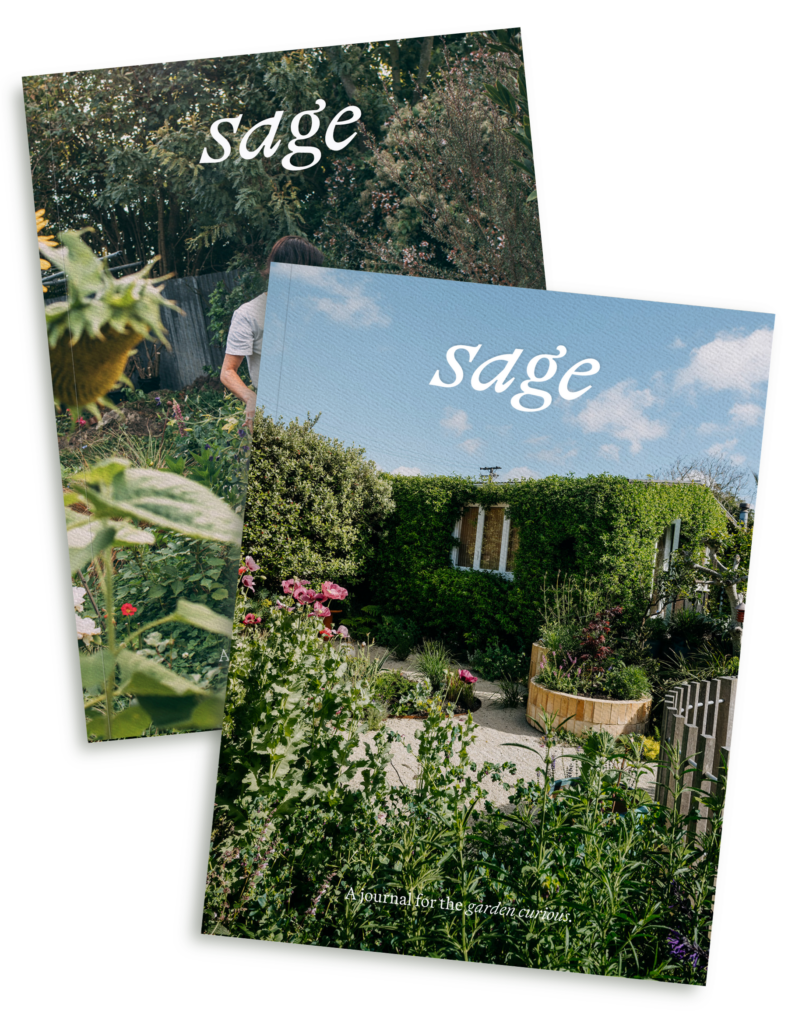
And in spring 2025, we brought Sage Journal to print.
It is a publication where knowledge – especially the kind passed down through conversations in the garden – can be shared and preserved.
Sage Journal aims to continue these discussions with our ever-growing, like-minded community, and we want you to be part of them.
A comprehensive guide for gardeners when it comes to dealing with rats and mice in the garden (or inside!) — in partnership with Goodnature.
Rodents are part of the not-so-glamorous side of gardening and tending to the land. They love your edible harvests and compost bins — and, particularly in autumn, they're looking for shelter and food to stash for the colder months ahead.
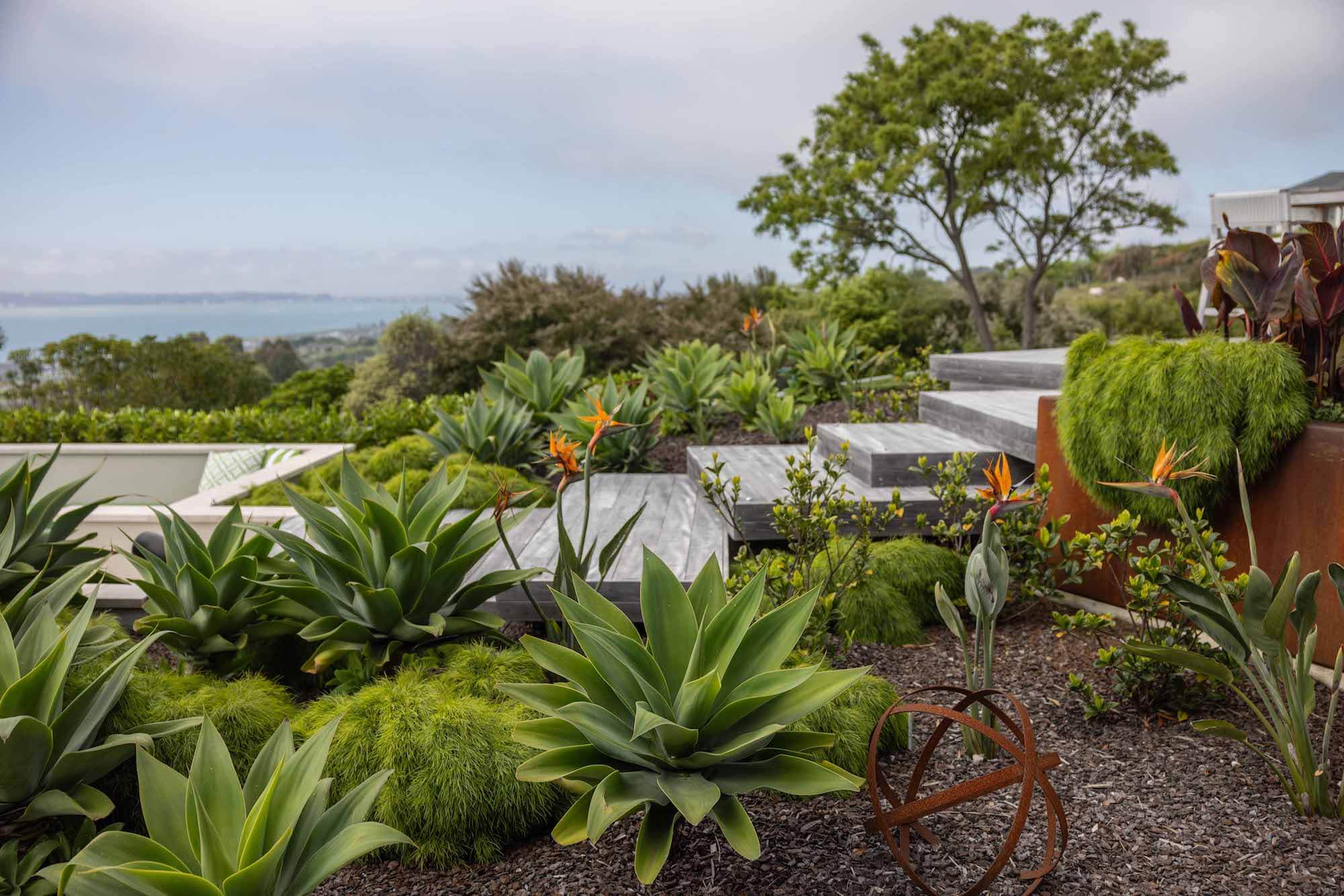
It was a new pool and pool house that sparked a total landscape renovation for this hilltop Napier garden.
The couple wanted a property that not only suited the way they live and entertain but that complemented the enthralling view, which stretches from Māhia Peninsula across to Cape Kidnappers.
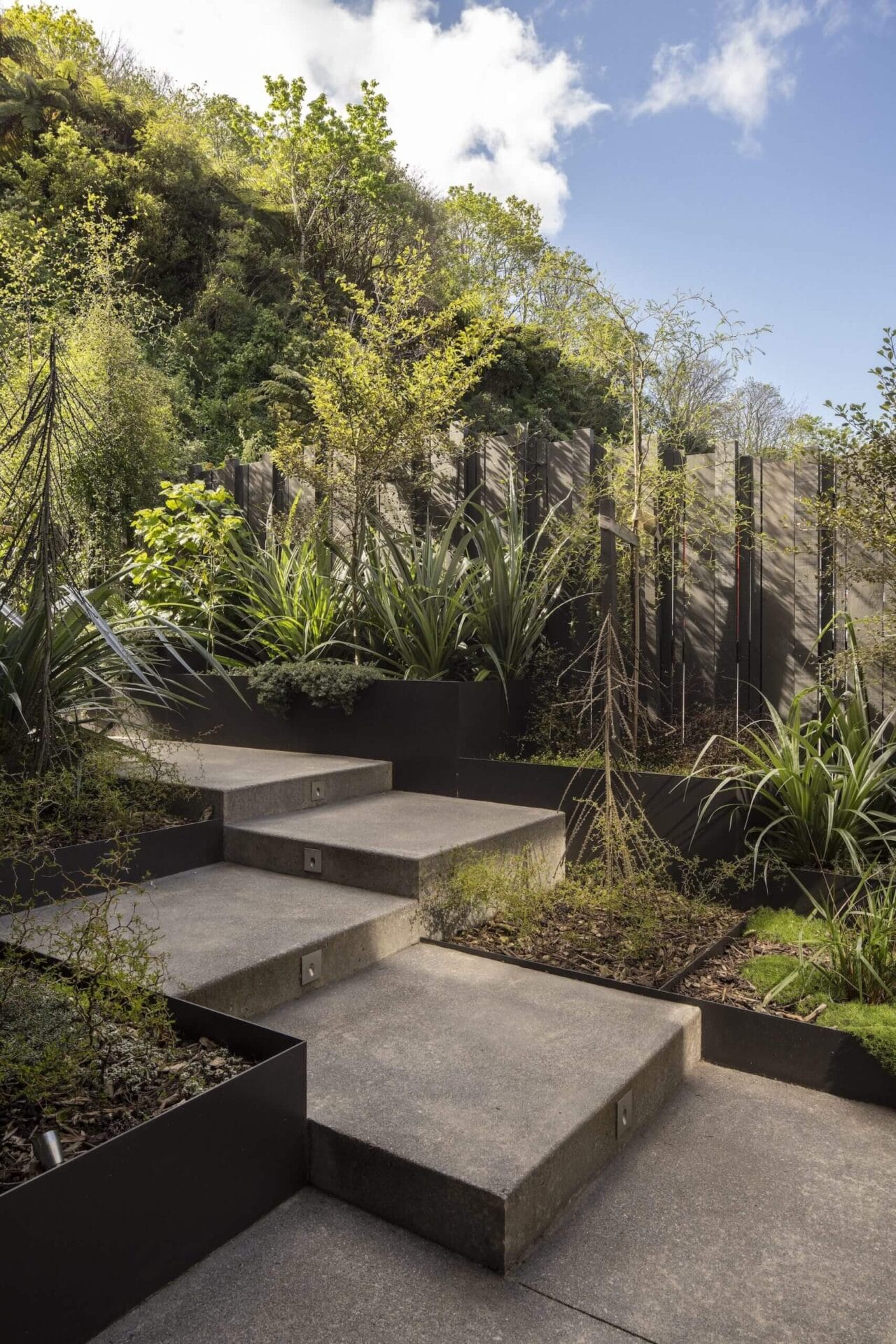
Te Whare Māra - The Garden House - blurs the lines between landscape and architecture. This Wellington garden exemplifies landscape design that boasts beauty, sustainability and meaningful spaces to inhabit and enjoy.
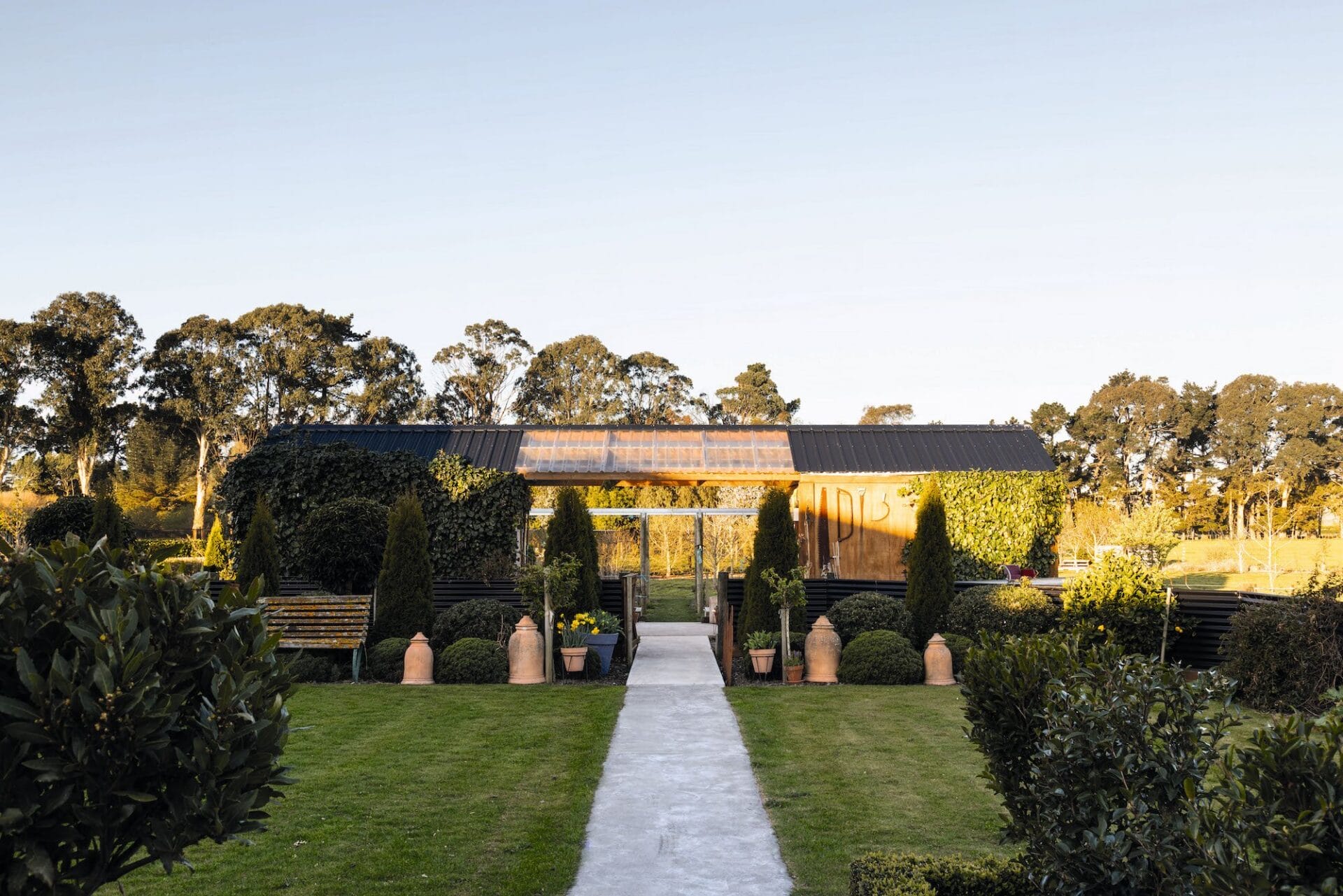
Then came the newly built accommodation studio. Set against the backdrop of Gisborne’s landscapes, Black House Studio goes beyond the conventional notion of accommodation. It effortlessly marries architectural elegance with the natural splendour that envelops it. Chelsea’s interview with us invites you to appreciate the thoughtfulness and creativity that converged to shape Black House ...
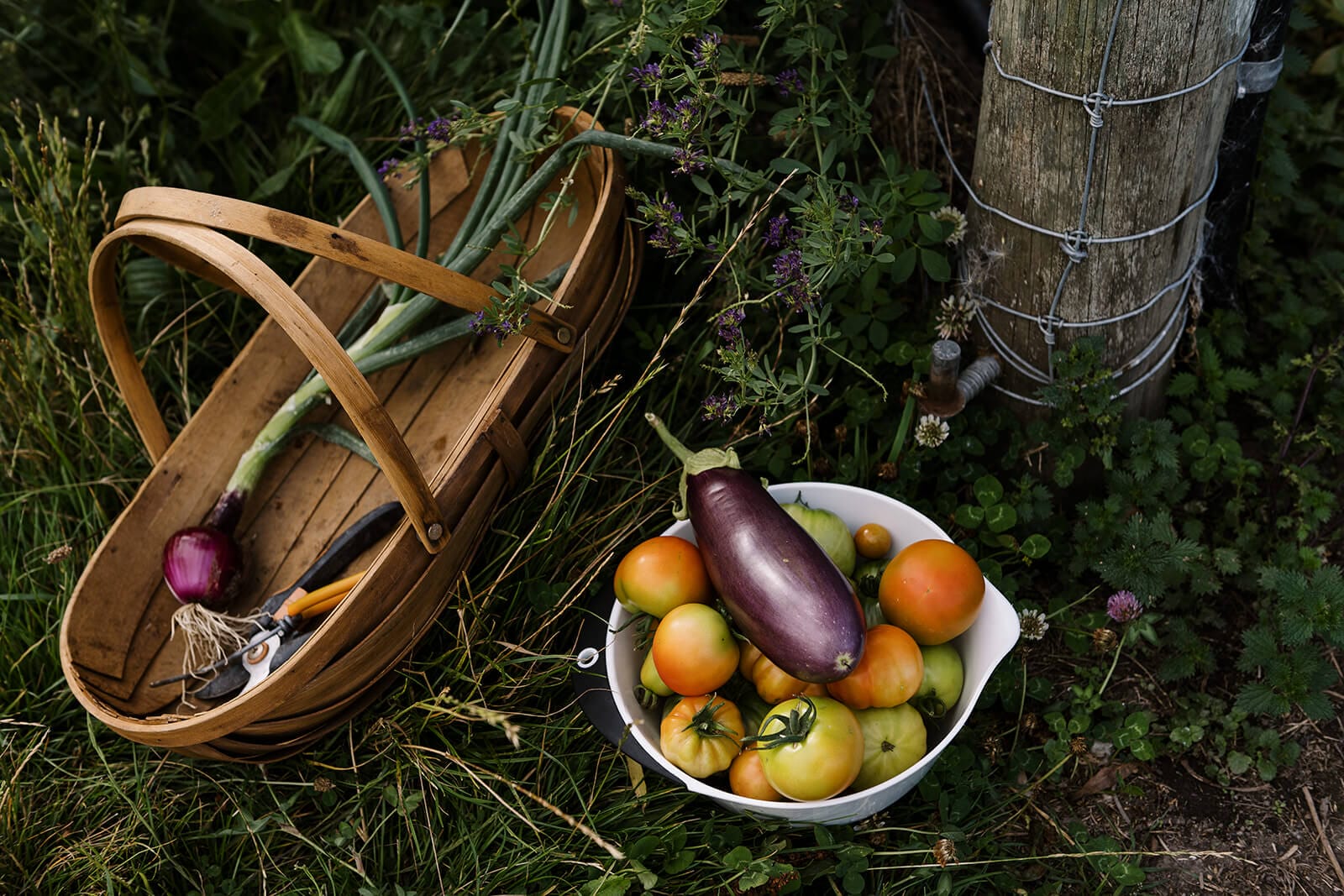
Recipe developer and gardener Bri DiMattina’s book, Nostrana, sets out to rekindle the joy of the home garden and kitchen. Nostrana means homegrown, ours; growing food with the intent of sharing it with others.
In this interview Bri shares her keys to starting and enjoying the edible garden journey —
There is something magical about a summer garden that boasts colour, texture, wild-life and long-lasting florals. One of the best (and easiest ways) to achieve this is with perennials — and particularly perennials that flower all summer long.
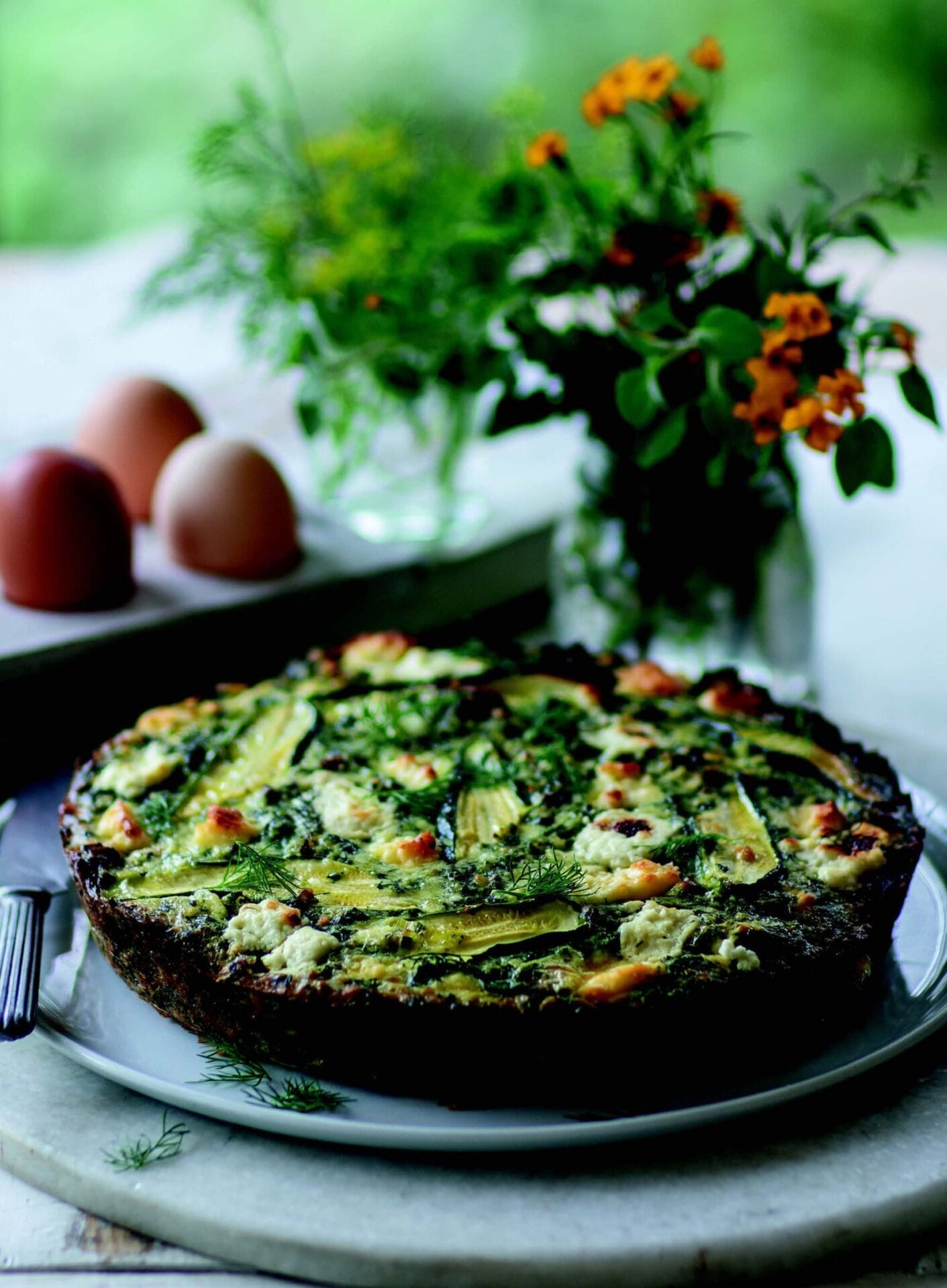
This is one of those lovely mix-and-match dishes where you can use up all sorts of vegetables, herbs and odds and ends of cheese that happen to be lurking in the fridge. Recipe by Belinda Jeffery.
Kath Irvine is a renowned organic gardening and permaculture expert and author. Through her writing and consults, she helps people create productive, beautiful and, most of all, easy gardens. In this interview, Kath shares her gardening wisdom, including the importance of starting small, slowing down, taking notice and following your intuition.
Christall Lowe (Ngāti Kauwhata, Tainui and Ngāti Maniapoto descent) is a Manawatū-based food stylist, photographer and recipe developer. In this interview Christall shares what was behind the creation of her book — Kai: Food Stories & Recipes From My Family Table, along with stories of her wider family’s plentiful edible garden, and the effect of nature has on her creative practice…
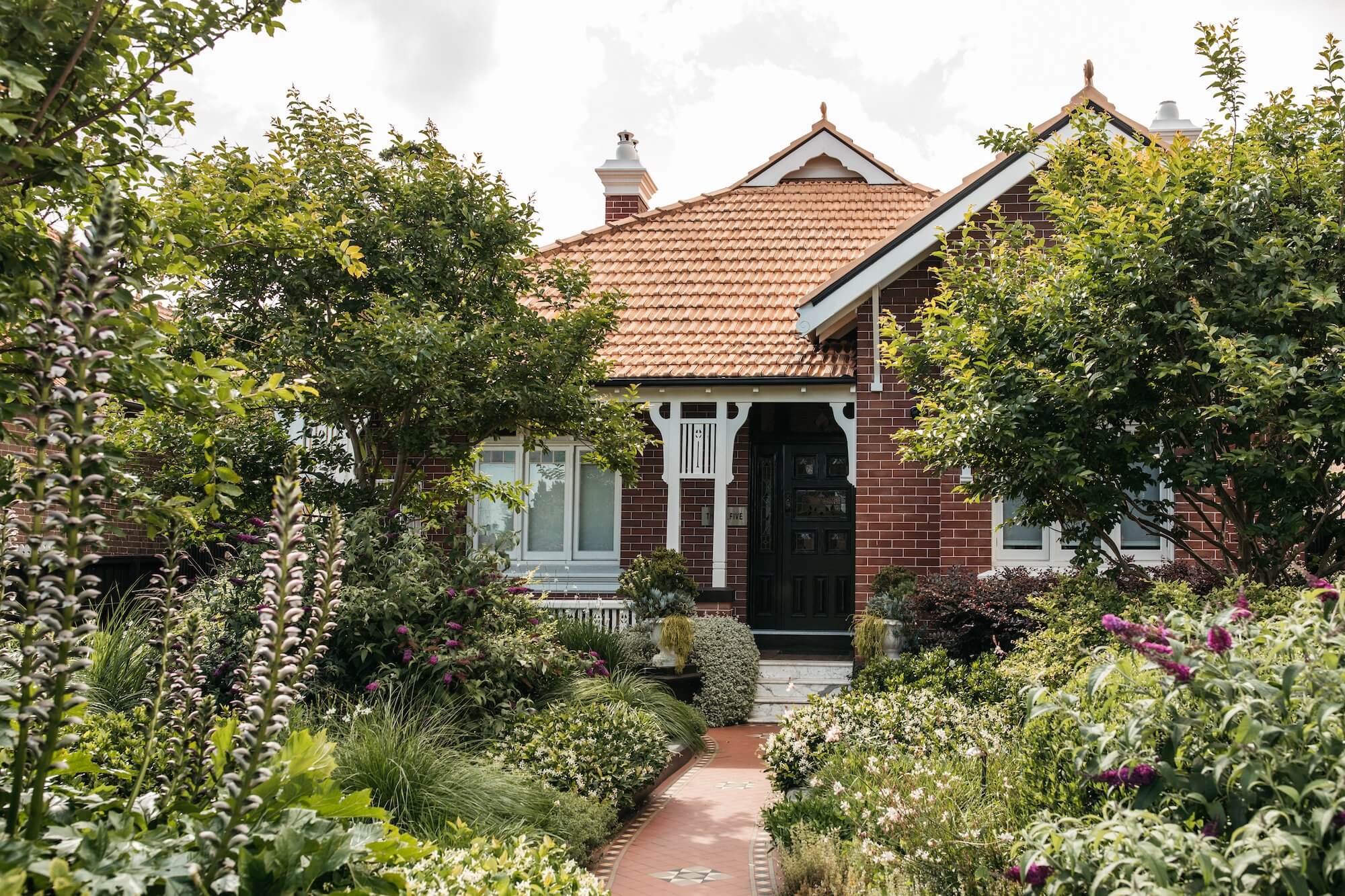
The design starts with a “horticultural riot” out the front, countered with a restful side passageway. The internal courtyard is a space for reflection, accompanied by a more contemporary back garden. Designed by Fieldwork.
Hawke’s Bay based sisters, Amy and Katie, are the creative duo that design and fabricate botanical metal sculptures from waste material. Their story is unique, and straddles the world of product design, craft-lead production and high-end artwork.
Kate Williams, known as The After-hours Stylist, lives with her family on a lifestyle block in Canterbury, where she is kept busy with running floral workshops, and looking after her extensive 5 acre garden.
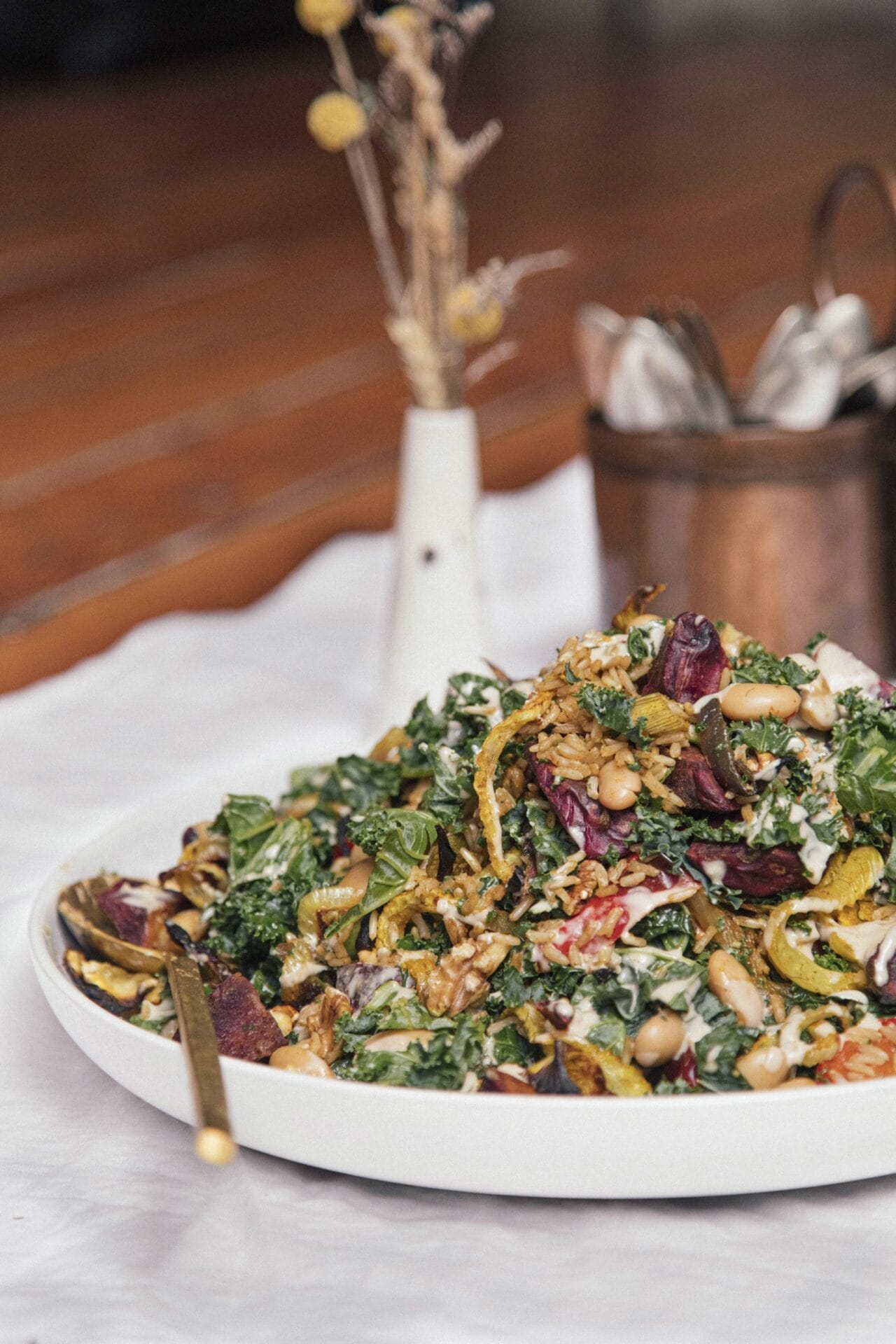
This salad is such a winner, and is a perfect example of how everyday pantry staples can be transformed into something incredible. Recipe by Two Raw Sisters, from SALAD.
By early summer in some gardens you may struggle to keep your plants from becoming victims to dry soil and severe drought, especially if they are new plants or plants with lots of new growth. Find out what will thrive in the garden in drought conditions…
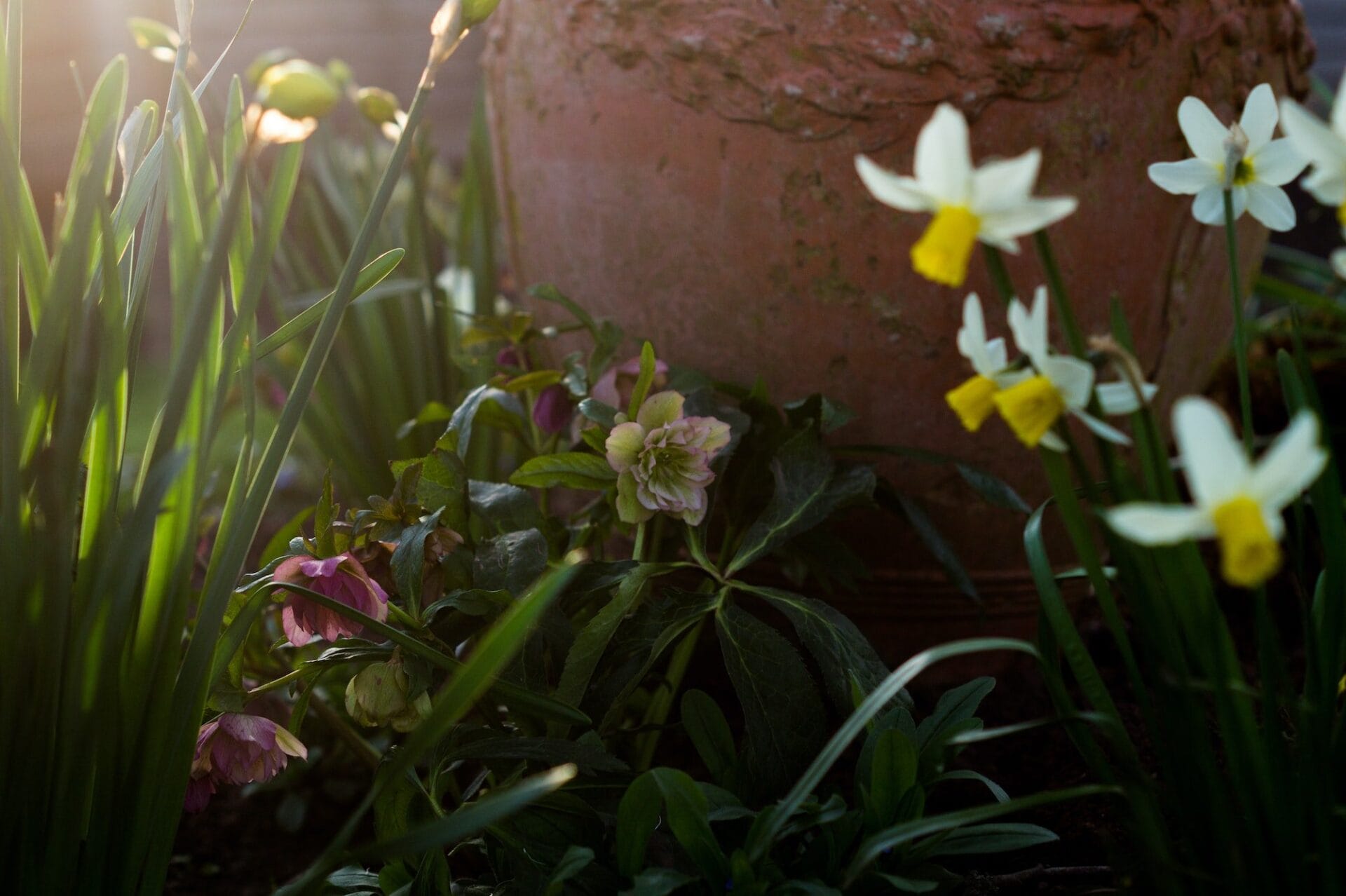
HELLEBORE (Lenten or Winter Rose) — A winter-hardy shade perennial that is easy to grow and blooms prolifically late winter to early spring. A must-have in all winter gardens.
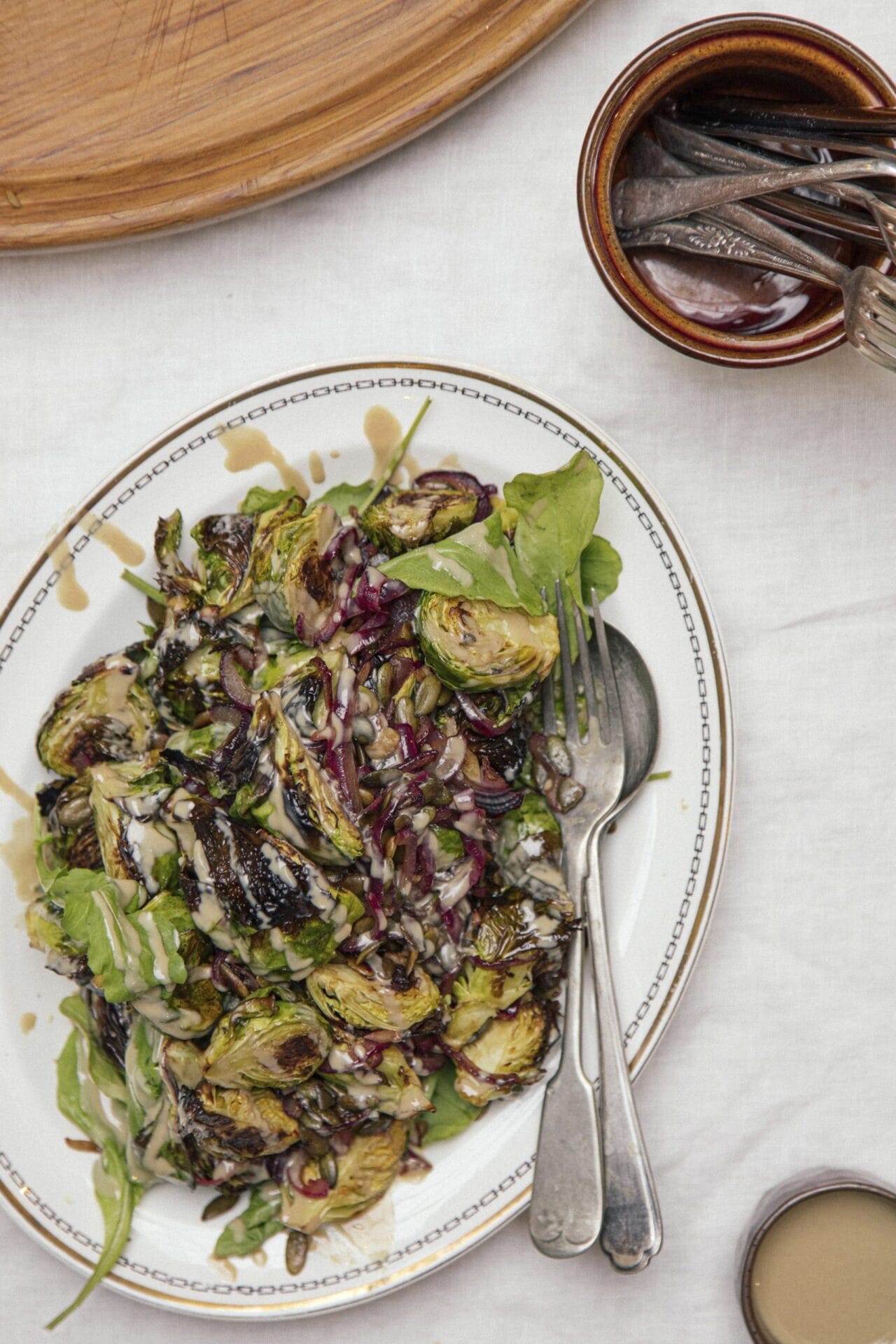
The miso tahini dressing used for this salad is the best dressing ever - it will turn any boring salad into an incredible one. Recipe by Two Raw Sisters, from SALAD.
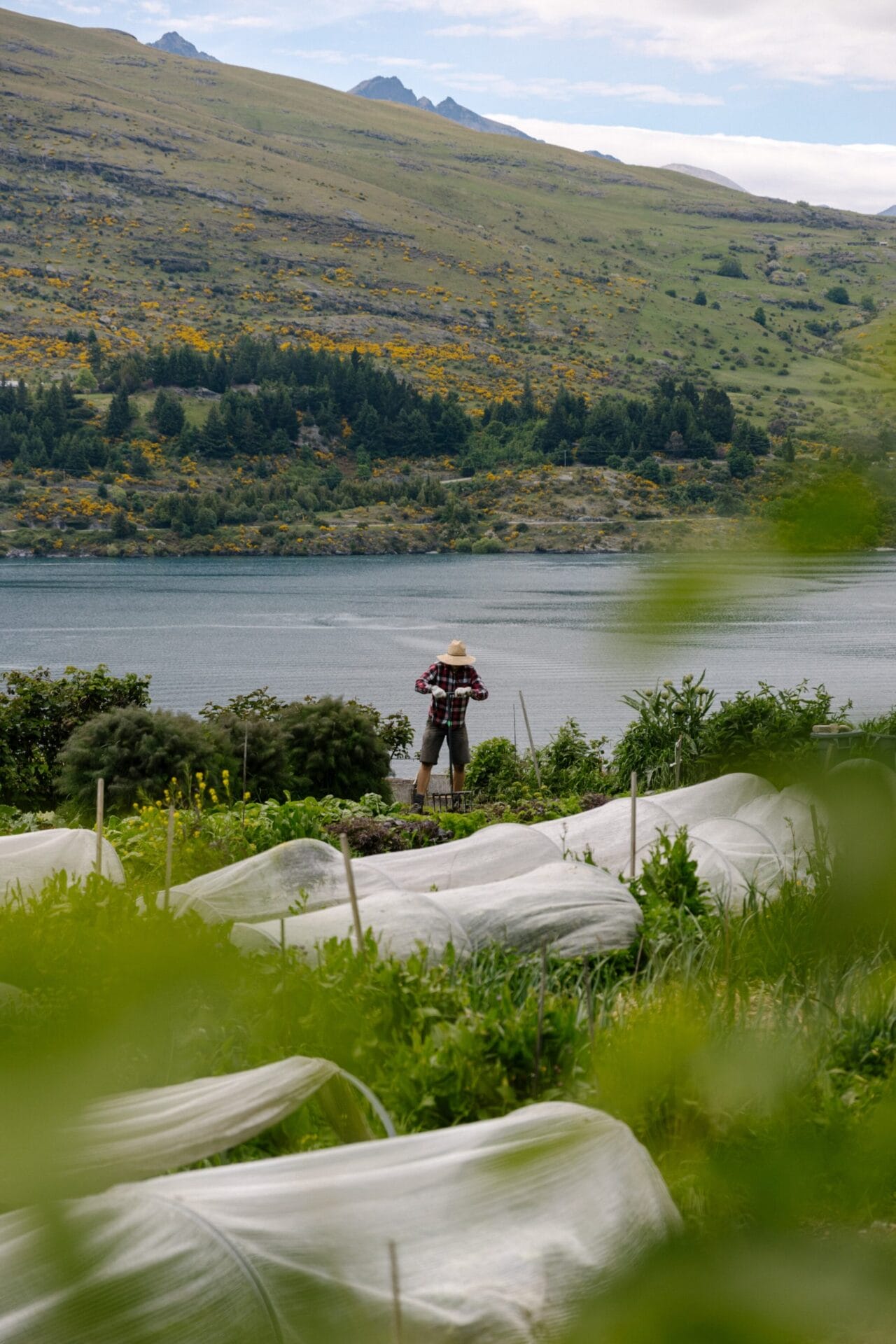
Sherwood’s trump card is its grounds. They were previously covered with bracken, wilding pines and an old abandoned car. The team has since refreshed the area. A very large vegetable garden is front and centre (which also forms a handy circuit for a bike track). Sherwood employs a full time horticulturalist to grow for the restaurant, to maximise what of their menu is grown in-house.
Heather Loughlin’s Matua garden doesn't just provide solace for herself. The site has become an intentional habitat for bugs. This is Heather’s way of recognising the vital role insects have to play in our biodiversity.
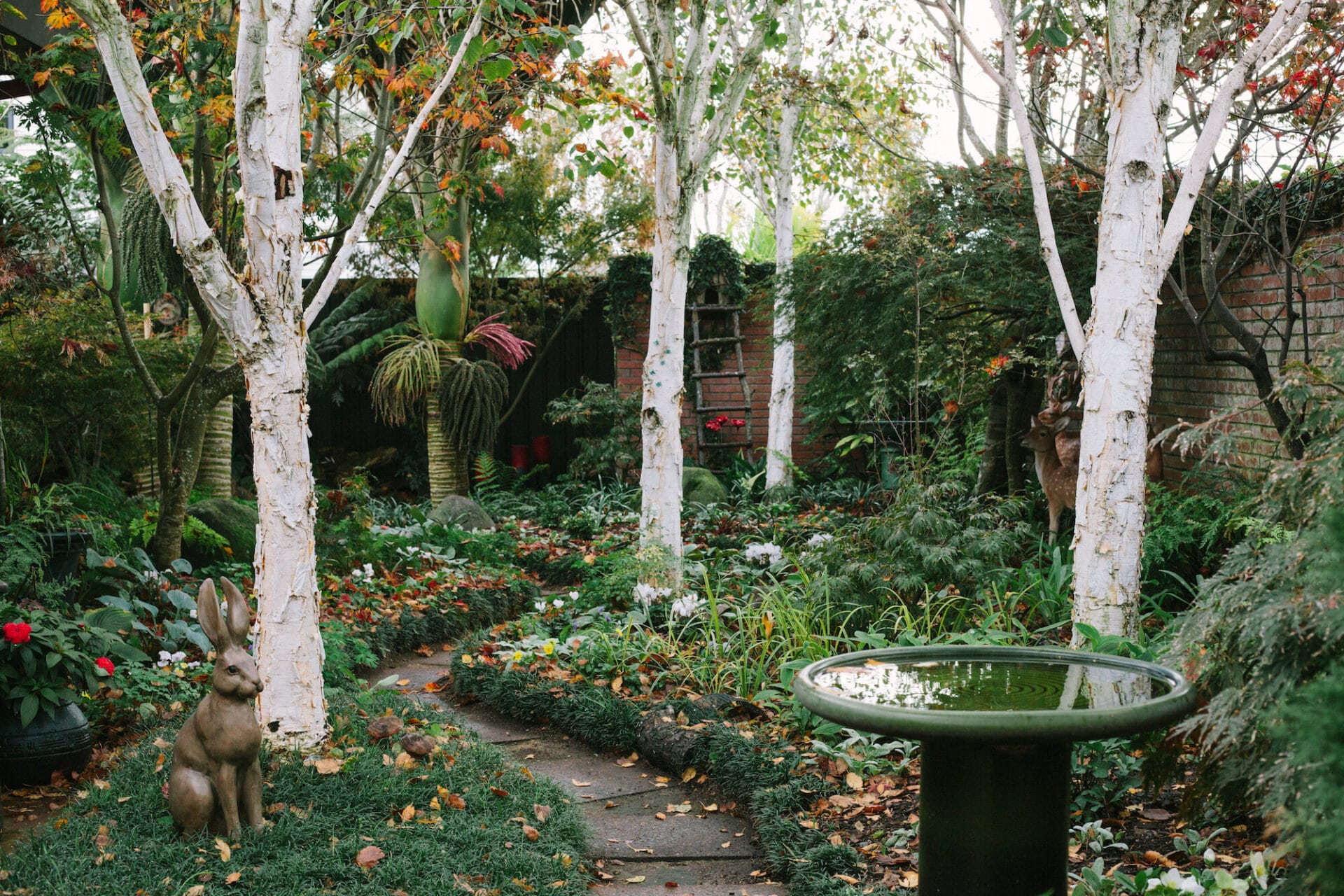
Step into the Havelock North garden of Phil and Gillian, former owners of The Green Door garden centre. This vibrant, woodland-inspired space is filled with unique, colourful and textured plantings.
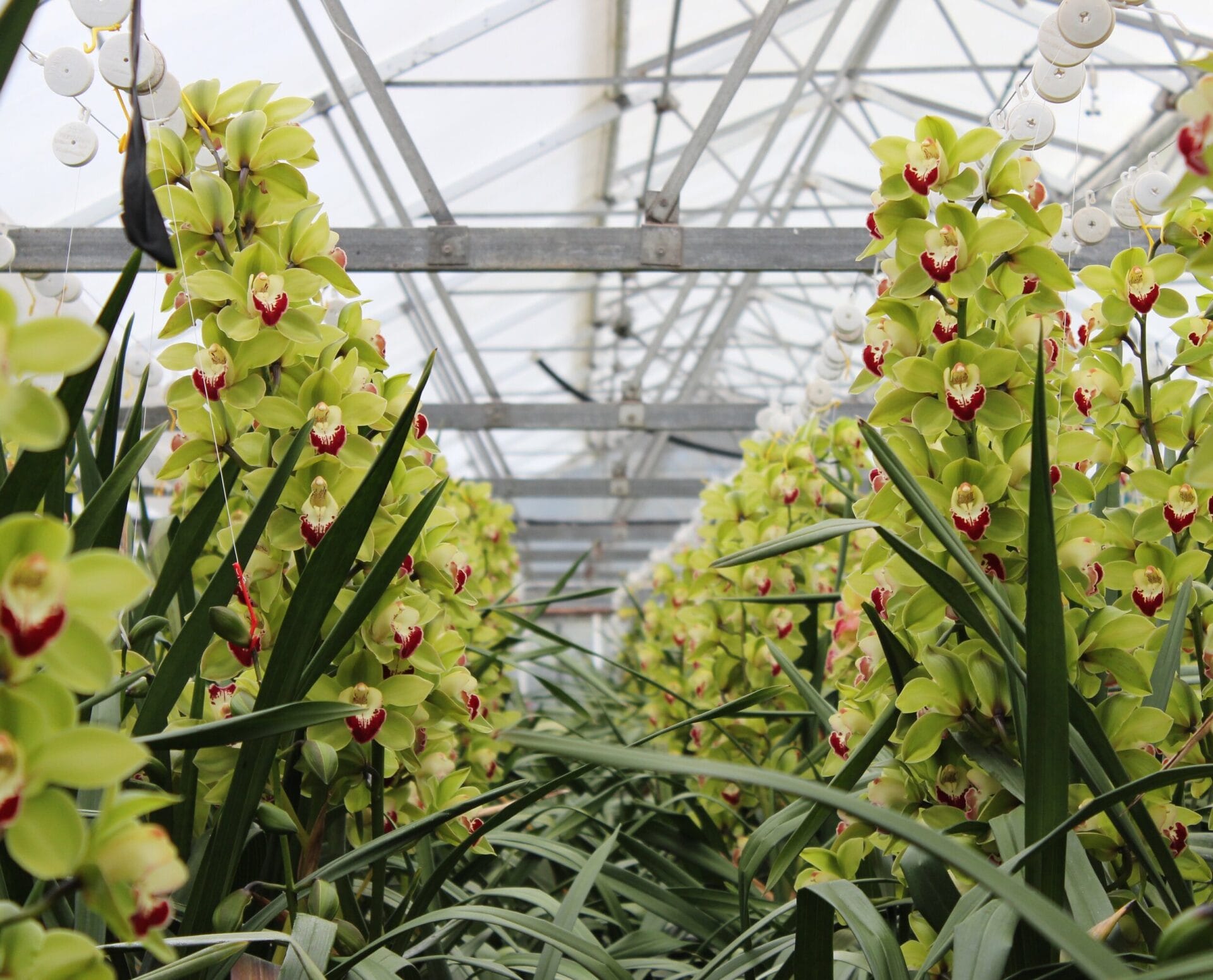
Orchids are probably the oldest cultivated flowers in the world and are used in many cultures as a flower that represents value. Green orchids symbolise good health, long life and strength, while white orchids symbolise innocence, elegance and respect. They are a flower of substance and are really long lasting.
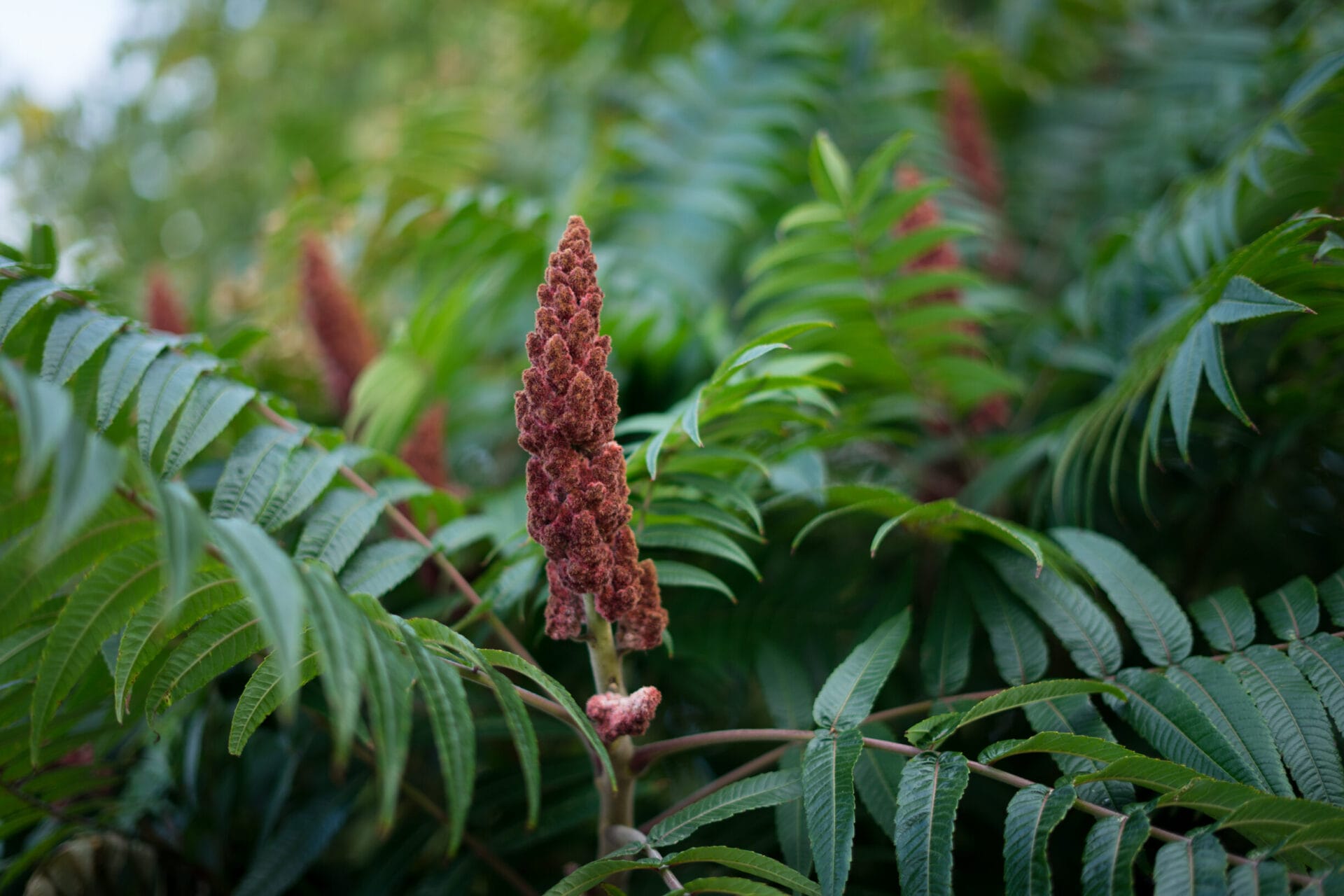
Sumac has a long culinary history in the Middle East. Ground sumac is sprinkled over all manner of food. Olivia Sisson shares her story of finding and foraging this tart delight.
Liv Worsnop is a Hawke’s Bay born artist and passionate environmentalist. She found her way into the realm of environmentalism through her art studies and opportunities that arose during the Christchurch Earthquake recovery. Back in Hawke’s Bay now, Liv relishes gardening on her family’s property in the Tuki Tuki Valley.
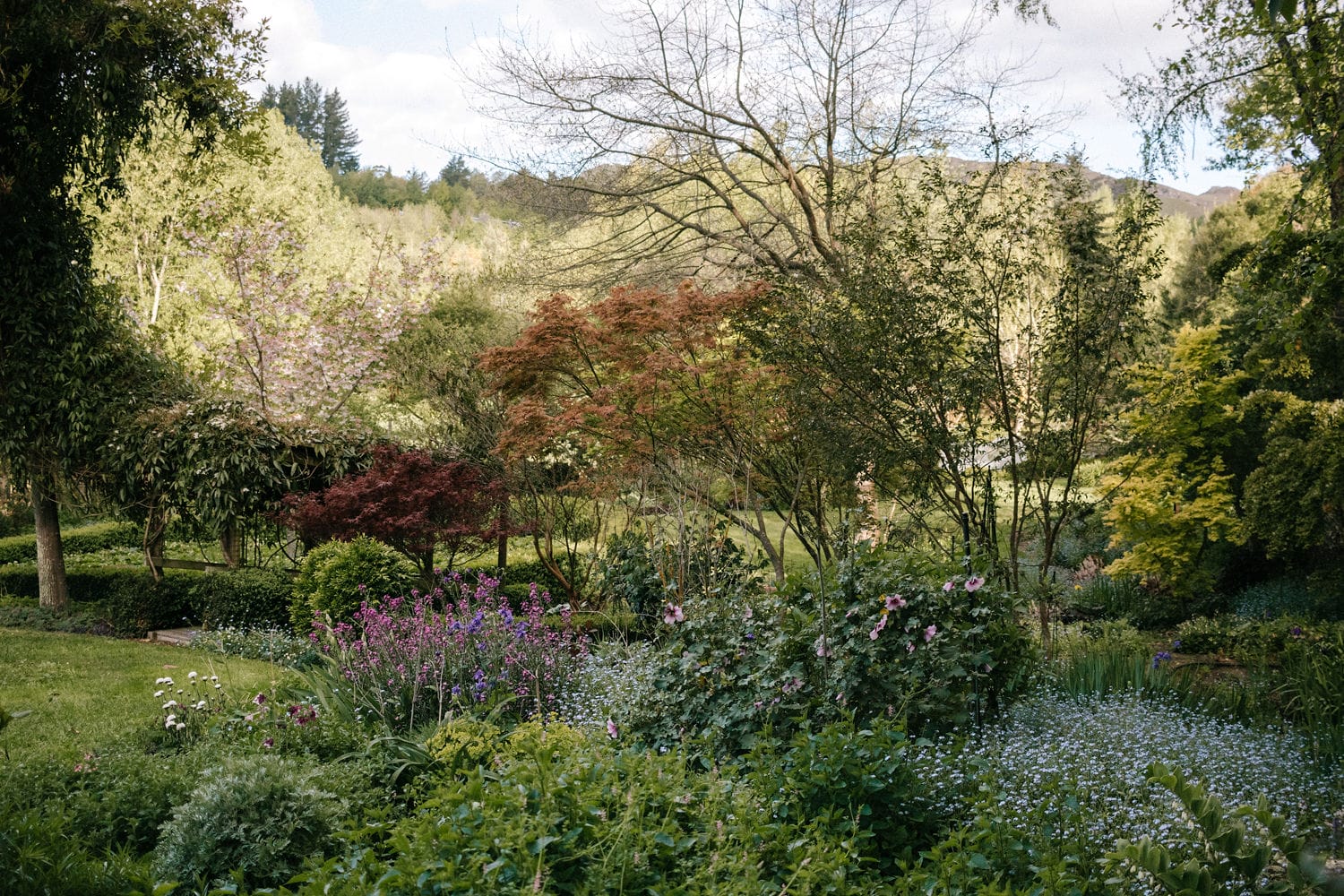
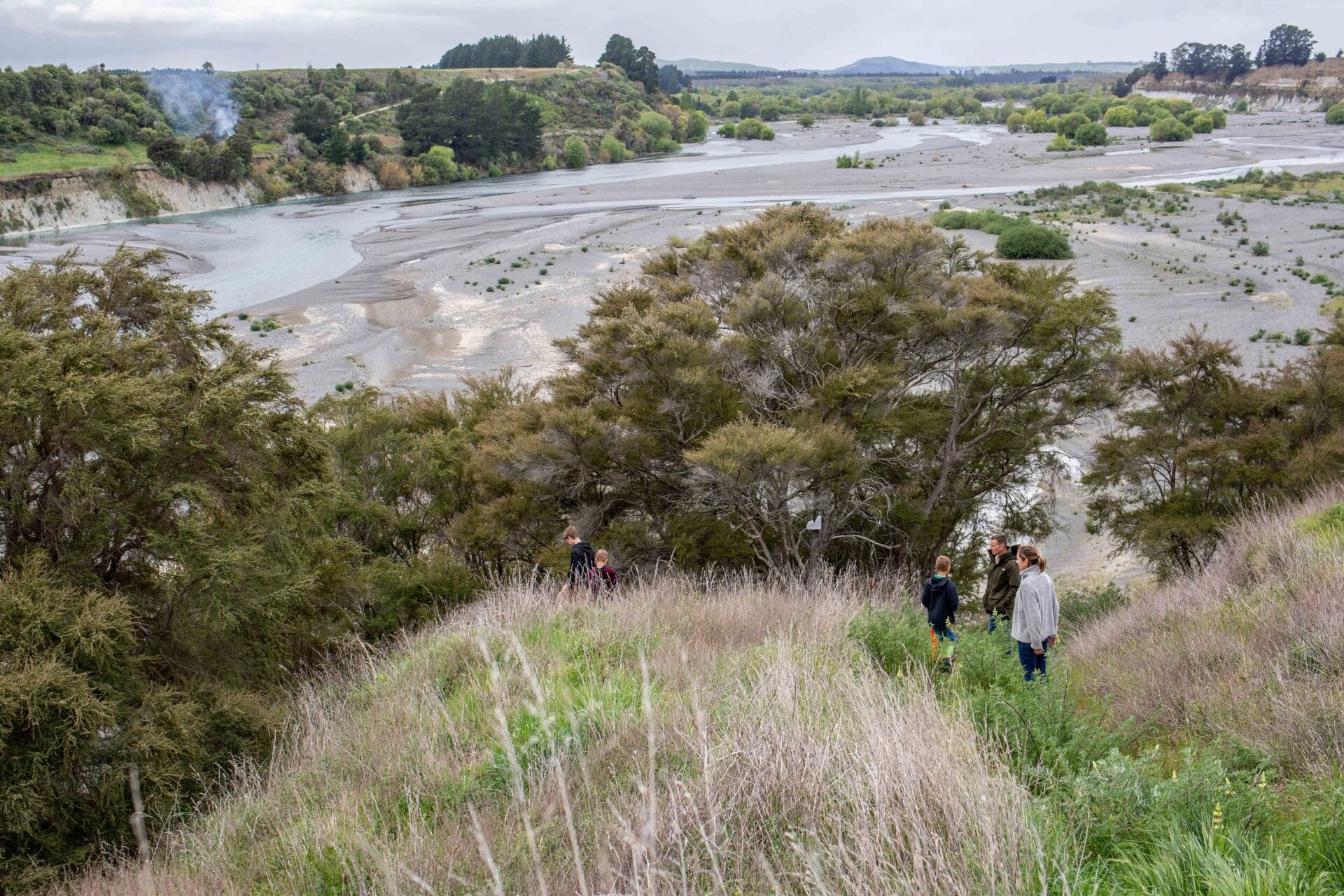
Situated on Te Mata o Rongokako in Hawke's Bay this private native sanctuary has been created by Charlie and his partner, Veronica, who dedicate much of their spare time to its care and development.
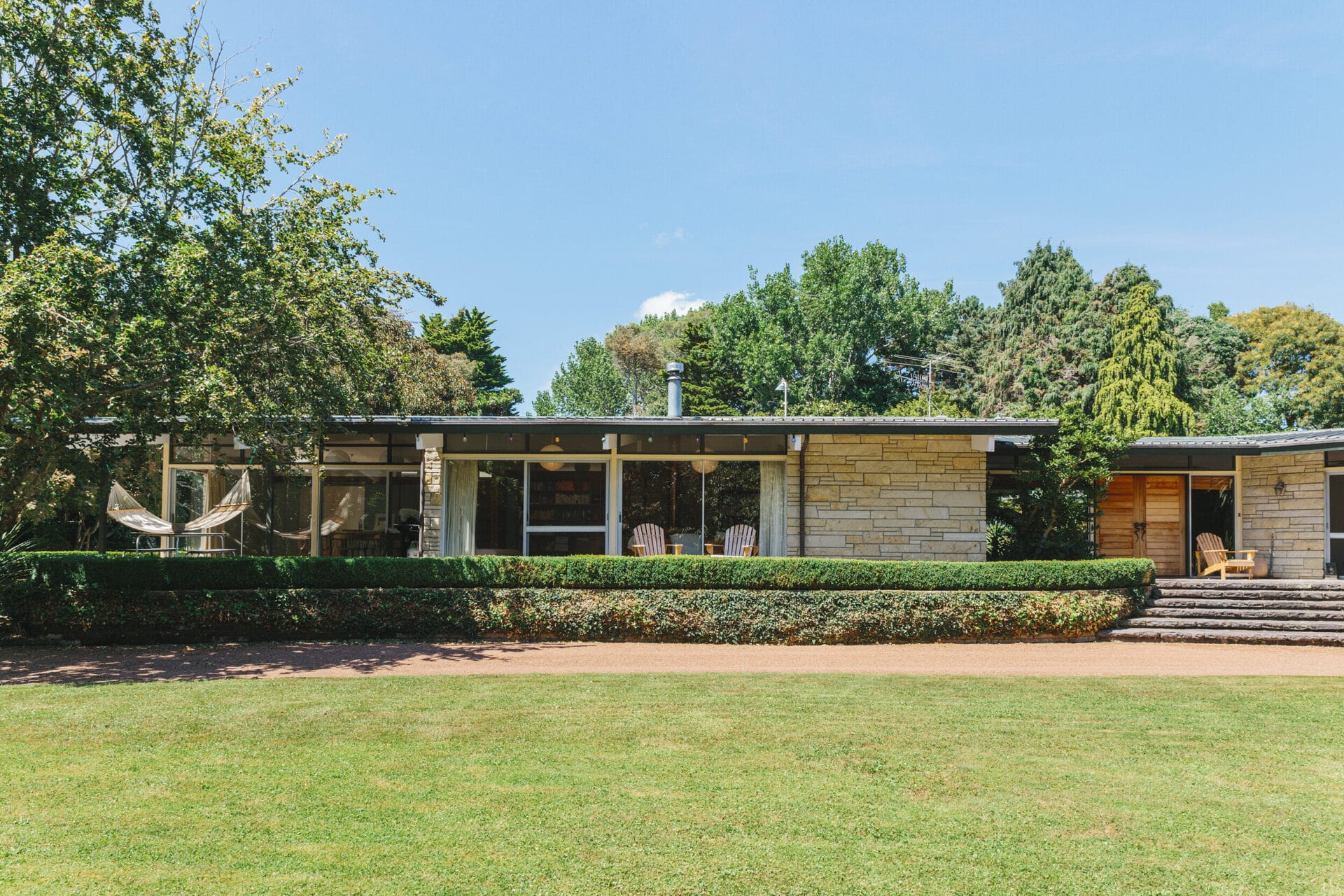
Tara Morton and Nick Walbridge are the proud owners of Waikanae’s mid-century modernist retreat — Riverbank 1965. Riverbank is a renovated architectural gem, originally built in the mid 1960s in a California ranch-style. The property consists of 1.5 acres of secluded trees and landscaping, with direct access to the Waikanae River.
Harvesting your own grapes is an enticing prospect, as a multitude of growers in the Bay will endorse. Rod and Emma Easthope have been entwined with grape growing and winemaking since they were children. So they should know. Their story is one of respect for the land, their craft and family life.