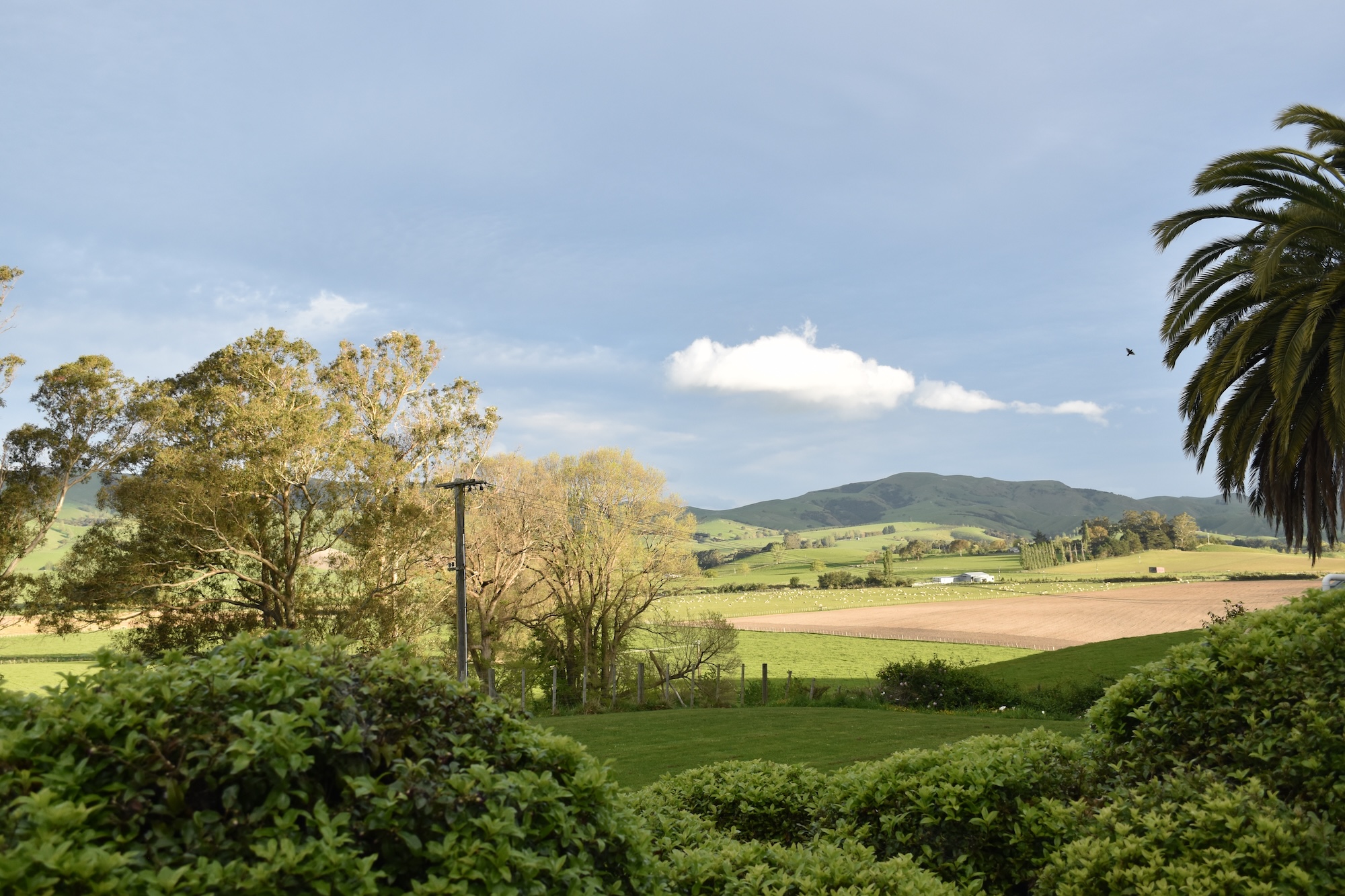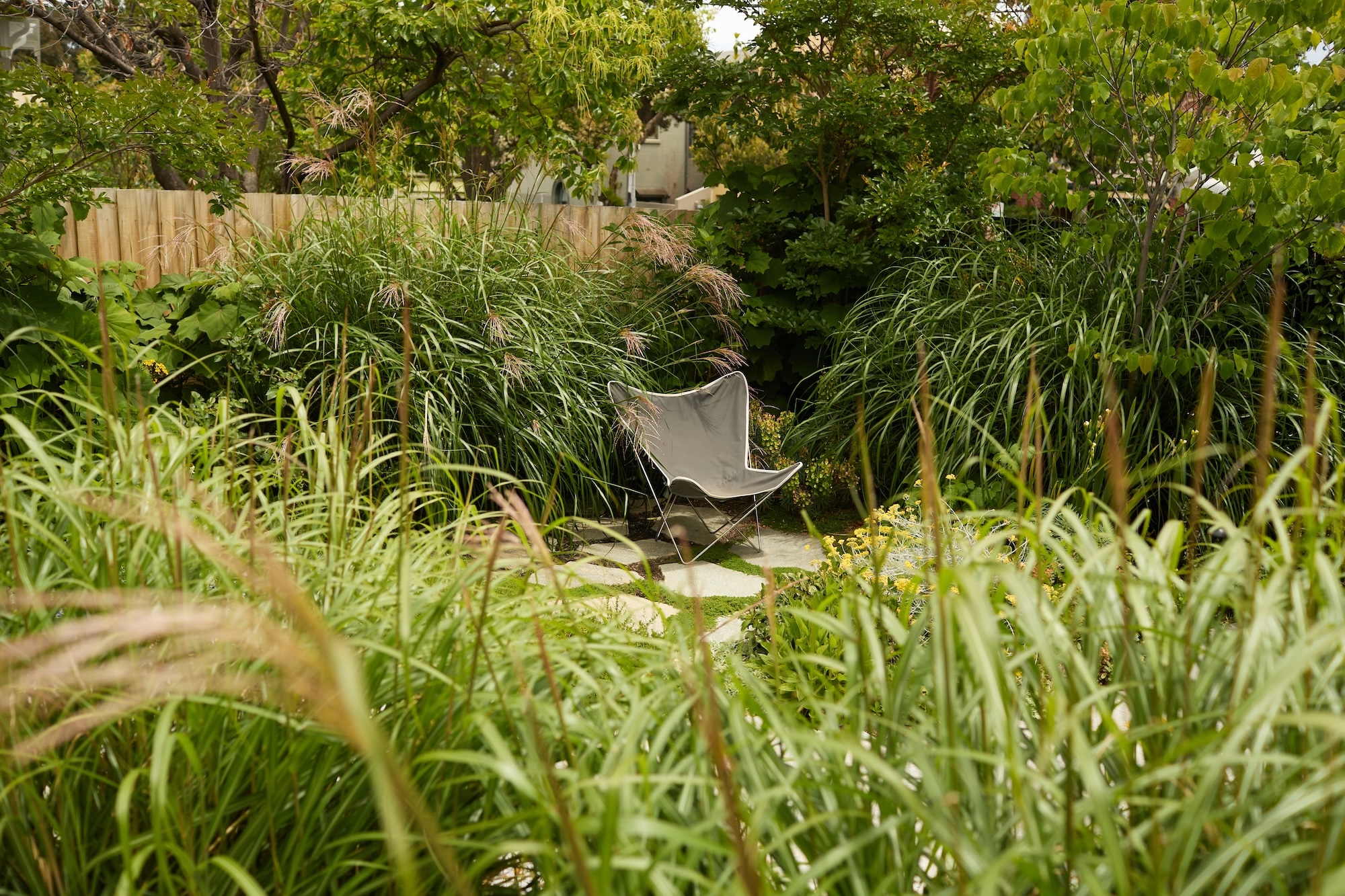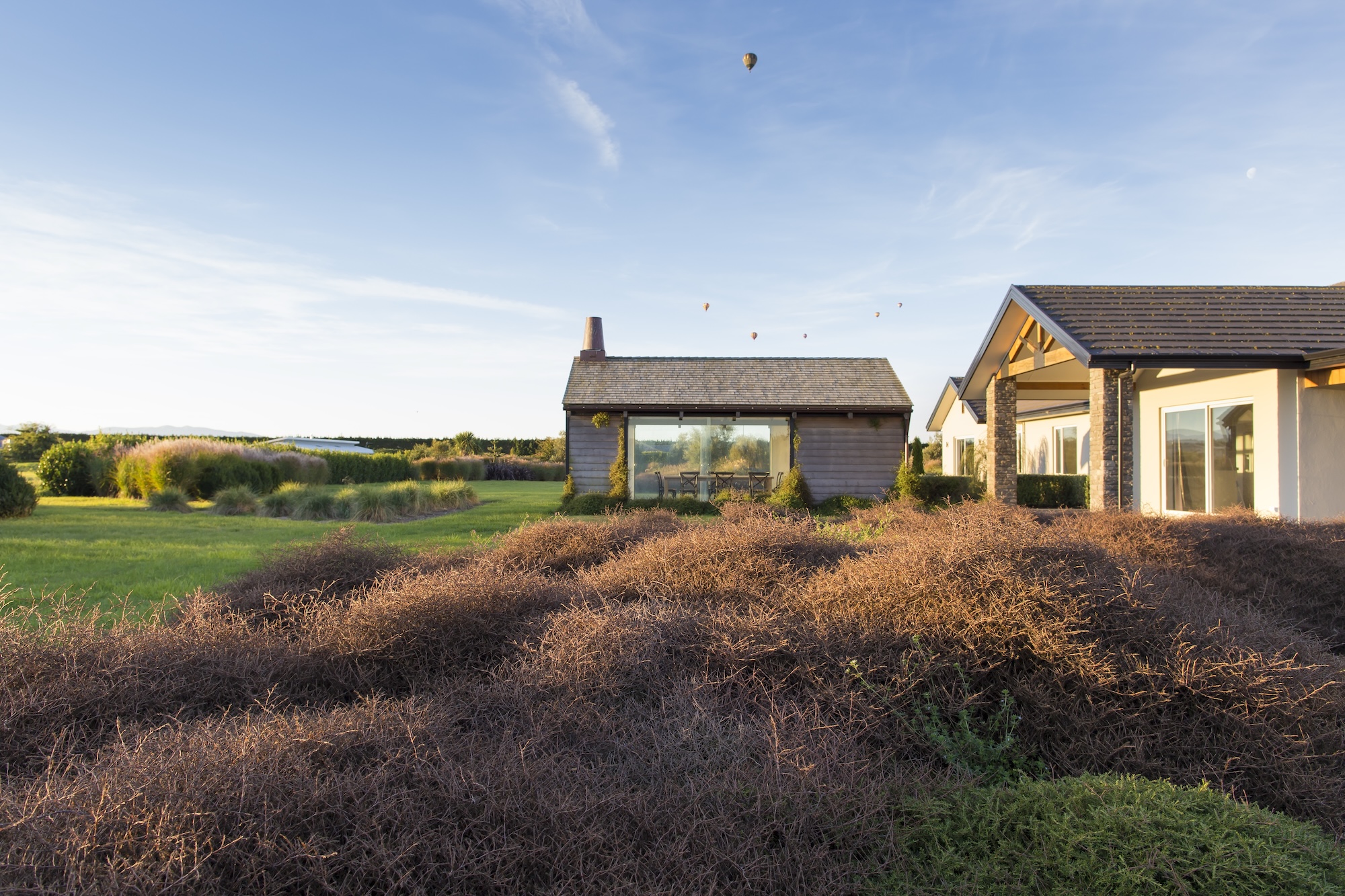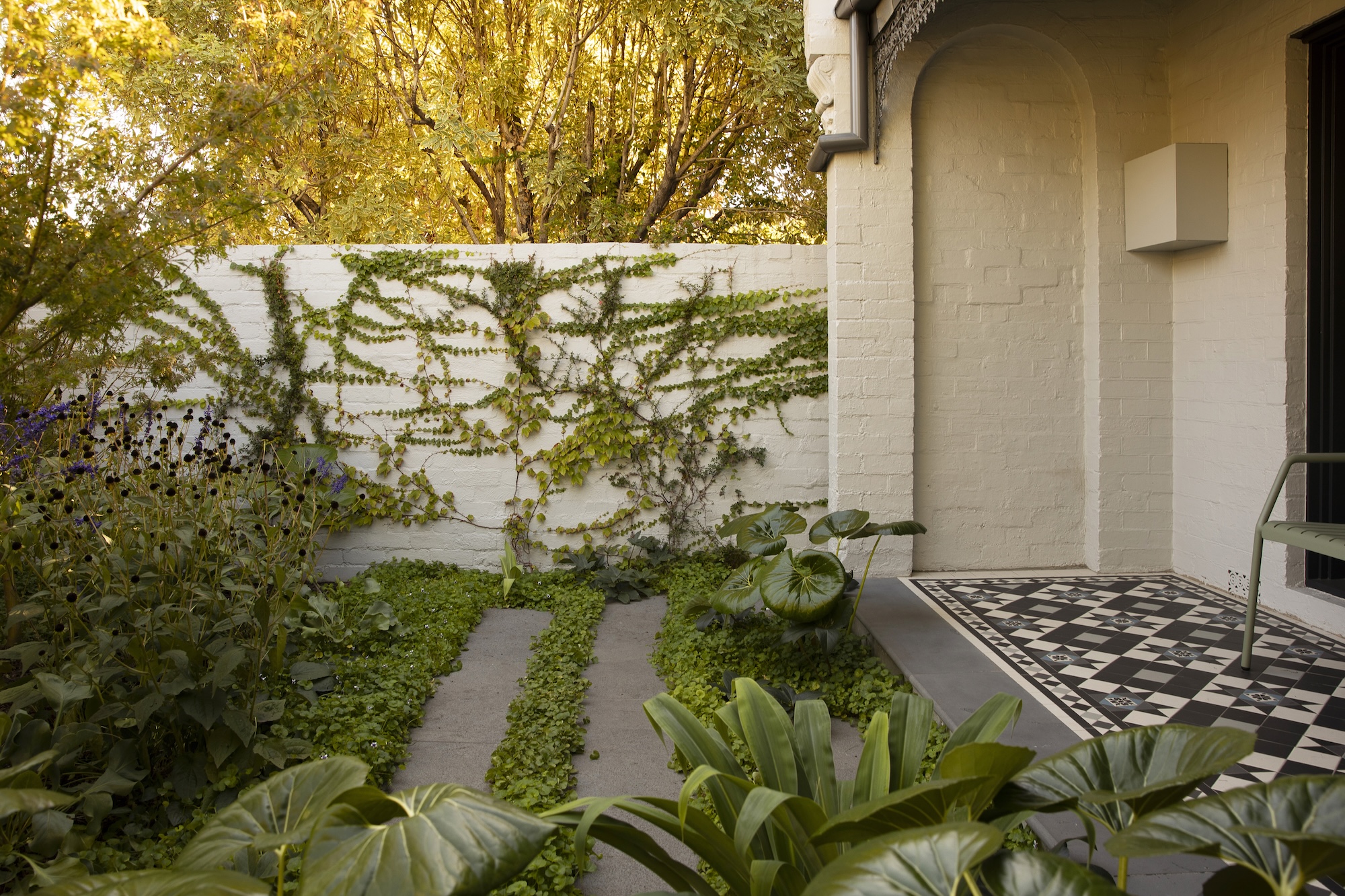

At Glendower, a historic Martinborough property now open to the public, Jen Pudney has spent years uncovering an old garden while allowing a new one to evolve. Increasingly, that means making space for butterflies, insects and the plants that find their own way in.
Glendower garden is open to the public through Secret Gardens.
When Jen Pudney and her partner Tim arrived at the 25-acre property on Ponatahi Rd, the garden had to wait. At its centre stood a homestead dating back to 1864, and for their first three years almost all their attention went into restoring the house.
Surrounding it, parts of the garden had disappeared beneath decades of growth. A path to an enormous 1930s swimming pool was blocked by invasive growth, while an old rock garden had vanished beneath blackberry.
Today, Glendower is still shaped by its past, but Jen has little interest in returning it to a particular point in history. Her approach is increasingly about observing what happens naturally and accepting that a garden changes. A recent focus is the butterfly garden, which reaches its peak in the warmer months, with planting and habitat designed to support butterflies and other wildlife throughout the seasons.
Finding the garden
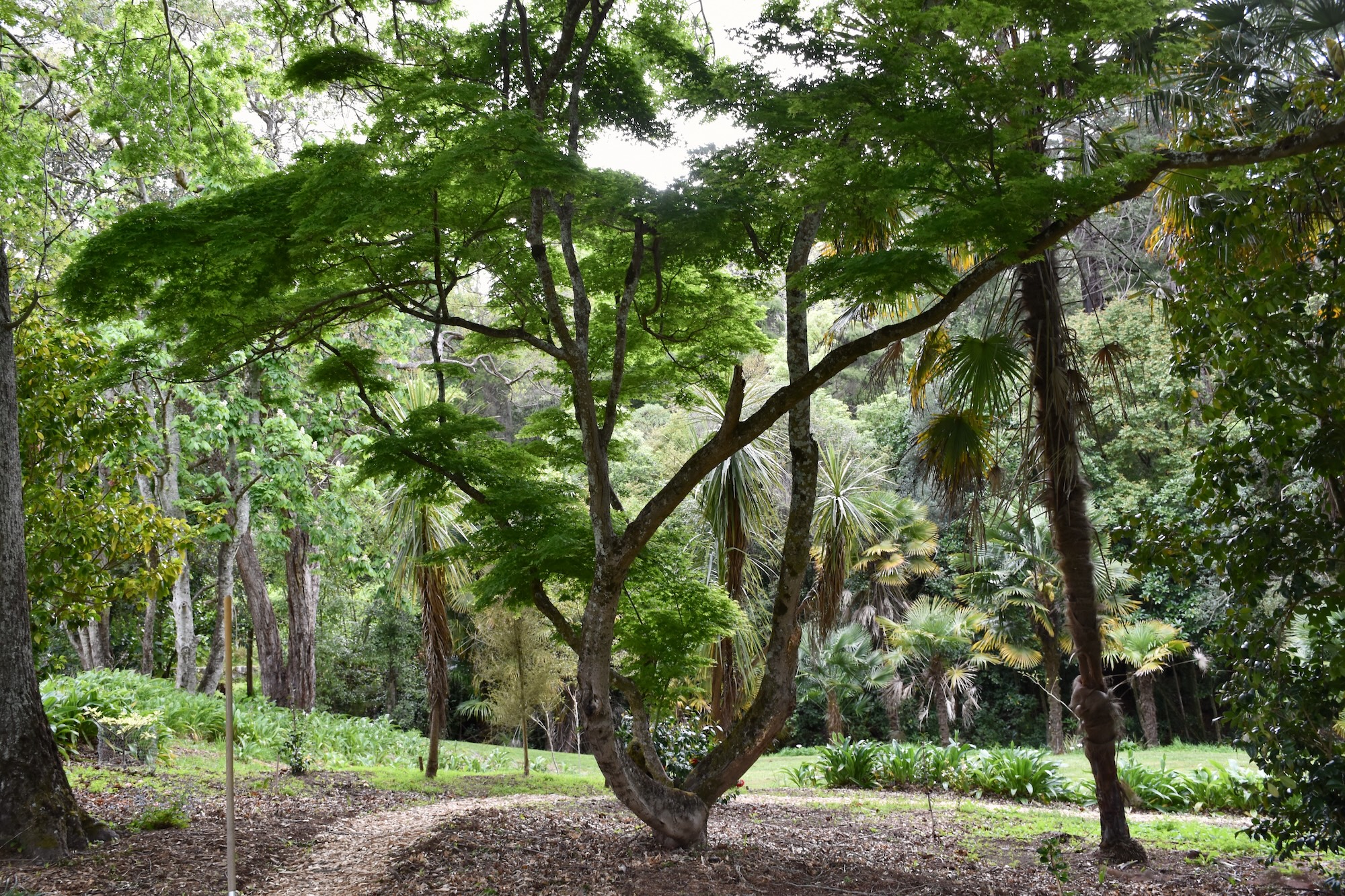
A written history of Glendower has helped Jen piece together what came before. In the 1930s, Wellington architect Edward Lavelle remodelled the house in the Californian bungalow style and developed formal plans for the landscape. Very little survives. Four oaks remain, along with two phoenix palms and an unusual pūriri. Magnificent 90-year-old redwoods are another commanding presence.
When Jen finally turned her attention outside, there was no quick transformation. For four years, a contractor worked one day a week to clear the overgrowth with a commercial chipper.
Gradually, old structures reappeared: the swimming pool; the uncoursed rubble walls, rebuilt by restoration stonemason Stuart Griffith; and Lavelle’s poolside rock garden, which emerged from blackberry up to four metres high and was excavated and reconstructed by Stuart and sculptor Andrew Gordon.
Working with nature
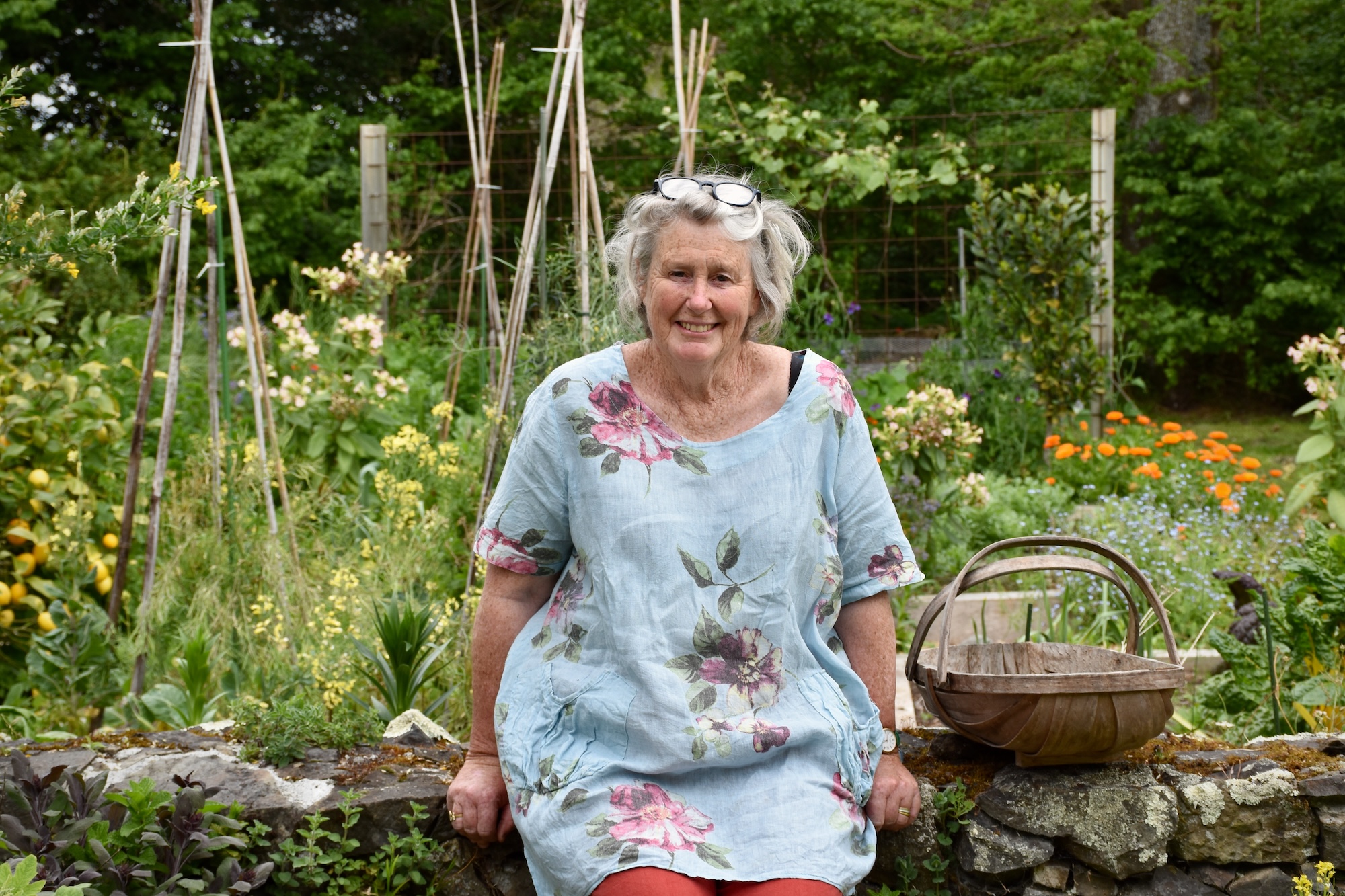
Growing up in Lower Hutt as one of five children, Jen was introduced to gardening by her mother, who gave each child a small patch of ground. But it would be decades before gardening became central to her life.
That happened in her 40s, when she started a school vegetable garden as a way of being involved in her daughter’s new school in Wellington. One garden bed became ten. Jen went on to complete a permaculture design course and, by the time the family moved to the Wairarapa, land for a substantial garden had become non-negotiable.
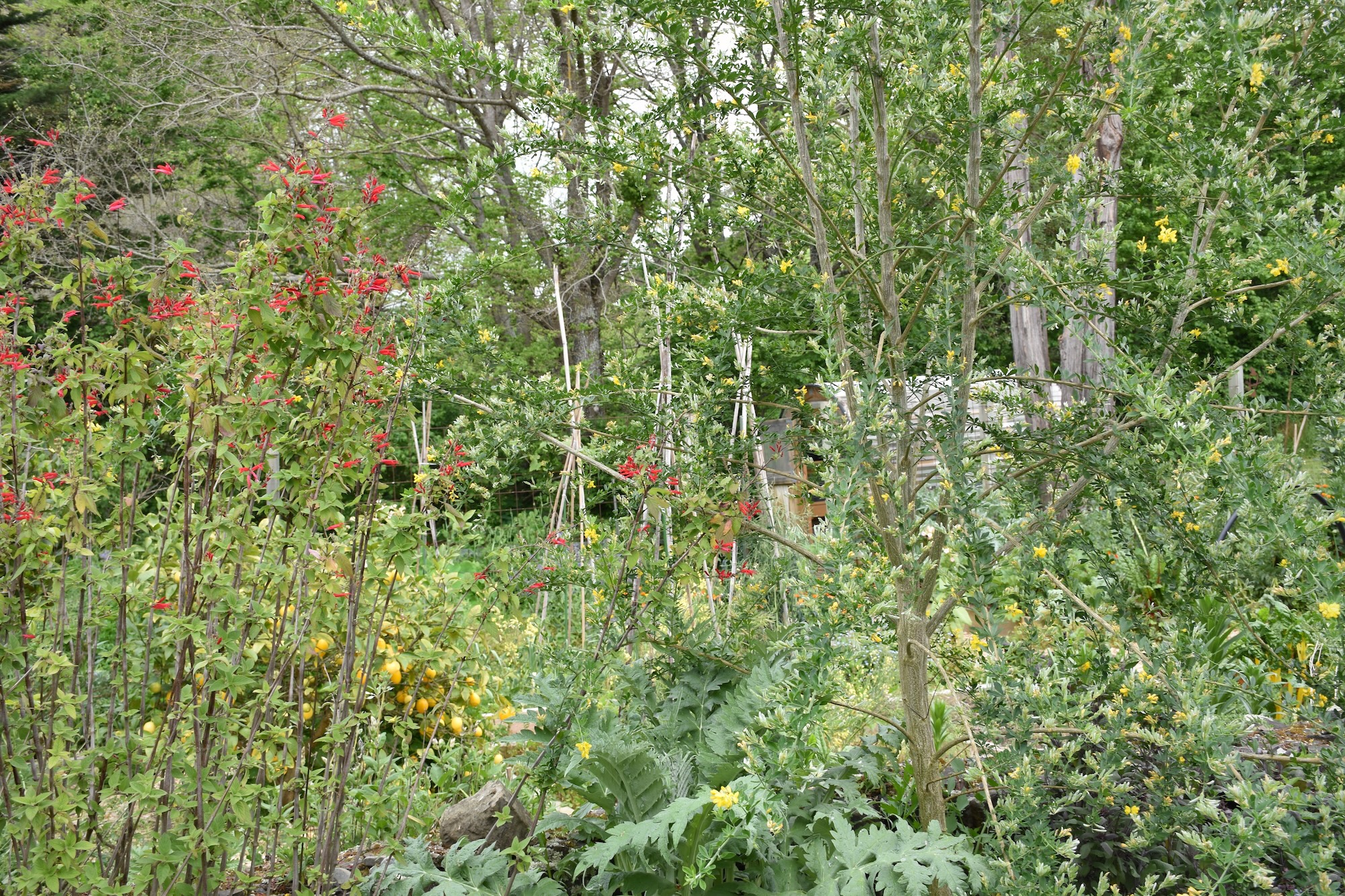
Initially, much of her attention was on growing food. Over time, her thinking shifted. “I’ve gone from being really veggie focused to wilding,” she says. Rather than imposing a predetermined idea on the land, she is increasingly interested in seeing what the site wants to do and then editing it. “I think I’m learning to work with what nature’s doing and make it fit my aesthetic rather than trying to bend nature to my will.”
That approach has changed what Jen allows to remain. Buttercups and onion weed are sometimes given room to spread. Seen individually, they may be dismissed as weeds; allowed to appear en masse, Jen finds something entirely different in them. Her professional background as a textile designer also influences the way she gardens. Accustomed to thinking in pattern, repetition, density and scale, she makes planting decisions instinctively. “I can visualise a space,” she says. “I don’t need to draw it.”
From pool to pond
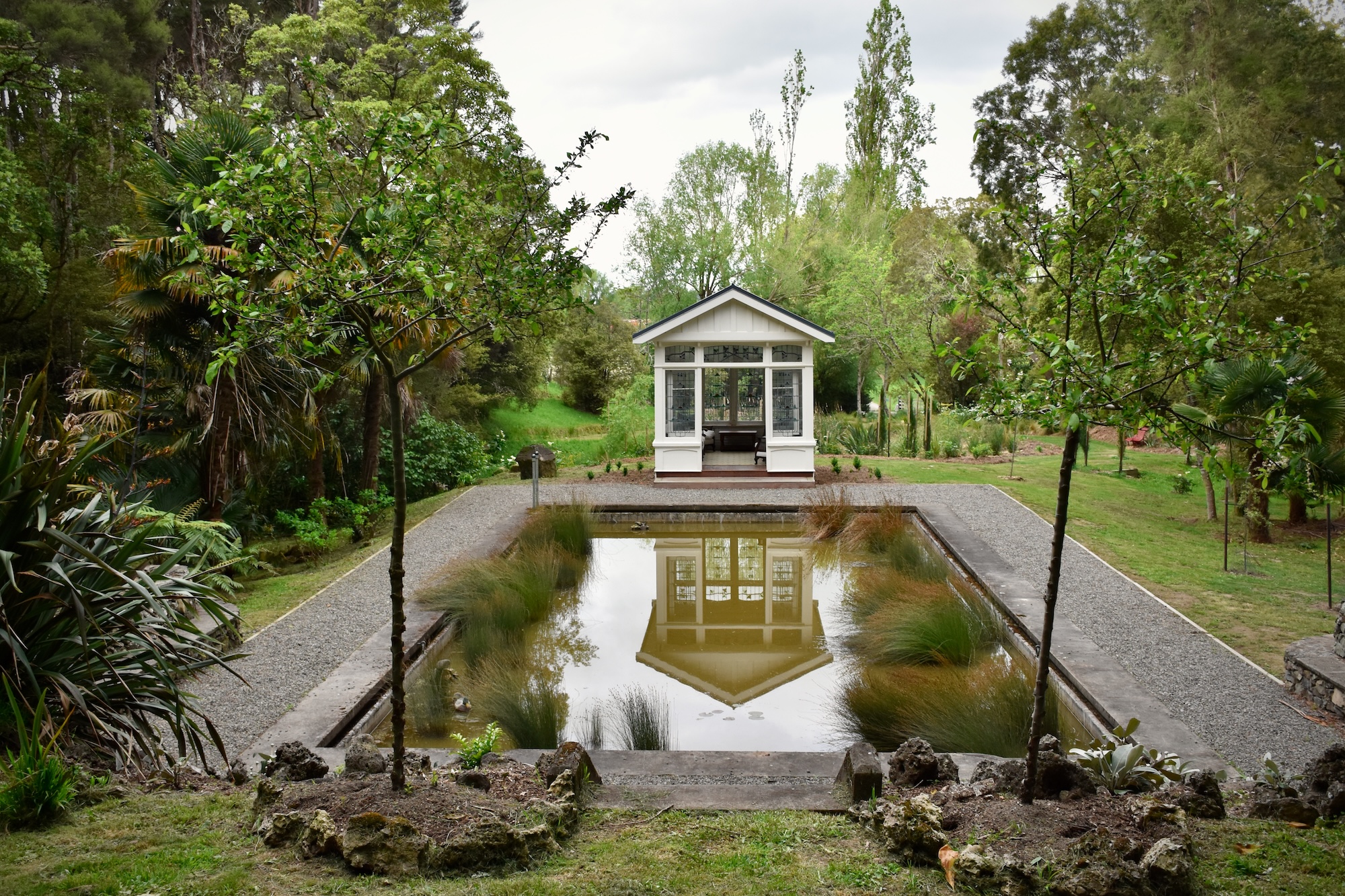
Few parts of Glendower demonstrate Jen’s adaptive approach better than the old swimming pool. At around 18 metres long, 8 metres wide and 2 metres deep, it was dug in the mid-1930s using a horse and plough and was originally filled from a farm dam. Restoring it was prohibitively expensive, while leaving a deep empty structure meant it needed to meet modern pool-safety requirements. Jen’s solution was to change its purpose completely.
A temporary access road was created and 15 truckloads of gravel brought in to raise the floor, transforming the pool into a pond just 40 centimetres deep. Glendower relies almost entirely on rainwater collected from the house roof. During wetter periods the pond fills; in summer, evaporation can transform it into something closer to a dry stone riverbed.
The butterfly garden
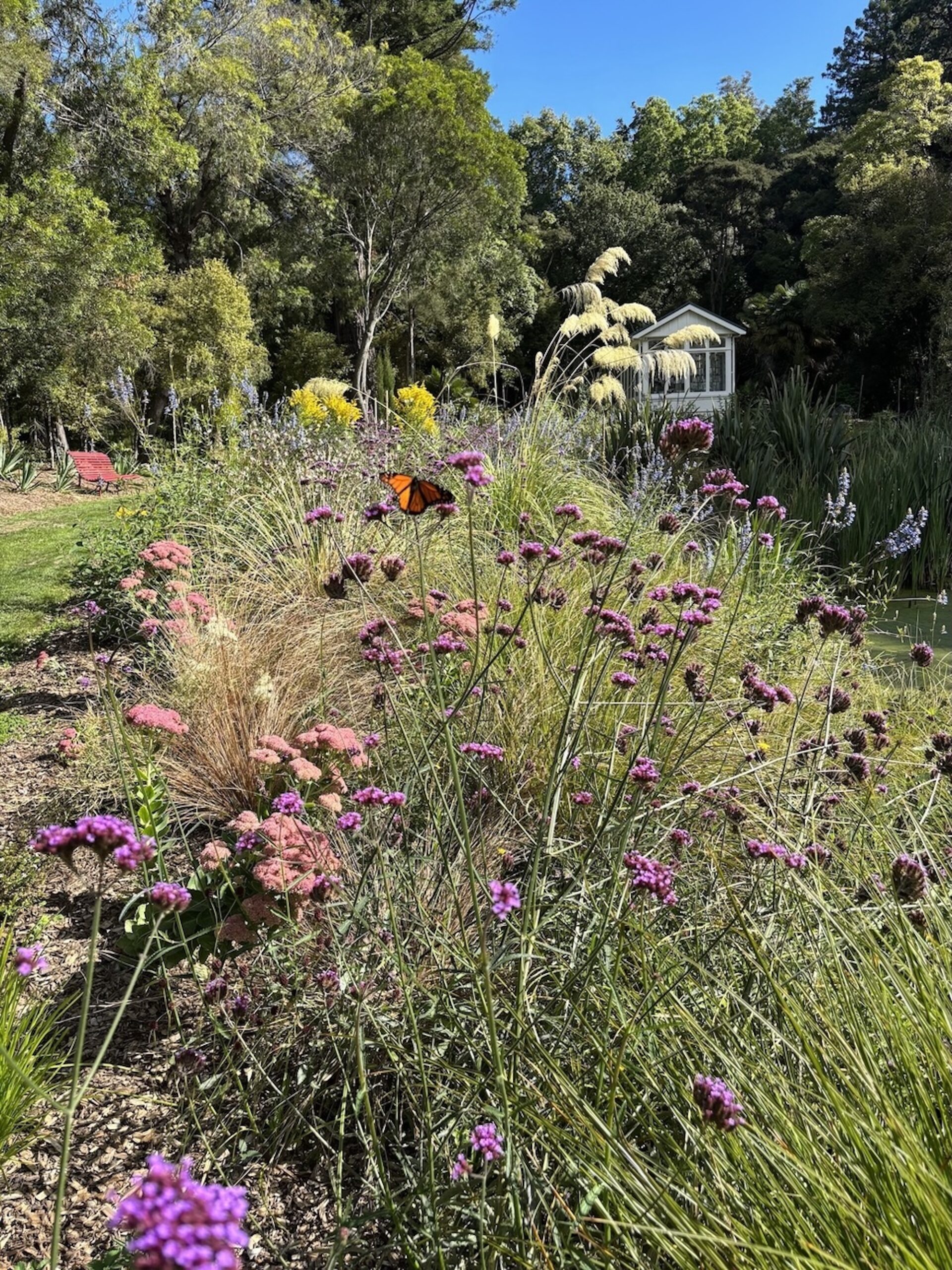
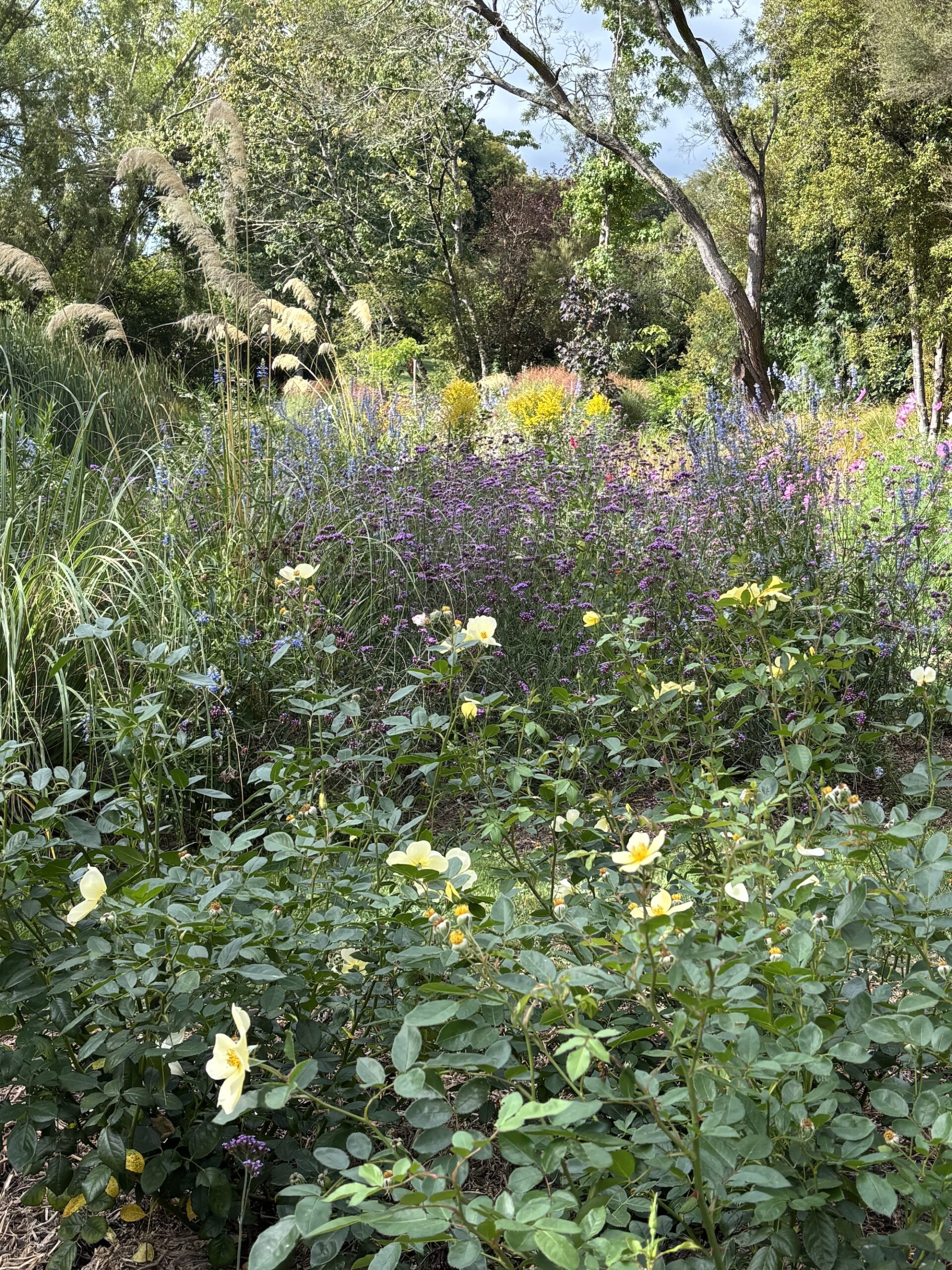
Beside the former swimming pool is a separate man-made pond, its banks planted in a much wilder style. This is where Jen has recently established a butterfly garden, now officially certified by the Moths and Butterflies of New Zealand Trust.
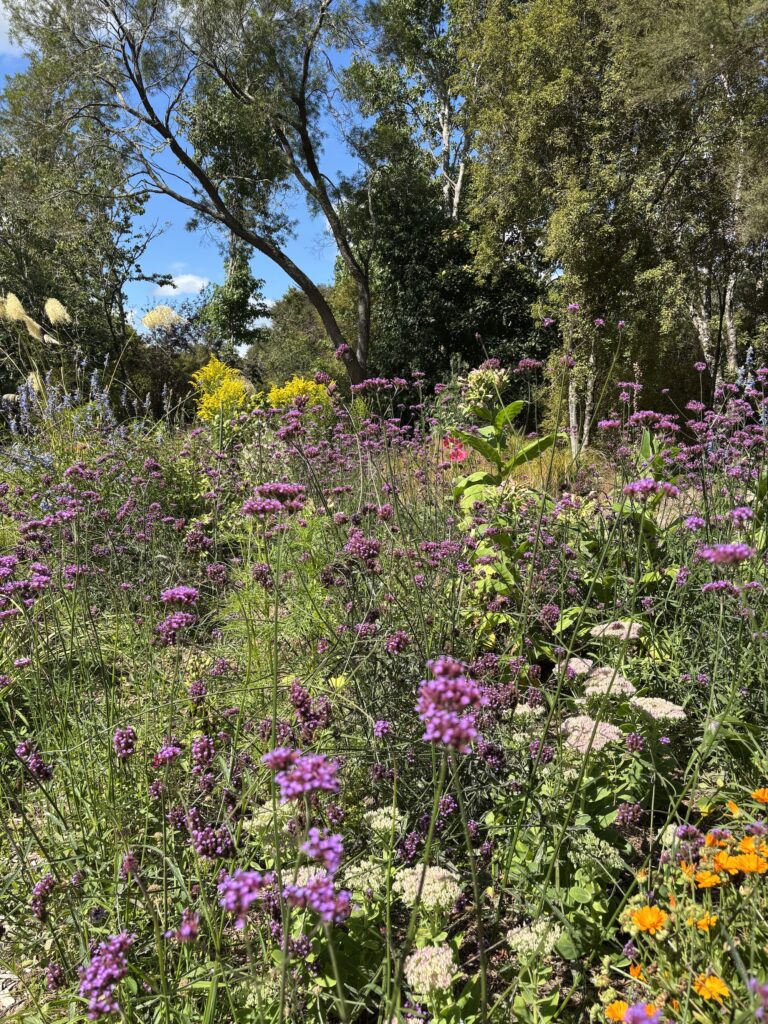
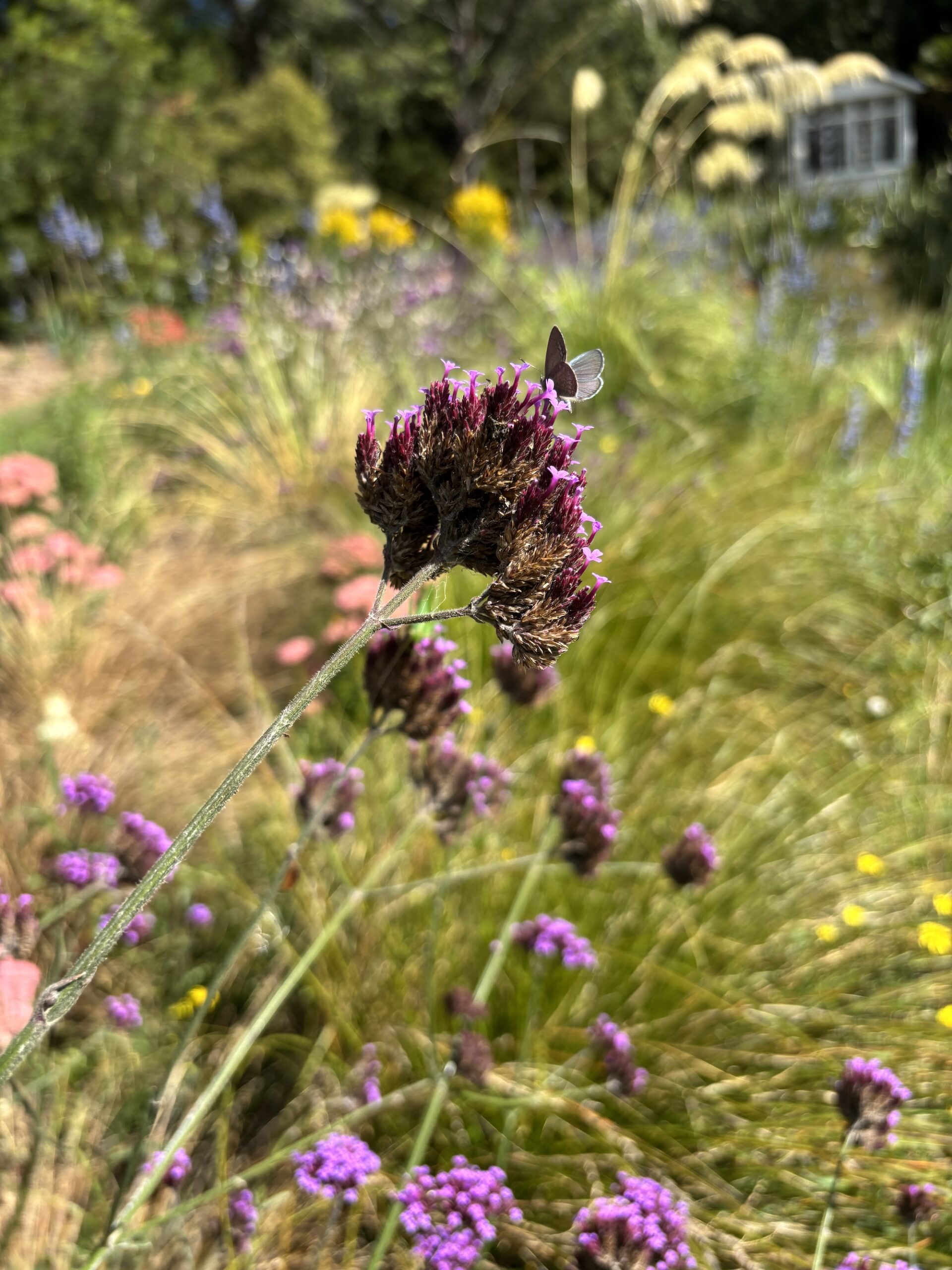
Nectar-rich and pollinator-friendly plants grow in abundance around the water, with Verbena bonariensis proving a particular favourite. The garden is at its most active in the warmer months, but the planting and habitat have been developed to support butterflies and other wildlife throughout the seasons.
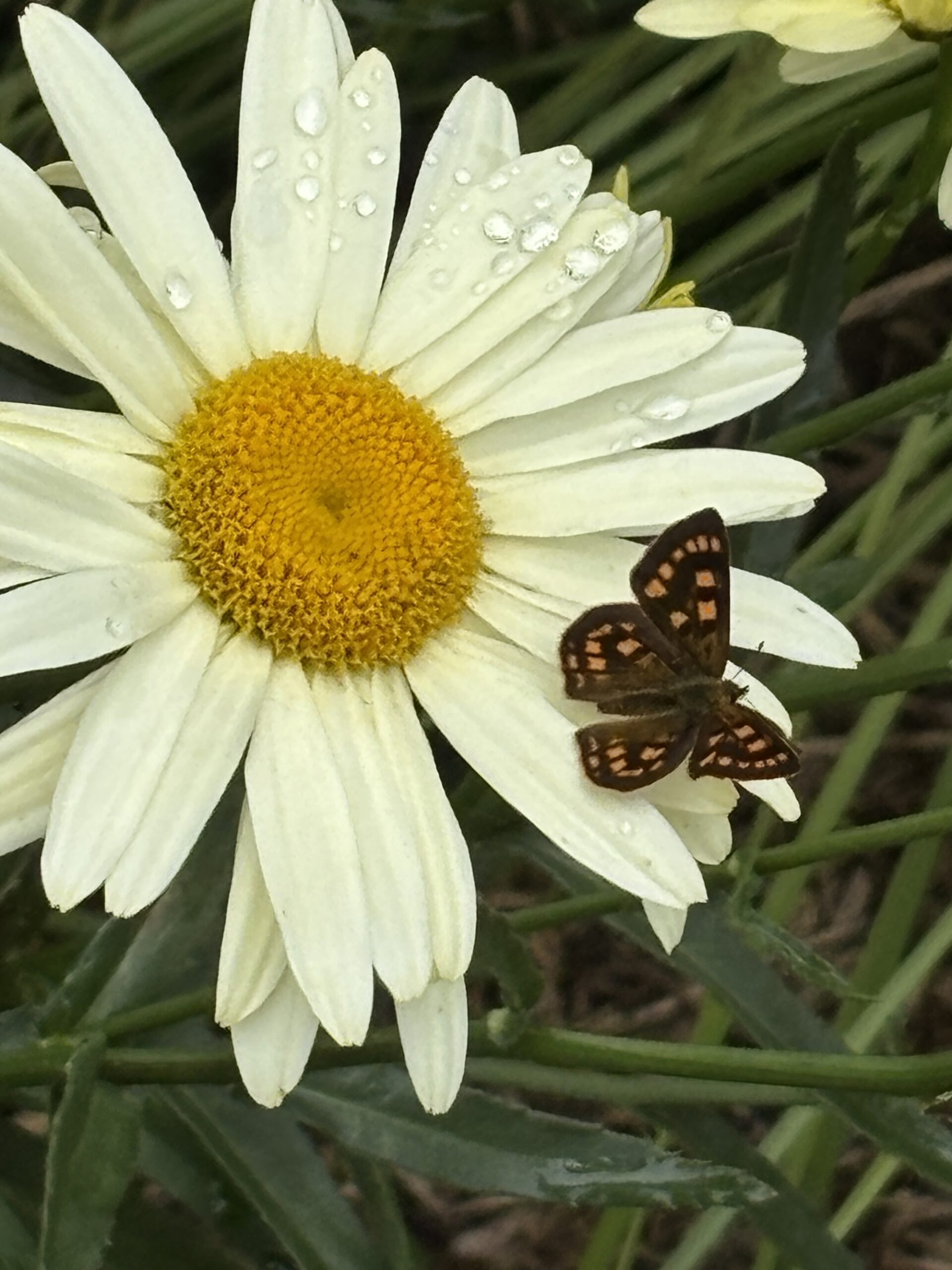
Jen has recorded seven butterfly species at Glendower, including monarchs, red admiral or kahukura, yellow admiral or kahukōwhai, common blue, common copper, glade copper, and of course the cabbage white. She has been creating habitat for the boulder copper in the hope of attracting this rarer native. The looser planting around the pond sits naturally within her broader approach to the property – allowing plants and wildlife more room rather than keeping every part of the garden tightly controlled.
A personal project
At one end of the former pool stands another structure carrying its own history. After Jen’s father died, she came across an old glass building for sale on Trade Me for $7,000. Her father, who had dementia, had talked about restoring a chapel, and buying it became a way of taking on the kind of project he had hoped to undertake.
Dating from around 1910, the glass building was erected on the grounds of what later became The Wilson Home for disabled children, and from 1940 was used as a winter schoolroom for children with polio. It was in Matakana when Jen bought it, and the journey south left all 20 leadlight windows needing to be removed and repaired for cracks.
Back in production
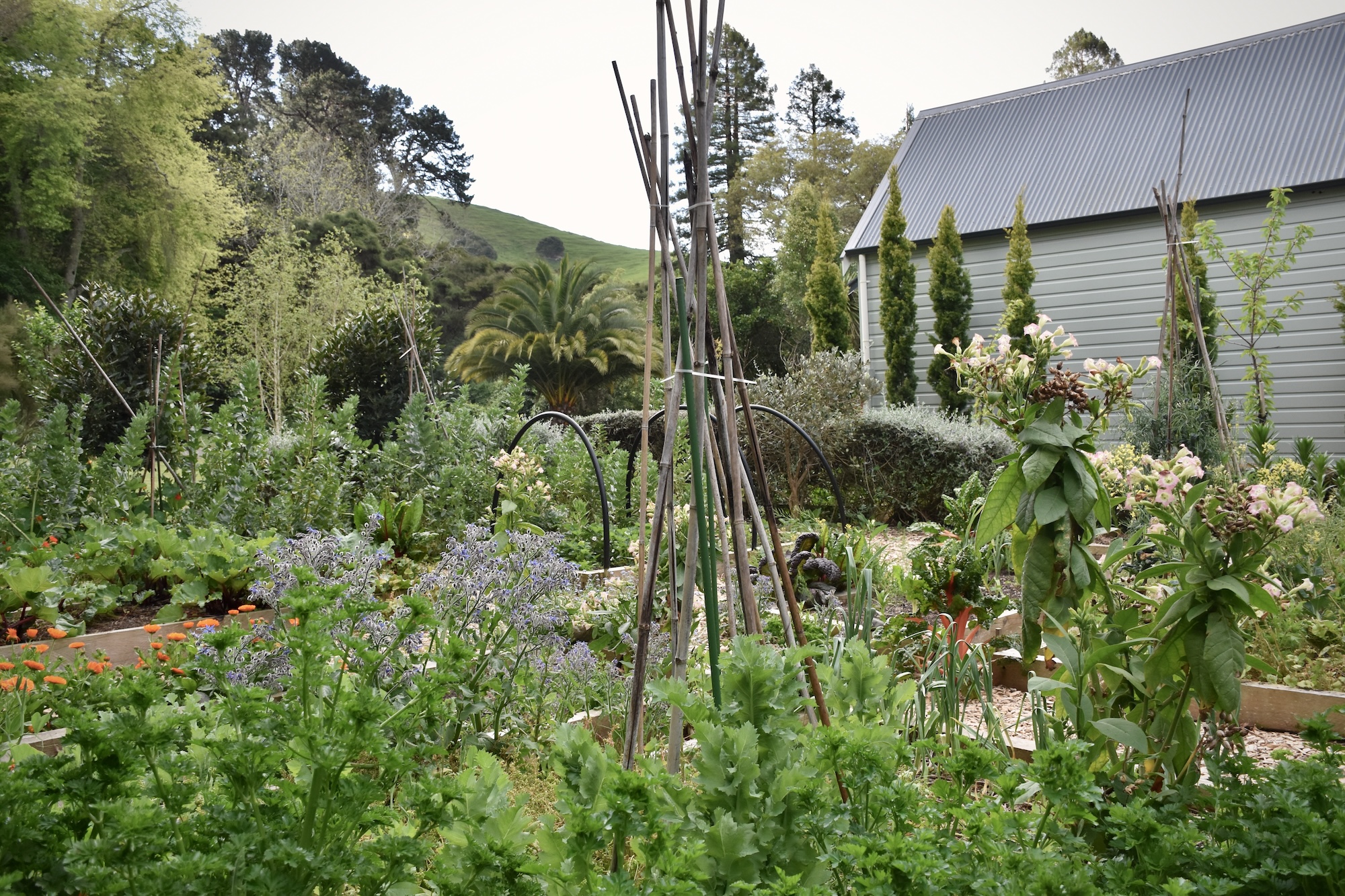
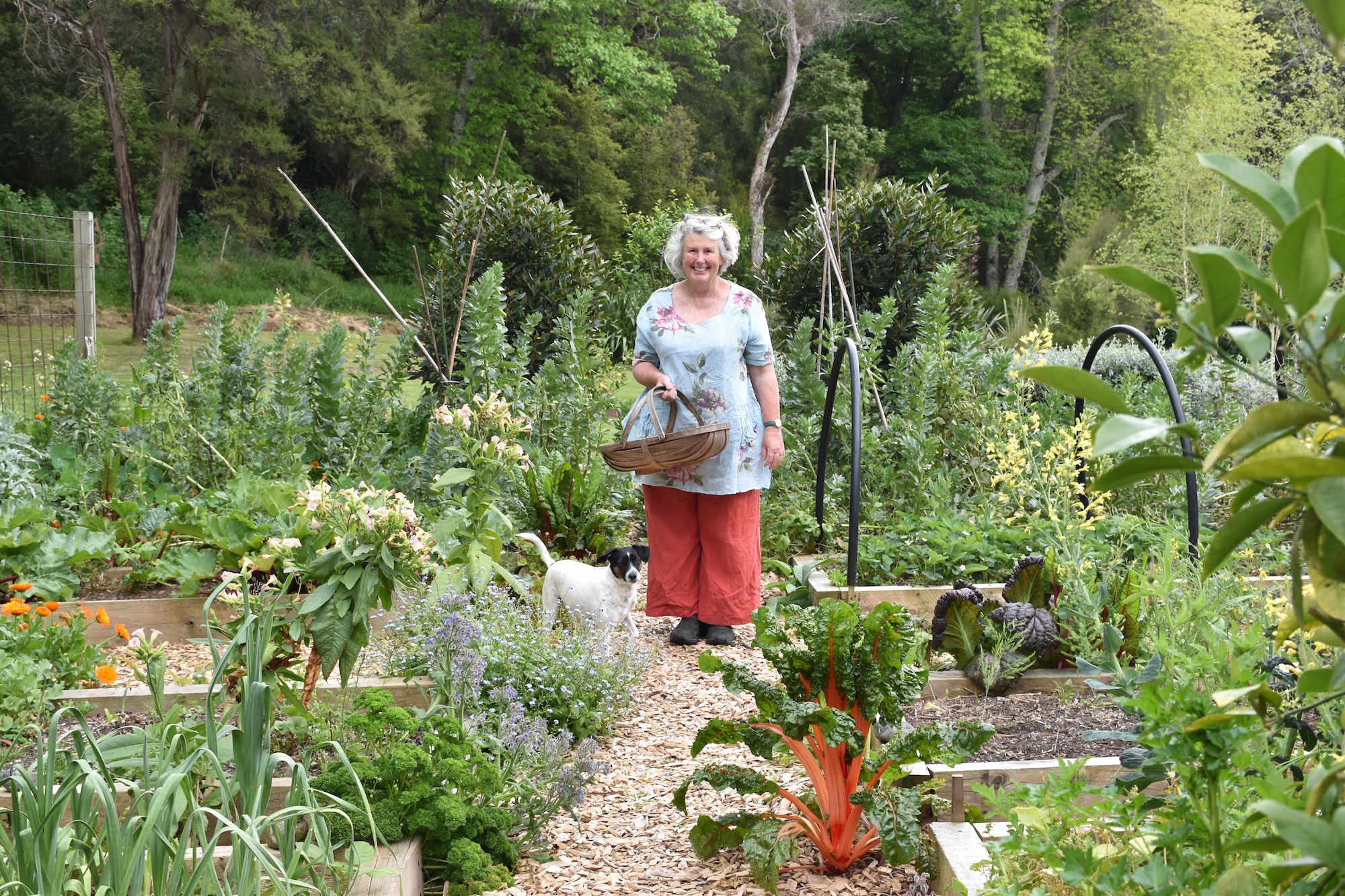
Tucked behind the homestead, an abundant vegetable garden now fill what was once a barren expanse of shingle. Jen later discovered that she had unintentionally returned the productive garden to its original location, once used to grow food for around 20 farm workers. Part of an original L-shaped stone wall survives and Jen is extending the sense of enclosure with a teucrium hedge.
Water scarcity determines what she grows. Glendower collects its domestic water from the roof and has only limited emergency access to farm water, making extensive irrigation unrealistic. Jen concentrates on herbs, strawberries, asparagus and other crops that are expensive to buy or useful to have nearby. She also grows tall climbing beans even though her family rarely eats them, simply because she likes the height and structure they bring.
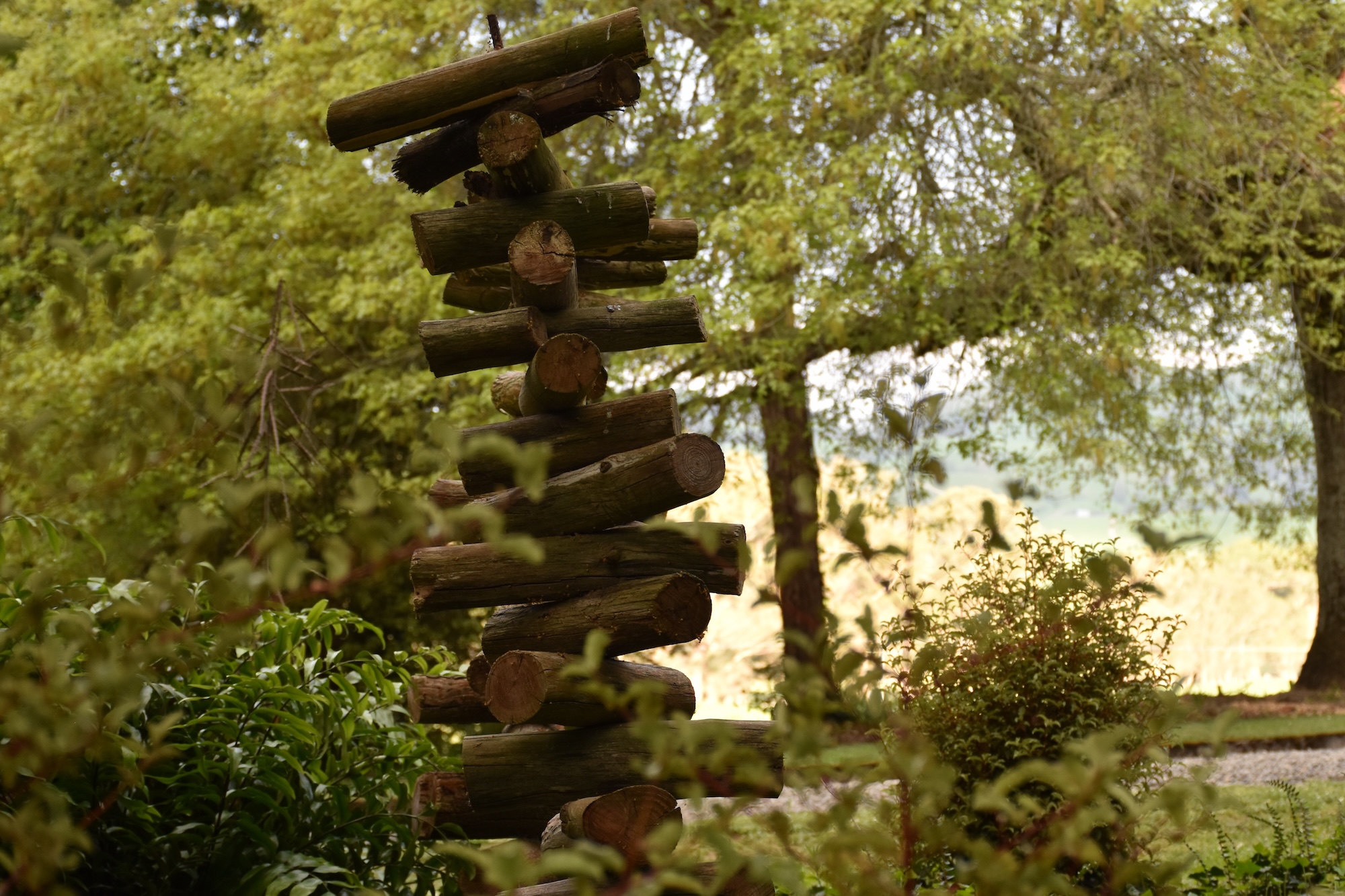
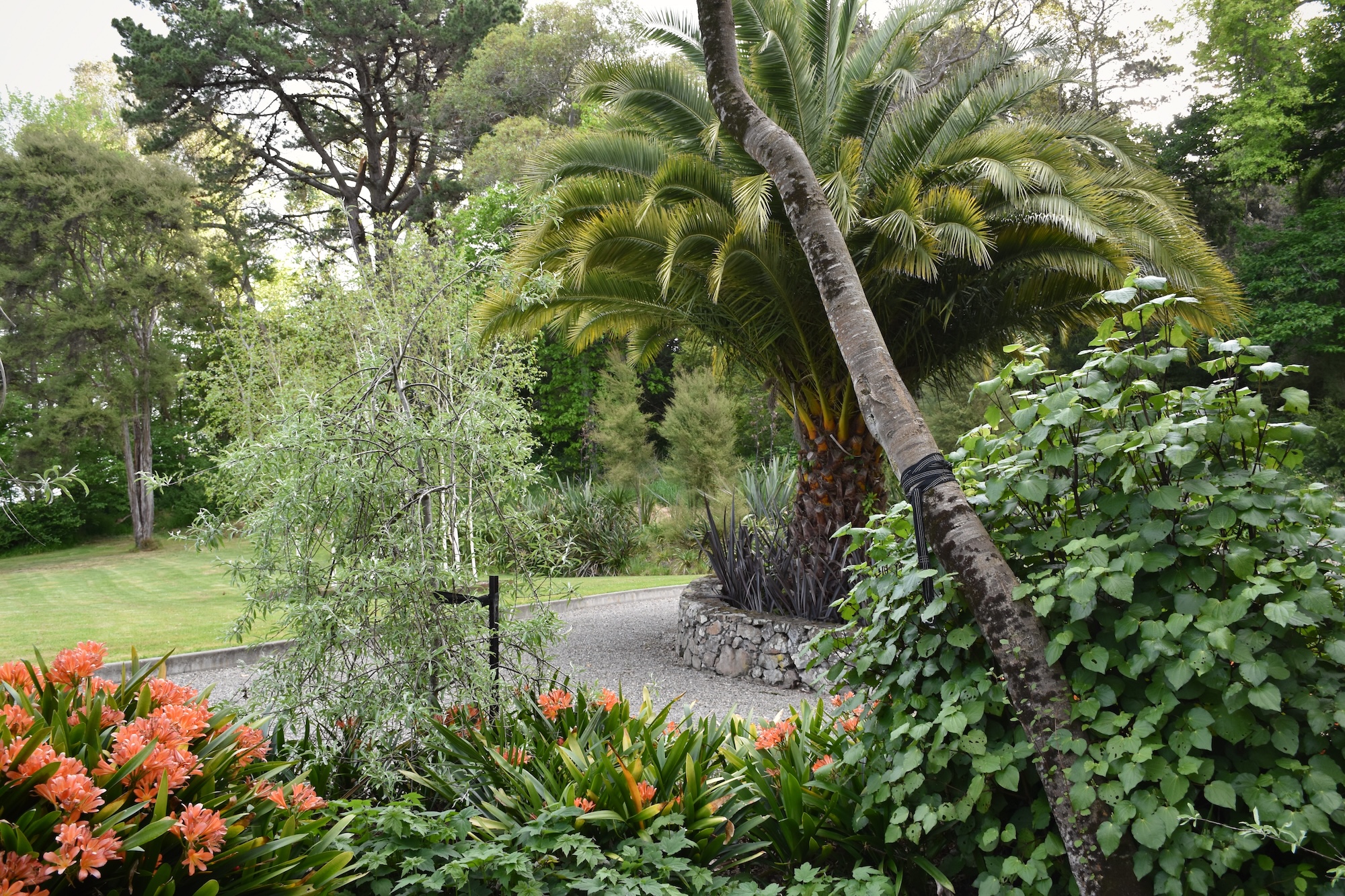
Jen sees gardening here as an ongoing process of watching, responding and stepping in when necessary. As the property changes, so does the way she gardens it – deciding what to encourage, what to edit and what to leave alone. On land that has already evolved over more than 160 years, she is comfortable allowing the next version of the garden to emerge gradually.
—
Glendower is part of Secret Gardens where visitors can explore privately created gardens around New Zealand. When you visit Glendower, 10% of your entry fee will go towards supporting the great work of the Moths and Butterflies of NZ Trust.
Glendower is also featured in the Pūkaha Wairarapa Garden Tour.