

— An abridged extract from Song of the Birds: The history and meaning of New Zealand’s native birds by Robert Vennell
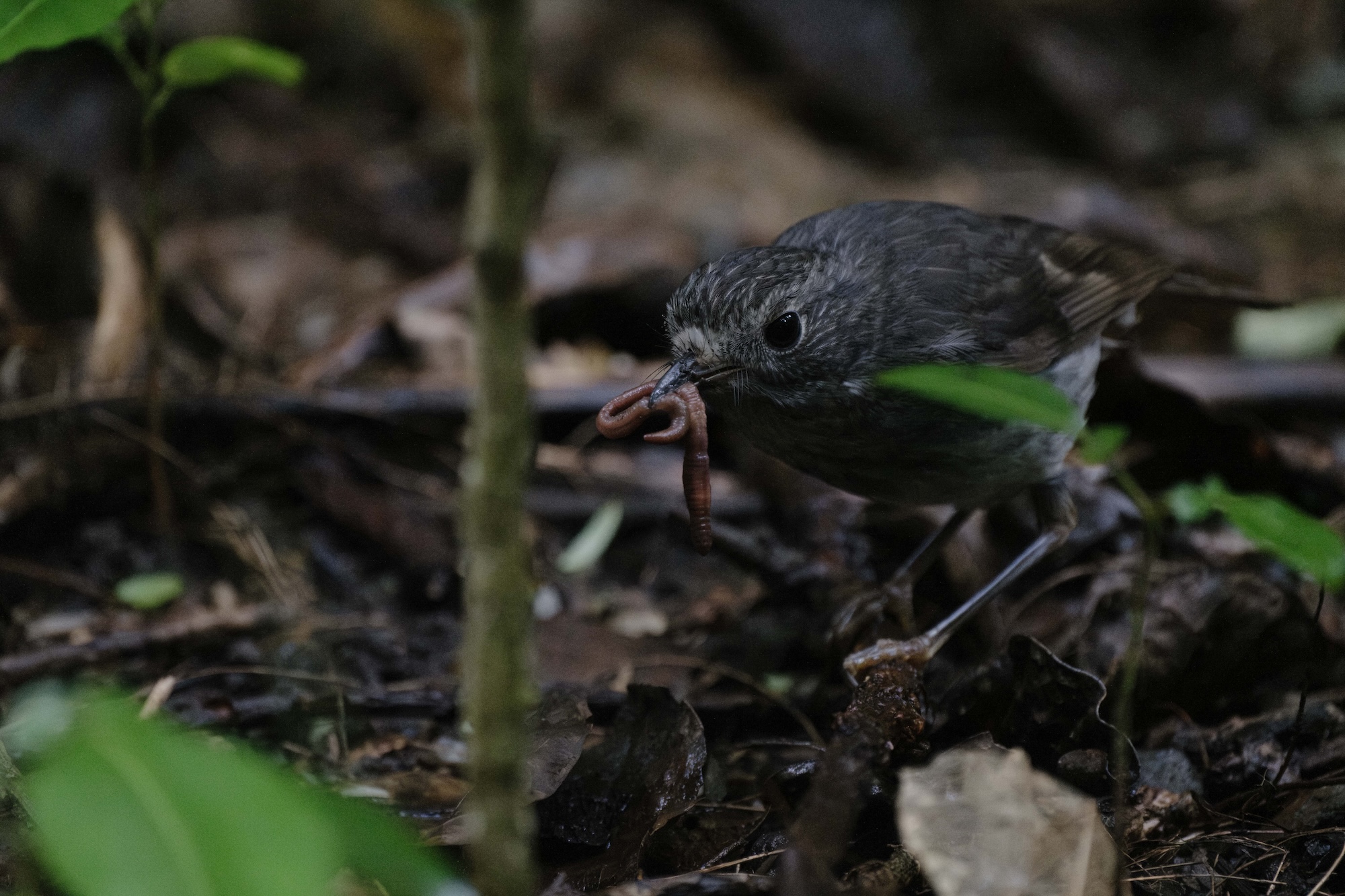
Robins are one of the first birds to sing in the dawn chorus and one of the last to stop in the evening. To sustain this incredible effort, male robins gorge themselves on worms and grubs, loading up on food to supply enough energy for a singing marathon. All this singing is thought to be a way the birds signal that they are healthy and would make a desirable mate. If a male is able to sing loudly and clearly throughout the day, it’s a clear sign he is able to source enough worms and grubs to fuel his beautiful singing voice.
Stay woke
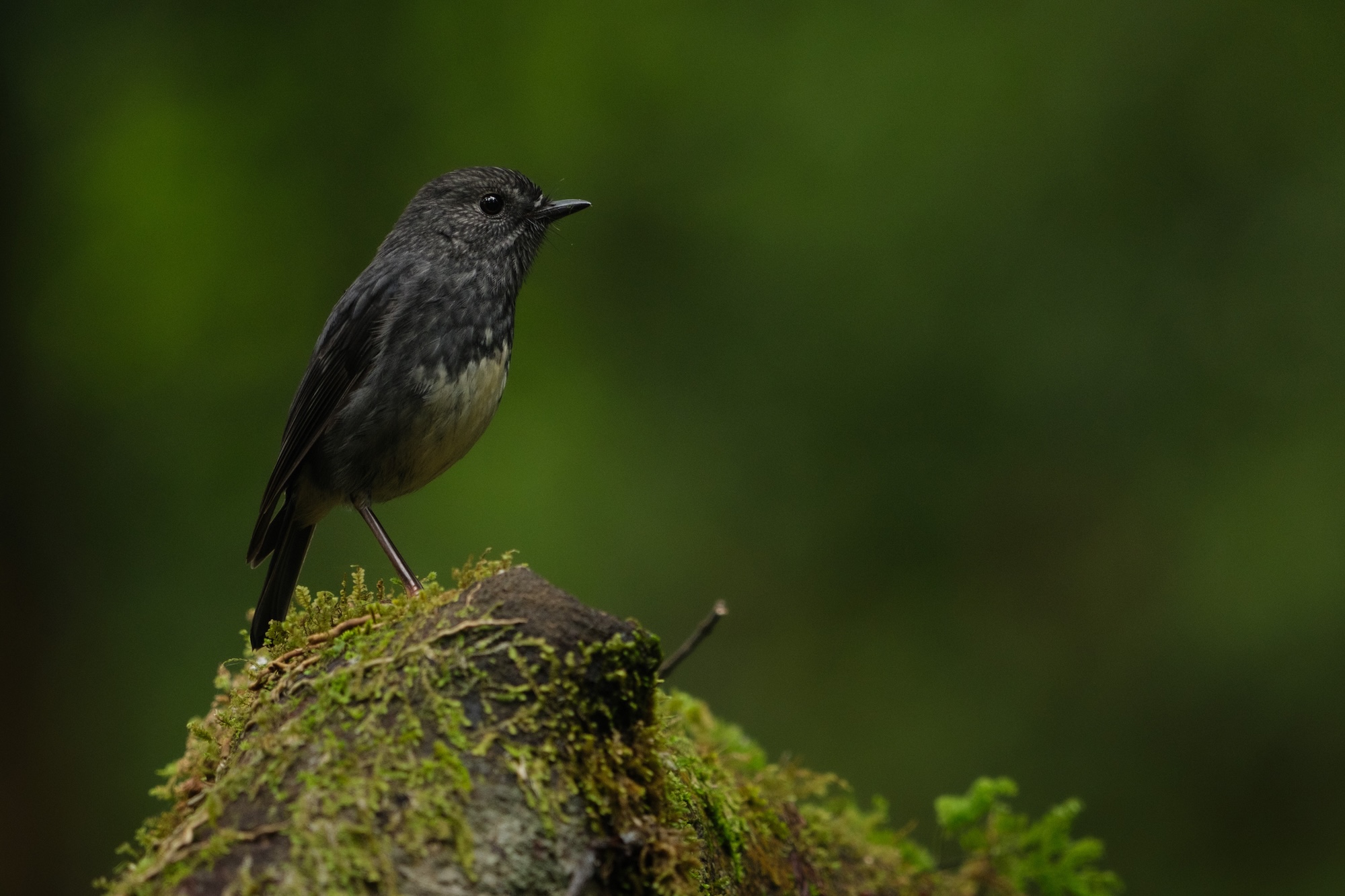
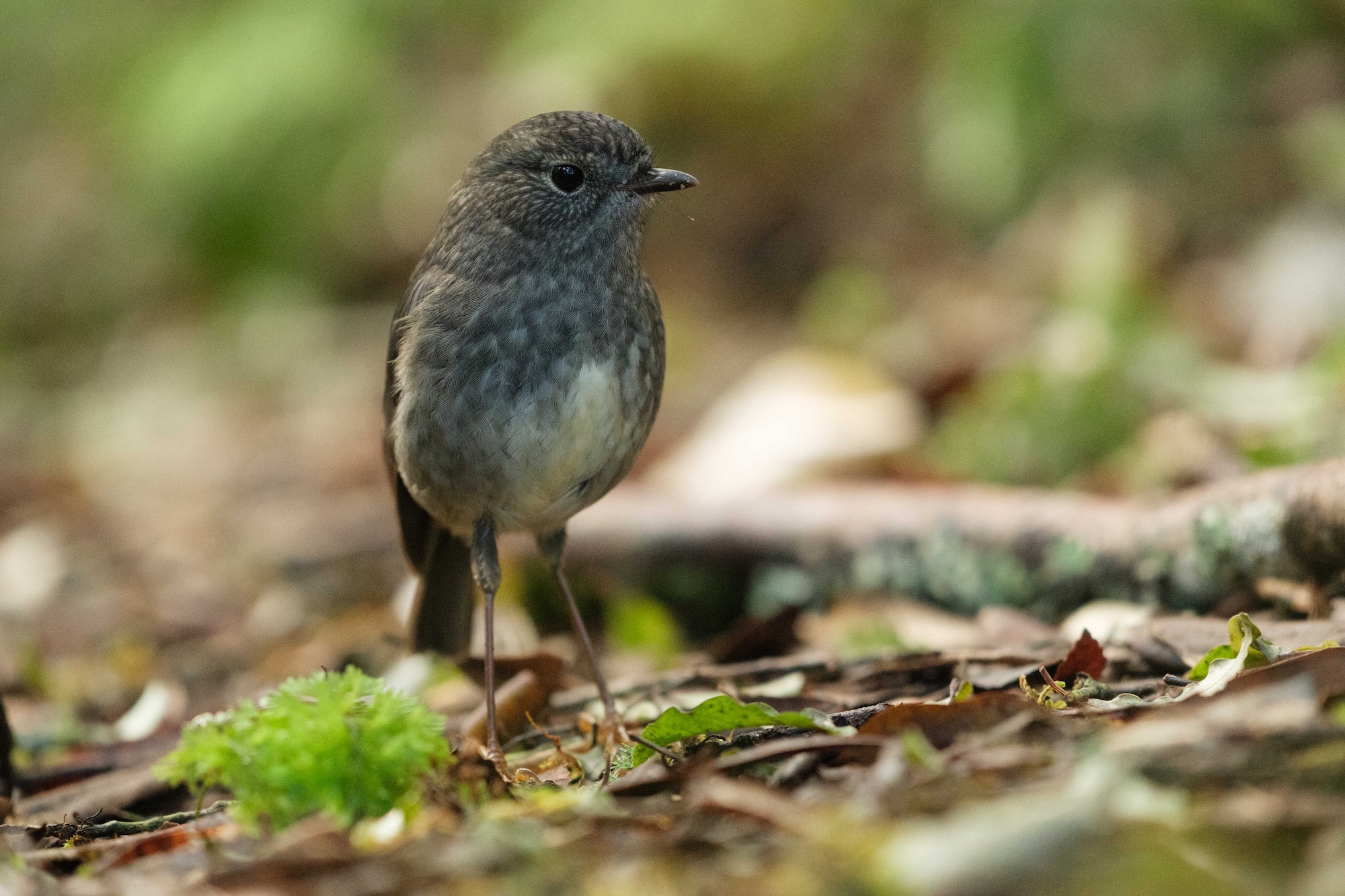
Robins were said to be one of the birds that accompanied Māui in his adventures. The birds joined him in his quest to slay Hine-nui-te-pō, their song helping to steady Māui’s nerves as they approached the deadly atua. When Māui lassoed the sun with ropes of harakeke to slow its passage across the sky, the robin was one of the only birds that offered to help, running and fetching water for Māui to drink. As a reward Māui adorned the bird’s forehead with sacred white feathers, which can be seen above the beak of the North Island species.
It probably carried the water in its eyes, as its large black eyes seem to glisten like pools of water, and many of its names – karuwai, toutouwai – refer to this. As the sun sets and the robins prepare for their evening chorus, their glistening pupils expand and dilate, becoming giant black orbs. A common expression to signal that the sun was beginning to set was Kua rarahi ngā mata ō te tōtōara – the eyes of the robin are opening. But the whakataukī had a deeper meaning, and was used to describe someone who had awakened to reality and was now able to see clearly.
Toutouwai could help others see clearly as well, and those who were skilled in the art of divination could use the bird to predict the future. On the eve of battle, it was prudent to consult a robin before setting out. One ritual involved tohunga and rangatira placing sticks in the ground, representing the fortifications of an enemy pā. The group would wait until a robin arrived, which was often not long, as the birds are supremely curious and will investigate any time the soil is disturbed. If the robin sung a sweet song, or knocked over an enemy stick it was a promising sign of victory in battle. However, if the bird dropped a feather or let out a harsh, chattering noise, it was a bad omen, and the plans were doomed to failure.
The birds were also useful aids when travelling cross-country; a robin heard calling on the right meant the trip would be a success, while if it called on the left, it was a worrying sign that a war party might be setting up an ambush. For those on the edge of death, karakia could be performed, requesting the birds help in bringing them back to life. If robins were heard to call loudly at the first light of dawn it was a confirmation that the unwell person would recover.
Another way of invoking the power of robins was to construct kites – manu toutouwai – that resembled robins. The movement of these kites as they traced their way across the sky could be read to understand future events, and typically only tohunga or rangatira were allowed to fly them.
–
Taxonomy
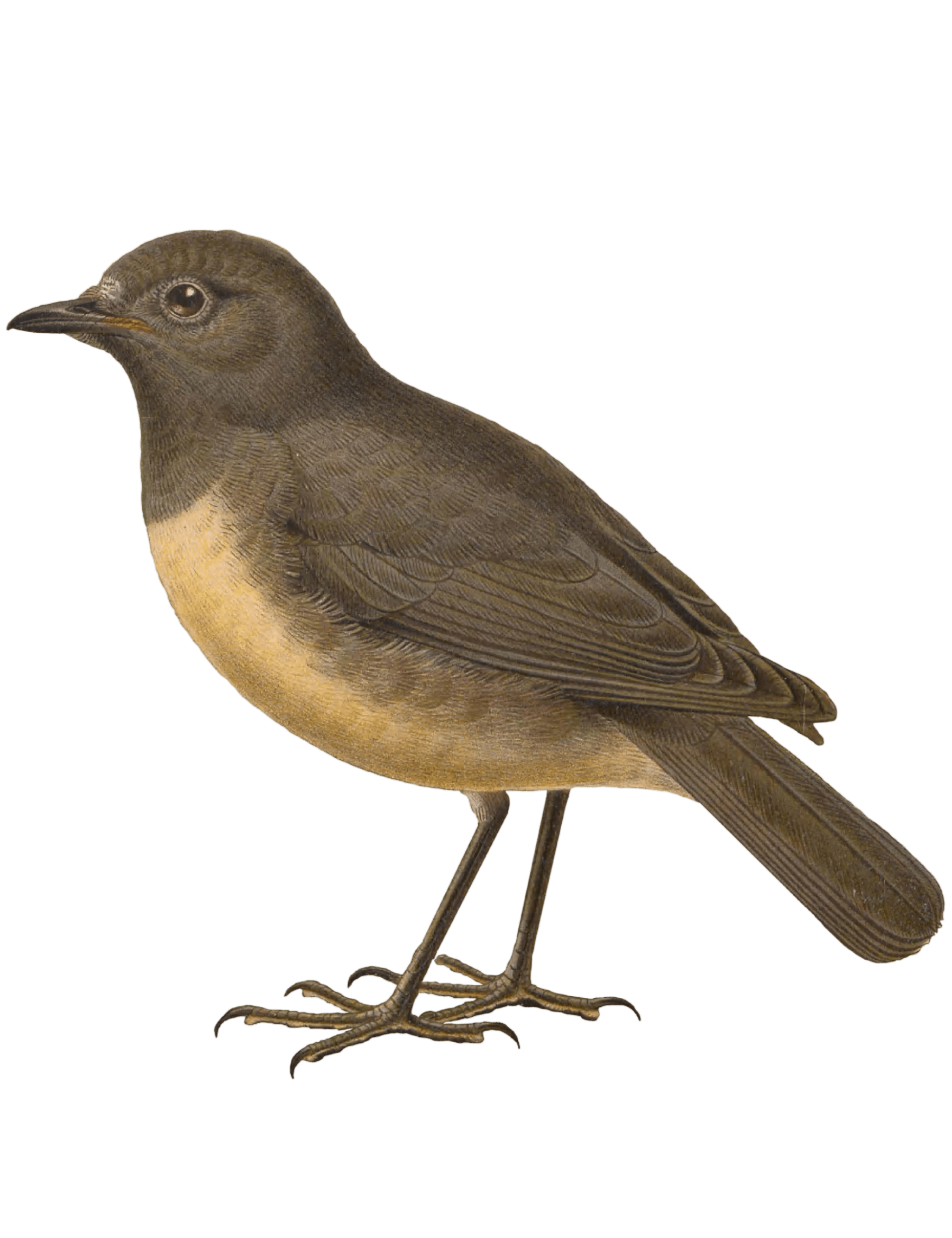
There are three species of robins in New Zealand: the North Island robin (Petroica longipes), the South Island robin (Petroica australis) and the Chatham Island black robin (Petroica traversi), all of which belong to the Australasian robin family Petroicidae. They are very close relatives of the New Zealand tomtits (Petroica macrocephala).
The bushman’s friend
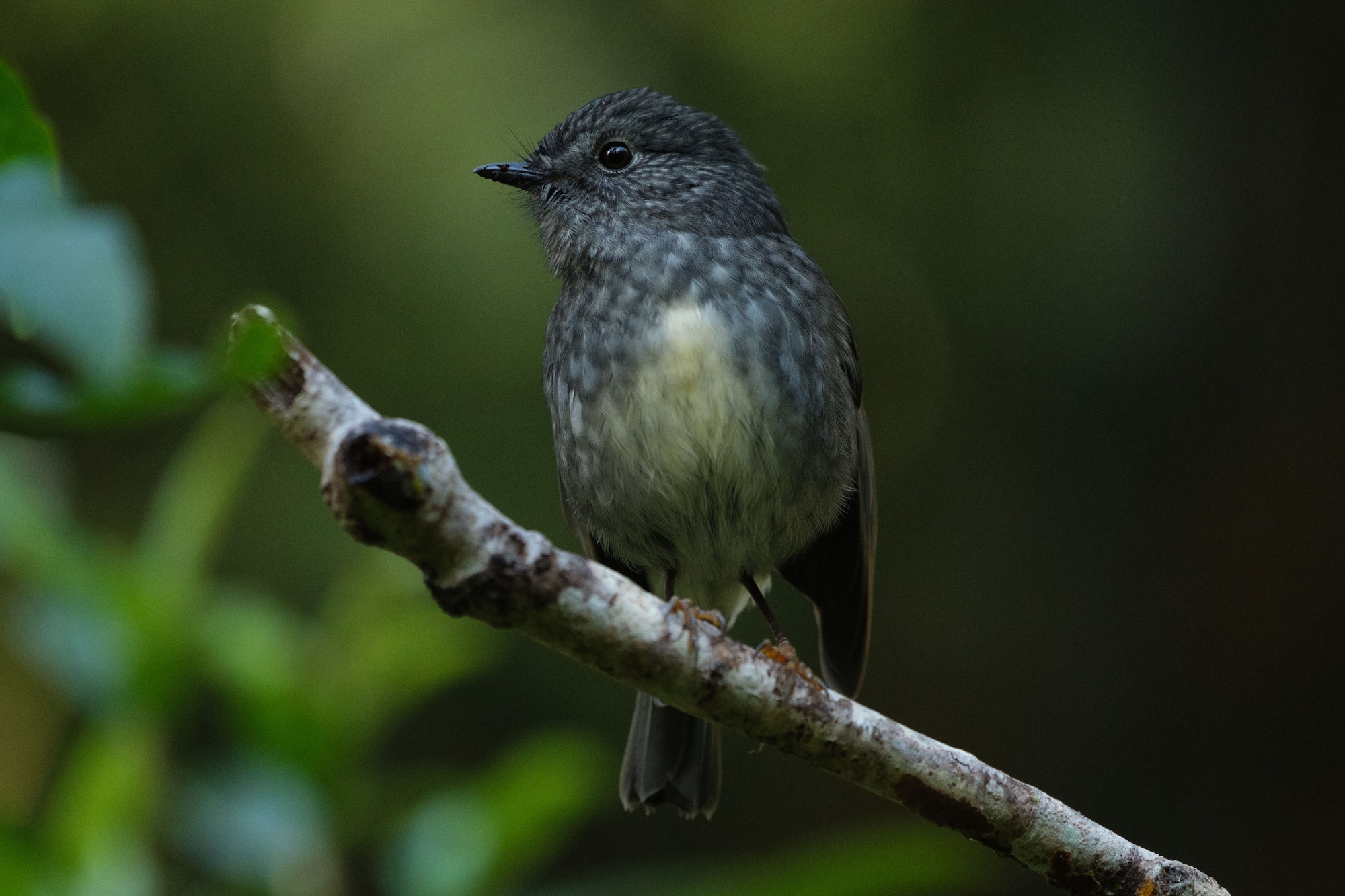
For homesick Pākehā settlers who mourned the absence of British birds, the robin was a welcome sight, and a reminder of the beloved English robin back home. Though they lacked the charming red breast of the European bird, they seemed to display all the best qualities of their ‘English brothers’ – with a cheeky, curious personality and ‘bold black eyes that twinkle every bit as bright as their British compatriot’. Many rated its song as one of the sweetest in the New Zealand bush.
No one loved the robin more than bushmen and explorers. When setting up a camp for the night, robins were the first bird to welcome them and were a constant companion ever after, so much so that they earned the nickname ‘bushman’s friend’. Many writers speak of a strong sense of companionship with these birds, which brought joy and laughter to even the darkest and gloomiest forests. The birds would tamely feed from their hands, perch on their shoulders and heads, or sit on men’s boots and pluck at their shoelaces. Gold-diggers would invite them into their tents and share their dinner with them.
They became an important source of morale for British soldiers fighting in the New Zealand Wars, who were often terrified of walking through the forest. Major-General Sir Trevor Chute, fighting in Taranaki in 1866, believed that robins were the only things that cheered his men, helping to relieve the monotony of long and weary tramps through the bush.
Despite how tame the birds were, they were used as food only in the most dire of circumstances.
Bully bird
Robins can be very aggressive birds, and male robins make particularly unpleasant partners. They are so domineering that pairs spend a lot of time apart, and females often sneak into other territories to feed, drink or bathe. Female robins will store their food separately, stashing it in a dozen different caches to hide it from her mate. Male birds have been known to hunt down and find these stores and steal their partner’s rations. While females will put up with the behaviour for a time, they will leave if they are harassed too often and seek a more trustworthy and attentive mate.
–
Related reading – The Meaning of Trees by Robert Vennell
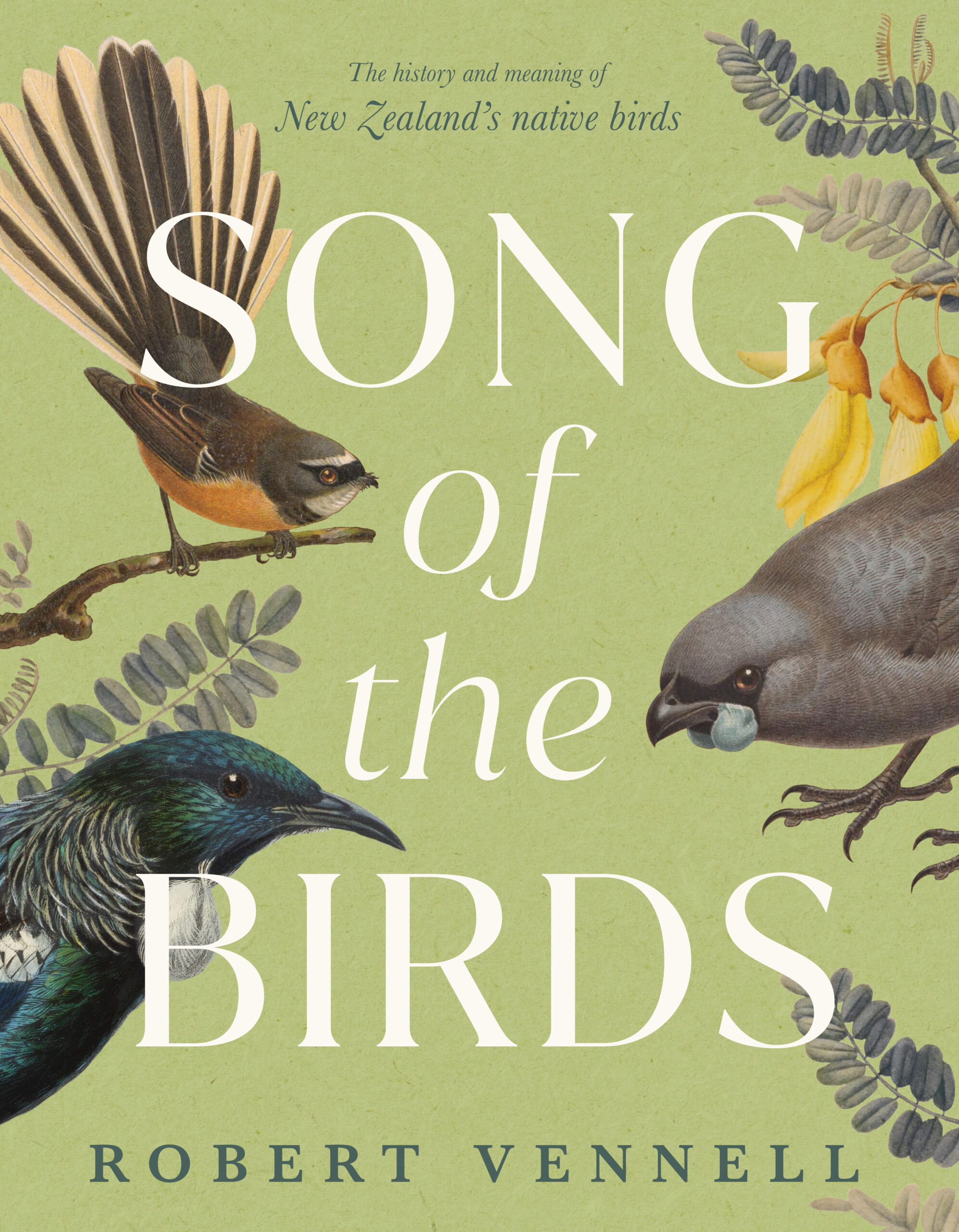
Song of the Birds: The history and meaning of New Zealand’s native birds by Robert Vennell
Written by Robert Vennell, bestselling author of The Meaning of Trees. Published by HarperCollins Publishers Aotearoa New Zealand