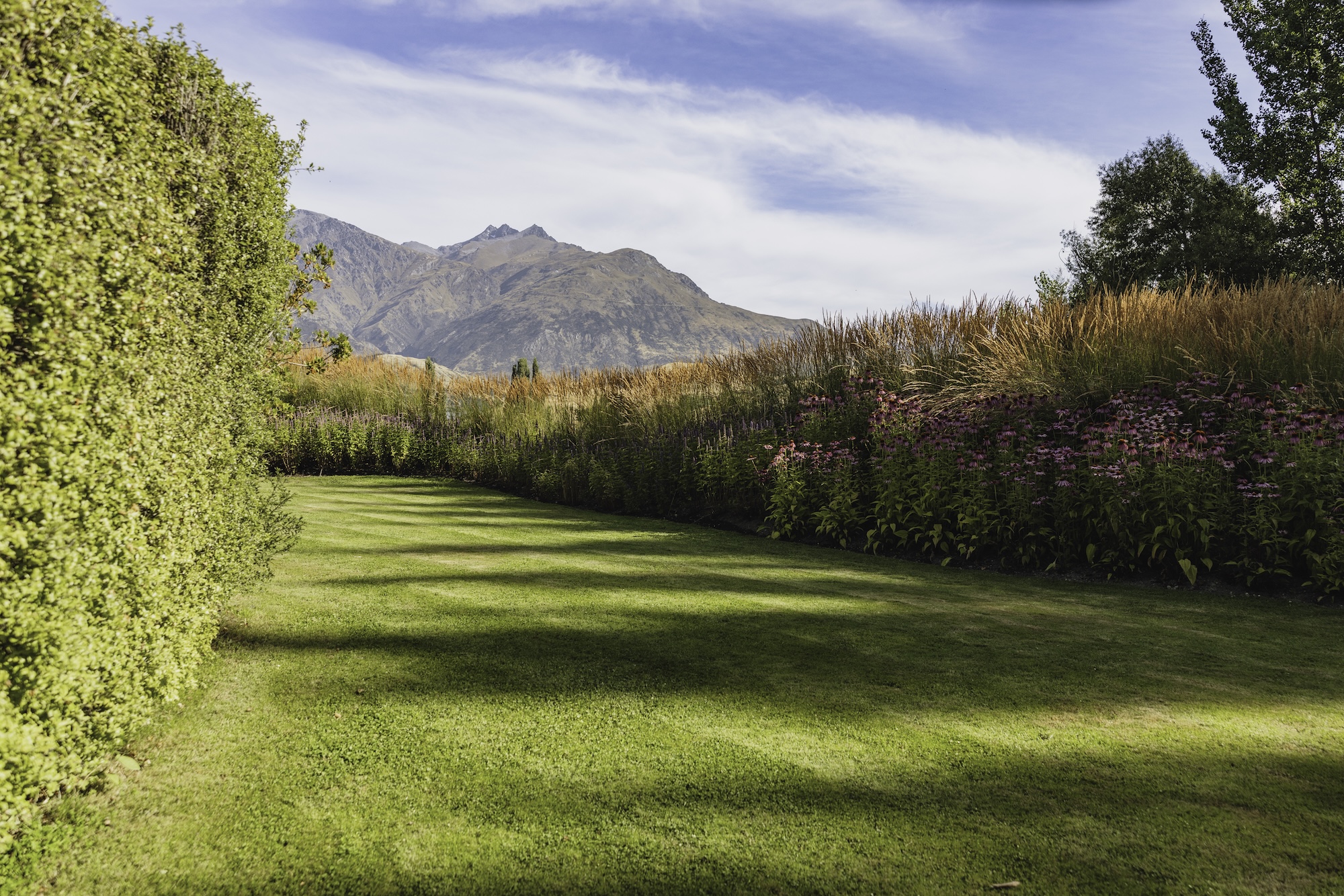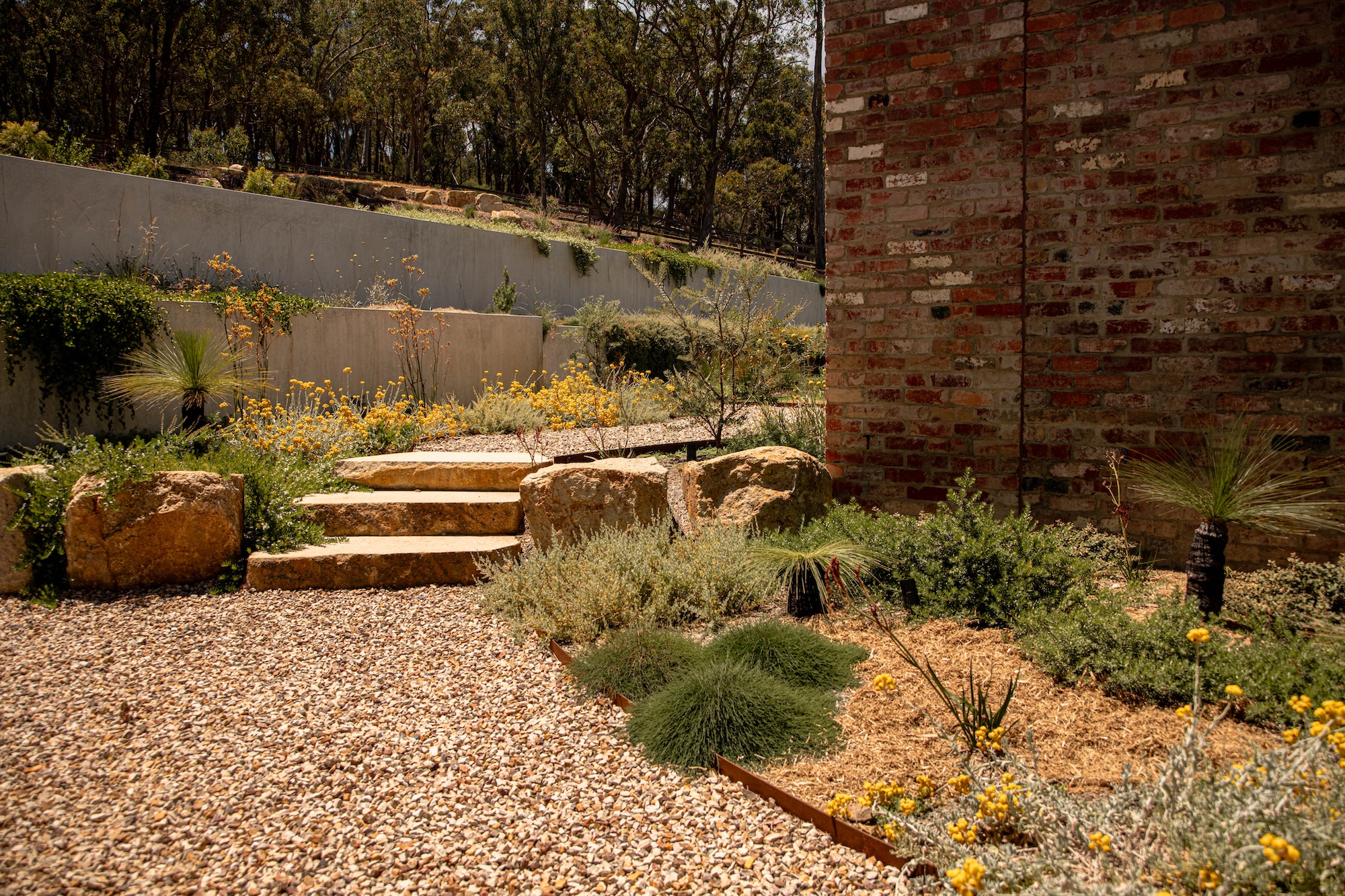

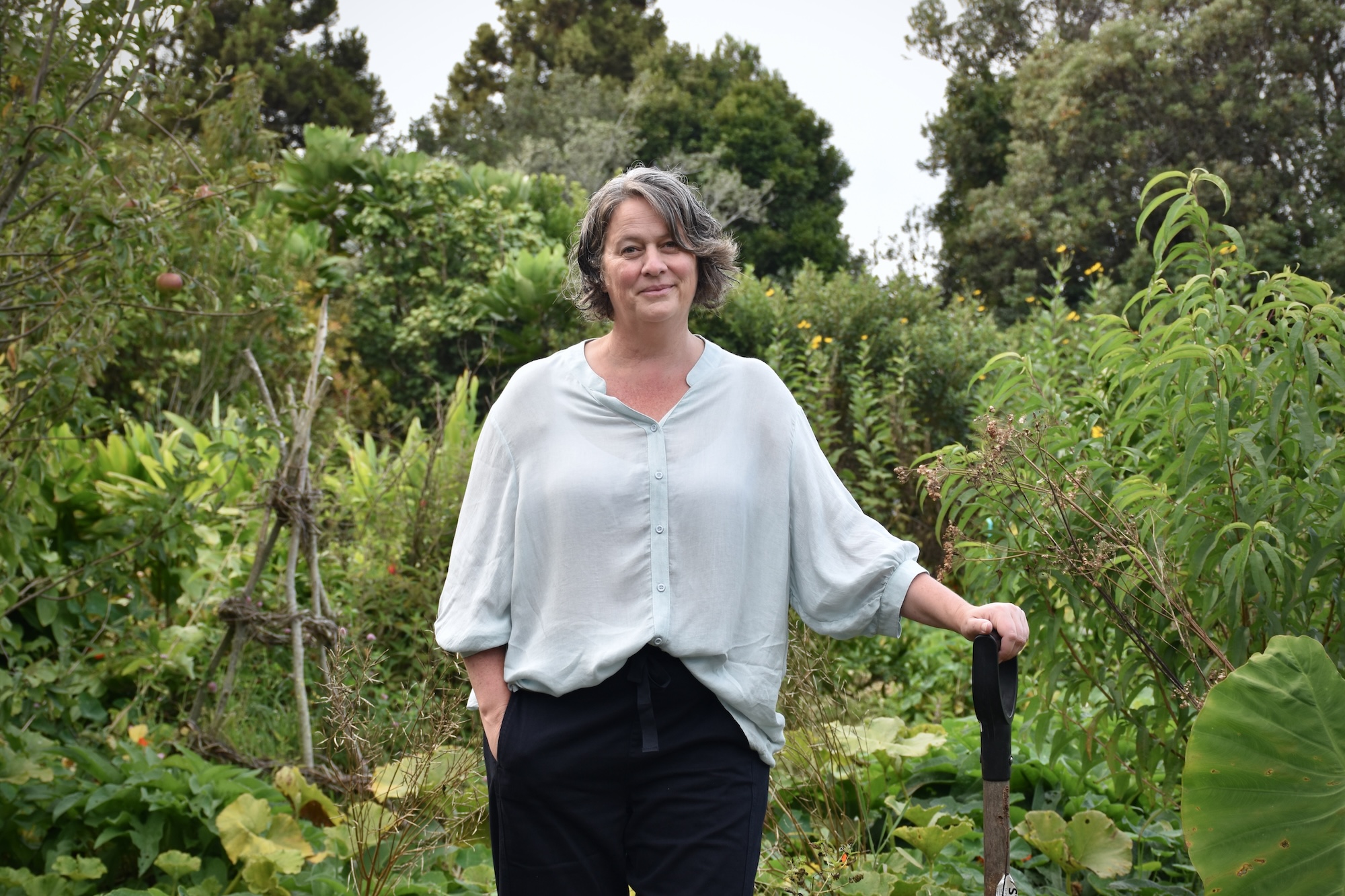
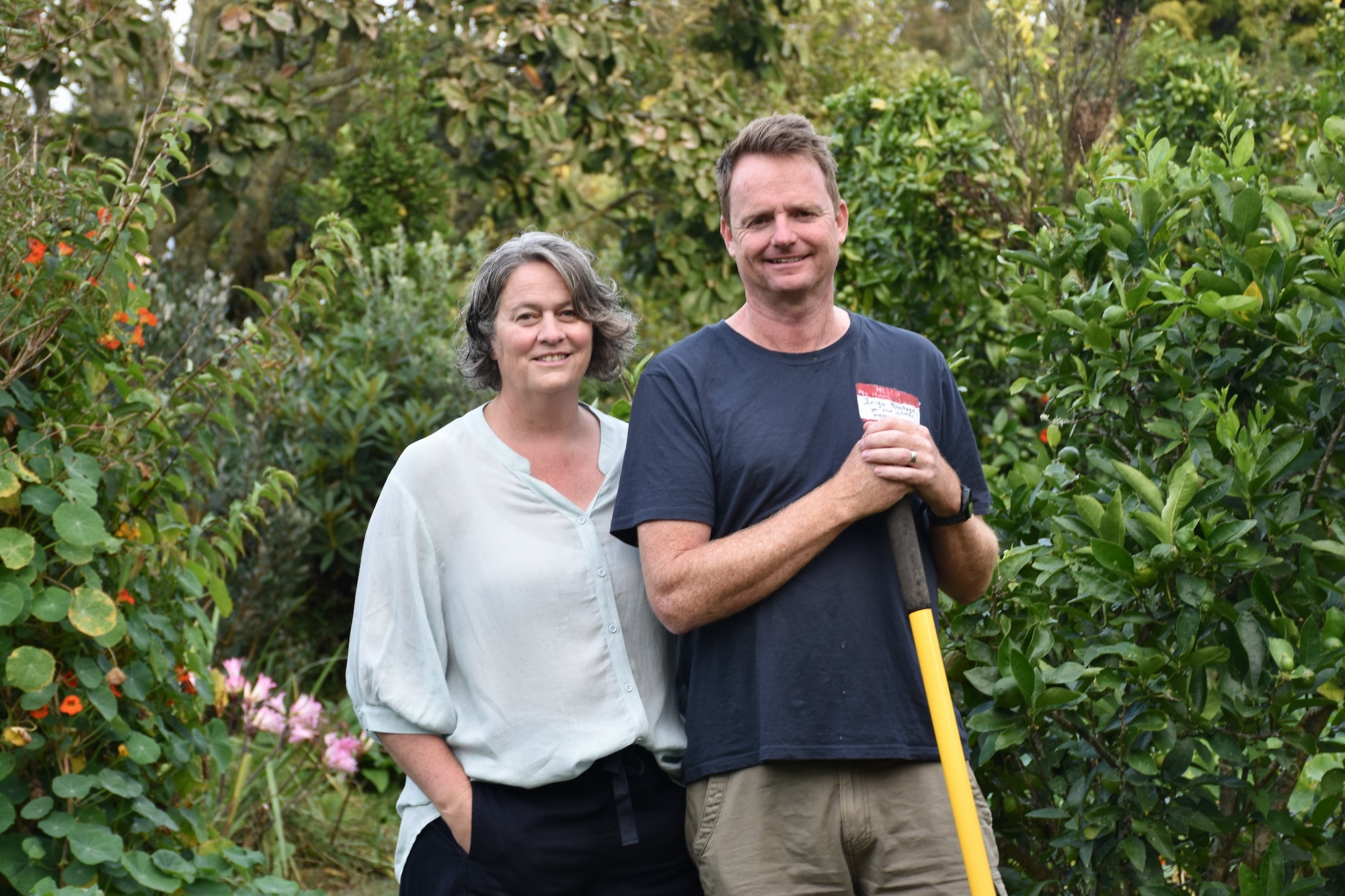
Lisa and Tom Kitson have transformed a formal garden near New Plymouth into a productive food forest that’s now open to the public.
Kererū Creek is part of Secret Gardens where visitors can explore privately created gardens around New Zealand.
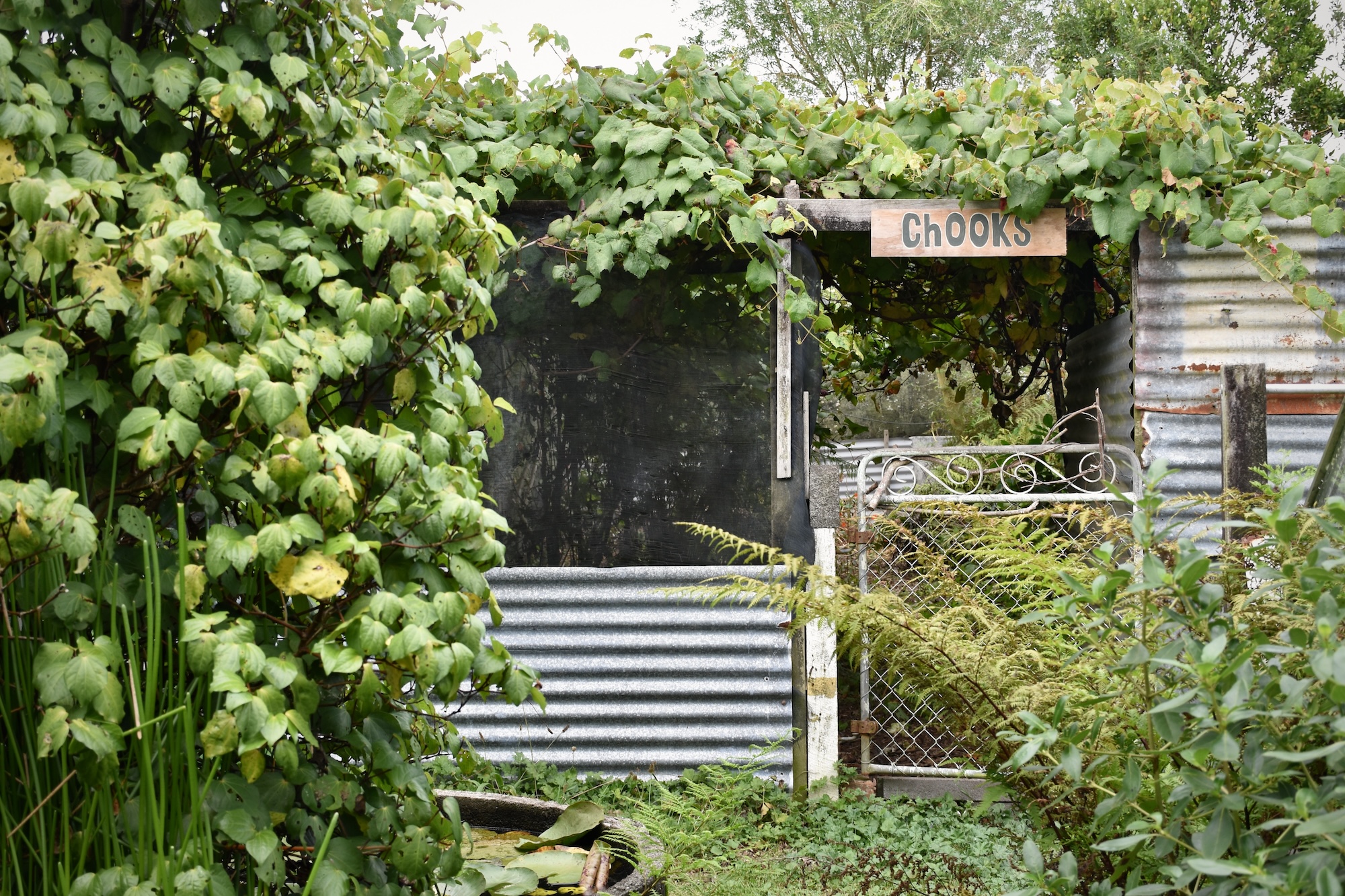
When Lisa and Tom Kitson bought Kererū Creek nearly a decade ago, the property had been shaped over four decades into a formal garden and specialist nursery. Its previous owner had propagated rare rhododendrons and vireyas for Pukeiti, the garden on the slopes of the Taranaki ranges, and maintained the landscape with a high level of intervention. Lisa and Tom initially tried to preserve that approach, but found themselves spending more time weeding than enjoying the garden.
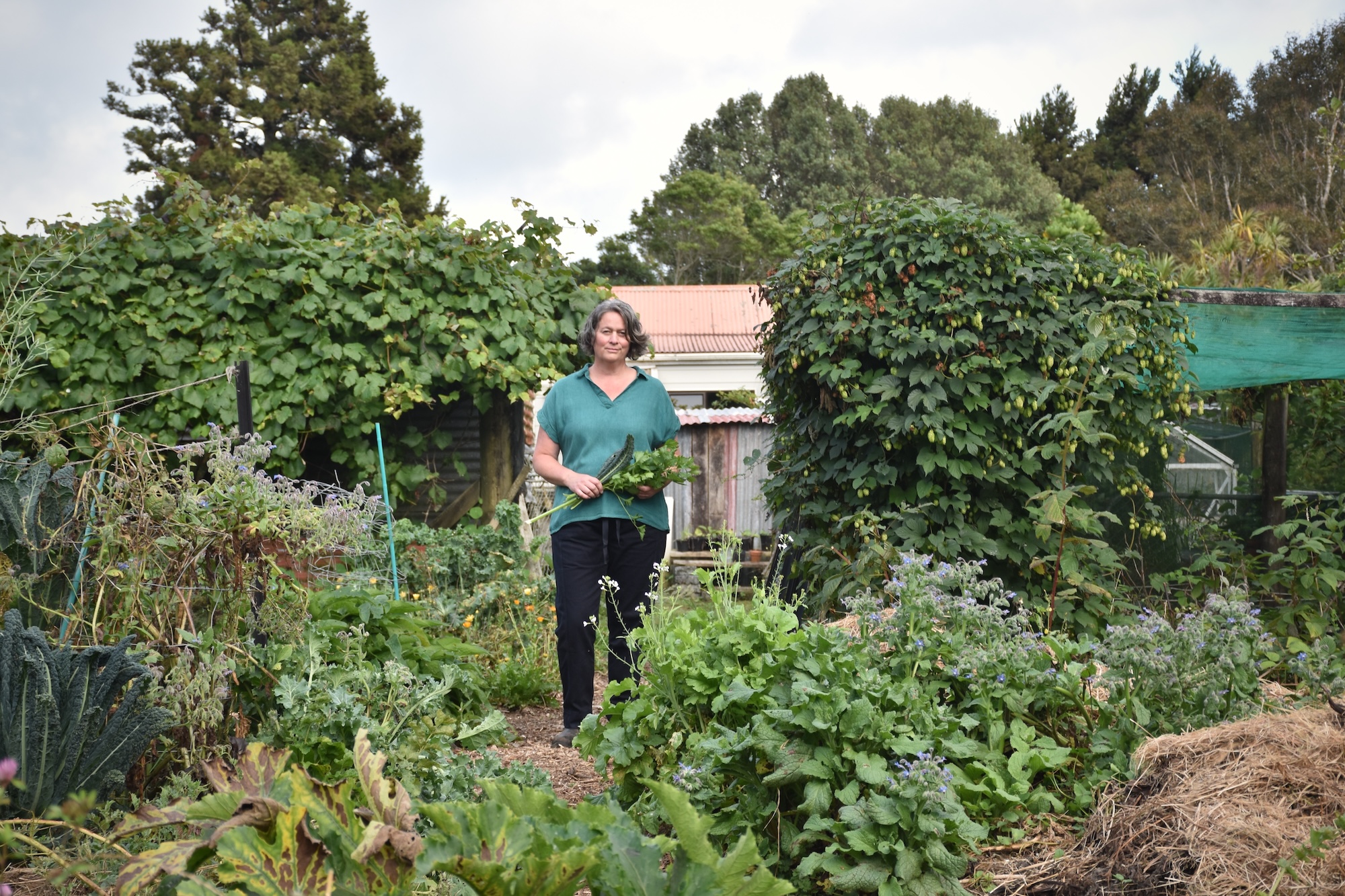
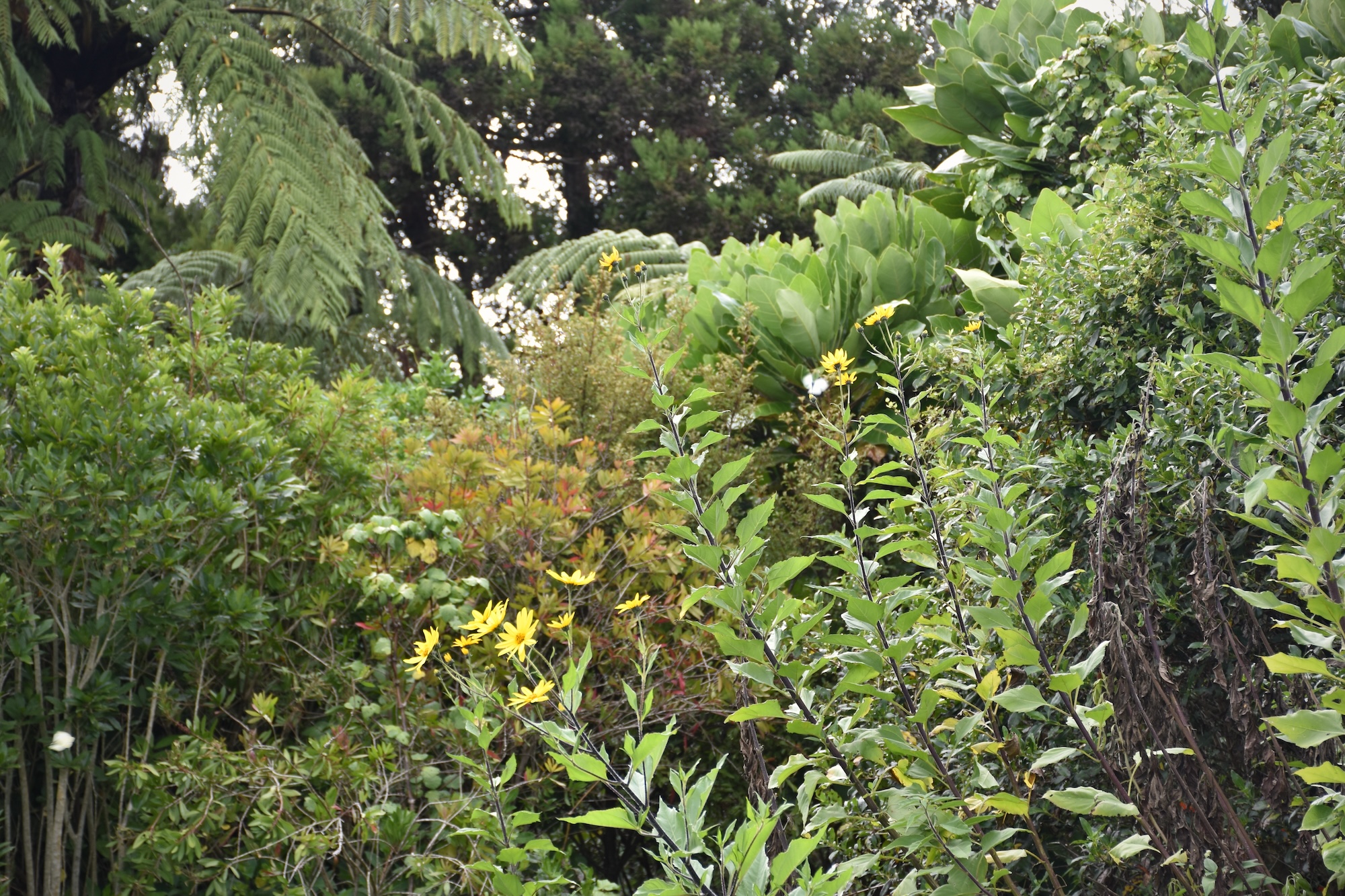
Over time, they developed a different way of working with the land. Today, the 3.5-acre property is managed organically, with a productive food forest, vegetable garden, regenerated wetland and established native bush. The aim is not to keep every corner immaculate, but to create a landscape that provides food, supports wildlife and can largely look after itself.
A change in approach
The couple’s interest in sustainable growing developed before they found the property. While living in London, they became increasingly aware of their disconnection from the land and the food they were eating. Travel through Africa also prompted questions about agricultural practices and the use of synthetic fertilisers. After moving to New Zealand and settling in New Plymouth, they began growing their own vegetables, eventually deciding they wanted a larger piece of land.
Kererū Creek had plenty of established structure to work with. They retained around 95 per cent of the mature trees, but removed roughly a thousand overgrown rhododendrons and vireyas that were struggling in the hot coastal summers. Working with Pukeiti, they found new homes for the plants in the cooler conditions of the ranges.
The first two years were spent hand-weeding in an effort to maintain the garden’s original appearance. It was hard work, and stopping the use of chemical sprays initially brought a flush of weeds, including fleabane and deadly nightshade. Rather than continue fighting every new arrival, Lisa and Tom gradually adopted a looser permaculture approach, allowing parts of the property to become more natural.
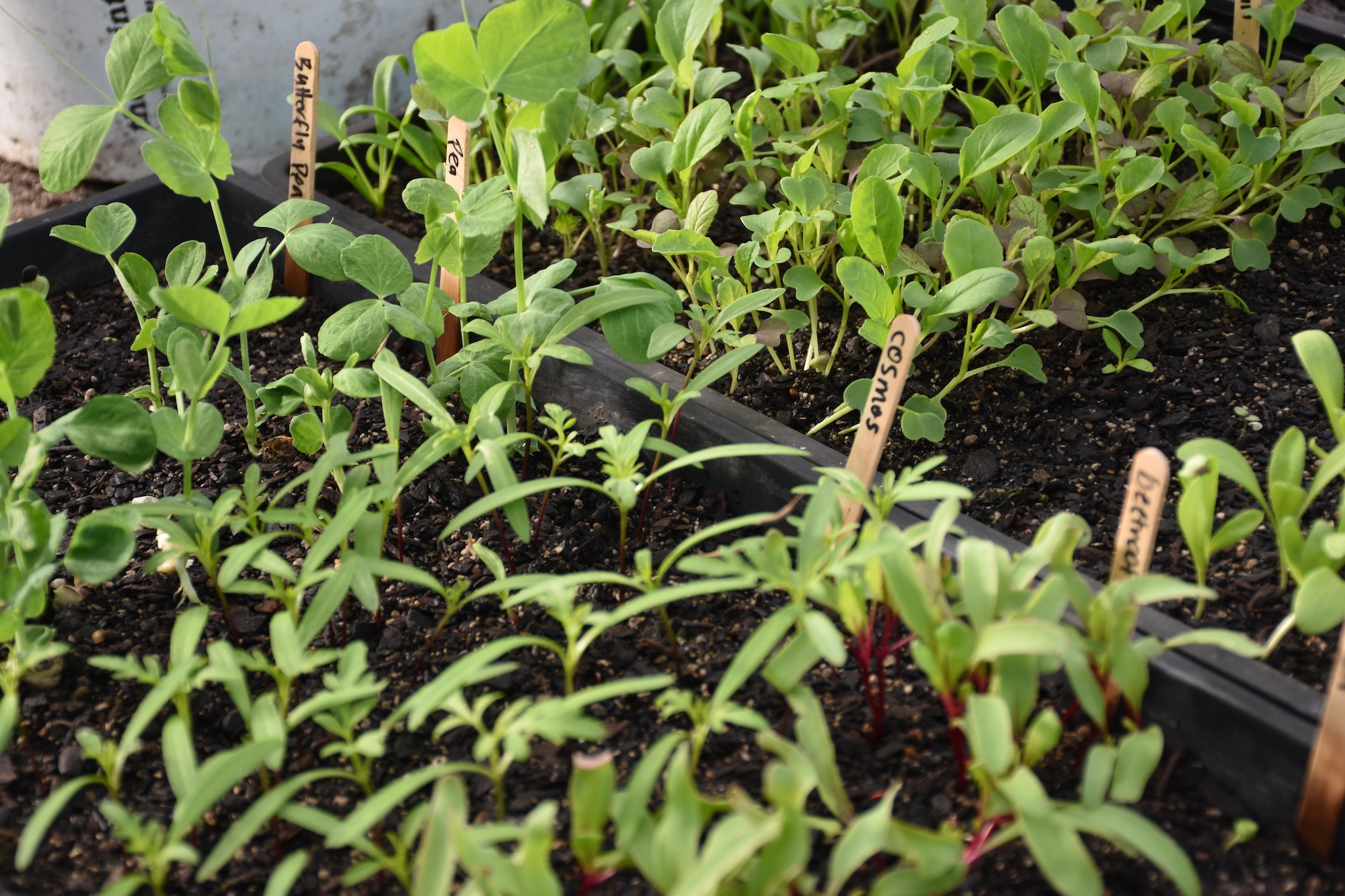
Growing for the table
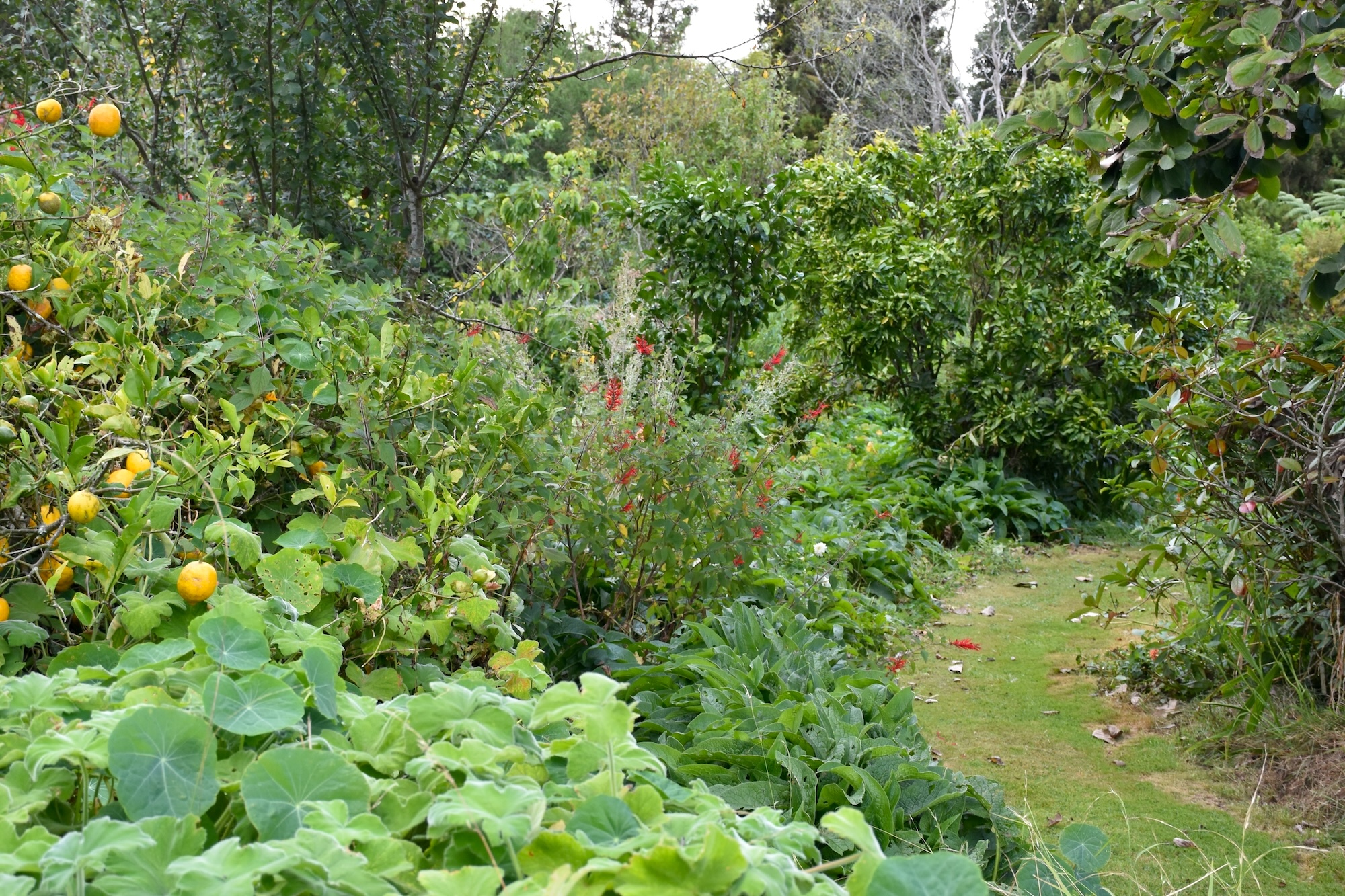
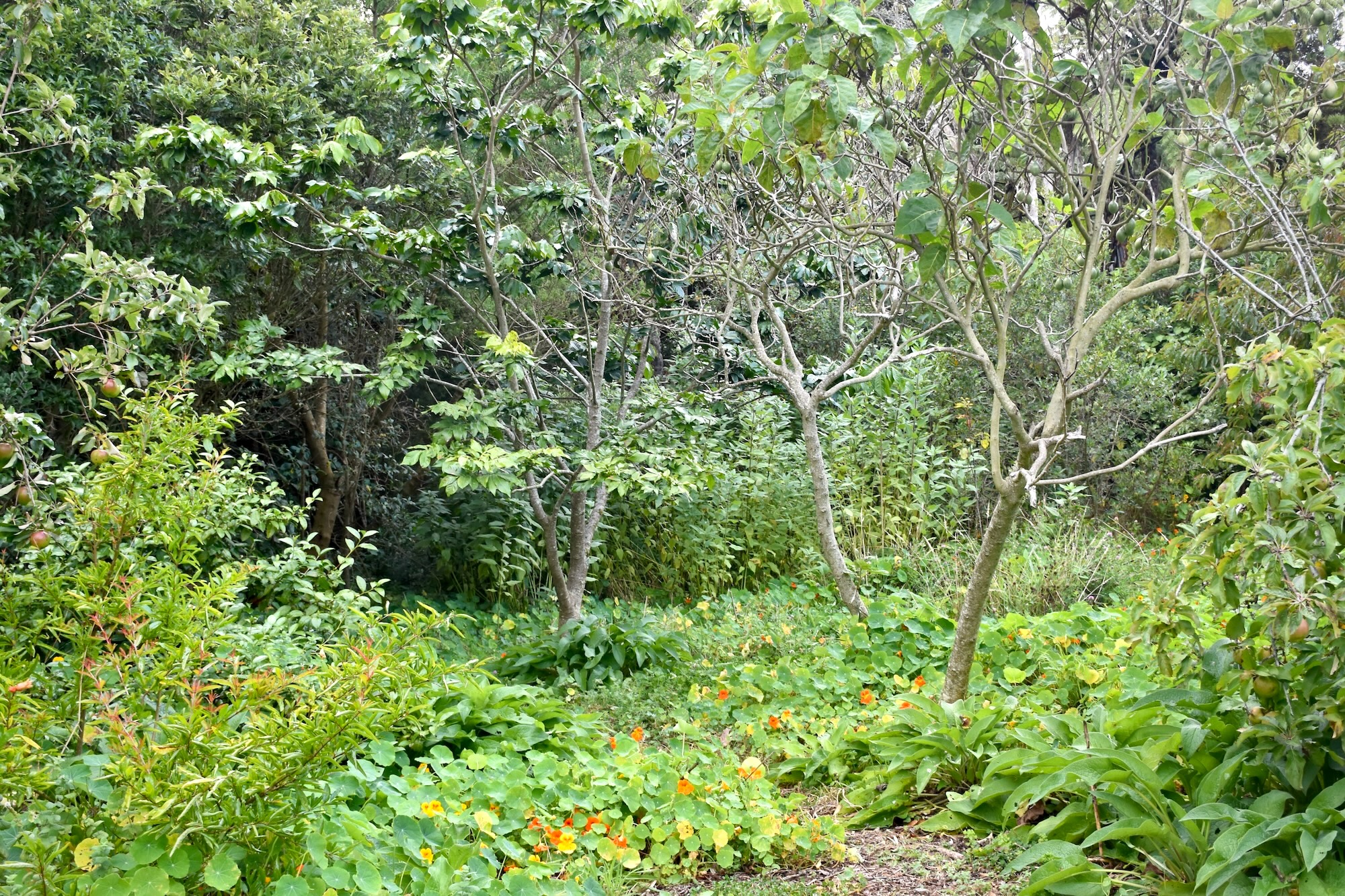
The food forest and orchard are at the heart of the garden’s productivity. There’s a wide range of fruit, from apples, pears, plums, apricots and peaches to citrus, figs, feijoas, tamarillos and avocados. Hazelnuts, chestnuts and walnuts add to the harvest, alongside less familiar crops such as cocktail kiwifruit and custard apples.
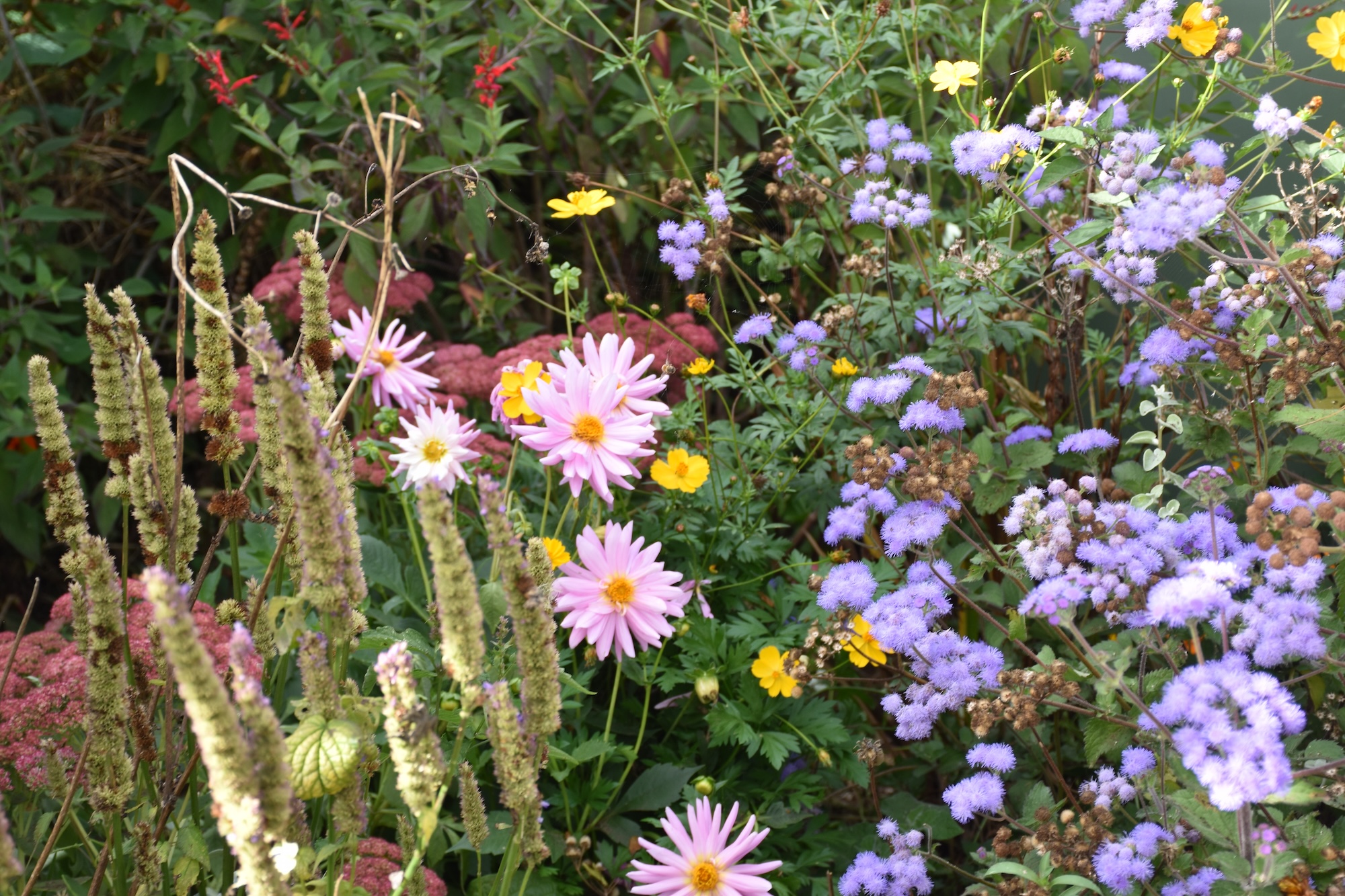
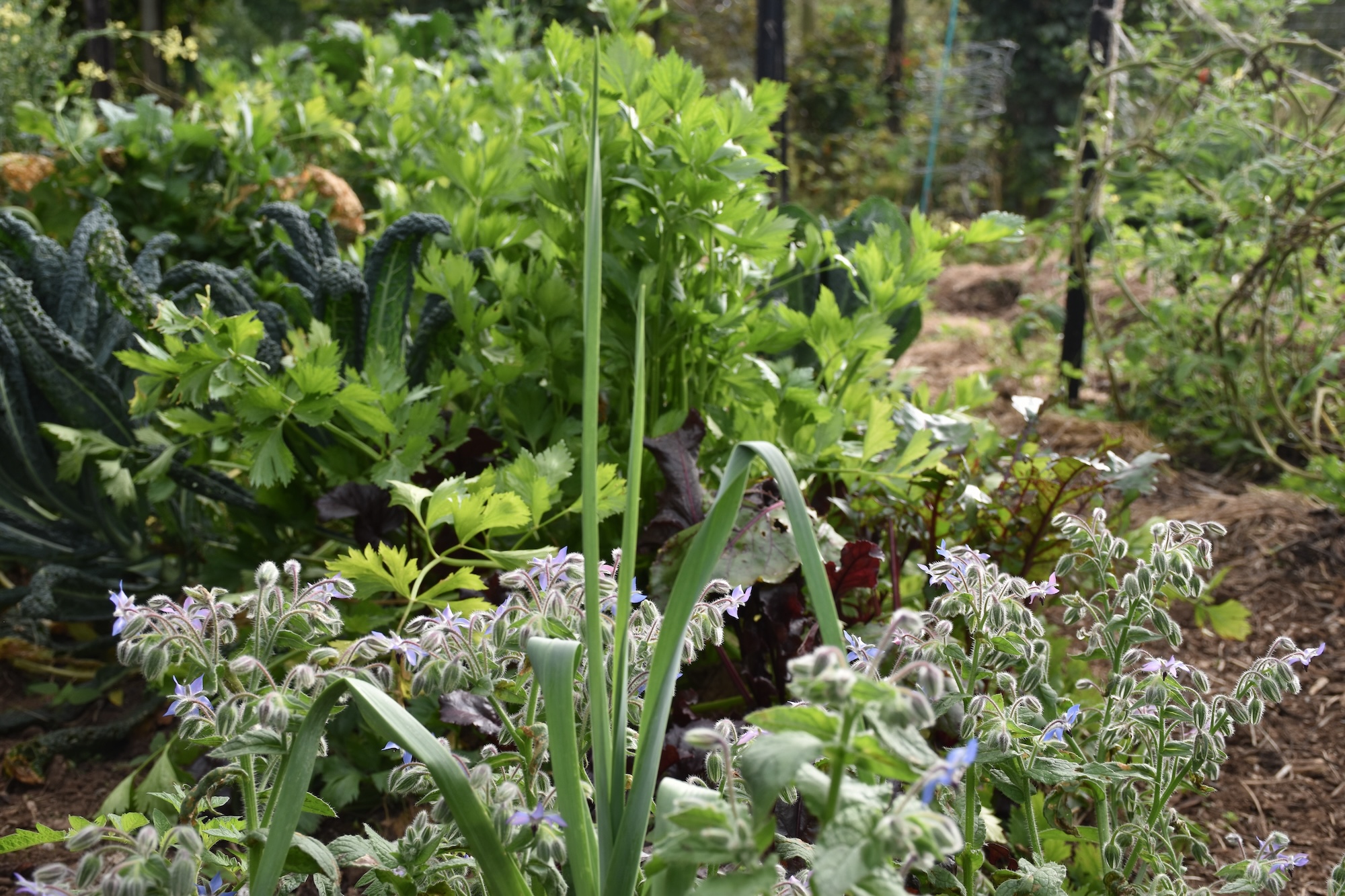
Lisa initially followed a more prescriptive approach to companion planting, placing particular herbs and flowers beneath fruit trees. As the garden developed, she began allowing plants to self-seed and find their own place. Comfrey and other useful plants remain part of the mix, but the overall effect is less tightly arranged.
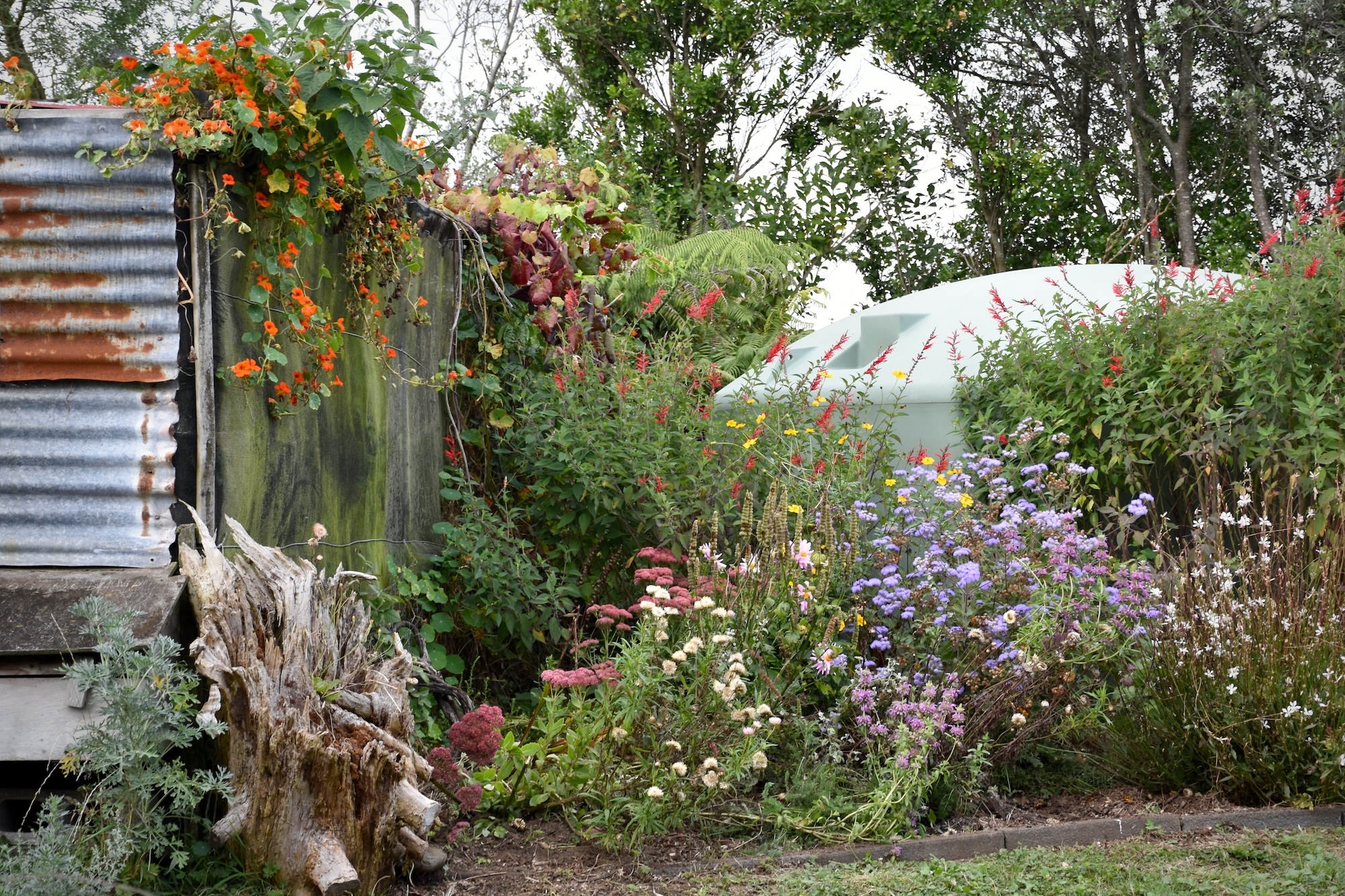
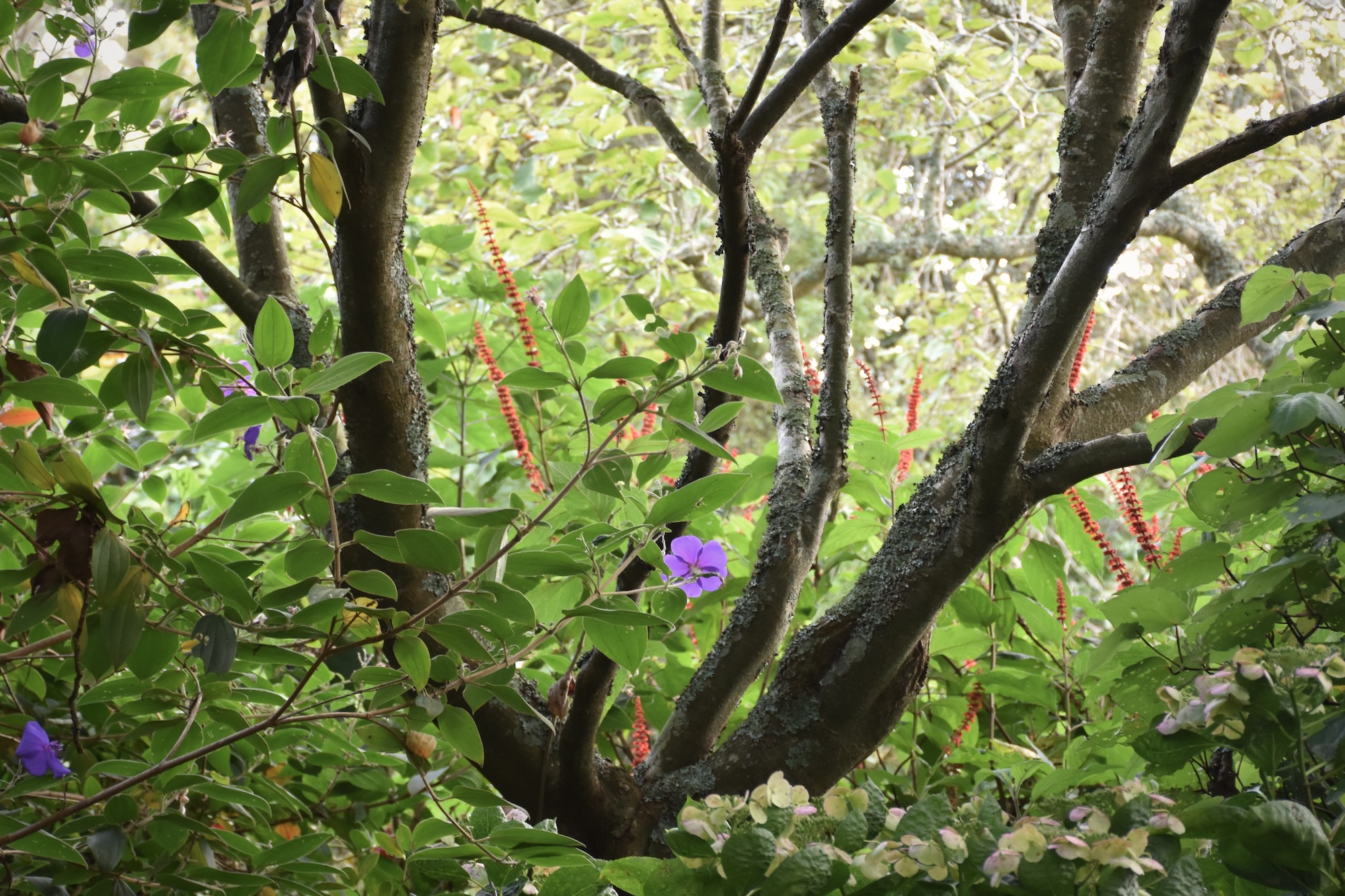
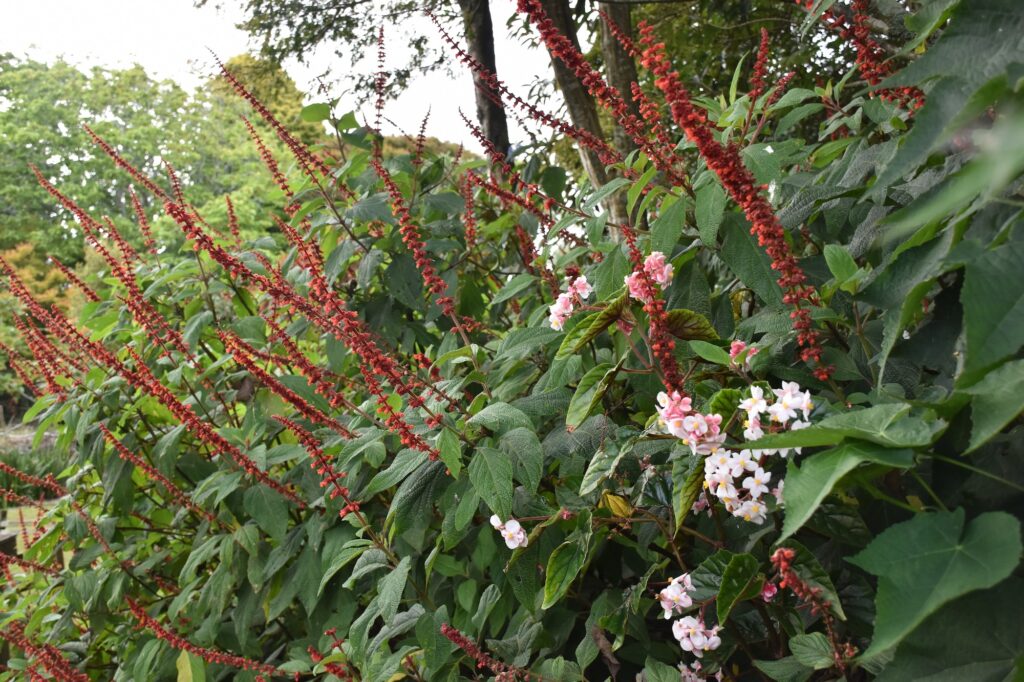
The original vegetable garden has also been retained, providing a reliable supply of seasonal produce. More recently, Lisa has introduced a substantial flower bed close to the house. The arrival of bumblebees encouraged her to incorporate more flowering perennials, including salvias, throughout the food forest, bringing colour and greater diversity to the planting.
Tom’s training as an arborist has been useful in shaping the orchard, particularly when it comes to spacing trees so they have room to reach maturity. The property is now close to capacity for large permanent trees, a point at which the focus has shifted towards maintaining and developing what is already established.
Restoring the wetland
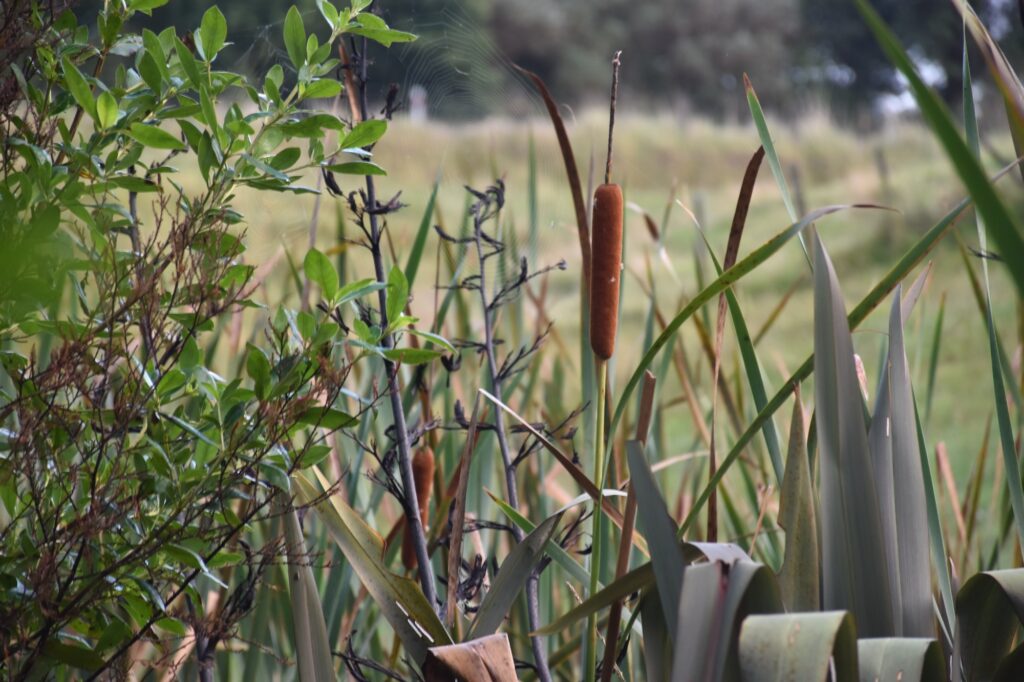
At the lower end of the property, a stream runs alongside an area of established native bush. When Lisa and Tom arrived, the wetland had been sprayed to keep buttercups down and prevent neighbouring dairy cattle from entering. They stopped the spraying, built a small footbridge and began planting flaxes, cabbage trees, kahikatea and swamp cypress.
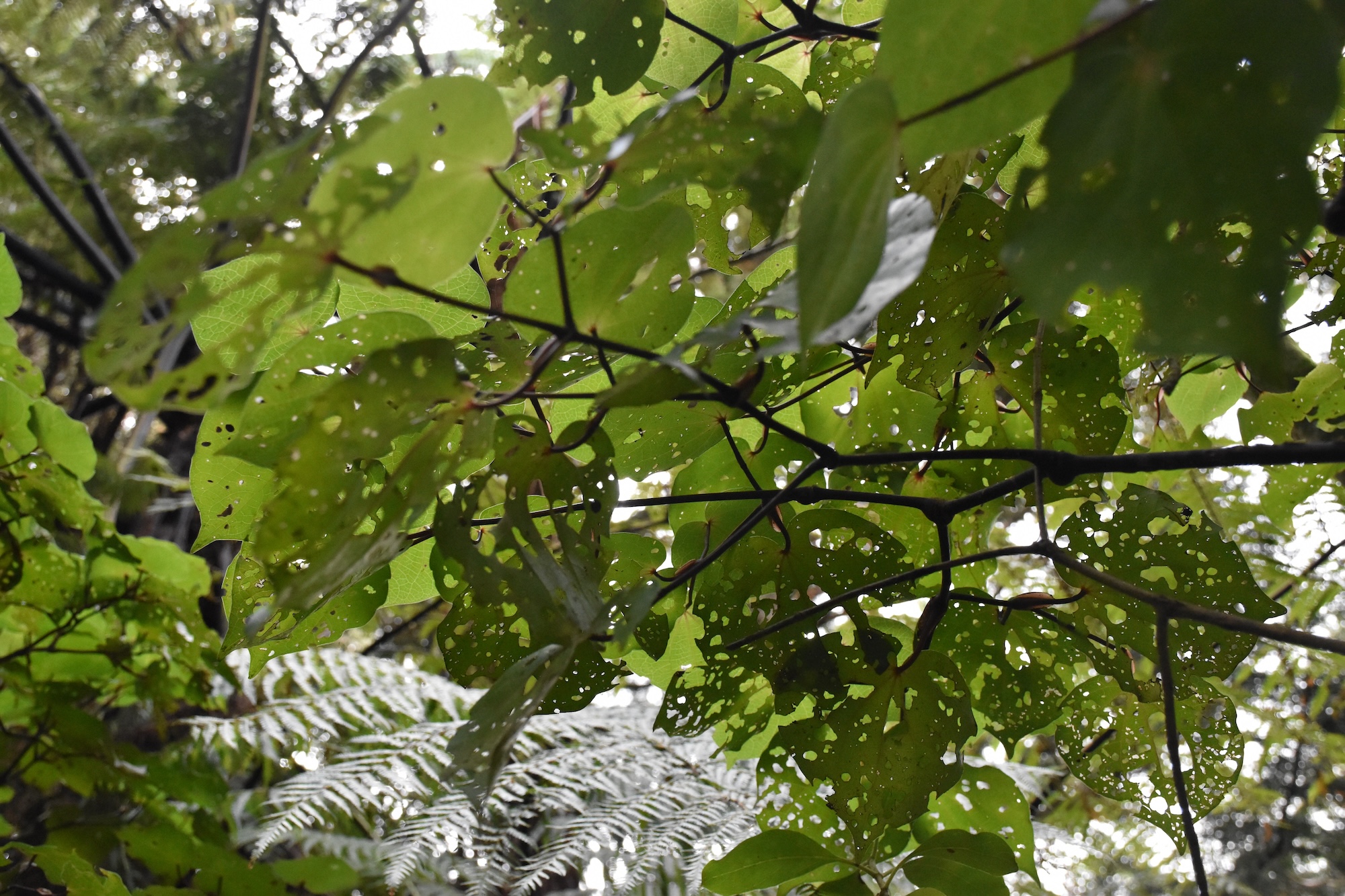
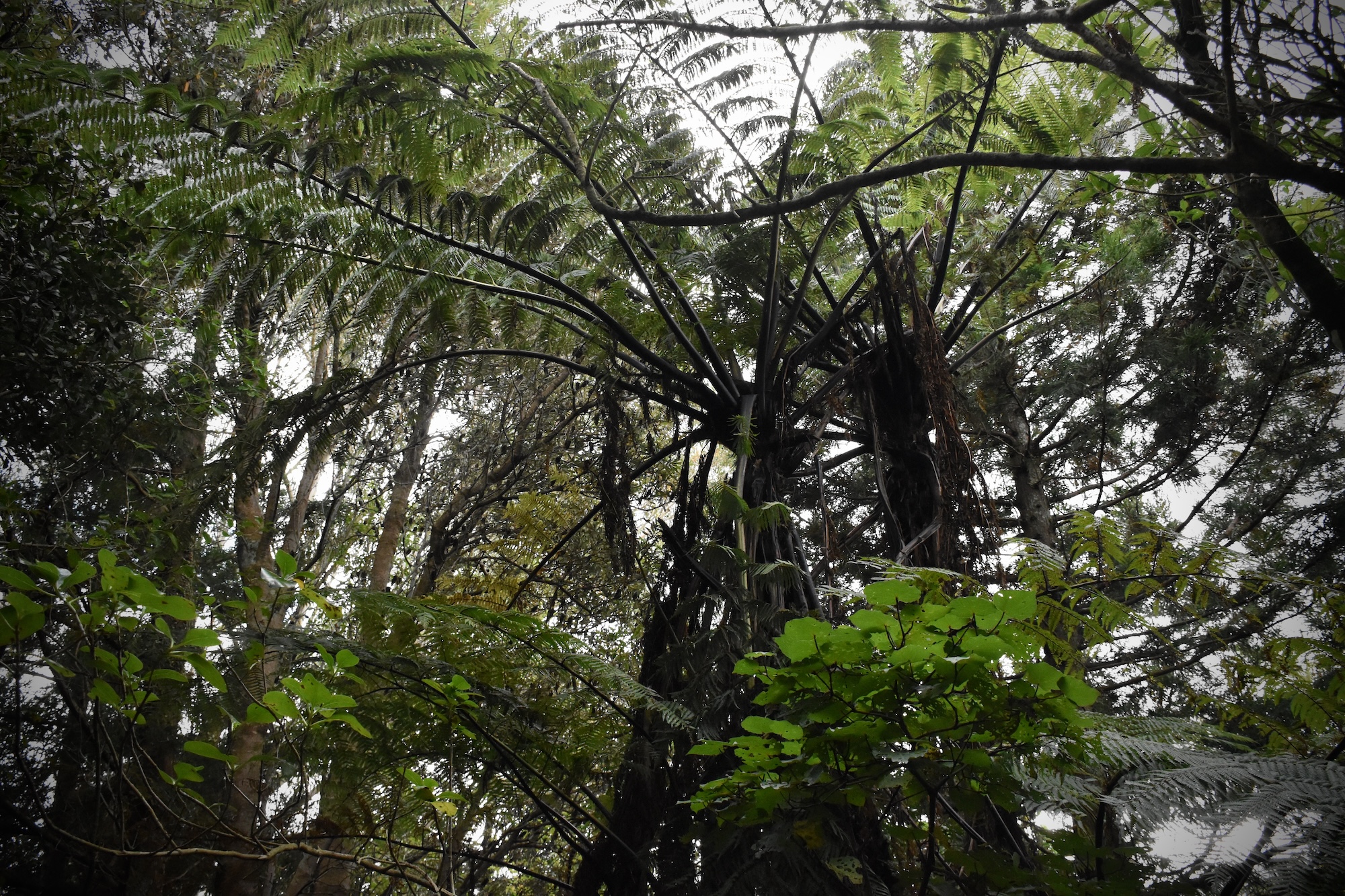
The area has since developed into a dense wetland, with native understorey plants and grasses regenerating naturally. Pukatea and karaka trees, some with trunks more than a metre across, remain part of the original bush.
The change in management has also brought a noticeable increase in wildlife. Tūī, pīwakawaka, kingfishers and ruru are regular visitors, while up to nine kererū can sometimes be seen feeding in the trees. Kākā have made occasional appearances, and Tom has also spotted native golden geckos.
Learning to leave things alone
The garden has become an important part of family life. Lisa and Tom’s children grew up with the freedom to explore the property, and their youngest daughter, Matilda, still enjoys foraging for edible flowers and stems to share with friends. The family now eats meals made largely from what they grow, with Lisa estimating that around 80 per cent of the ingredients for some family dinners come directly from the land.
For Lisa, that ability to provide food for the family is one of the garden’s greatest achievements. For Tom, the biggest change has been learning not to regard every untidy corner or emerging weed as a problem to solve.
As he puts it, the human impulse to intervene isn’t always necessary. Sometimes it’s better to let a plant have a go and see what happens – whether it dies, survives or flourishes. It’s a more relaxed way of managing the property, and one that has allowed Kererū Creek to become both highly productive and increasingly rich in biodiversity.