
— This is an excerpt from He Puāwai: A Natural History of New Zealand Flowers by Philip Garnock-Jones
Aotearoa has at least 2,200 native species of flowering plants that have evolved in our unique conditions, and the vast majority of them grow nowhere else on earth. This has made New Zealand a natural laboratory for studies of flower biology and a vibrant wonderland of gardens and bush for Māori and Pākehā to enjoy.
Kōwhai
Sophora molloyi
FABACEAE
Kōwhai is regarded by many as New Zealand’s unofficial national flower, and rightly so: the spectacular yellow flowers cover kōwhai trees in spring and provide abundant nectar for some of our most-loved native birds, particularly tūī and korimako. But which species of kōwhai should be so honoured? Botanists now recognise as many as eight native species of Sophora. They can be hard to tell apart and apparently hybridise often. Sophora molloyi (kōhai, kōwai, Cook Strait kōwhai) is an early flowering shrub or spreading small tree, restricted to the exposed coasts on both sides of Cook Strait.
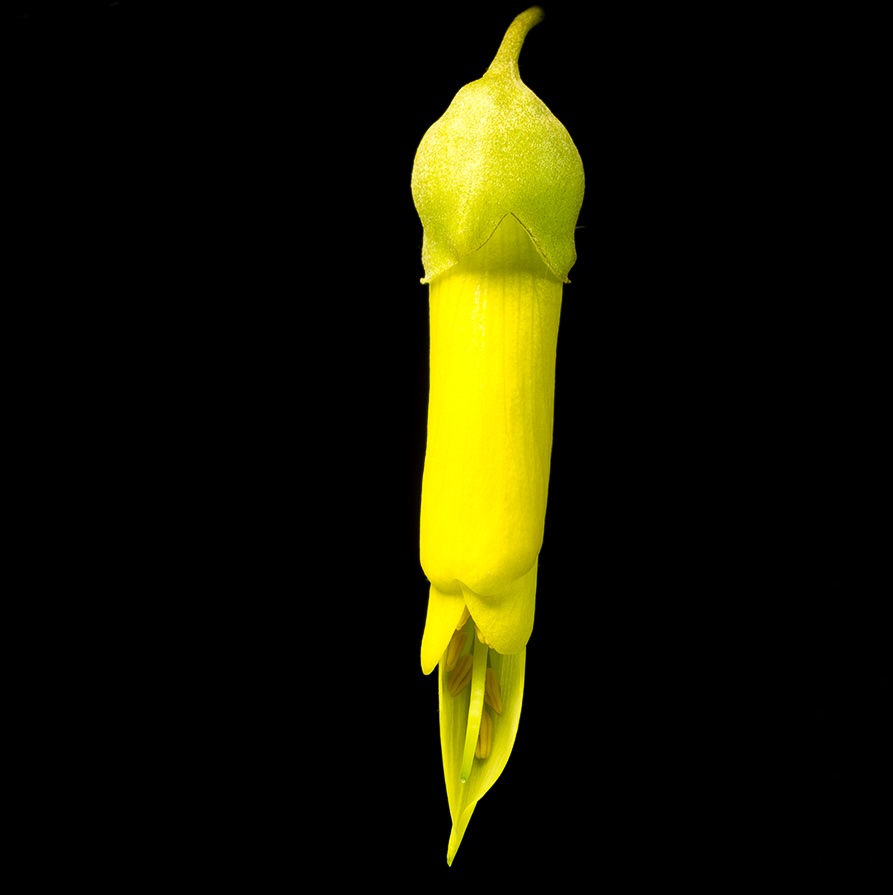
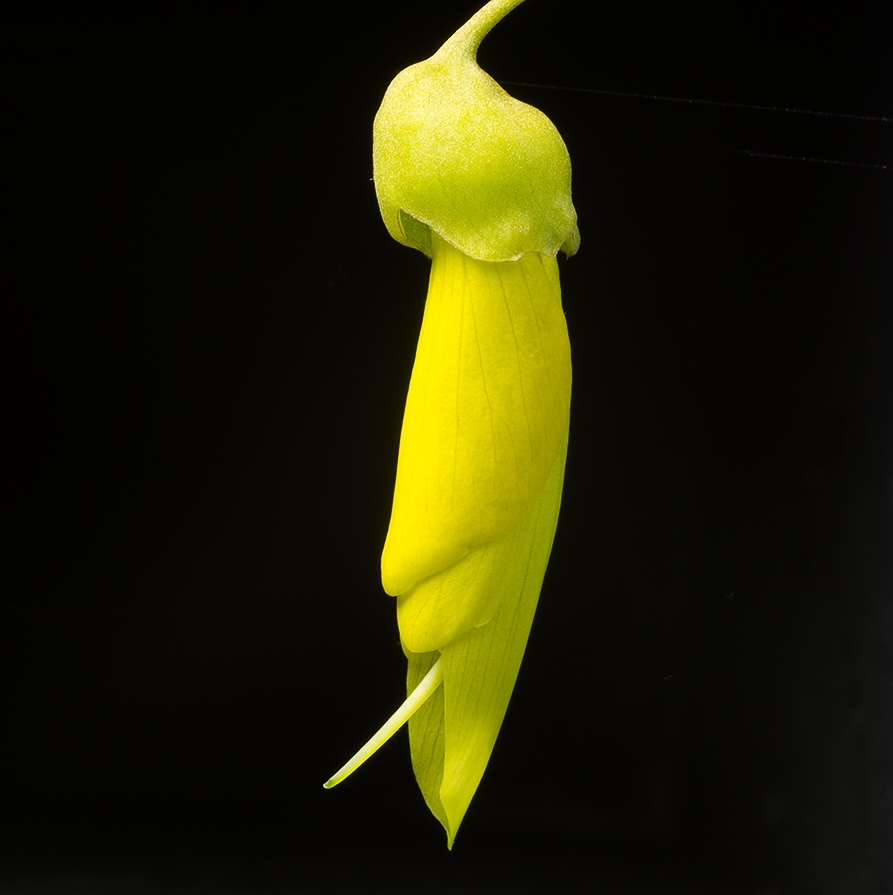
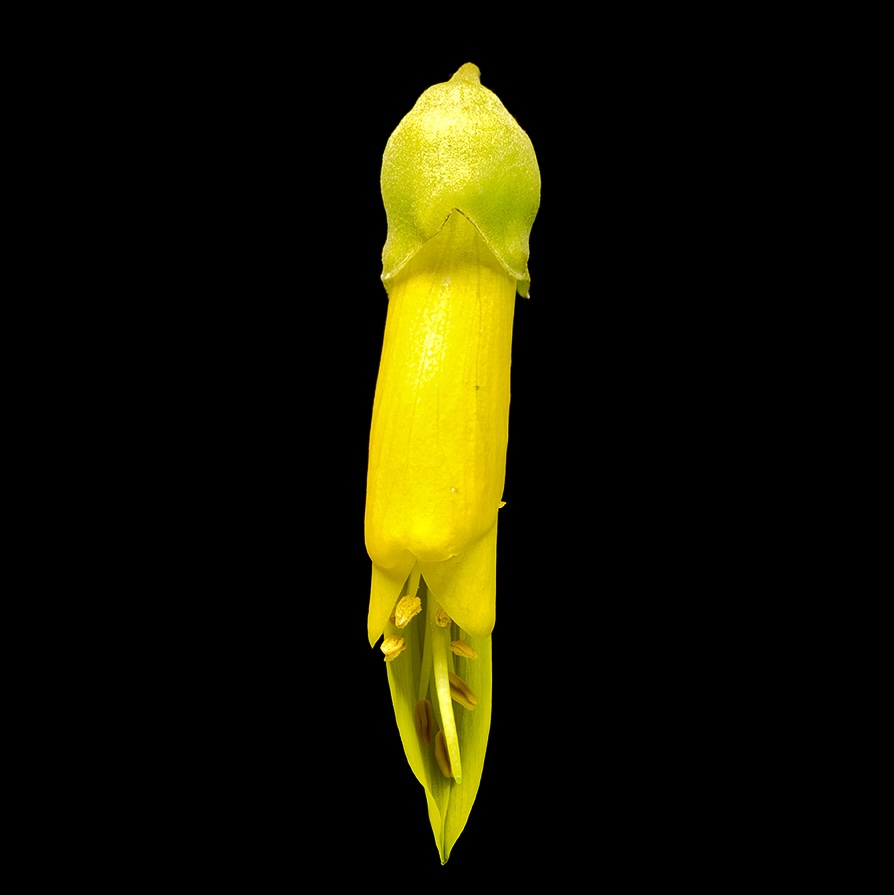
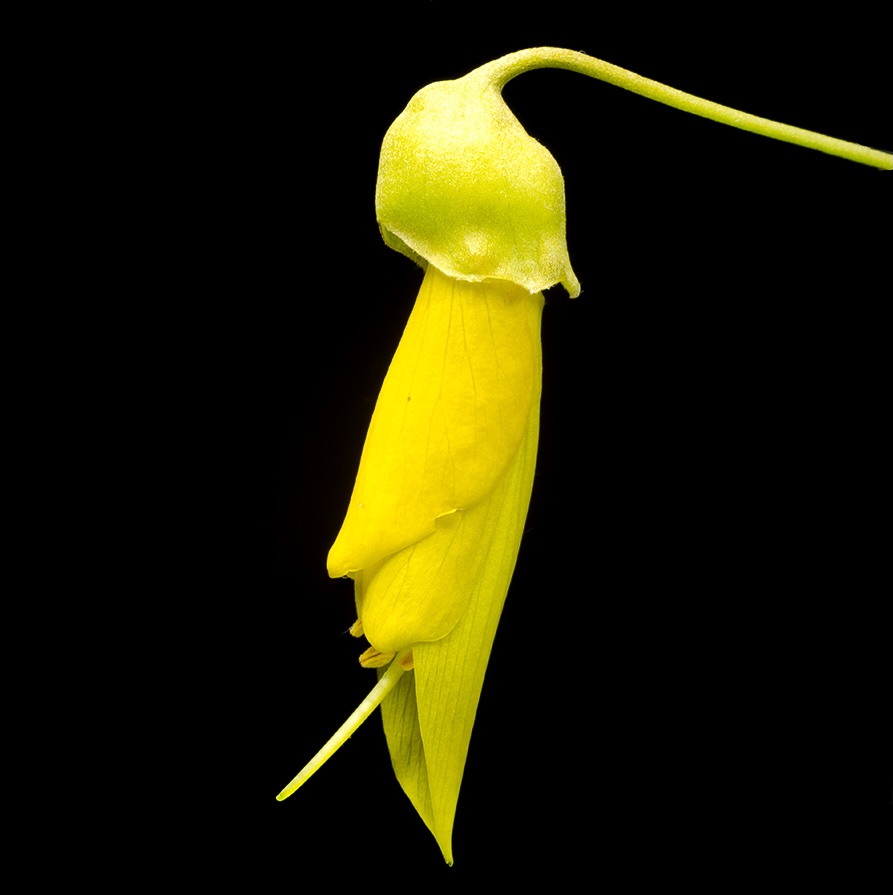
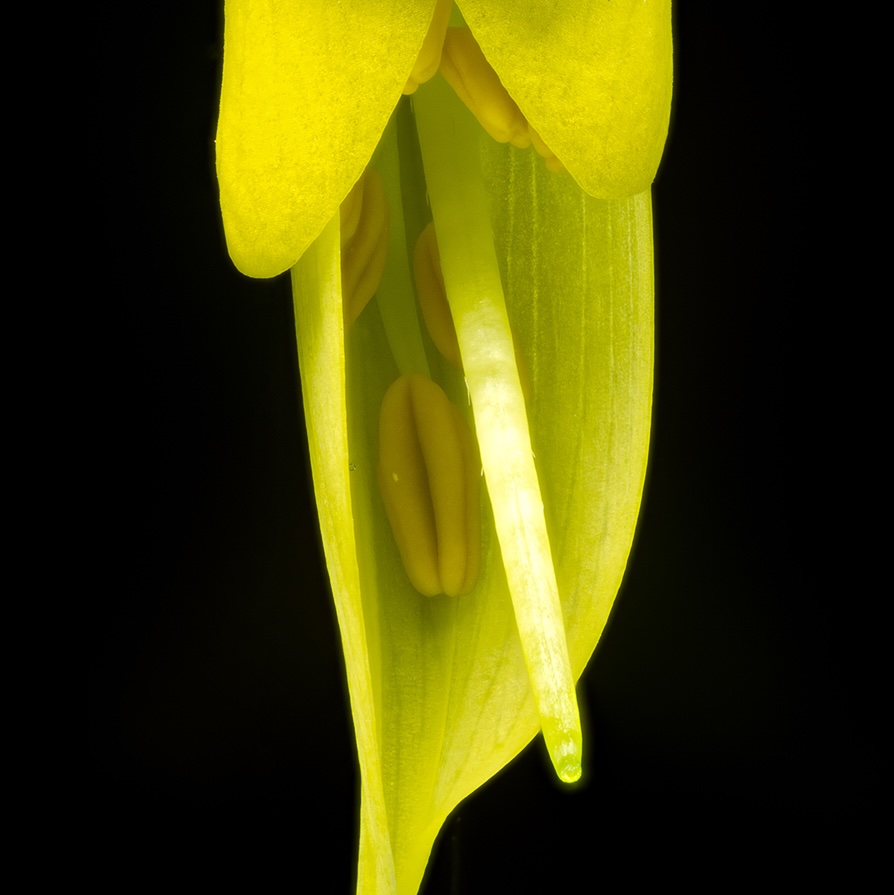
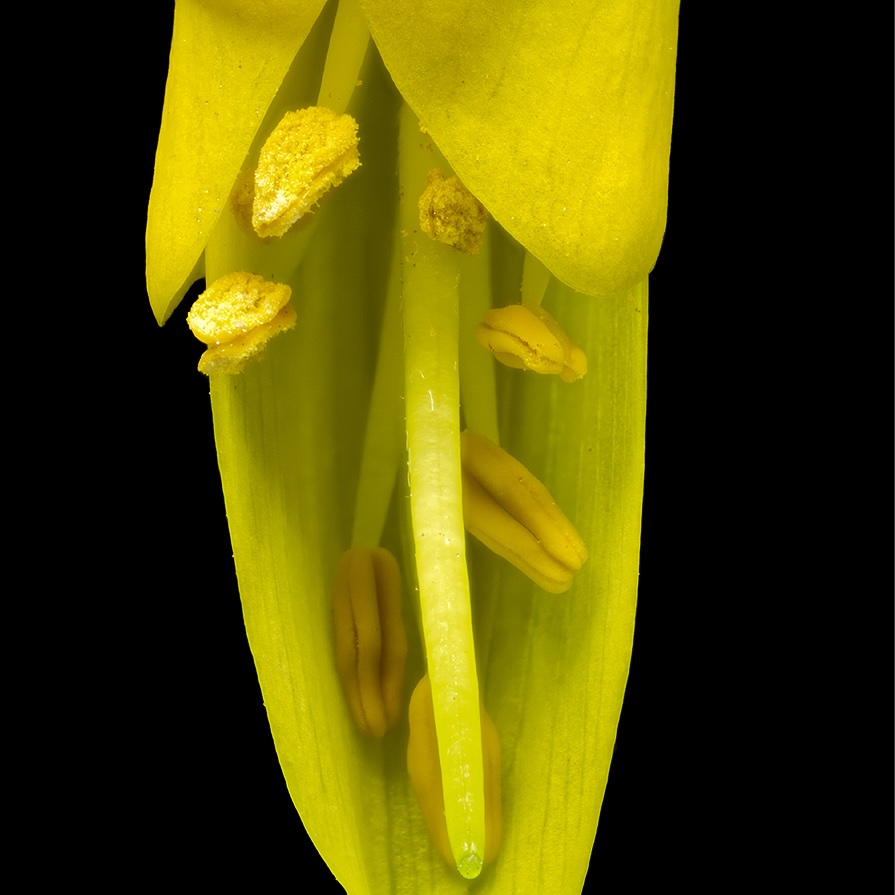
Kōwhai flowers are typical of the legume family, except for one important difference: all 10 stamens are separate, instead of nine joined and one free, as in most legumes. The calyx is cup-like, with five irregular teeth. The five petals are like others in the family: two joined to make the keel that folds around the sexual organs and the others separate as a standard and two wings. The pistil is a single carpel with ovules in a row, just like any pea pod or bean.
Cook Strait kōwhai is the first kōwhai to flower – these were photographed in June – and its flowers are more narrowly cylindrical than the others. The flowers are produced in clusters along the branchlets, which provide perches for the birds that quickly probe them, sometimes hanging upside down to do so. All Sophora species in New Zealand have very similar flowers, except S. prostrata, which has much smaller orange flowers. It’s likely they all have similar flower biology.
Kōwhai flowers are always bisexual, so the trees are hermaphrodites. The flowers rely on their size and bright-yellow colour to attract visitors, having no scent. Introduced honeybees and bumblebees are enthusiastic collectors of kōwhai nectar but likely too small to effectively outcross the flowers. They might even hinder pollination by stealing nectar through holes in the base of the flower. The main kōwhai pollinators are tūī and korimako, which defend flowering trees and are often seen with pollen on their heads, probing the flowers. Smaller birds are less effective because they can reach the nectar without contacting the anthers and stigma. Although visiting bees likely take some pollen, the reward for the pollinating birds is exclusively nectar, which is sugary and collects in quantity in the flower tube from a ring-like nectary between the stamen bases and the pistil.
The tubular directed-access flowers stay open for up to a week. The stigma and the anthers are separated, both in their placement (herkogamy) and in the maturing of the stigma before the anthers open (protogyny). That doesn’t make self-pollination impossible, or even unlikely, because pollen transfer between different flowers on the same tree (geitonogamy) is genetically no different from pollination within a single flower (autogamy). Experiments have shown that kōwhai flowers produce fewer seeds and weaker seedlings from self-pollination than they do from cross-pollination. It’s likely that very few of the progeny from self-pollination survive to breed in their turn, and so kōwhai populations depend heavily on abundant pollinators to accomplish outcrossing (Robertson et al., 2011).
Kōwhai trees produce their flowers in huge numbers, and many fall from the trees, forming a yellow carpet on the ground below. These might be flowers that haven’t been pollinated, or perhaps some have been self-pollinated. Some might have been damaged by the vigorous probing of their pollinators. It may even be that some flowers are aborted if the tree lacks resources to produce fruits from them all.

Bird pollination
Only a small number of New Zealand flowers (1–3 per cent) are pollinated by birds, but these flowers are among the most spectacular in the flora. Generally, pollination biologists will tell you that red is attractive to birds, and indeed many bird flowers around the world are red. Birds – but not many insects – can see red light, and so red flowers attract them while remaining obscure to insects.
In Aotearoa, many bird-pollinated flowers are red or orange; or in the case of kōwhai, yellow. Birds have been seen visiting small green flowers too. In kōtukutuku, the reproductive parts of the flower mature while the flower is still in the green-and-purple phase, and the nectar and pollen are often gone by the time the flowers turn red.
Typically, bird flowers lack scent (most birds have no sense of smell), and they produce a lot of sugary nectar, energy that keeps the pollinators flying. Many flower on stout branchlets where pollinating birds can perch to access the flowers, although this is not the case for hummingbird flowers, where the pollinator hovers.
It’s in their shapes that bird flowers vary most. Commonly, they are either open-access brush blossoms or directed-access tubular or gullet blossoms. Brush blossoms are generally clusters of small radially symmetrical flowers with reduced sepals and petals but extended and colourful stamens. Their flower-clusters can be rounded (e.g., pōhutukawa), cylindrical (e.g., rewarewa) or one-sided like a giant toothbrush (e.g., raupōtaranga). Gullet and tubular flowers use a well-developed calyx or corolla tube to present nectar, attract the pollinator and control its access to rewards. Gullet flowers are the most specialised; they use the curved upper lip of the corolla to arch over the flower throat, controlling the deposition and uptake of pollen on the bird’s head (e.g., pūriri, taurepo). Tubular flowers are similar but less specialised and more common in Aotearoa, including kohekohe, kōwhai, harakeke and kōtukutuku. Although the sepals or petals form a tube, in harakeke and kōwhai they are not connate.
Here, birds visit flowers with other shapes (Castro & Robertson, 1997), like the white bell flowers of hīnau and ngaio, the explosive red flowers of korukoru, red flag flowers of ngutukākā, or the green knob flowers of patē. Bell and knob flowers are thought to be most often insect-pollinated, however, and bird visits to them might be incidental.
–
Philip Garnock-Jones is a botanist, emeritus professor and former chair of botany at Te Herenga Waka Victoria University of Wellington. He is an internationally renowned expert on plant diversity and the author of over 100 scientific articles for local and international journals.
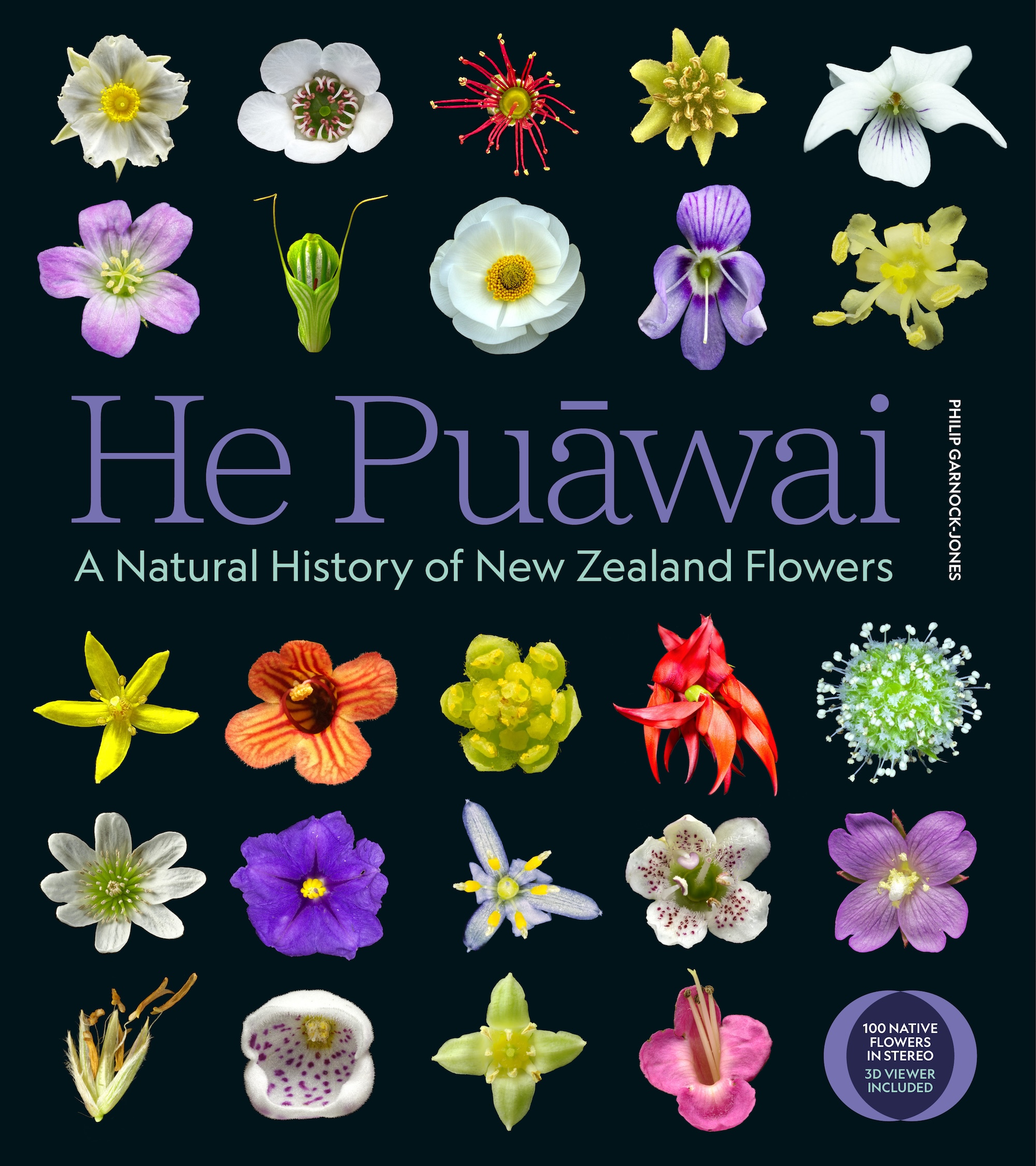
He Puāwai: A Natural History of New Zealand Flowers
He Puāwai: A Natural History of New Zealand Flowers by Philip Garnock-Jones, Auckland University Press.
Buy Now