
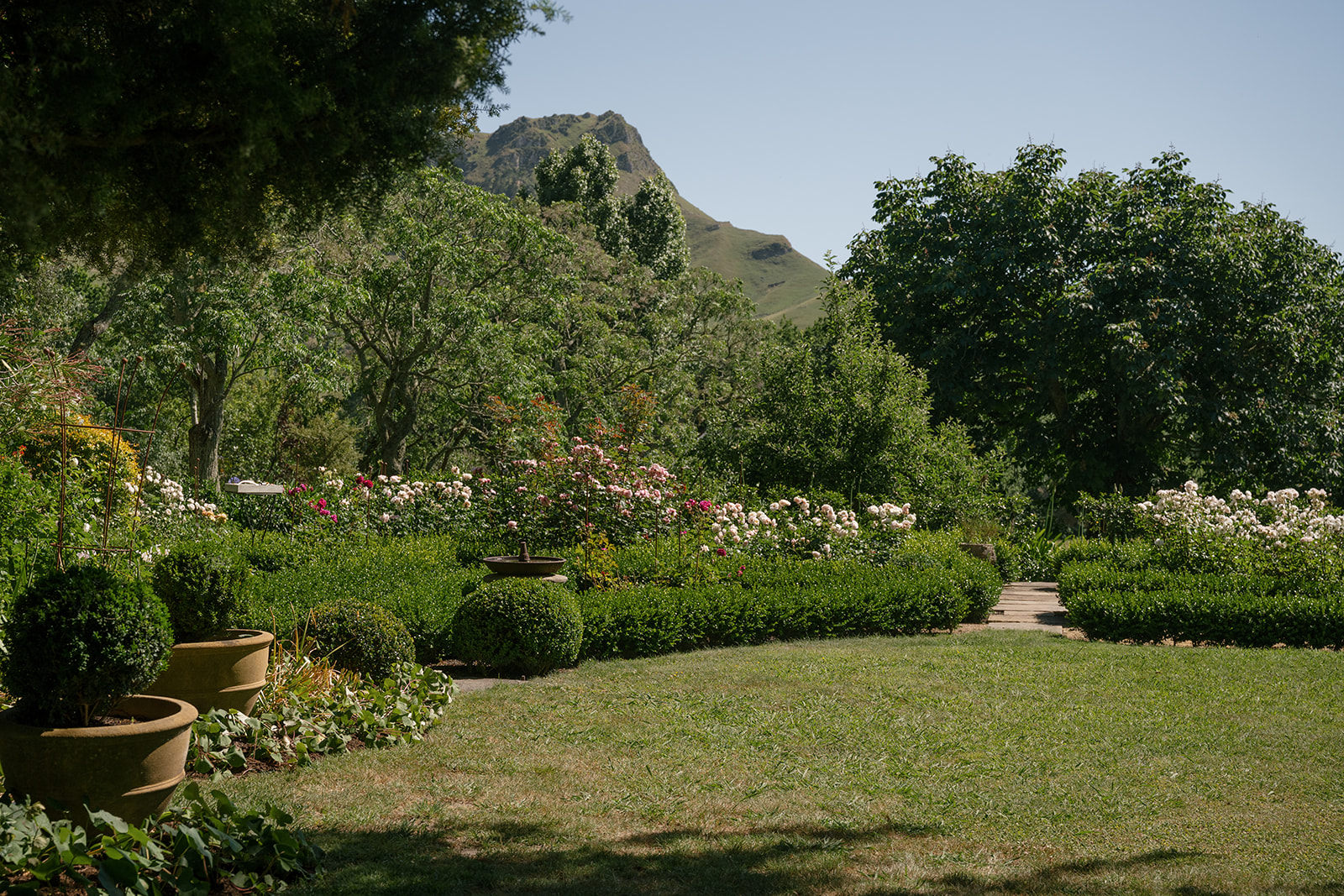
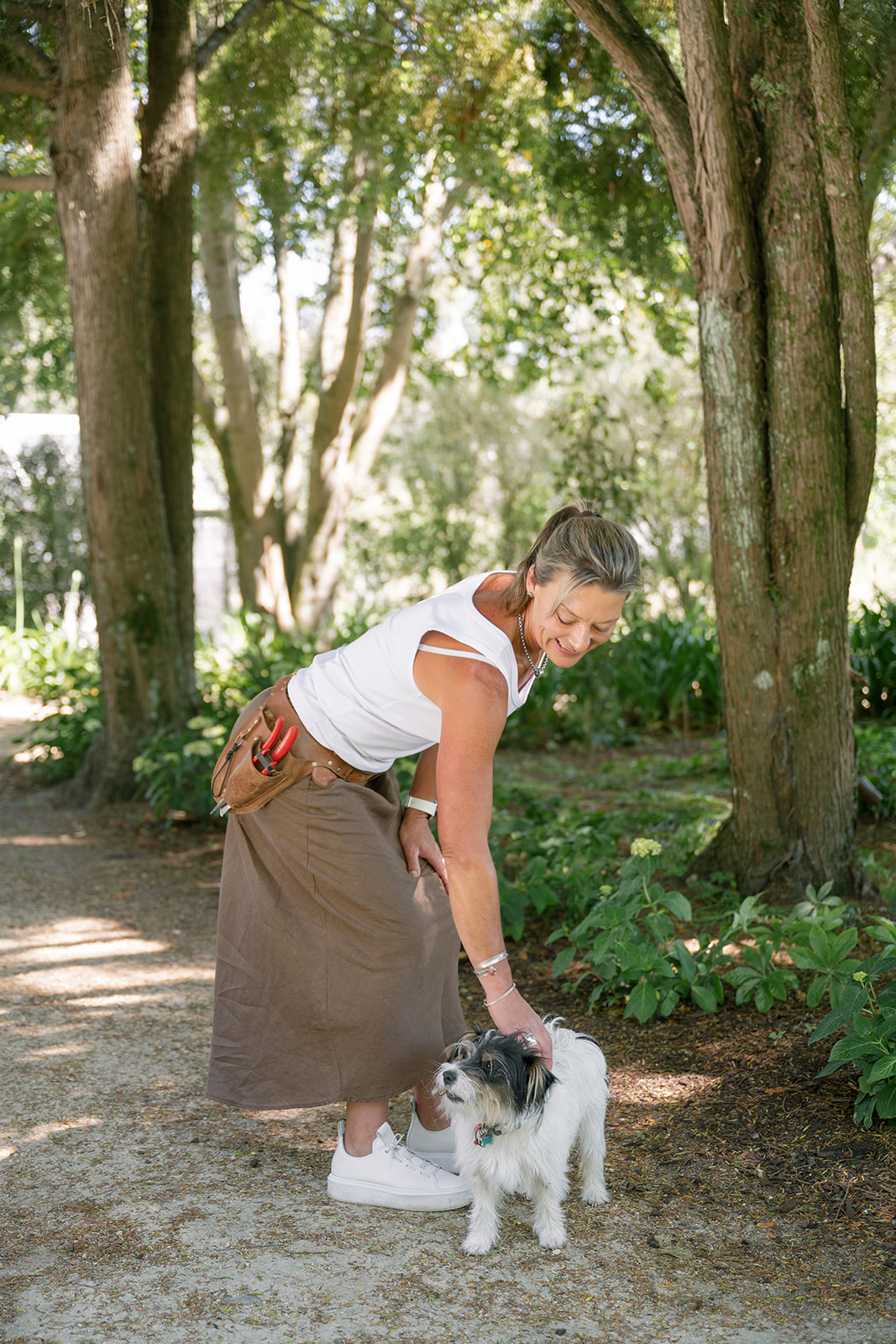
Just outside Havelock North, with views to Te Mata Peak, Tauroa Farm is a working property where organic garden and farmland are being shaped together. Under head gardener Carla Pick, the garden is a gradually evolving landscape.
A story brought to you in partnership with Resene.
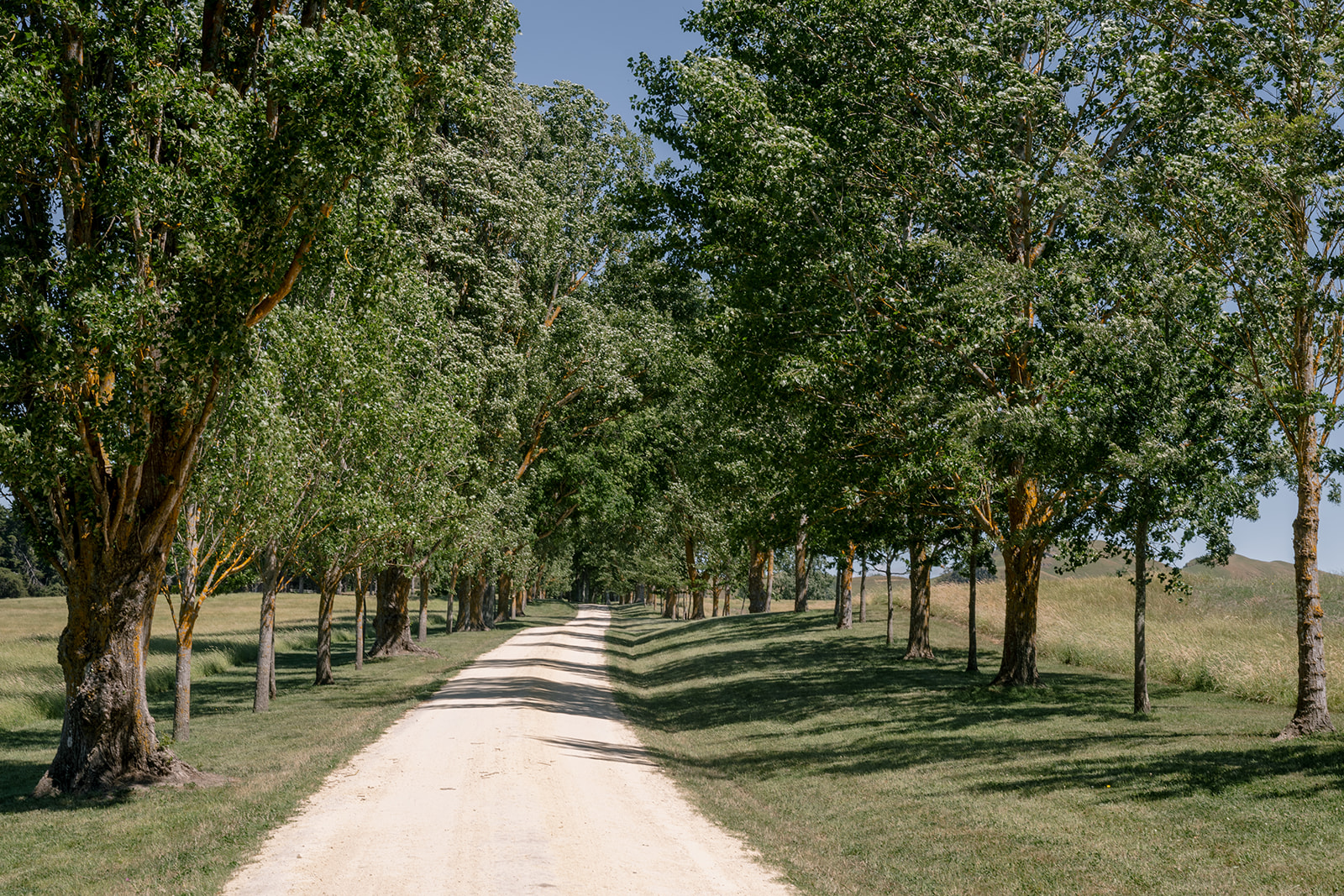
Tauroa Farm sits along Matangi Road, just outside Havelock North, with a clear view up to the back of Te Mata Peak. It’s a large working property – part garden, part organic farm – where the land has been carefully reshaped to create an English country-style haven for its travelling owners.
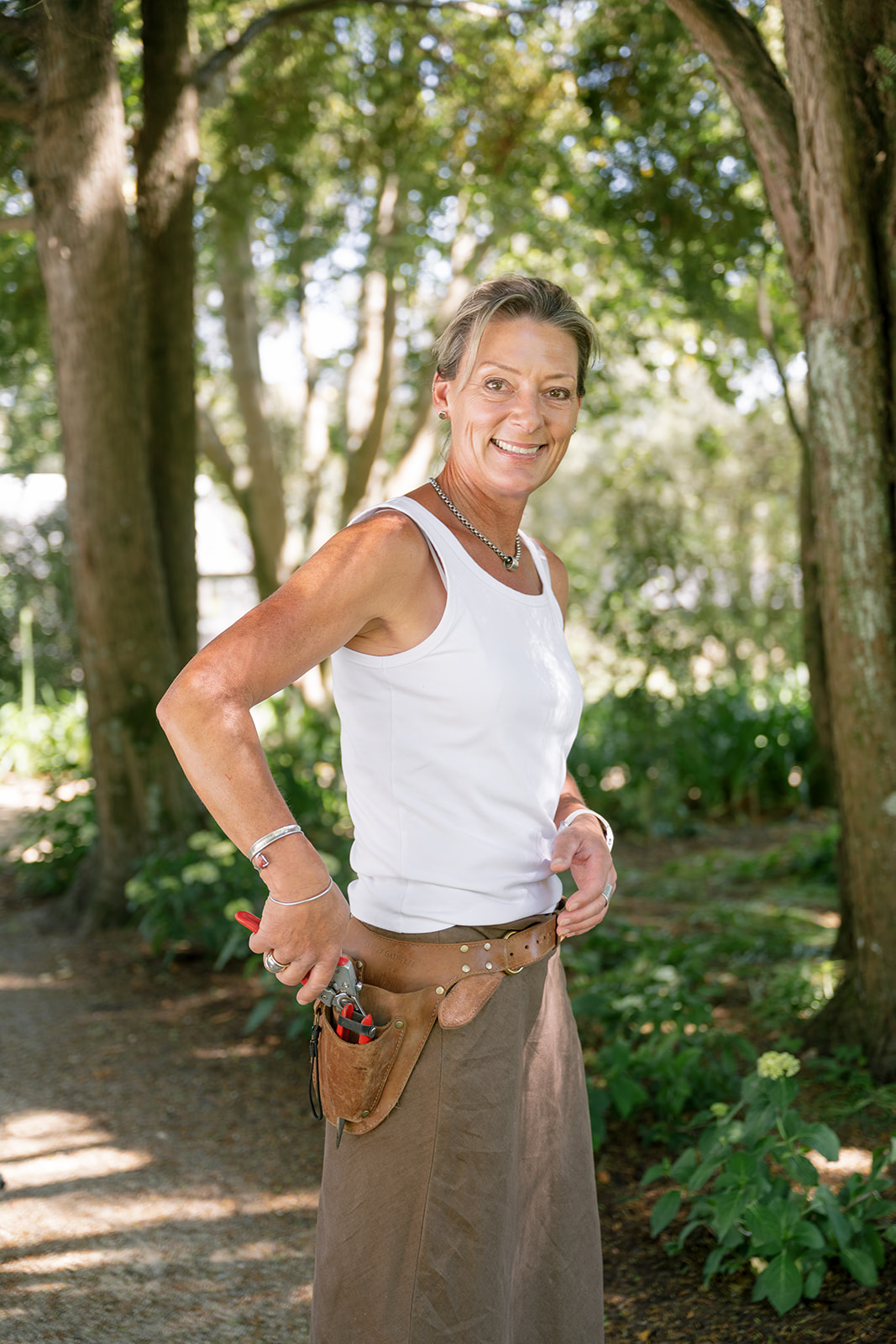
When head gardener Carla Pick first arrived, the garden was overgrown and largely undefined. Much of the early work wasn’t planting, but groundwork – digging, shifting and shaping the land to create something that felt natural. For Carla, it’s a dream role – the rare opportunity to work long term on a garden at this scale and see it evolve over time.
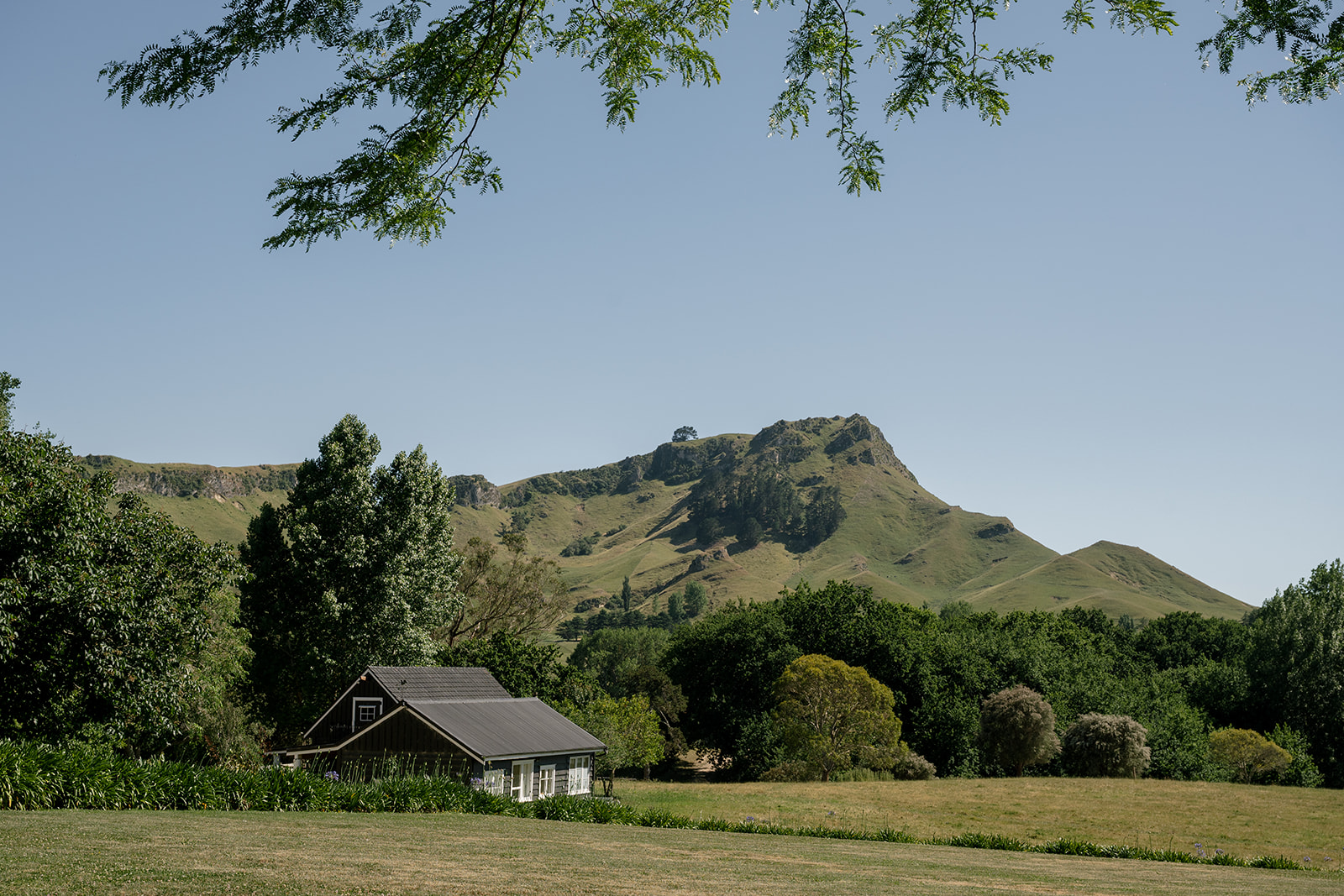
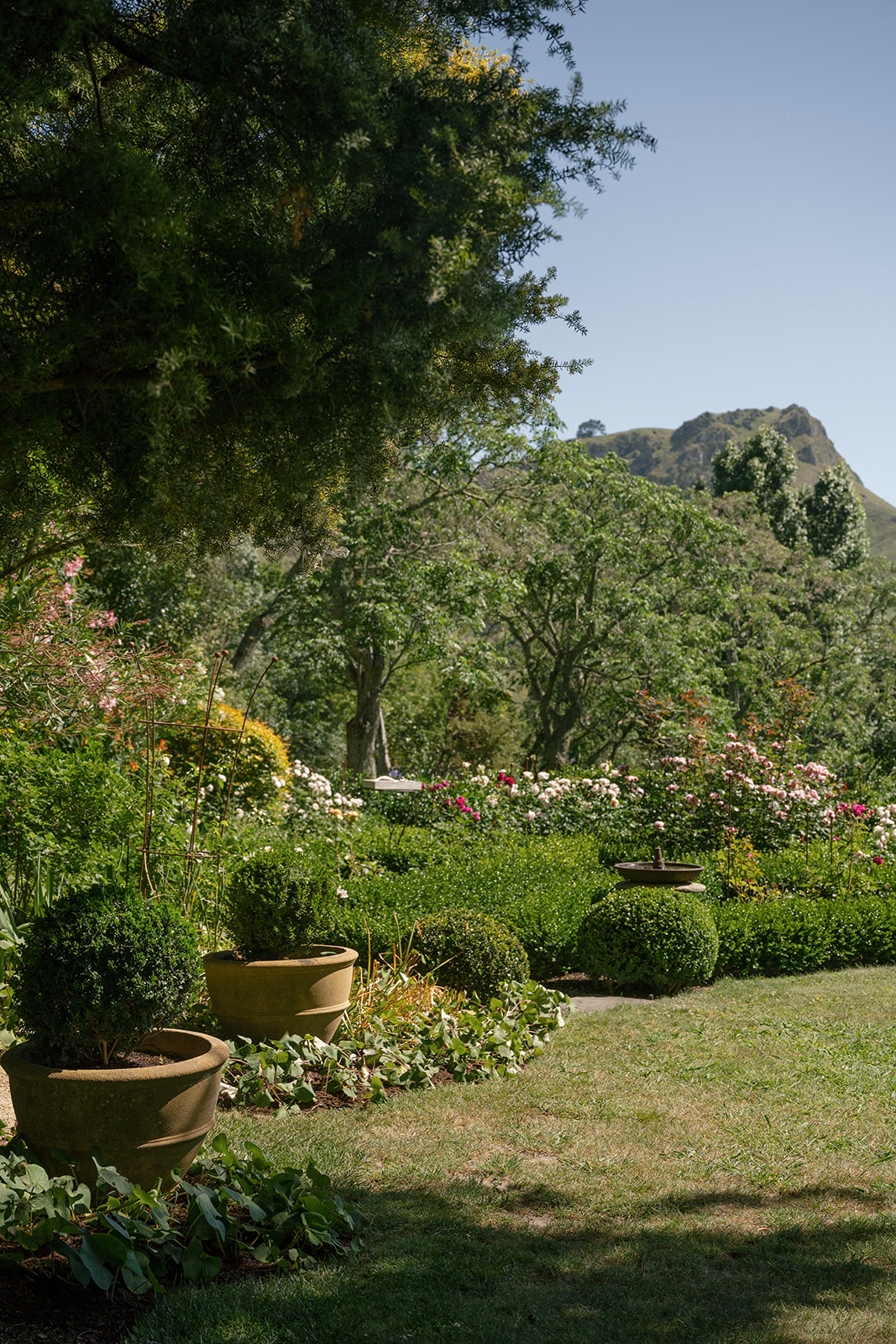
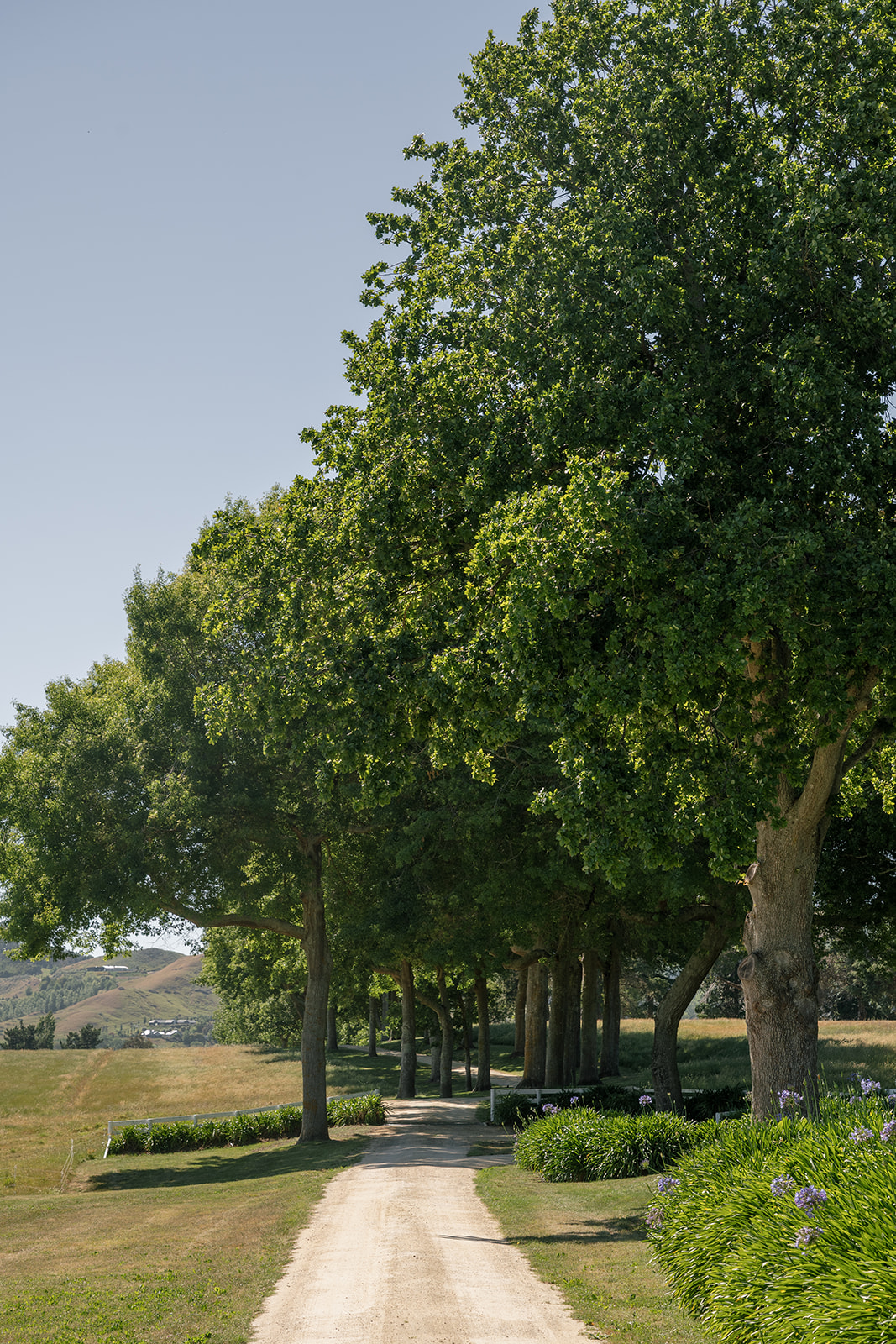
Carla spent close to two years working the ground before the garden really began to take shape. Slopes were softened, levels adjusted, and areas lifted or cut back so the land could move more naturally. Sections of lawn were lifted by as much as six metres across a 60-metre stretch, while high points were shaved back to soften the contours. The aim wasn’t to flatten the land, but to create gentle undulation, which would hold the view out to Te Mata Peak and adjacent farm land while giving the garden structure.
Owner Rob Holden grew up just two kilometres down the road, so when the home came up for sale a few years ago, he bought it. New Zealand is just one of several homes the property developer and his family move between throughout the year, alongside residences in Sweden, Bermuda and Sydney. They usually spend around four months here over summer, and the property continues to evolve in their absence. After buying the original house, Rob went on to purchase the surrounding land, which is now farmed organically.
The decision to create an English country-style garden in rural Hawke’s Bay wasn’t without its critics. There was an expectation it should be planted in natives, but Rob was clear on the direction. He wanted something that reflected his own taste – and was willing to go against the grain to achieve it. Even plants like agapanthus, often debated in New Zealand gardens, have a place here for their durability and long bloom. While the planting direction may lean traditionally English, Rob is a “massive conservationist” and the entire property is managed organically – a principle that underpins everything.
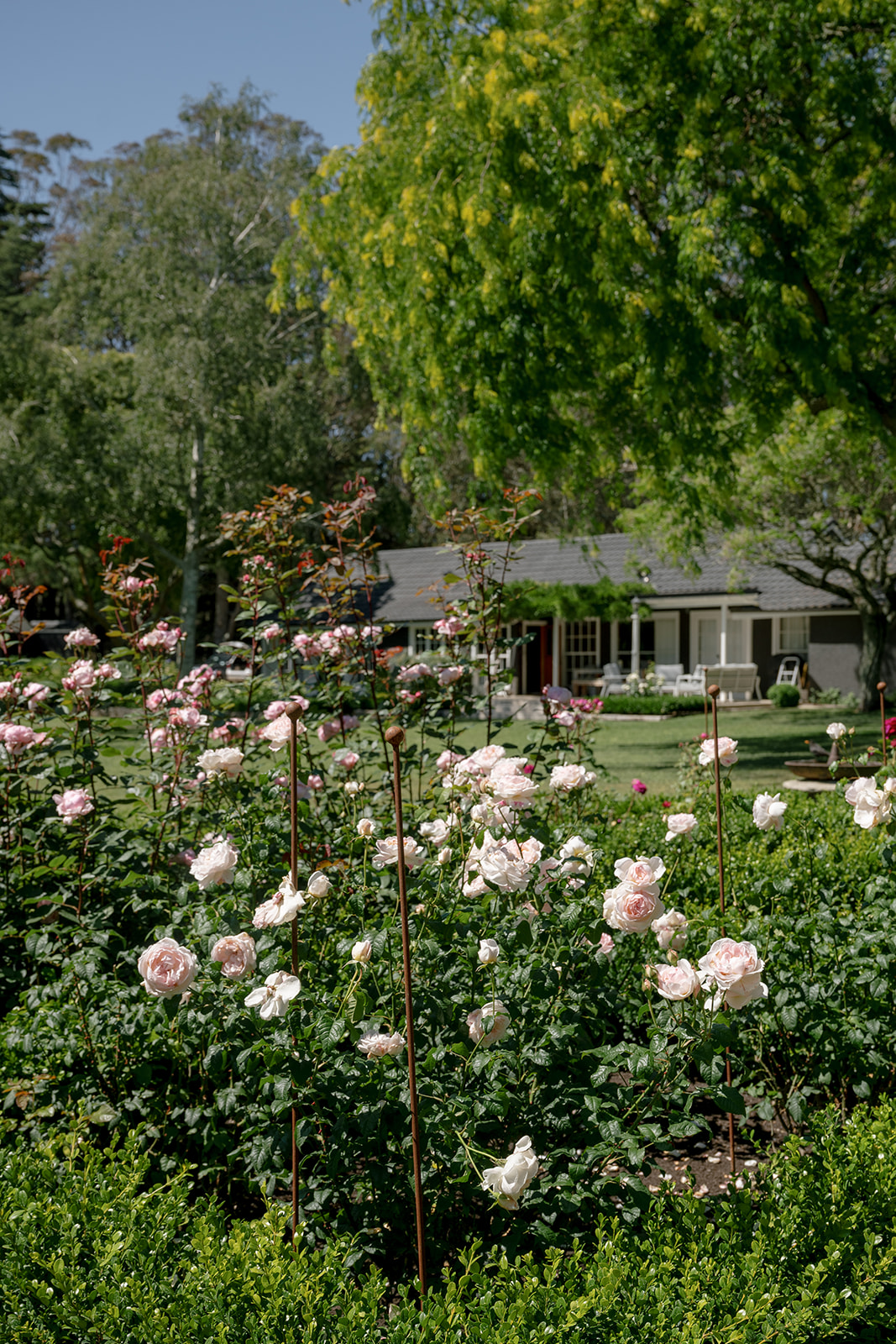
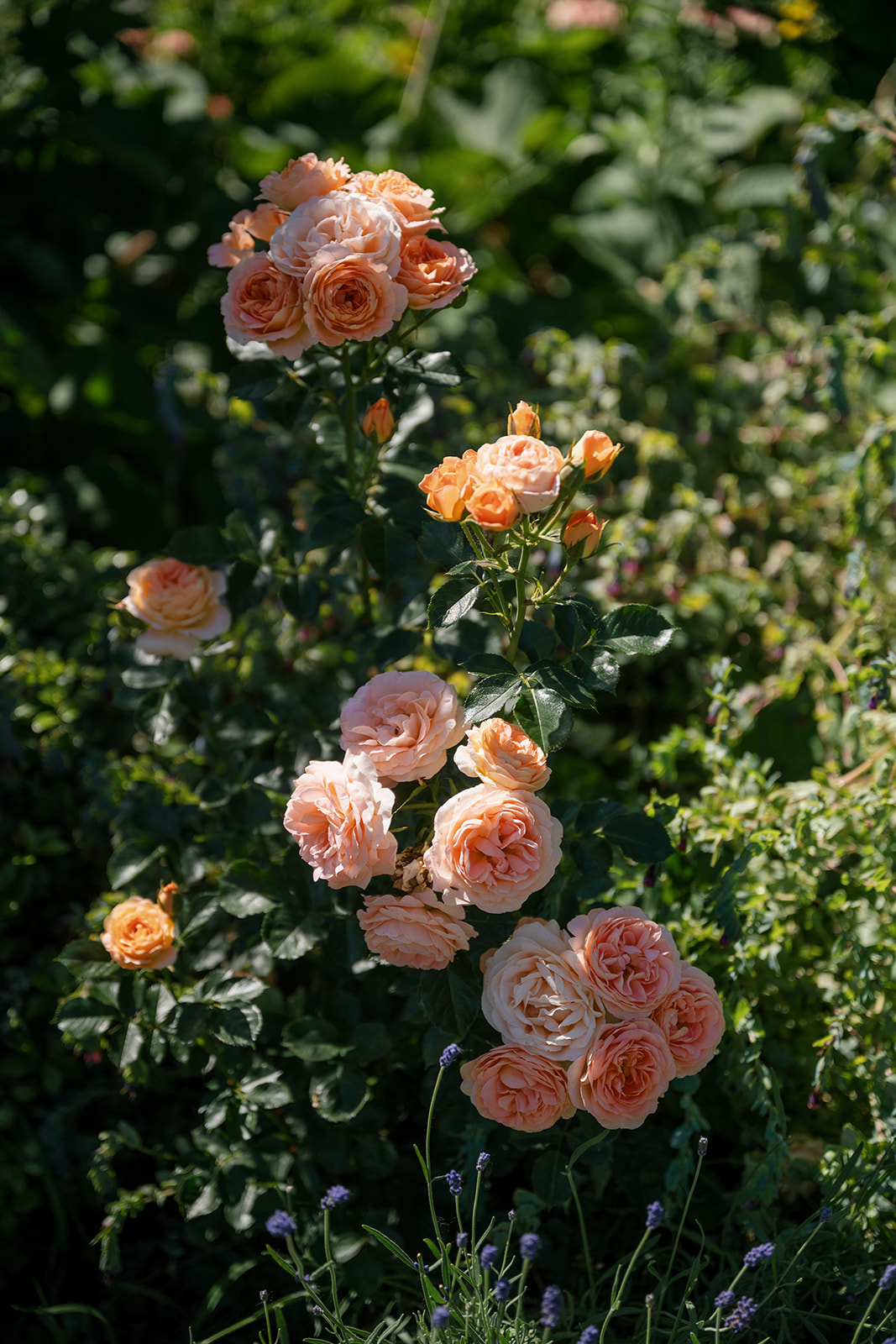
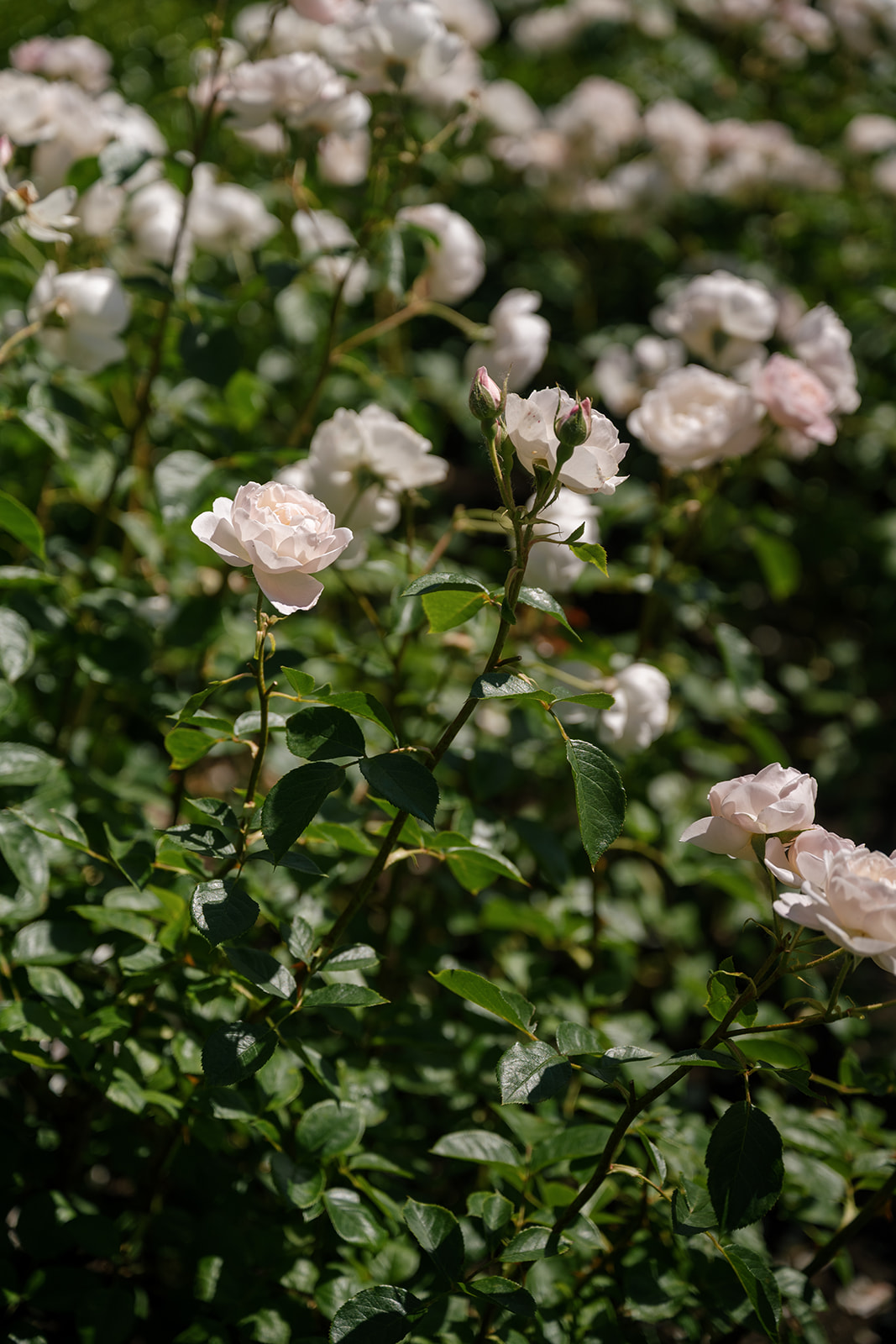
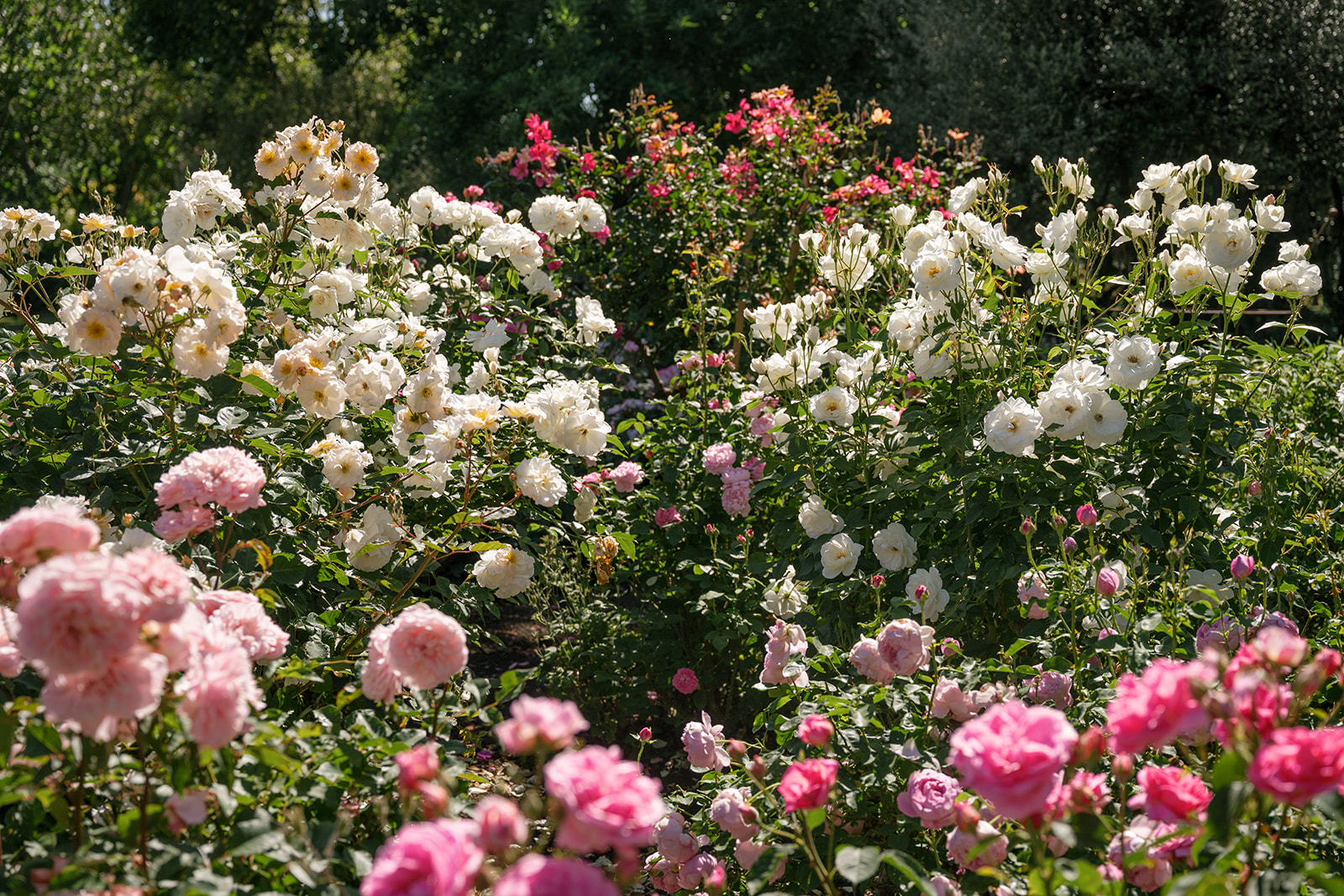
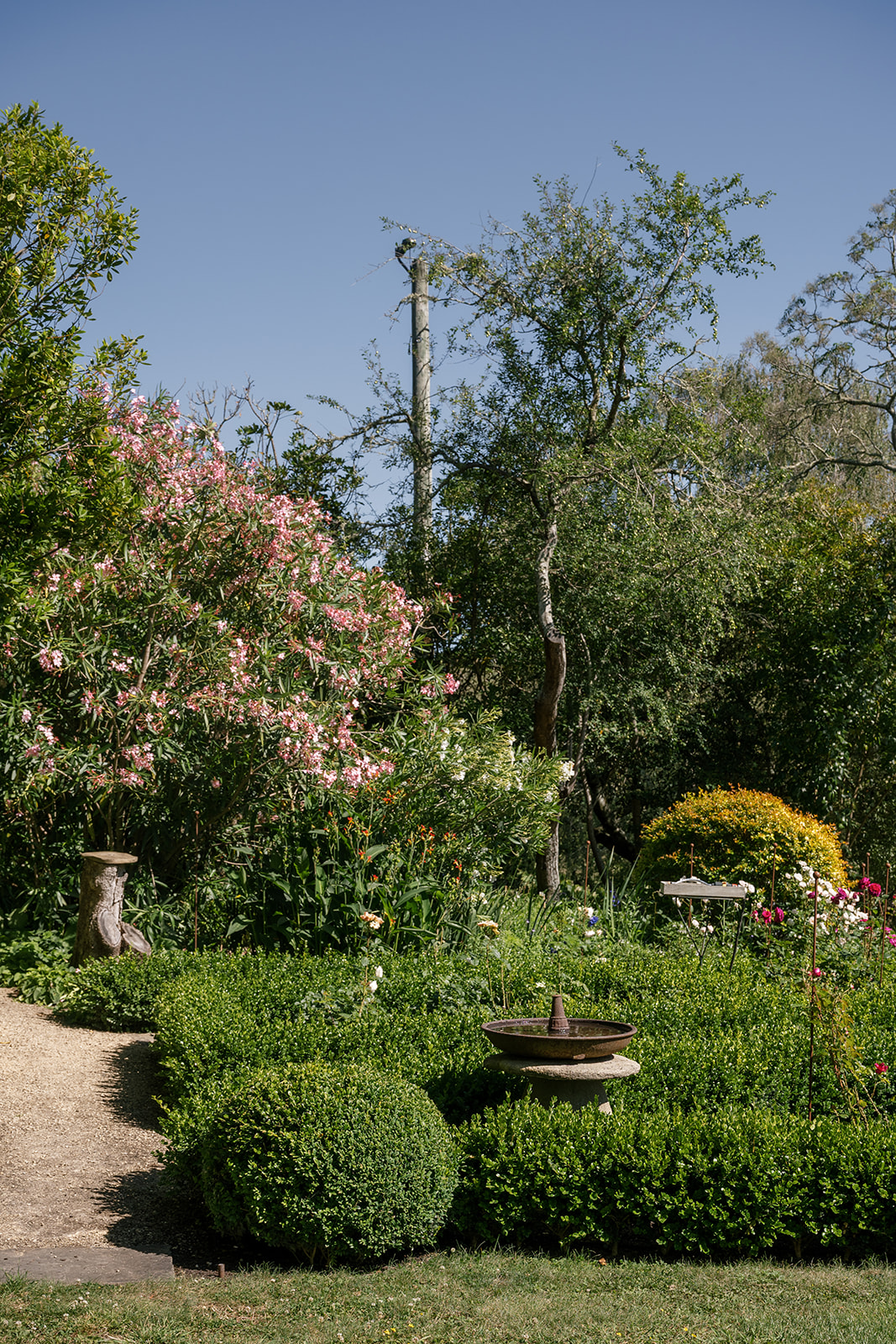
Coming in as head gardener, Carla’s role has been to interpret Rob’s vision in a way that works with the land. “A garden can still be tidy and be organic,” she says. At Tauroa, that balance shows in the structure of the planting – formal elements like 1.5km of buxus hedging and rose beds sitting alongside more relaxed, natural areas that are allowed to shift and reseed over time.
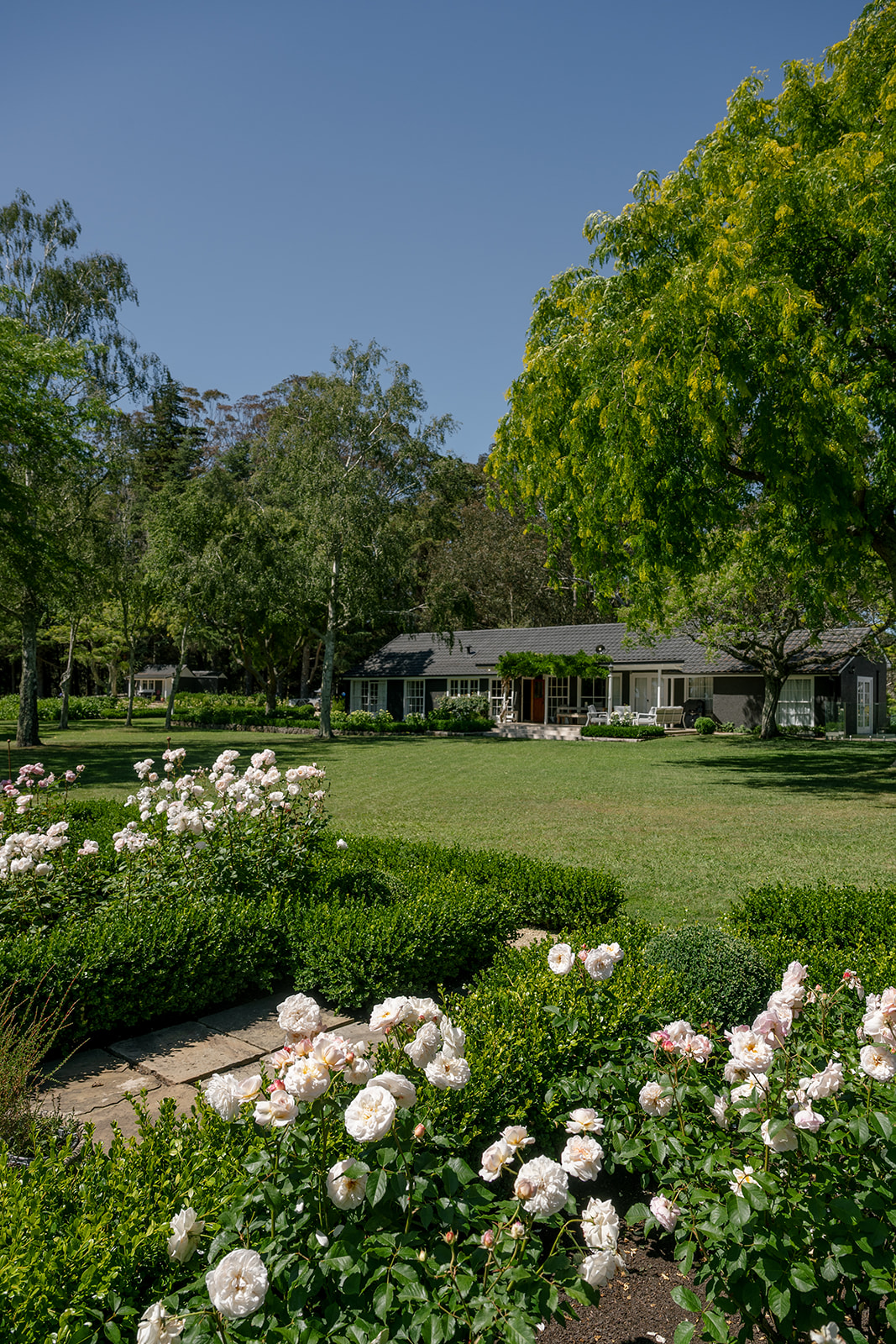
There is a strong sense of order, but it doesn’t feel rigid. The long runs of Buxus ‘Green Gem’ (a looser style of buxus than traditionally used) define and guide movement through the garden. In spring and early summer, the rose garden comes into its own, with healthy plants sitting comfortably within the wider landscape.
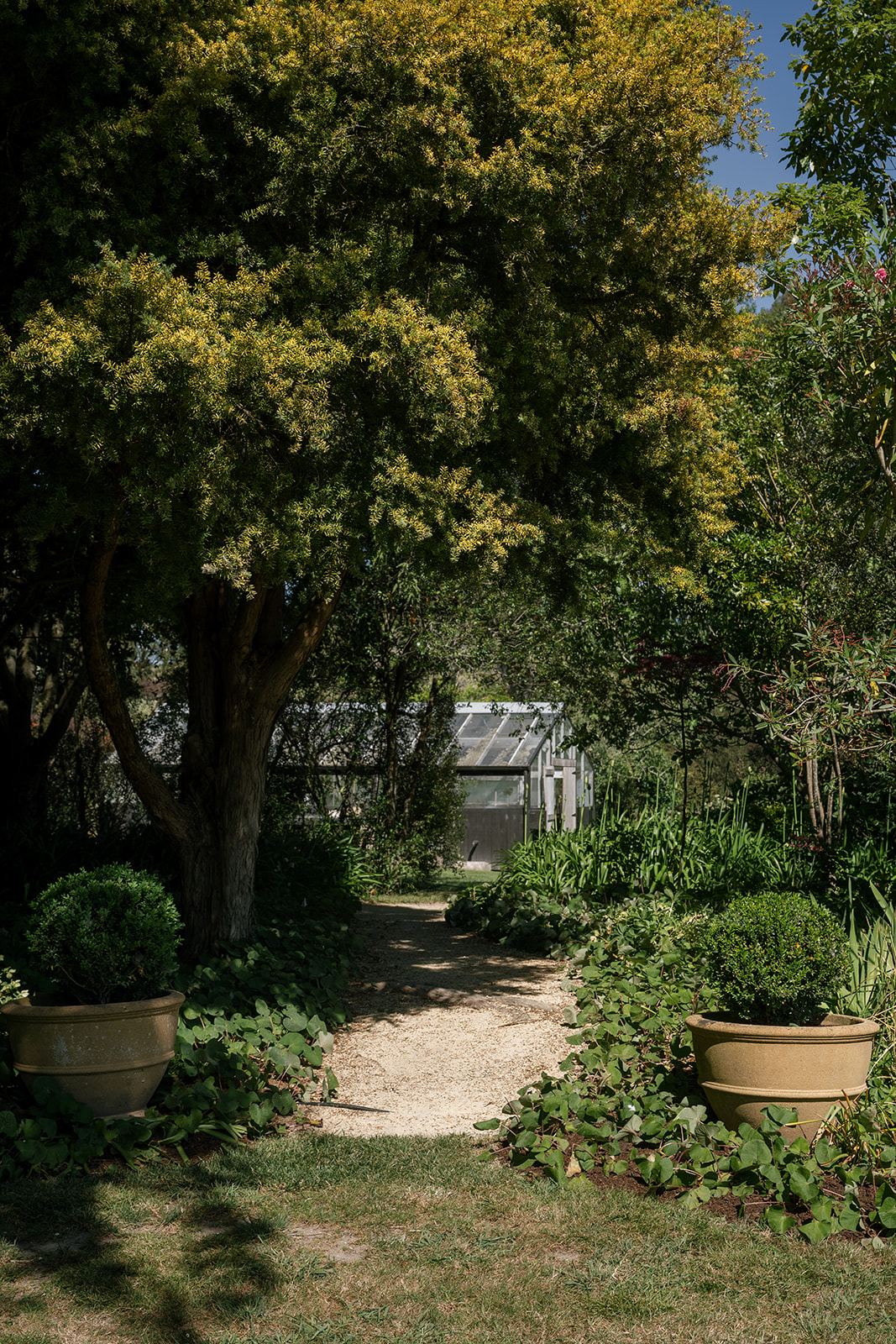
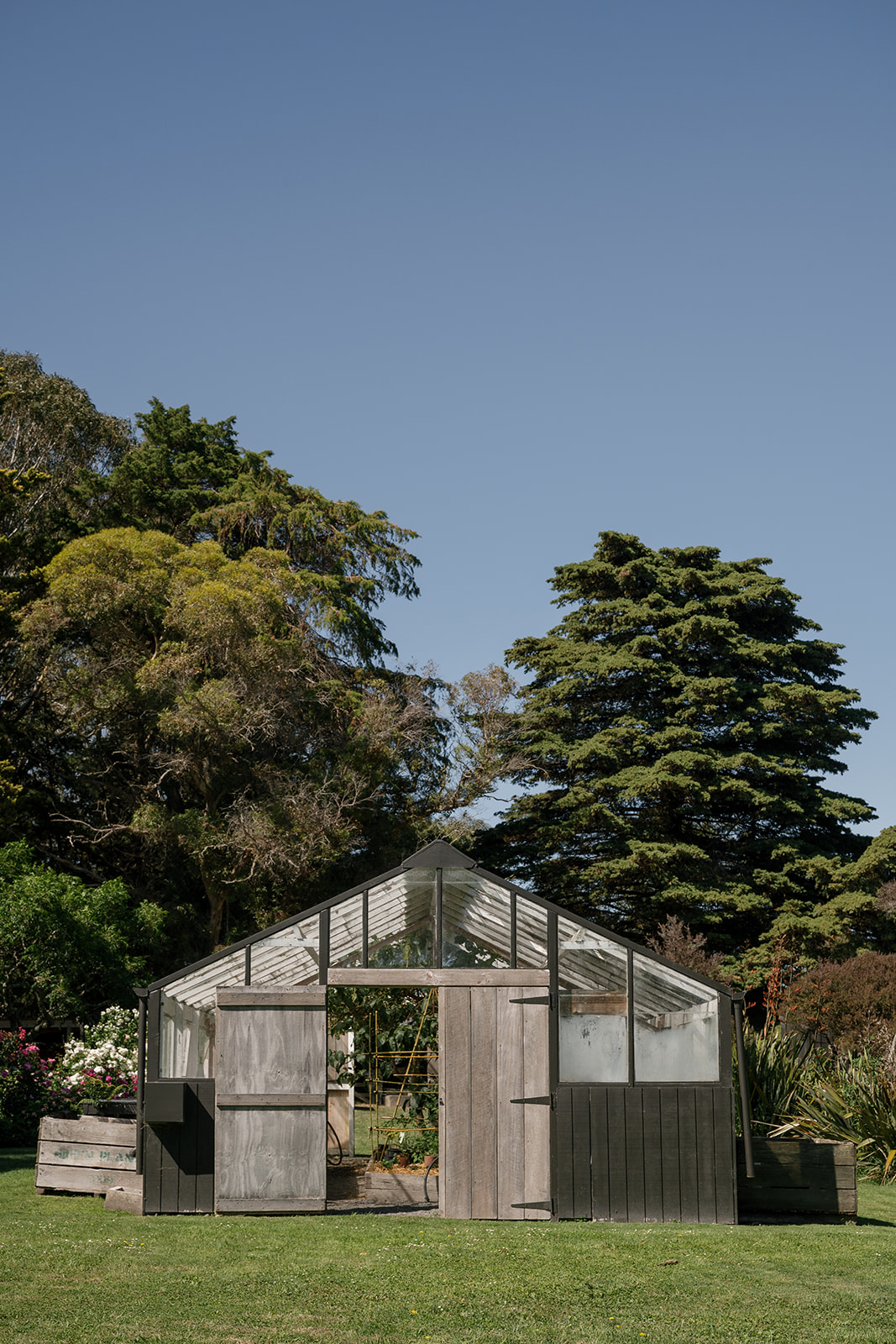
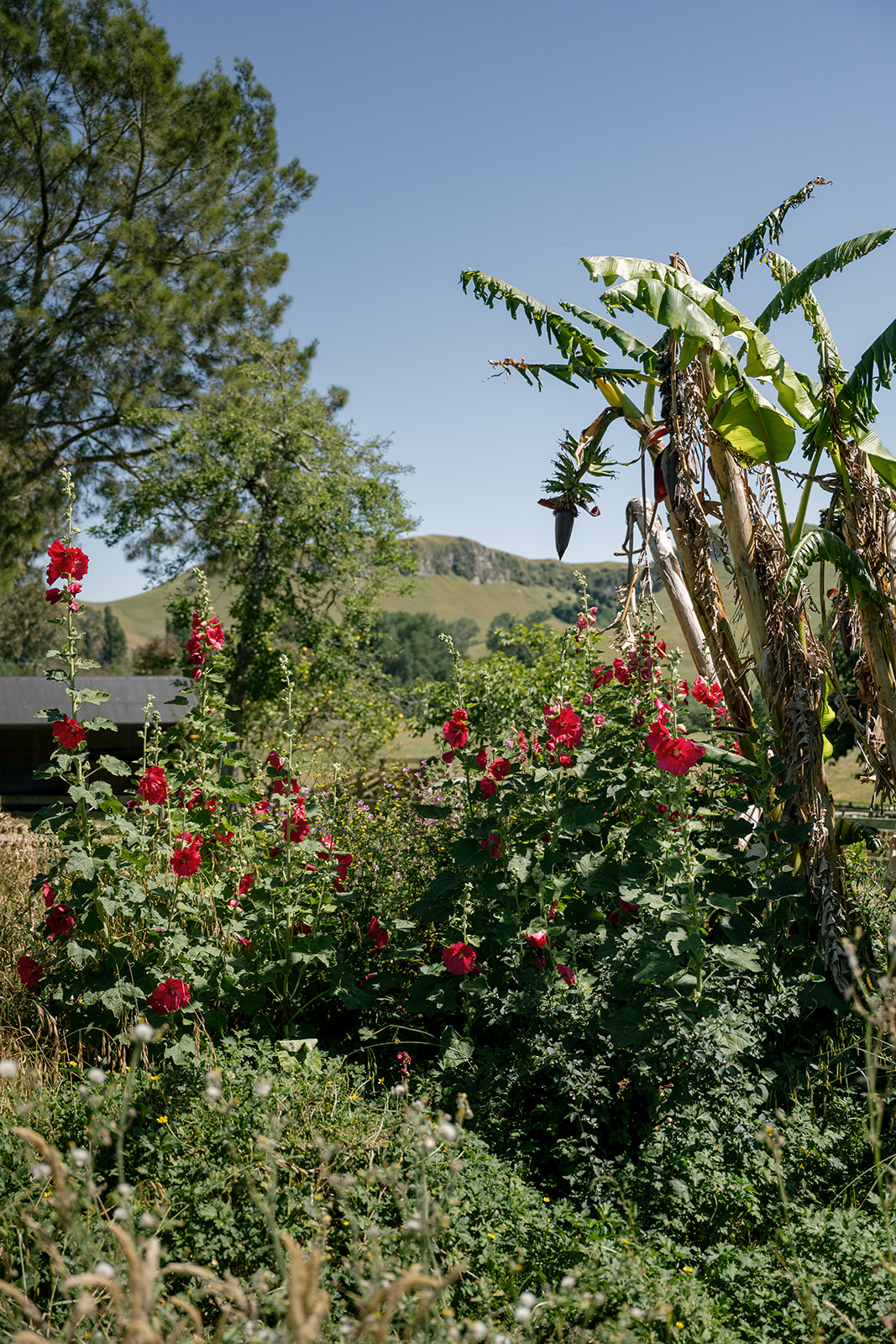
Elsewhere, the garden is more informal. What was once a compost area has evolved into a working space that includes a nursery and picking garden; a place where plants are moved, tested and given time. “It’s a bit of a ‘chuck it in’ area,” Carla says. “If something needs a second chance, it comes here.” It also provides flowers for Rob’s wife, Ana, to pick for the house, along with produce from the surrounding vegetable beds, which are gradually being established among self-seeding plants from the previous owner’s garden.
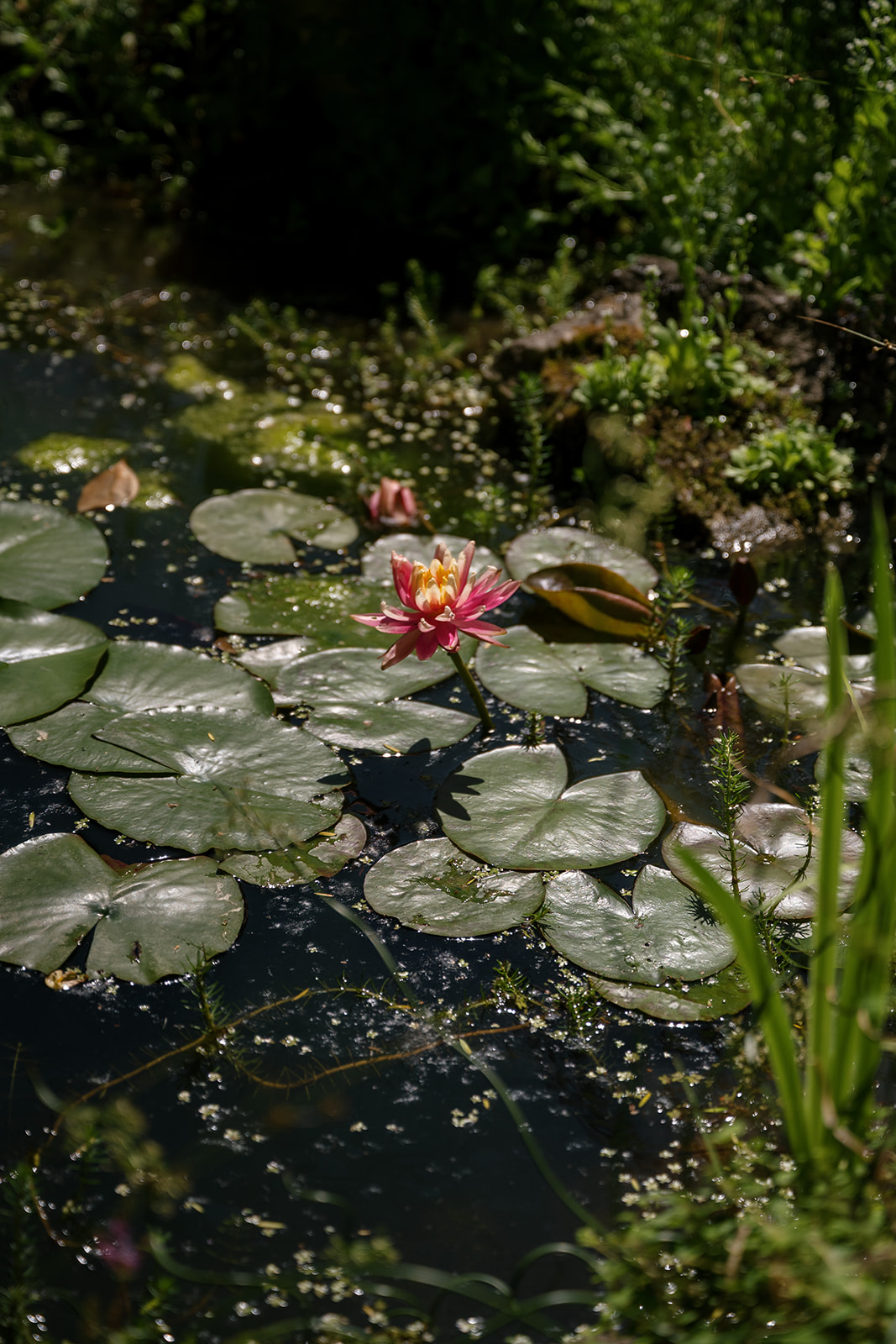
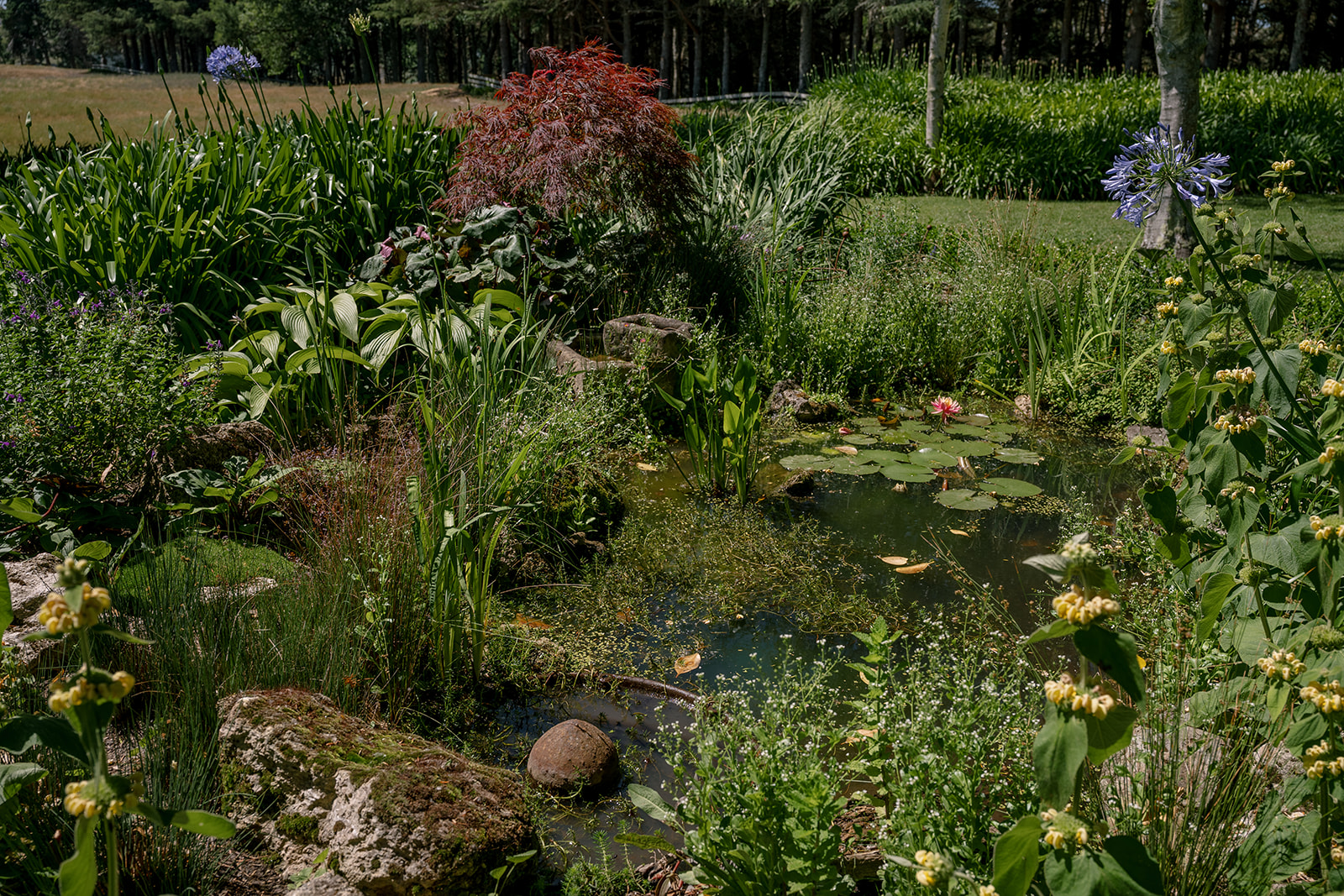
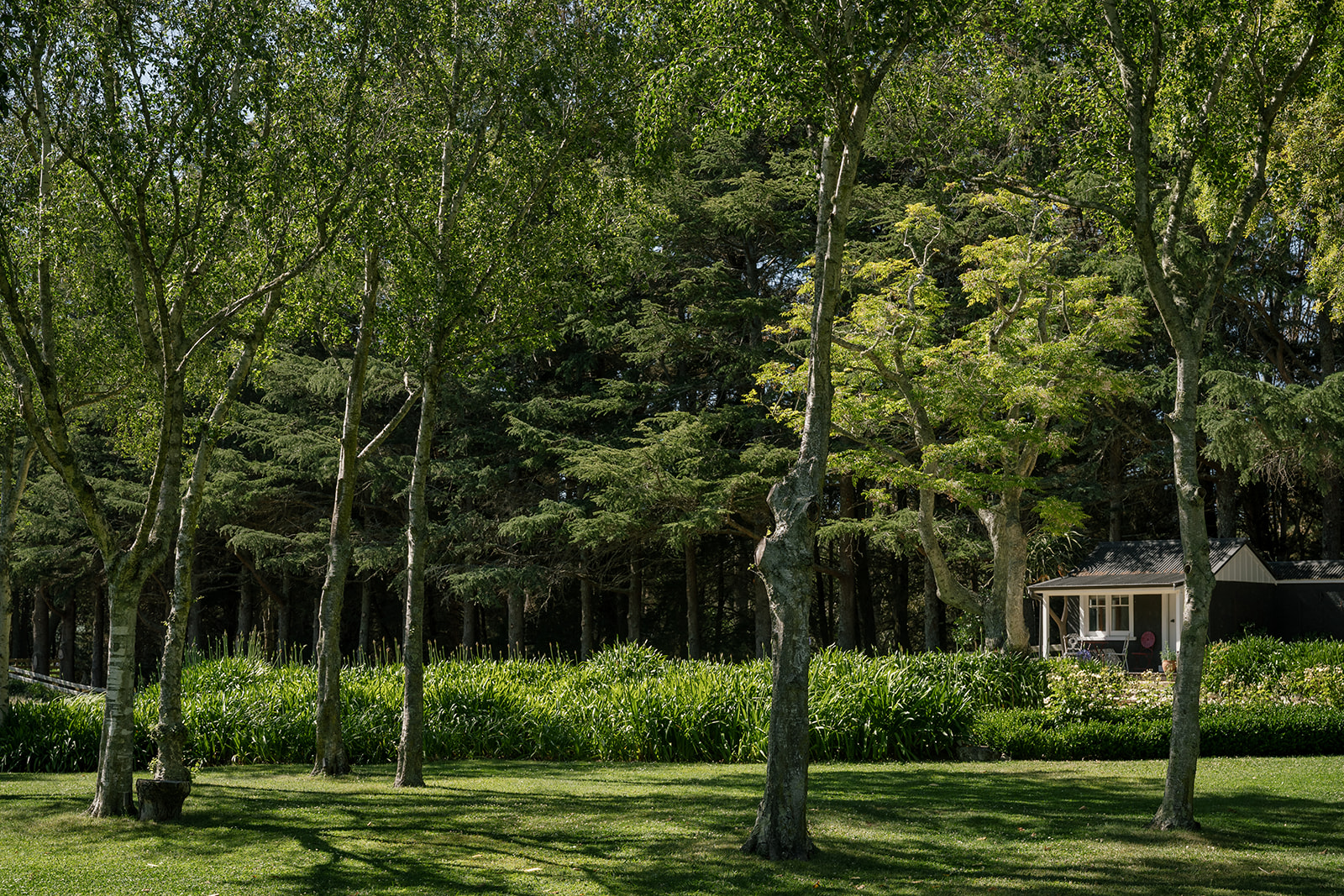
A pond, developed by Carla and fellow gardener Barry, sits under a cluster of birch trees, surrounded by a mix of established and new planting. Like much of Tauroa, it’s an area that continues to be adjusted over time.
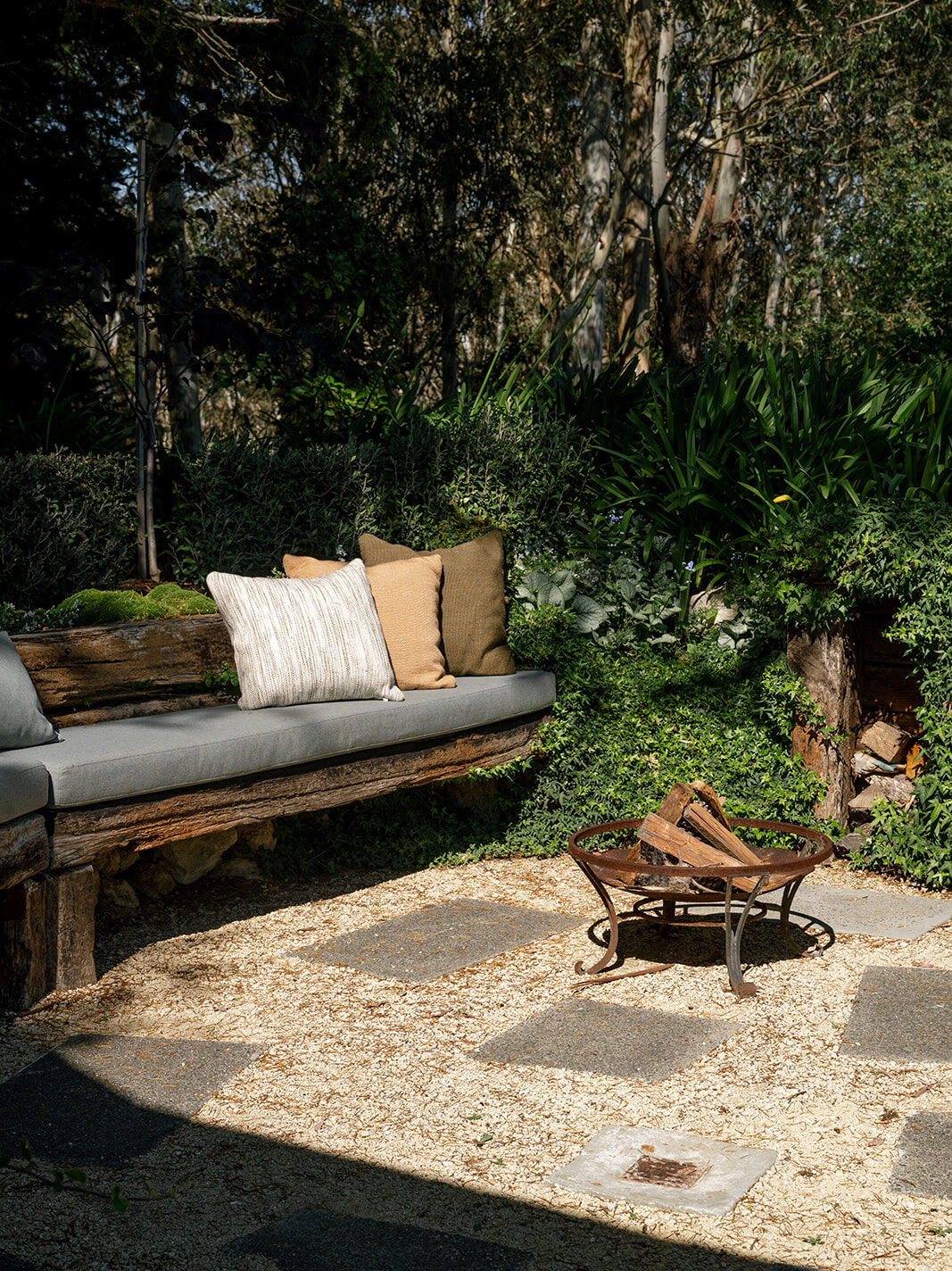
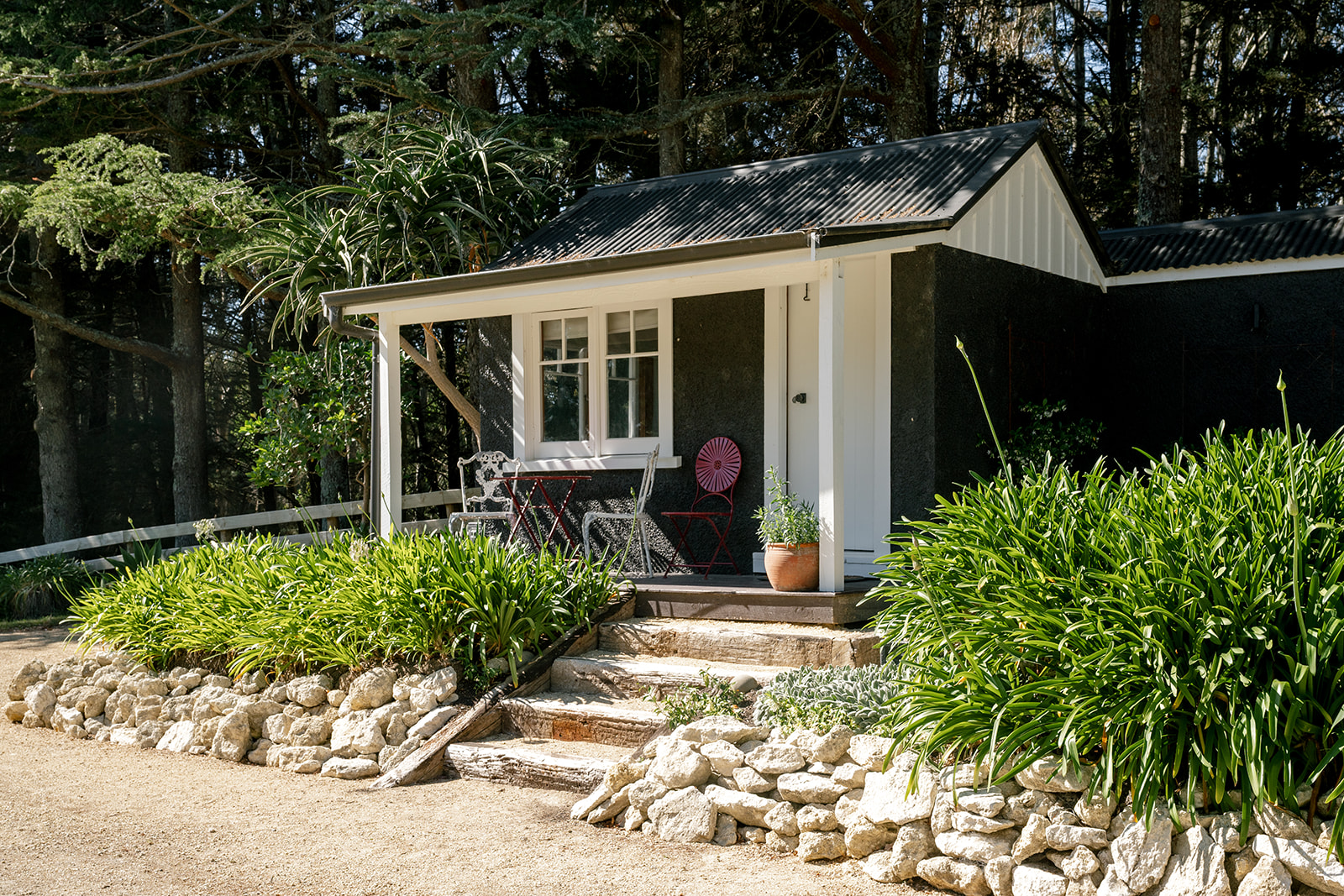
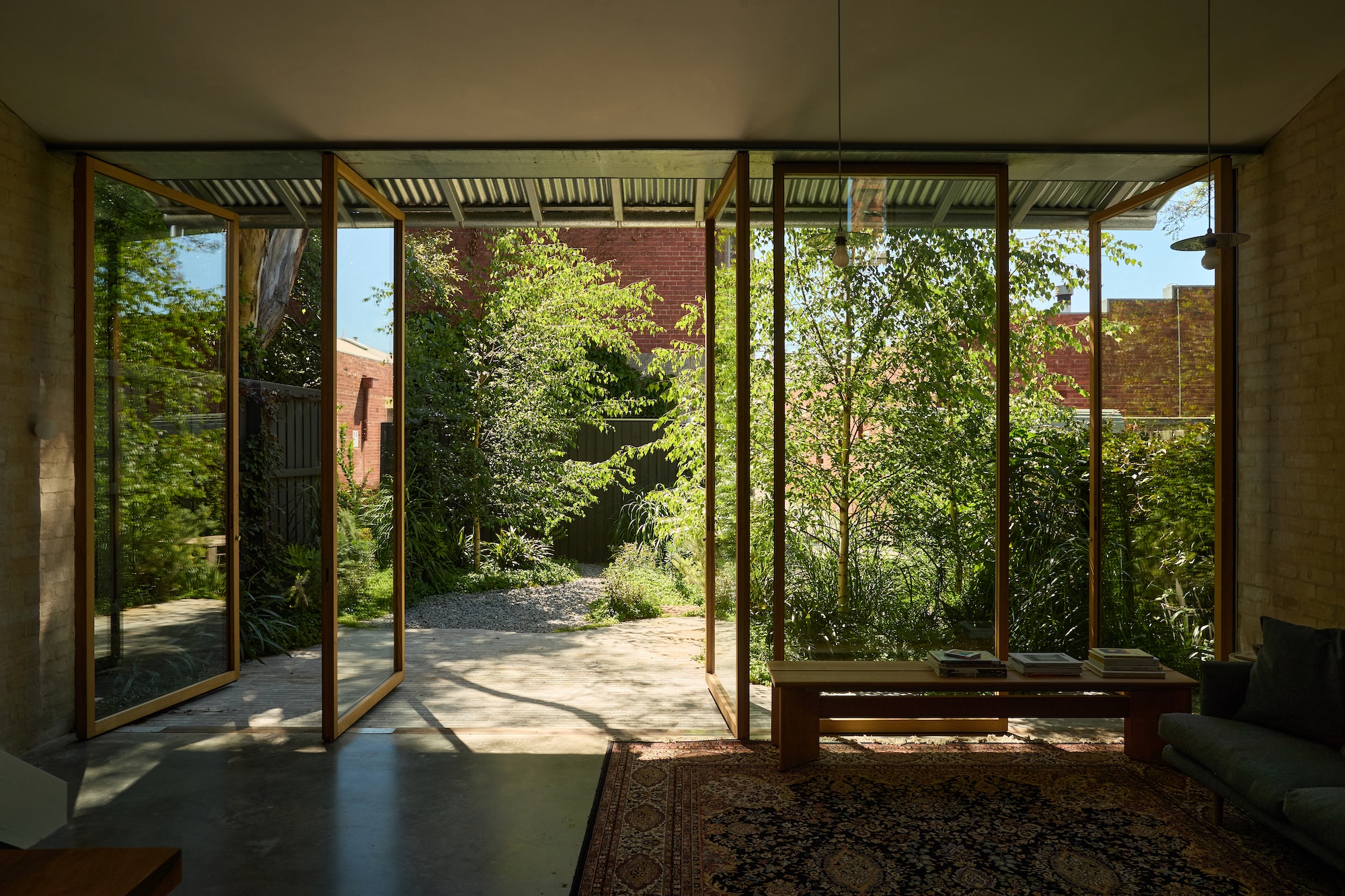
Not everything follows the English garden model. Tucked away from the main house is a small building that was relocated onto the property and reworked into a standalone guest house. It opens out to a sunken garden – designed by Carla as a surprise for Rob and his family. It offers a clear contrast to the softer planting elsewhere.
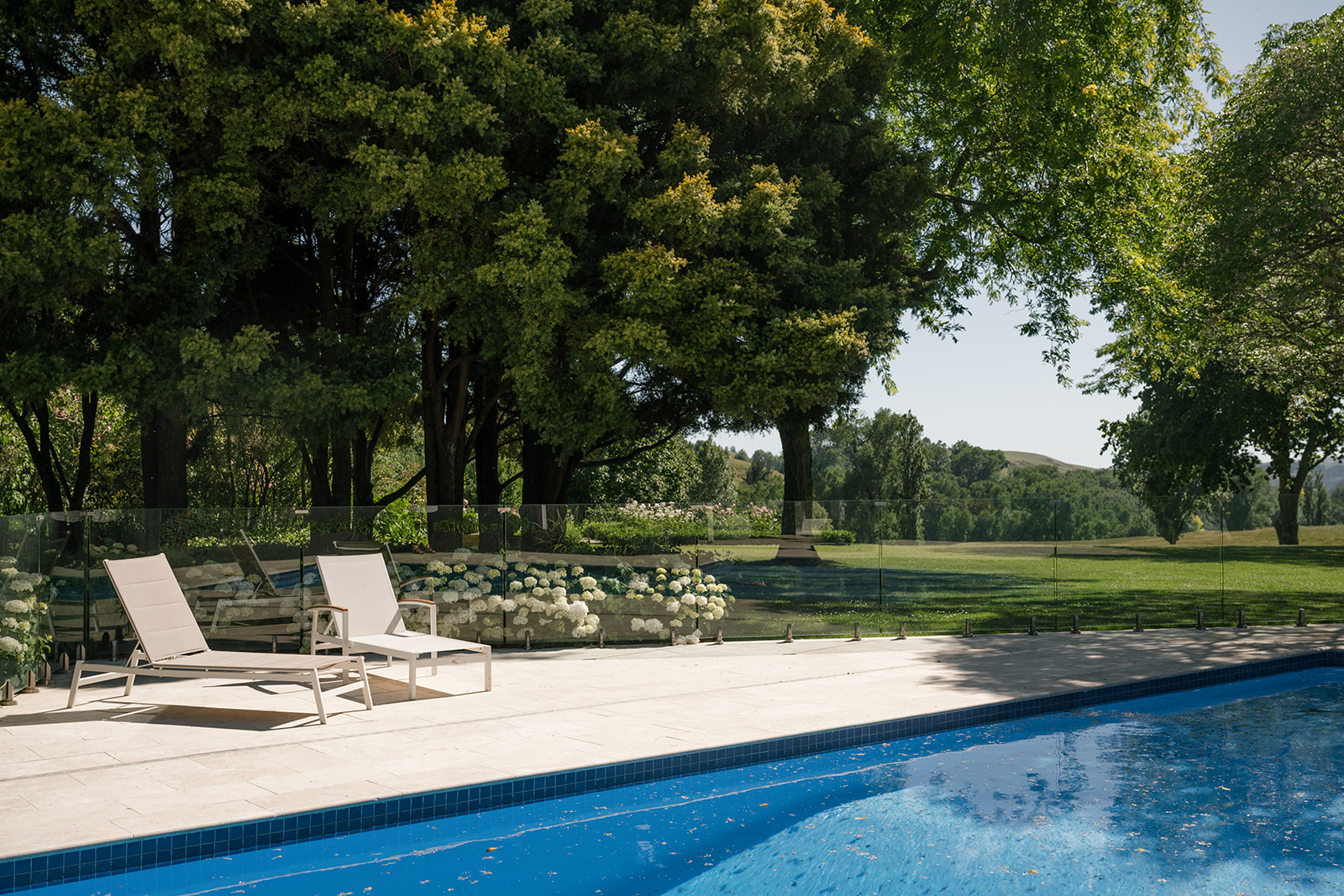
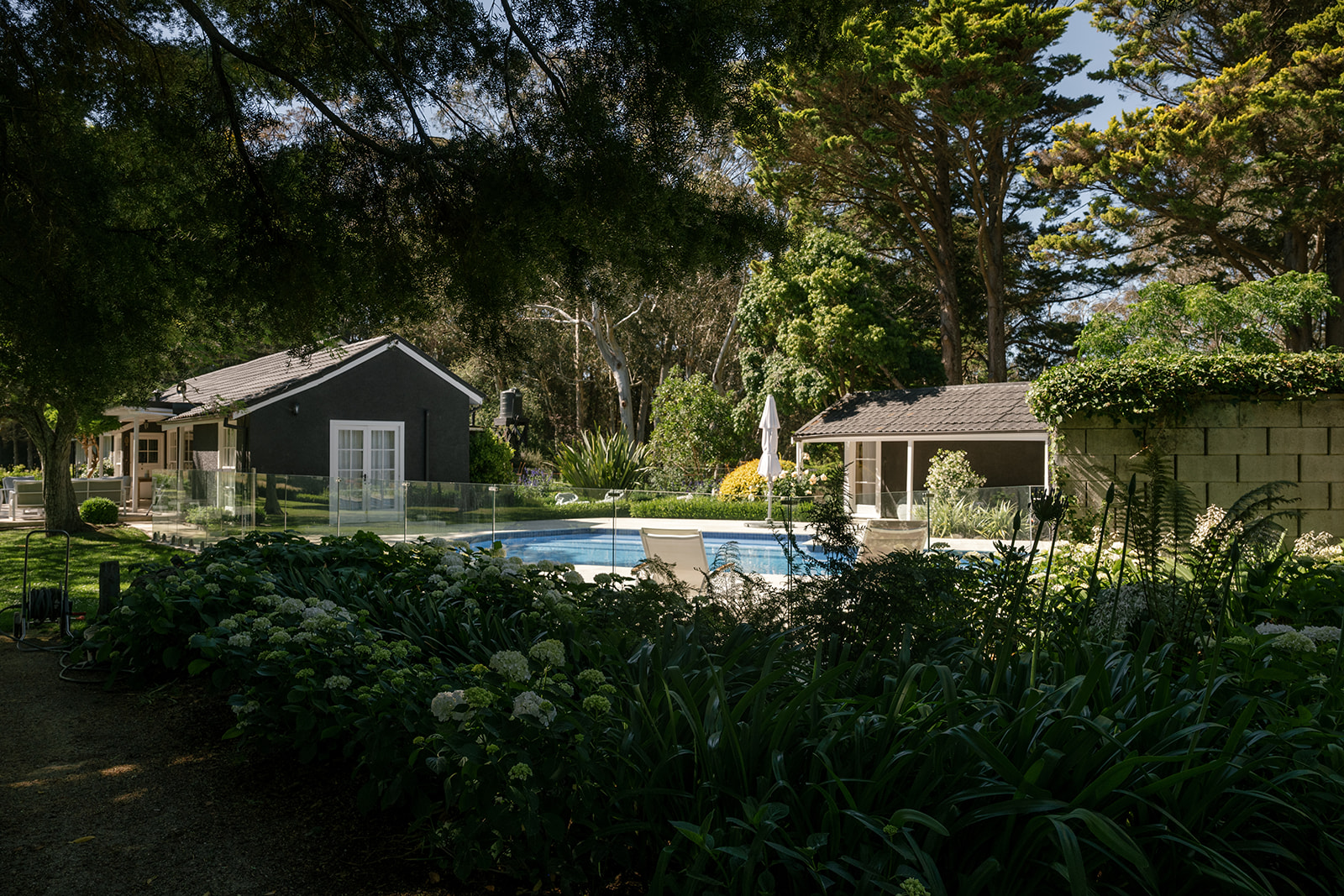
Planting across Tauroa is layered: Hydrangea ‘Annabelle’ brings softness in summer, while darker crimson tones from Japanese maples (Acer ‘Bloodgood’), Cercis canadensis (forest pansies) and low-growing groundcovers add depth and contrast. Agapanthus repeat through the garden to hold structure.
Under the more established trees, Carla has created a fernery – a cooler, shaded counterpoint to the open, sun-exposed areas. An example of how the garden responds to its conditions rather than forcing a single approach across the whole site.
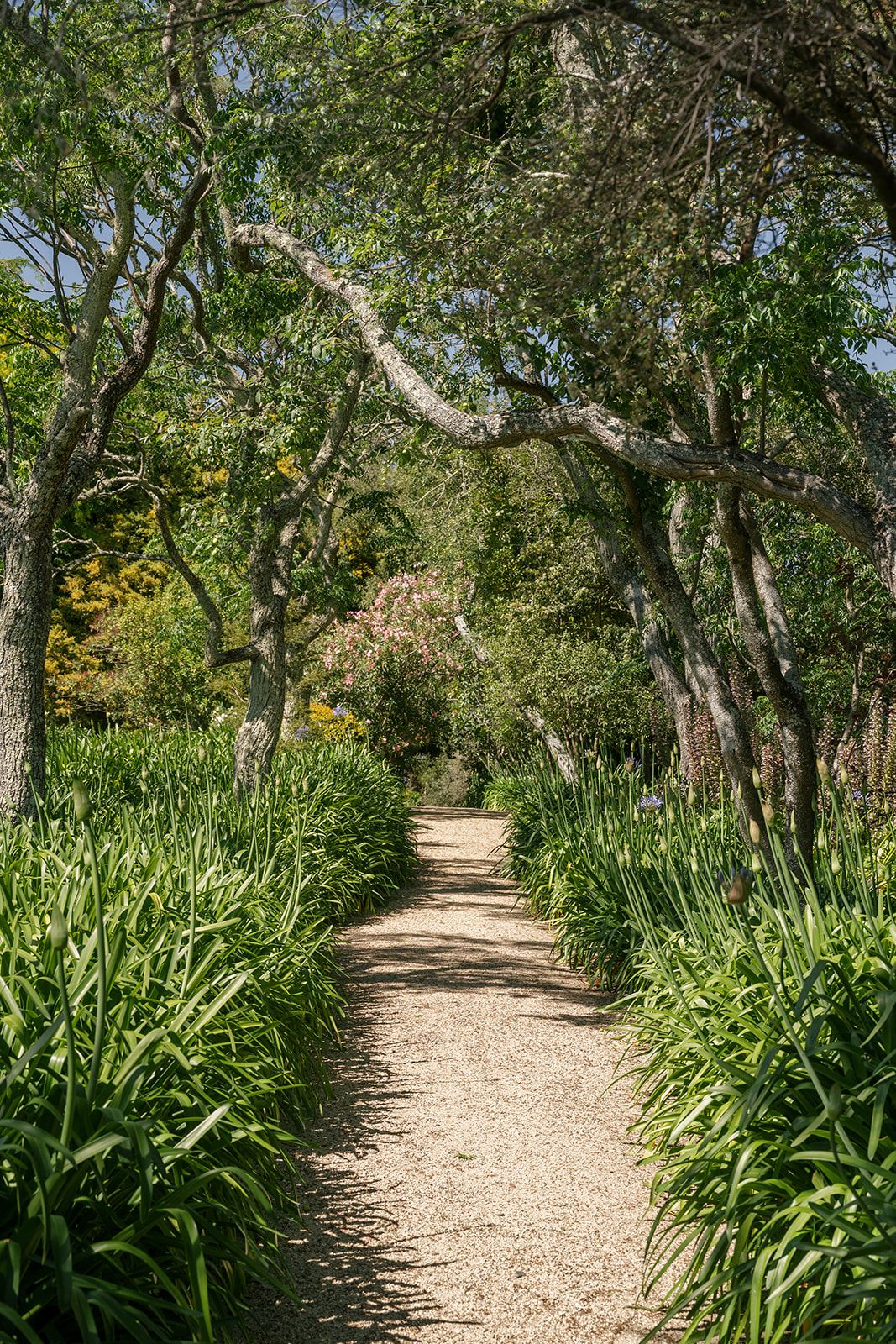
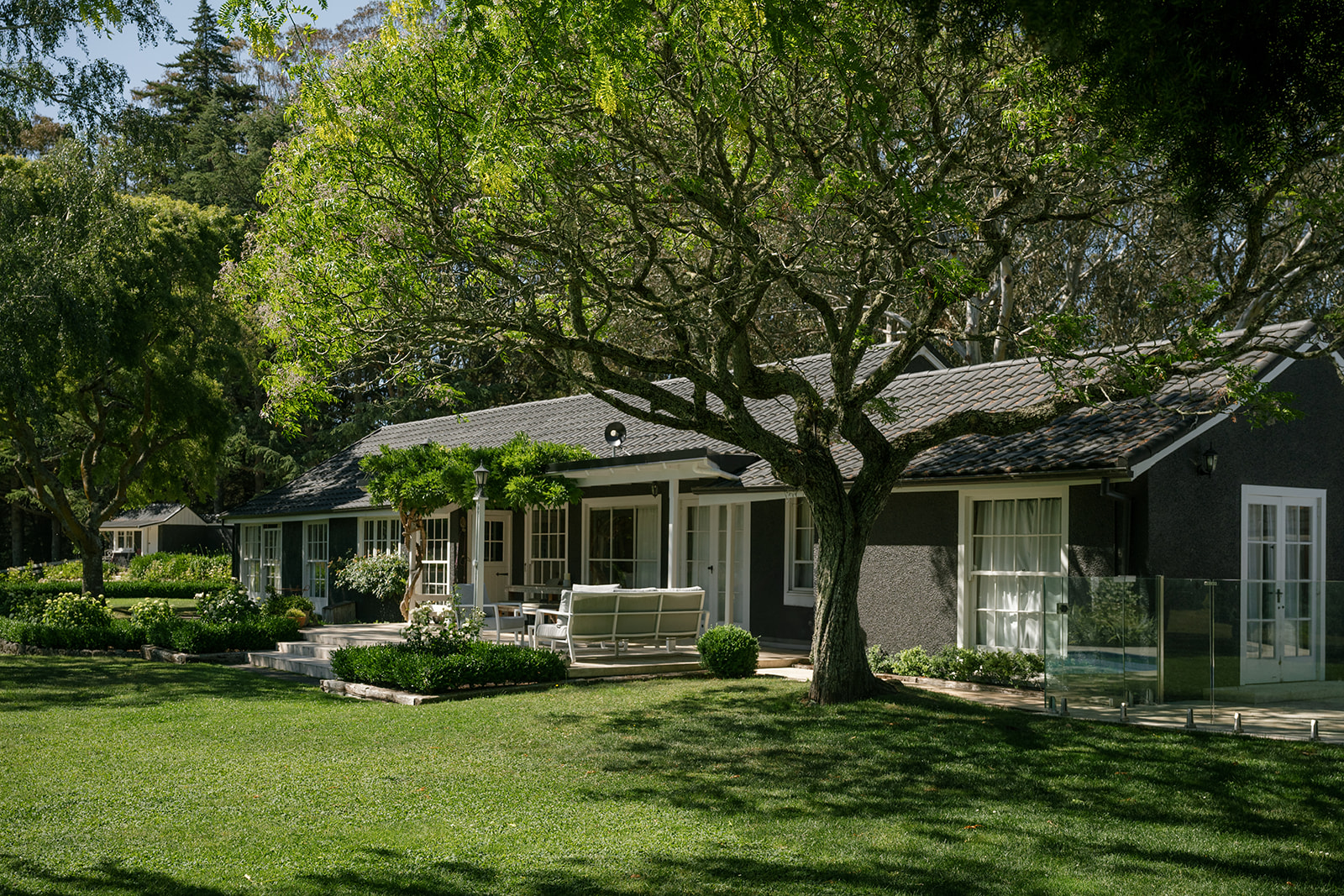
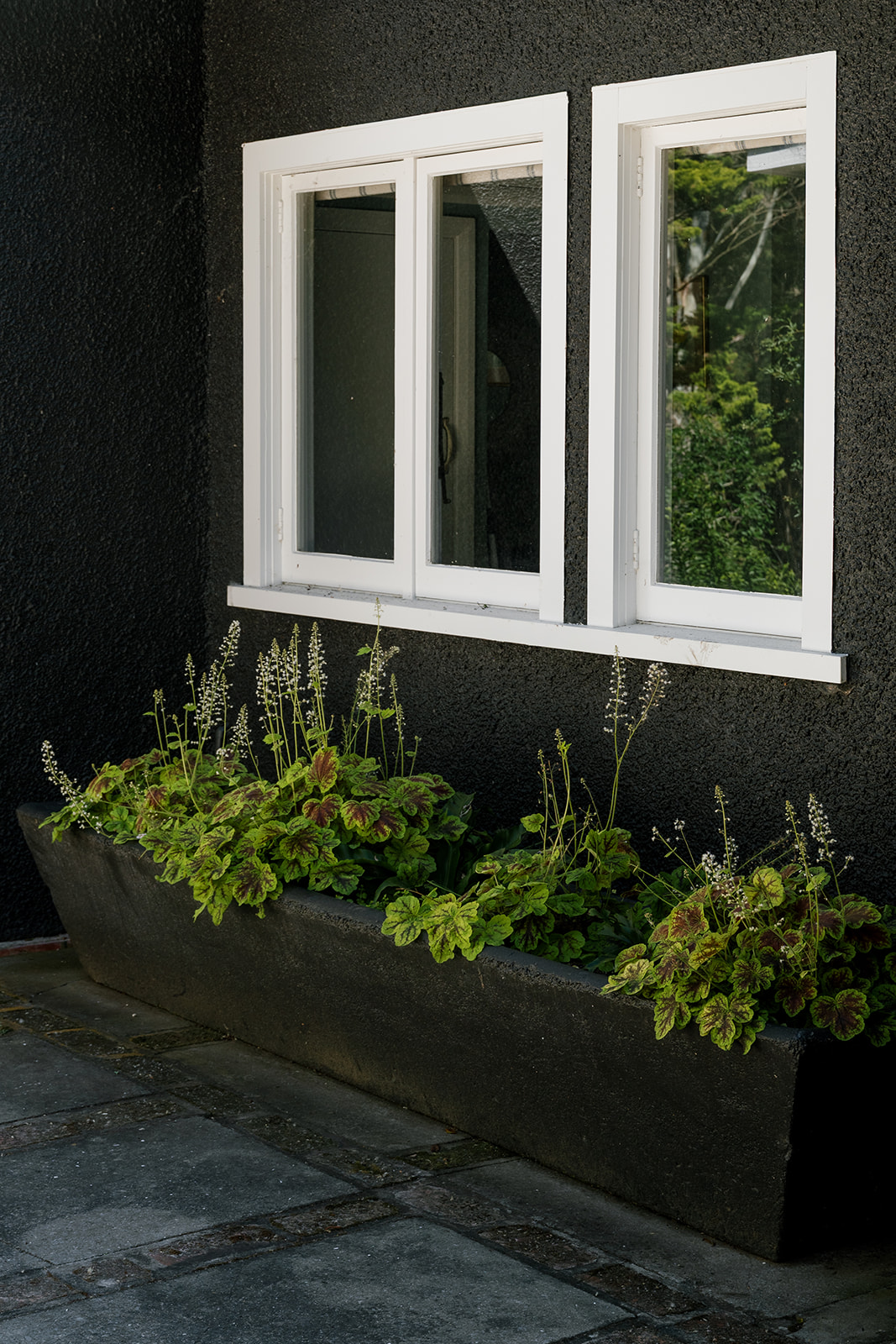
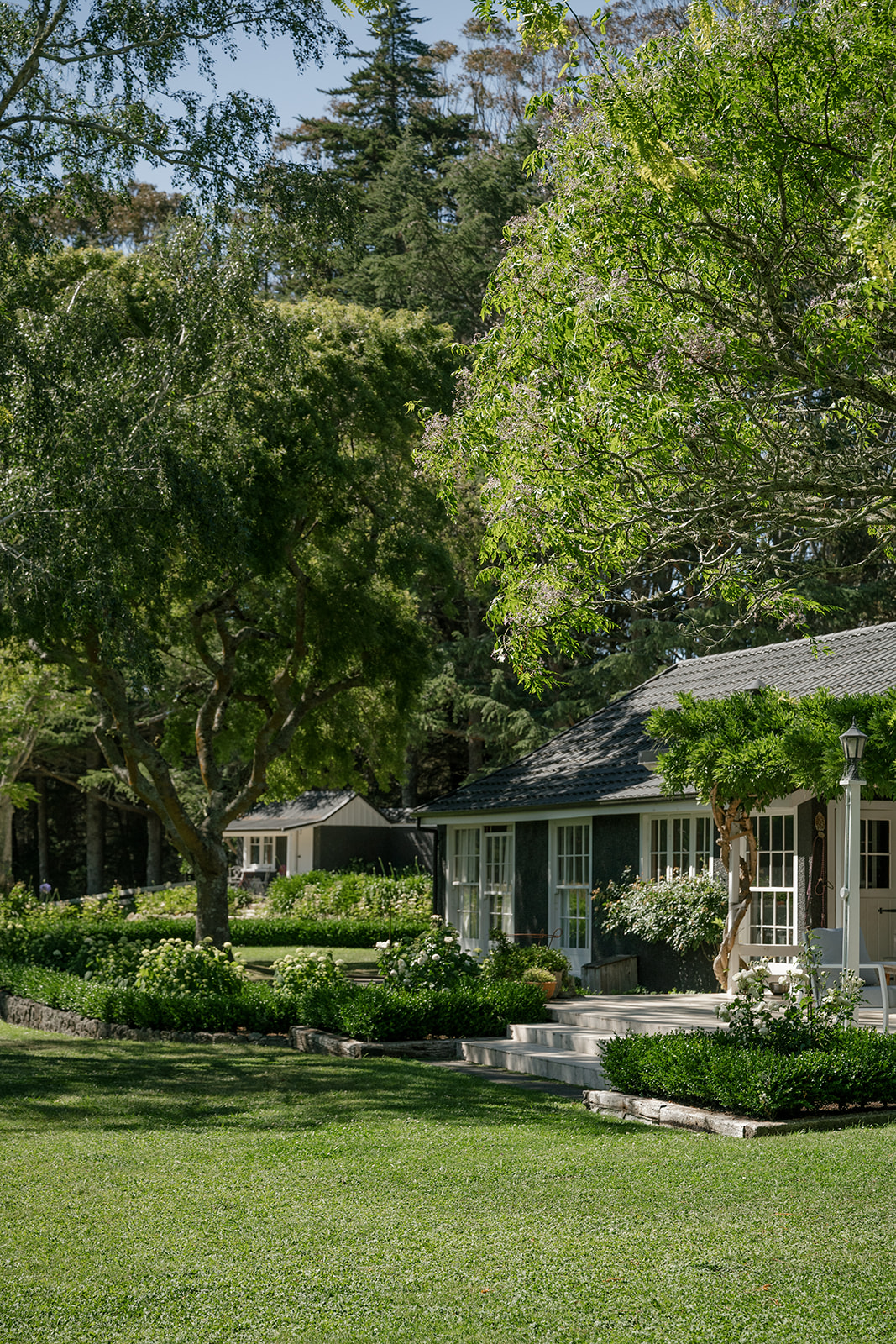
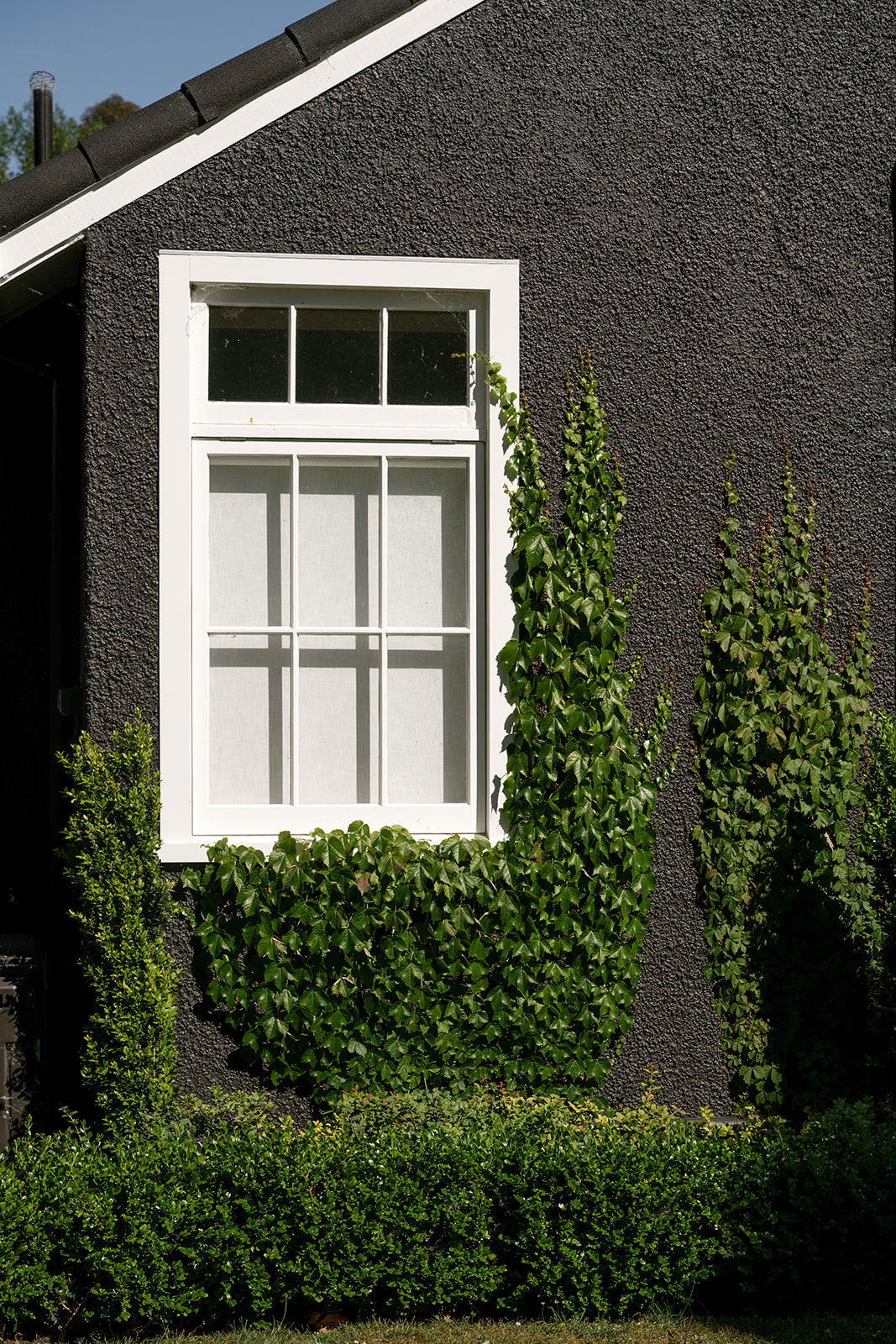
The entire property is managed organically and nothing is rushed. Plants are moved, divided and tested over time, and the garden is constantly being edited.
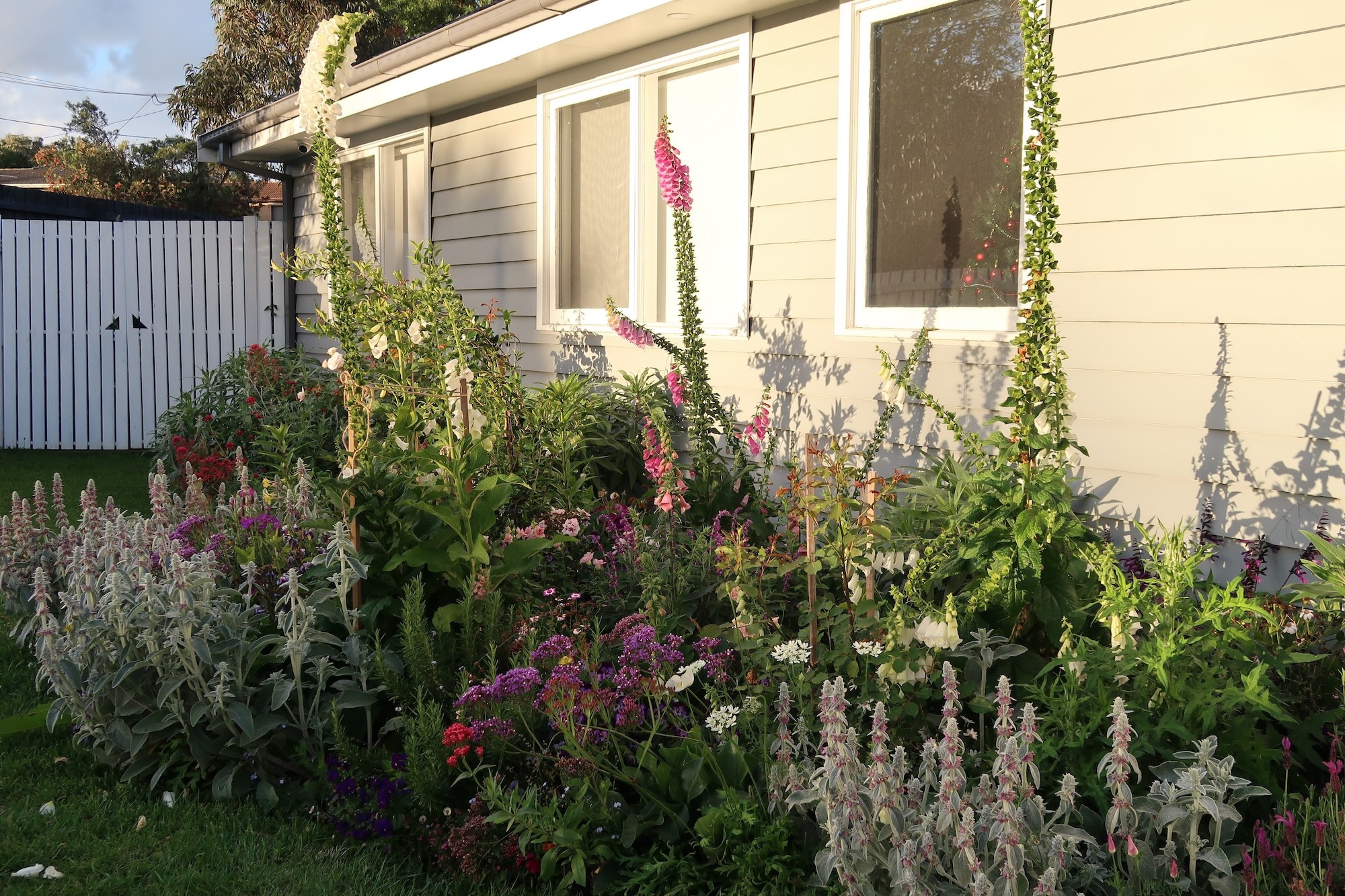
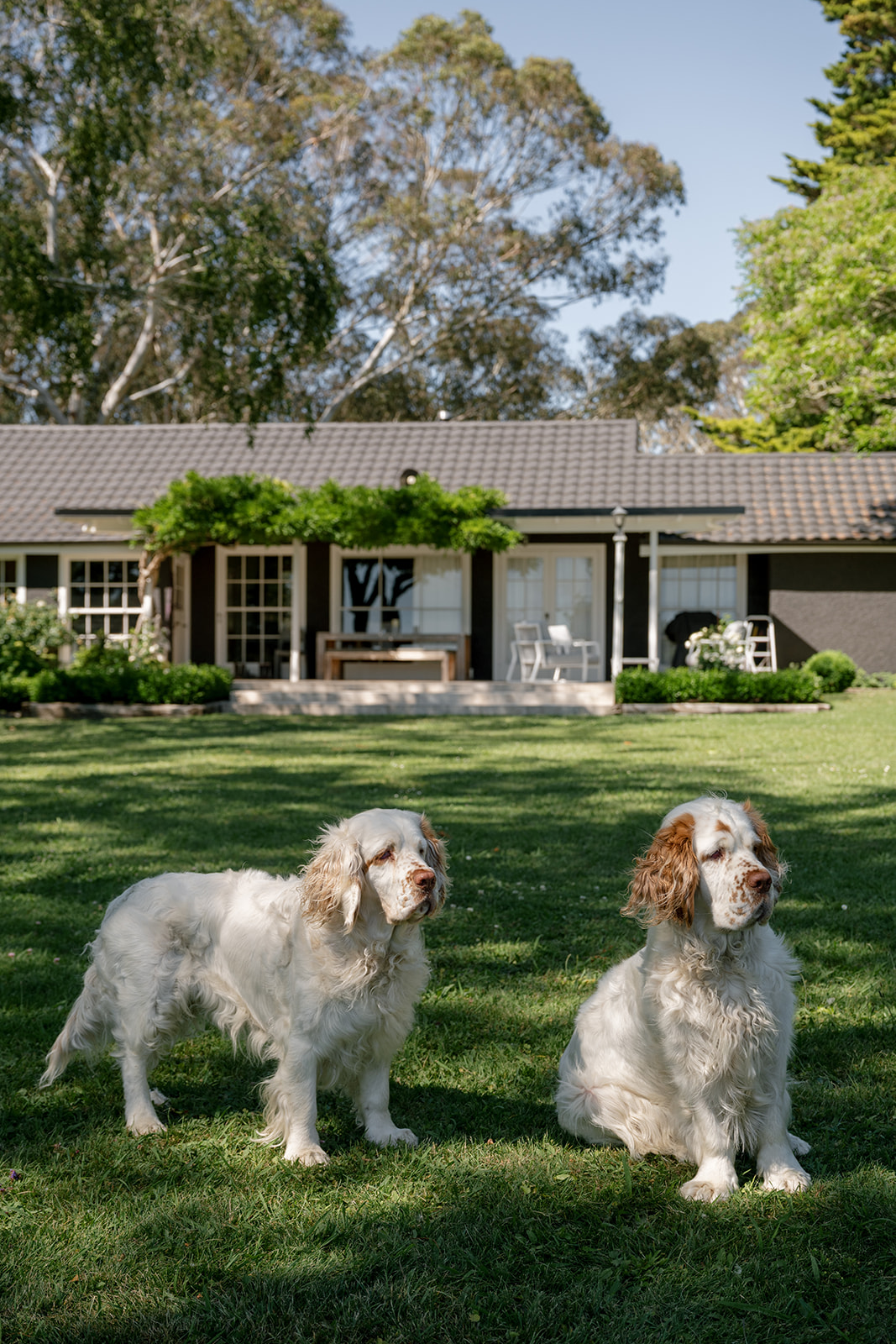
That same thinking extends to the house. When Carla suggested changing the exterior colour, it was a significant shift from the existing yellow-toned palette and orange roof. The new scheme – Resene Bokara Grey with Resene Wan White on the trims – is deliberately simple, allowing the garden to take visual precedence.
Carla says the Tauroa garden is very much an ongoing process. “A garden has a DNA,” she says. “It’s the history, the place and the people who live in it.”
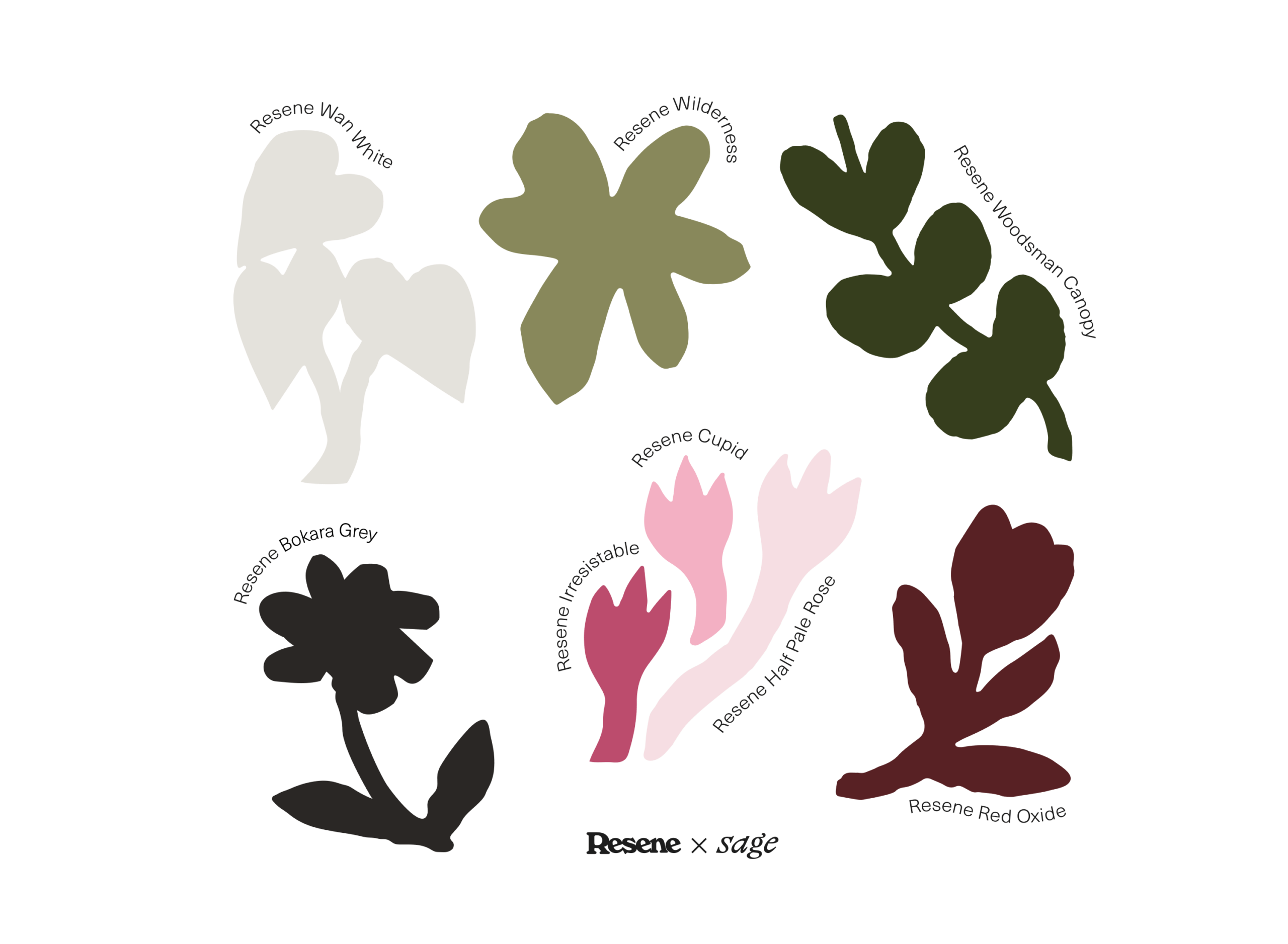
The palette of plants | In this collaboration between Sage Journal and Resene, we’re excited to explore how colour transforms outdoor spaces. This curated colour palette draws inspiration from the garden, its surroundings, and the personality of the gardeners who tend it. Just as the colours inside a home reflect its occupants, the shades chosen for a garden can reveal the gardener’s unique journey, extending creativity from indoors to out. We hope this story inspires you to see your own garden as a living work of art, shaped by both painted and planted colours throughout.
—
Resene tips:
— Using darker exterior colours to let your garden stand out
When your garden and the surrounding landscape is the main feature, a darker exterior colour can help it take centre stage. Deeper tones recede visually, allowing planting, foliage and seasonal colour to stand out more clearly.
Charcoal and deep grey shades like Resene Bokara Grey, Resene Ironsand and Resene Fuscous Grey are good options. Their earthy undertones create depth without feeling too heavy, and they work well with both structured gardens and more natural planting styles.
Pair darker cladding with softer tones on trims and joinery to keep the overall look balanced. Whites like Resene Wan White or Resene Bianca can help lift the scheme without competing with the garden.
As always, test your colours first. Use Resene testpots and view them in both sun and shade – darker shades can shift depending on the light and surrounding landscape.