
You don’t need a garden full of unusual ‘superfoods’ to eat well. Some of the most useful plants for supporting everyday health are also among the easiest to grow – leafy greens, herbs, garlic, citrus and colourful vegetables that can go straight from garden to plate with very little effort.
Brought to you in partnership with Clinicians
The value of a productive garden is often in the ordinary things it makes easier: adding herbs to dinner, picking greens as you need them or reaching for the zing of lemon instead of another packaged ingredient.
When it comes to supporting immune function and general wellbeing, variety matters more than chasing a single ‘miracle’ ingredient. Our bodies rely on a broad range of vitamins, minerals and plant compounds, which is why a garden filled with edible plants can be a useful place to start.
“Overall health starts with the gut,” says Jane Cronin, naturopath at Clinicians. “Fresh fruit and vegetables are rich in fibre, which feeds our microbiome to support digestive health, nutrient absorption and immune health.”
Start with the everyday
Some of the most familiar edible plants are just as valuable nutritionally as they are useful in the kitchen.
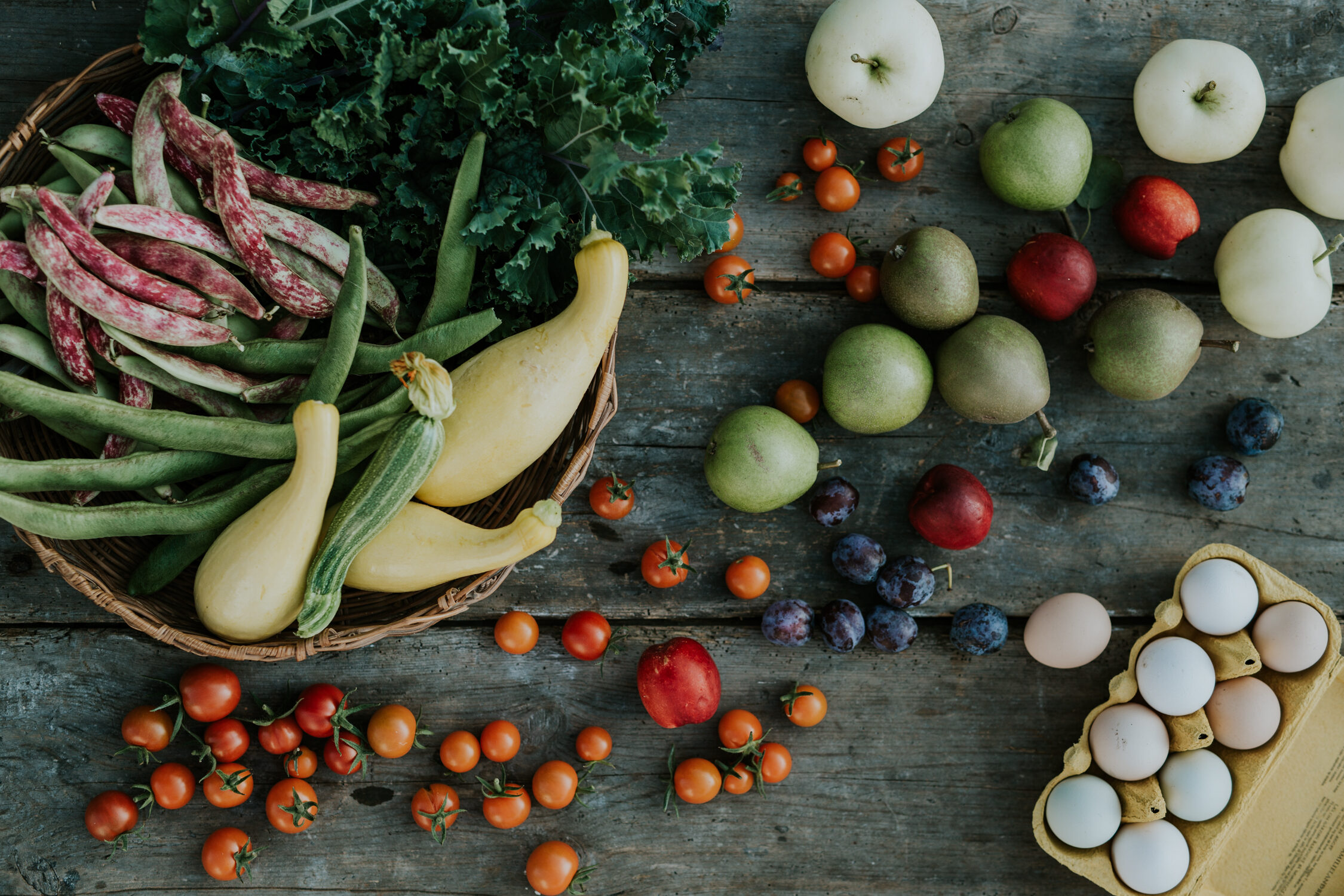
Leafy greens such as spinach, silverbeet and kale provide a range of nutrients, including folate and vitamins A, C and K. They’re also easy to work into everyday meals – picked young for salads, wilted into pasta or added to soups, curries and stir-fries.
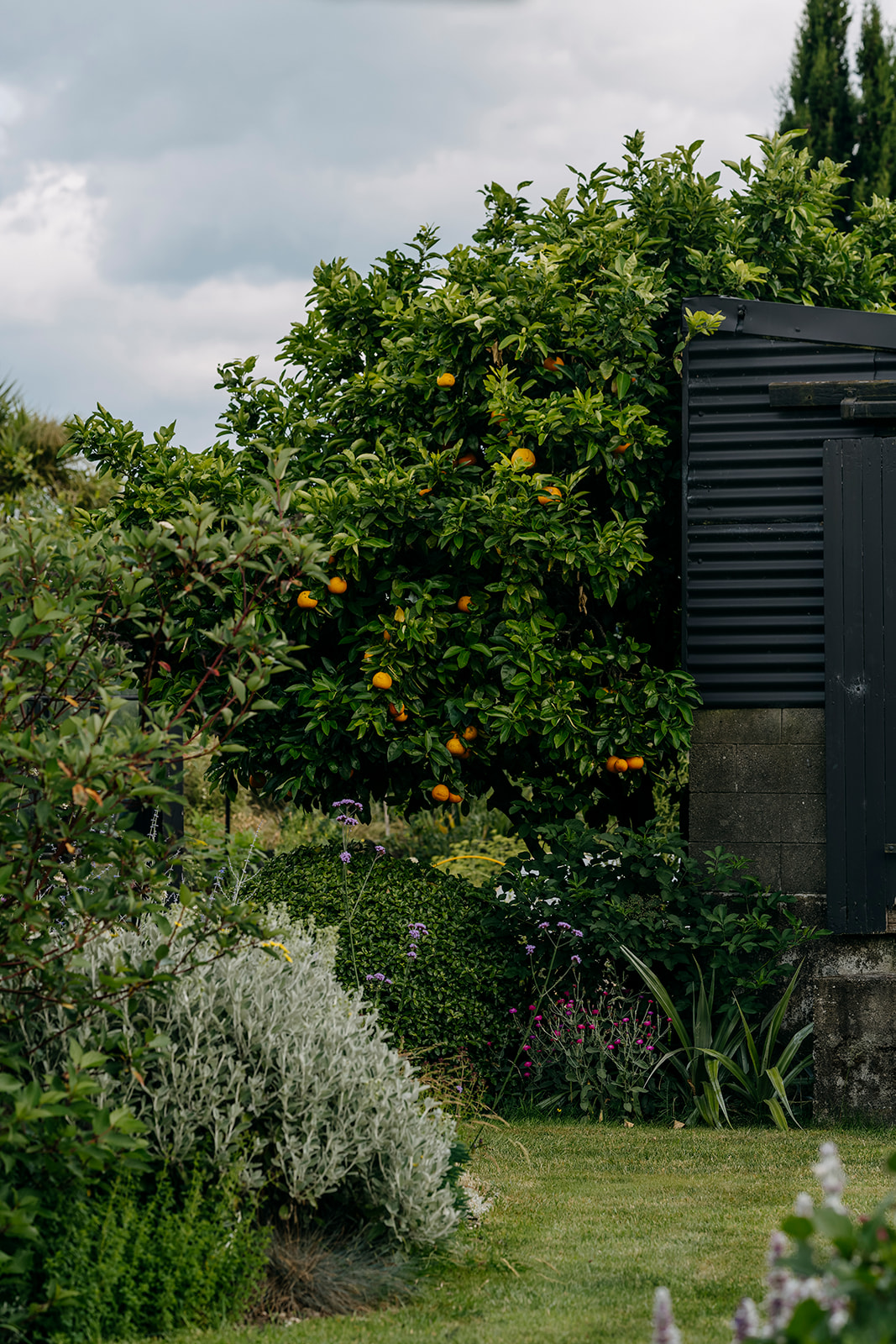
Citrus is an obvious source of vitamin C, a nutrient that contributes to normal immune function. A lemon tree also has the advantage of being super useful: fruit can be squeezed over greens and vegetables, added to dressings or used to brighten almost anything coming out of the kitchen.
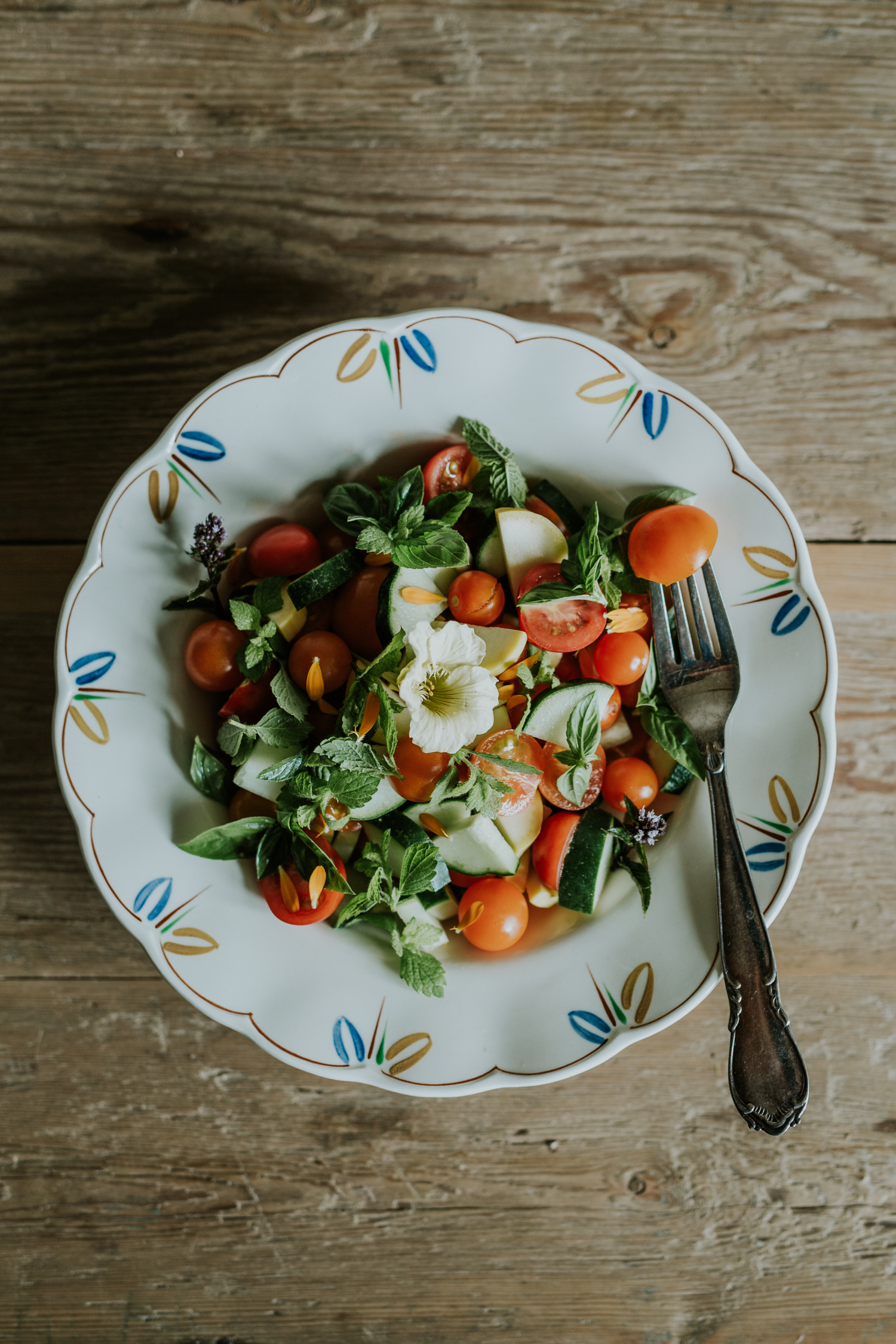
Fresh herbs may be added in smaller quantities, but that doesn’t make them insignificant. Parsley, thyme, basil, sage, mint and rosemary contain their own mix of vitamins and protective plant compounds, while making the simplest dish more interesting. When plentiful, try making herb-based condiments, such as salsa verde, pesto, chimichurri and green goddess dressing.
Diversity is key
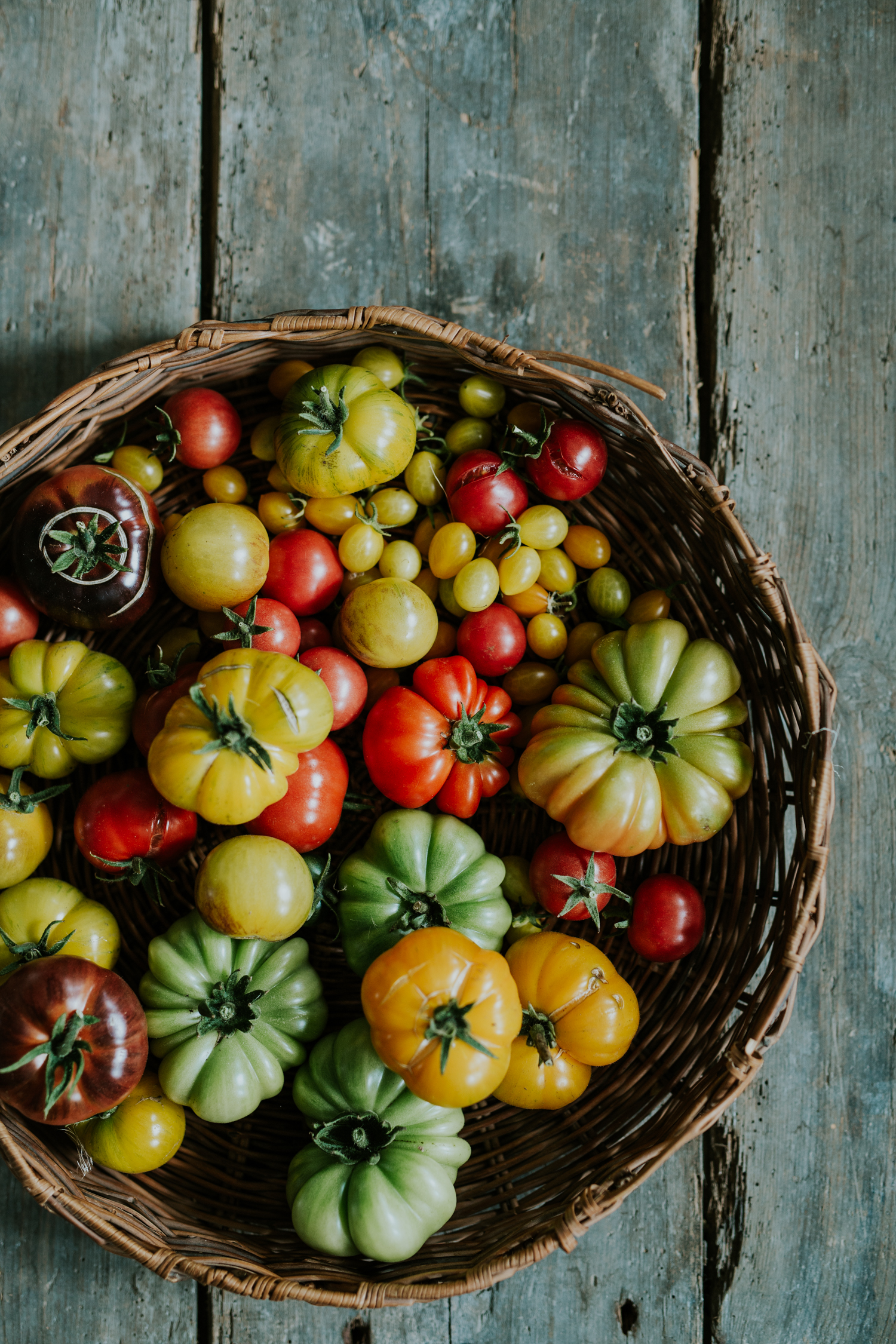
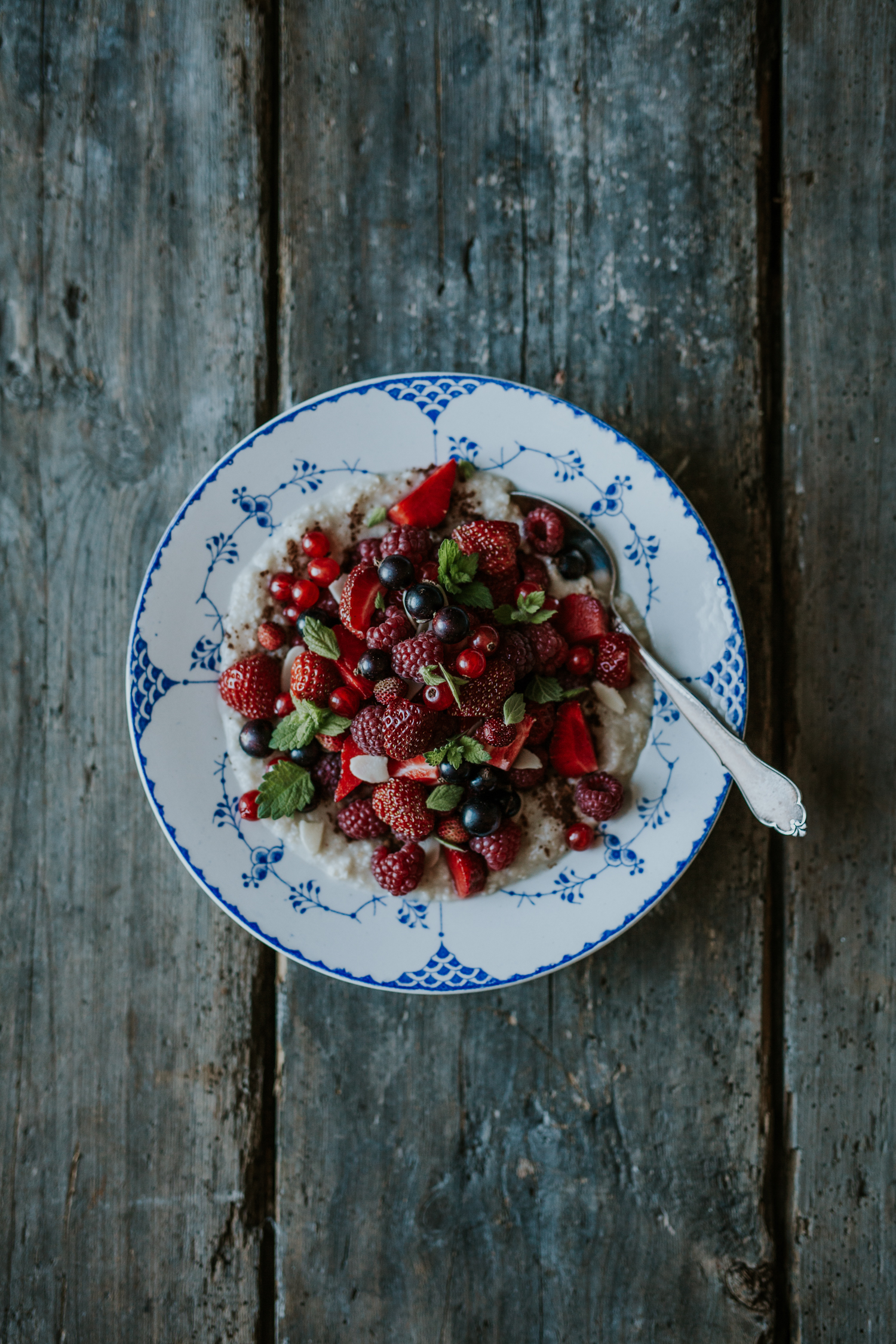
You’ve probably heard of “eating the rainbow” and there’s a sound nutritional principle behind it. Different colours in plants often come from different naturally occurring compounds, so varying what you eat is an easy way to broaden the range of nutrients and phytochemicals in your diet. So rather than worrying about whether one vegetable is nutritionally superior to another, aim for diversity over the course of the week. Dark leafy greens, orange pumpkin or carrots, red tomatoes and capsicums, purple berries and plenty of herbs all contribute something different.
Growing several reliable crops you actually like eating is likely to be far more useful than devoting space to an exotic ingredient because it happens to carry a health halo. “Combining different tasting foods is also important for digestion,” says Jane. “Taste buds detect five basic tastes (sweet, sour, salty, bitter, umami) and signal the brain to trigger the release of digestive enzymes. So bitter herbs or something sour, like lemon juice, are great for digesting fatty foods.”
Picked at its best
Growing food at home also shortens the distance between harvest and dinner. Some nutrients begin to decline after fruit and vegetables are picked, although how quickly this happens varies a lot between crops and nutrients. The bigger advantage may simply be practical: when herbs, greens and vegetables are right outside the door, we’re much more likely to eat them.
You can harvest what you need, when you need it, rather than watching plastic-wrapped supermarket produce slowly deteriorate in the fridge. Herbs can be cut minutes before serving, leafy greens picked a few leaves at a time and tomatoes left on the plant until deliciously ripe.
It’s also a useful reminder that nutritious eating doesn’t have to be complicated.
When food needs a hand
Of course, even the most productive garden can’t provide everything, all of the time. Season, lifestyle, appetite and individual nutritional needs all play a part in what we get from food. A varied, balanced diet remains the foundation, but there can also be times when a supplement is useful to help address a particular nutritional need or gap.
Jane explains: “Supplement support has its place when nutrient intake may be compromised – for example, when soils are depleted (low iodine and selenium in New Zealand), during times of stress, when taking medications that affect nutrient levels, or at times of growth or hormonal change. Also, as we age nutrient absorption can decline.
Growing your own produce is one very practical way to make fresh, varied food part of everyday life. It doesn’t need to supply everything, and neither does any single food. Think of it instead as one part of a wider approach to wellbeing, alongside a varied diet, movement, good quality sleep and, where appropriate, targeted nutritional support.
—