
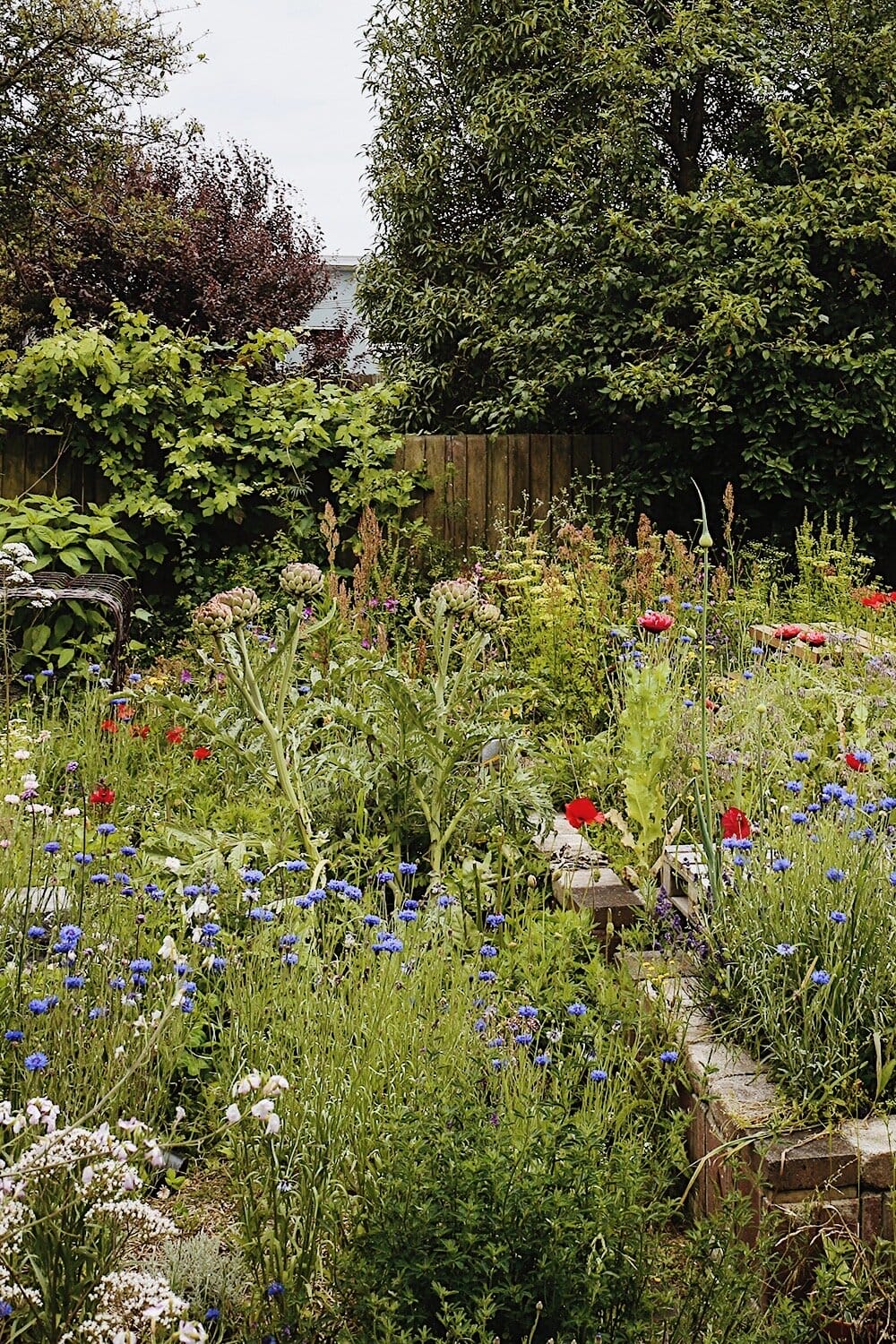
Water and nutrients are two key components of gardening. Here is a helpful overview and some techniques to make gardening a more affordable, relaxed and enjoyable process. Written by Liv Worsnop
Liv Worsnop is an artist and environmentalist, and the founder of Plant Gang. Liv believes that re-engaging with our plant allies is our only option to survive and thrive, and paves the way by putting her life and energy into caring for our planet.
Liv is a wealth of knowledge when it comes to plants, seeds and our environment. Here, she muses on lessons learnt in her early gardening days and shares her insight on two key components of gardening — watering and soil nutrients.
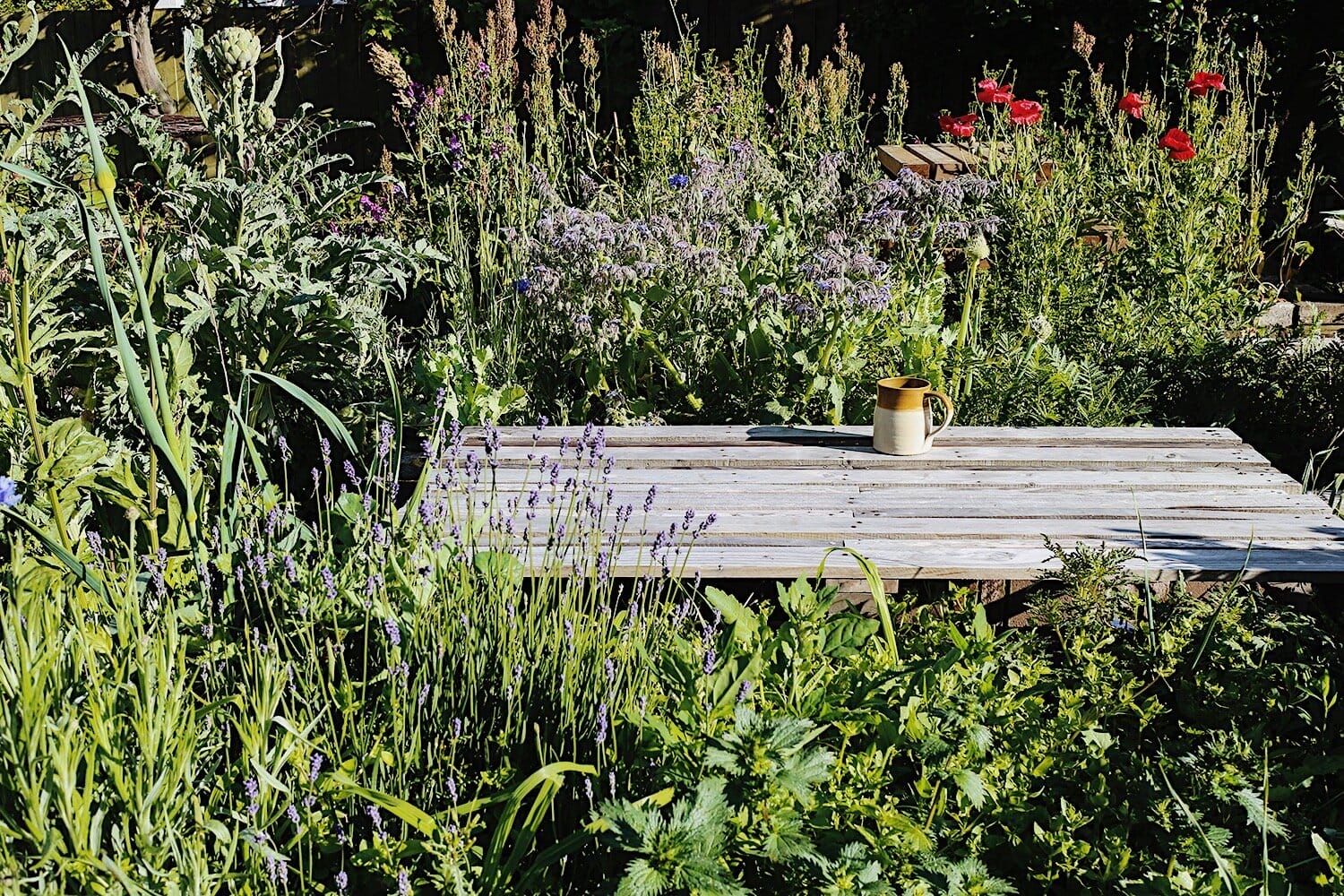
In 2012, I dug my first veggie garden. It was a tiny corner plot in a small, shaded backyard in Riccarton, Christchurch. Dad had come down and we purchased some compost, potted plants and a few garden tools. I was super tentative about plant timing and troubleshooting – I didn’t want to get it wrong! By the time I left Ōtautahi in 2019 my garden consumed the entire backyard. My accommodating landlord allowed me to dig up the lawn, build the soil and plant a great array of veggies, flowers and medicinal plants. Over those 7 years, I transitioned from a tentative, unsure gardener to one who infuses deep consideration and rambunctious creativity into the soil I serve.
People often share with me the same fear and uncertainty that plagued me with my first garden. Each plant has specific needs and when we combine it with environmental factors, it can all unite into a complex web of unknown.
—
A large swath of the gardening world is very commercialised but we must remember that (most) plants are a renewable and abundant resource. Plants have evolved to survive to grow – often in volatile conditions. You are in a collaborative process with a perfectly designed system that has survived and thrived for millions of years. This perspective often gives me cause to relax. We just have to follow the leader. Allow nature to do nature. Our position is as a steward, a caretaker to slow things down or speed them up. To protect, feed, water, weed and enjoy.
—
Water and nutrients are two key components of gardening. Here is a helpful overview and some techniques to make gardening a more affordable, relaxed and enjoyable process.
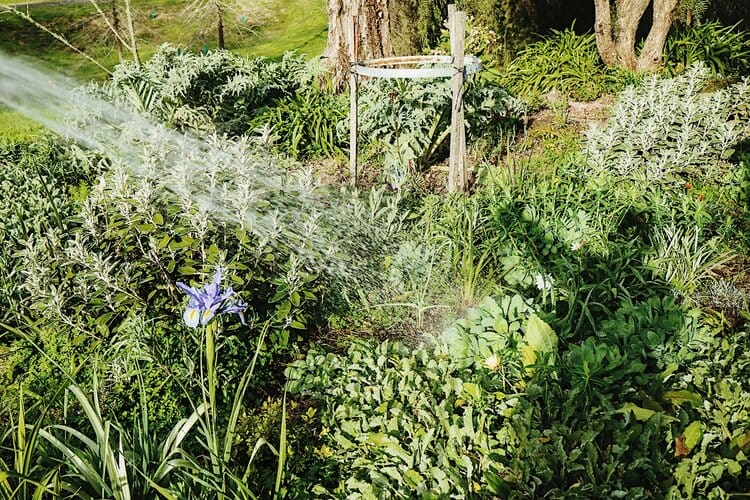
Garden watering best practice —
Many people’s initial gardening efforts will fall over due to lack of ongoing care. Regular watering is our first port of call.
I didn’t water my garden much during last summer as I wanted to save water, and it really showed. Once the autumnal rains came, despite the cooler temperatures, my plants started to flourish. Thankfully, watering can be a wonderfully relaxing and easy job to do.
Watering tips:
When —
Water evening and/or morning. Never in the height of heat during the day – water droplets can land on the plants and magnify the light, burning the tender leaves.
Deep watering —
Some deeper waterings a few times a week is more effective than daily light watering. Choose a section of your garden at a time and focus on that area for a longer time, rather than trying to water everything in the same space of time.
Mulch —
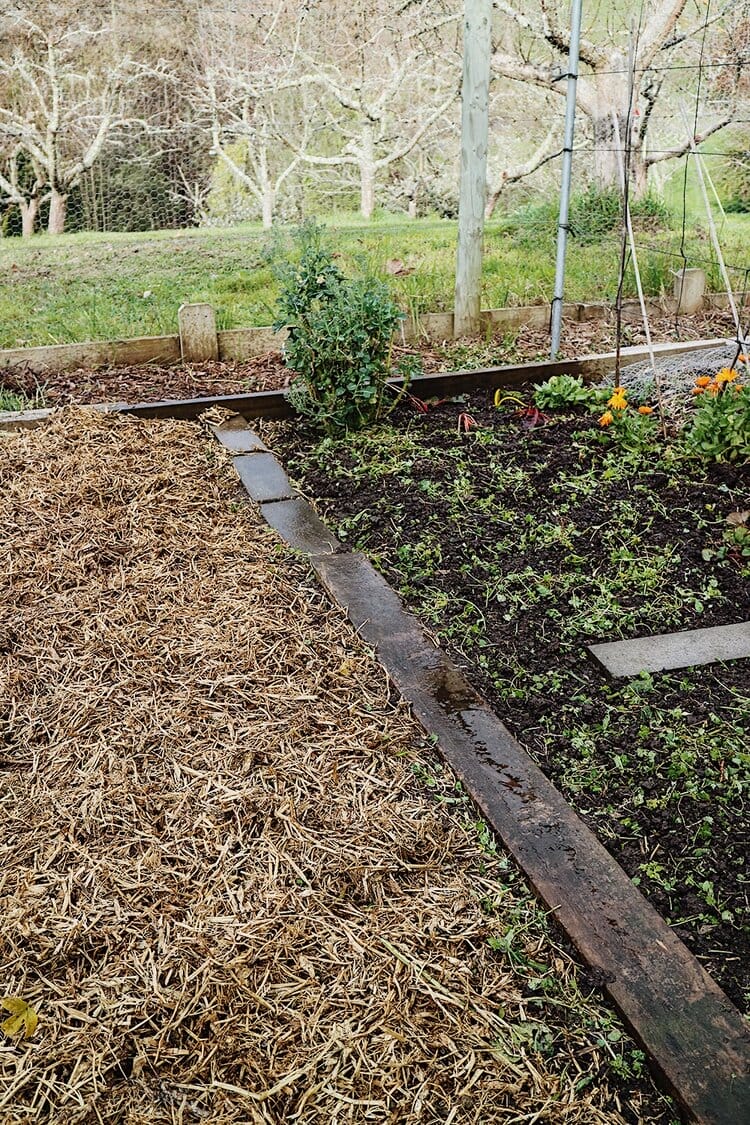
Mulch helps to retain water by forming a barrier to stop evaporation. It can sometimes prevent water from fully penetrating at times so it is useful to pull it back (especially around the base of a plant) and give a deep water.
Soil nutrients: 101
Everything in the universe is made from their own unique recipe of the 118 elements recorded in the periodic table. Nature’s success is based on the cycling of these elements through processes of growth and decay.
Cultivating, learning about and taking care of the decay system in your garden, on whatever scale you can achieve, allows you to both deal with excess plant material (waste) and build your soil into a biodiverse and fertile growing medium – the key to a healthy garden.
The nutrients present in your soil directly impact the nutrients present in your plants, and subsequently your food.
Adding compost to your soil —
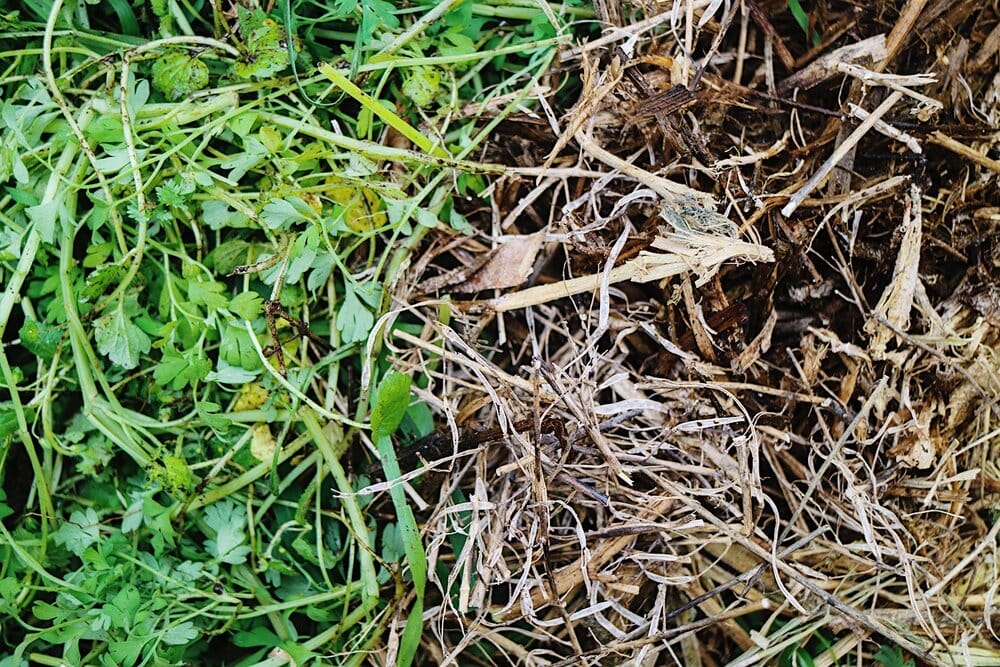
Very basically – kitchen scraps, garden waste, animal manure, seaweed, cardboard, non-synthetic fabric and noninvasive green plants can be combined in a compost pile or dug into a garden bed that will have a month or two to break down.
The vital elements of a compost heap is a balance between small-sized green (wet) and brown (dry) plant materials, air and water. Tending to and growing your compost heap concurrent to your garden ensures access to a rich and nutritive soil building additive. Composting is a vast world, but so very rewarding.
Making & using fertiliser teas —
A cheap and useful nutrient booster is manure, seaweed or wild plant fermented fertiliser teas.
How to make a fertiliser tea
One takes plant or poop material and covers with water for a minimum of two weeks, stirring the stinky brew once a day. This fertiliser is strained, diluted then poured onto the soil at the start of fruiting and growing seasons.
It is best to be timely with one’s fertilisation regime as it can cause rapid leaf or bud growth which is susceptible to burn off by either sun or frost if the temperatures are too extreme.
—
Manure is essentially a super quickly-made potent soil in itself, which means it can be far too rich to put directly on or around plants. Making a tea from manure extracts remaining nutrients allows colonies of microorganisms to flourish. These little allies are essentially responsible for processing and distributing the elements that make up all of life – think of them as the little workers responsible for the growth and decay systems.
Seaweed is rich in approximately 60 minerals that benefit all elements of the plant growing process. These elements have been washed off the land through millions of years of rainfall, moving them from land to the sea. (There is best practice for harvesting seaweed so please do some research into restrictions within your locality.)
Wild plant teas can be made from nearly any plant you want to pull out of your garden. You can use the whole plant, using deep rooted plants such as dock, comfrey and dandelion – there is a significant benefit to using plants like these as their deep roots mine hard to access minerals.