
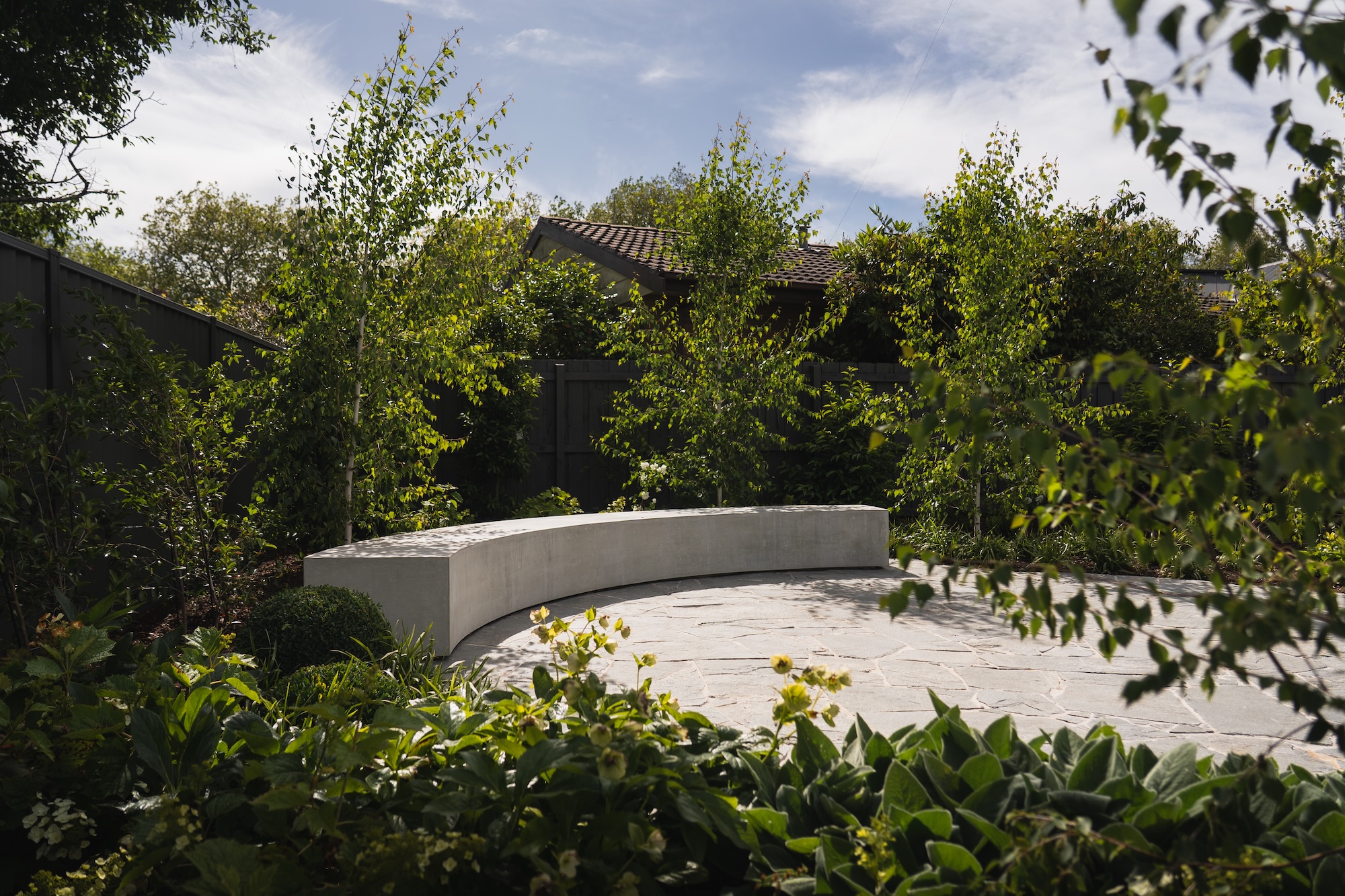
Phoebe Couyant of Plantae designed a richly planted, seasonal garden for a restored Victorian cottage in Ballarat, balancing traditional formality with a looser contemporary garden at the rear.
On a quiet street near the centre of Ballarat, Victorian cottages and bungalows sit behind picket fences, their gardens filled with plants that have grown through generations of tending. This weatherboard cottage was being restored and extended by Here Studio, and the garden needed to bridge the two eras of the house.
The owners, a young family who had returned to the area after years overseas, wanted a garden for entertaining as well as somewhere to retreat from busy family life. Working with the architect, Phoebe Couyant, director of Plantae, developed a design that gave the front and rear gardens distinct characters while connecting them through planting and materials.
A formal welcome
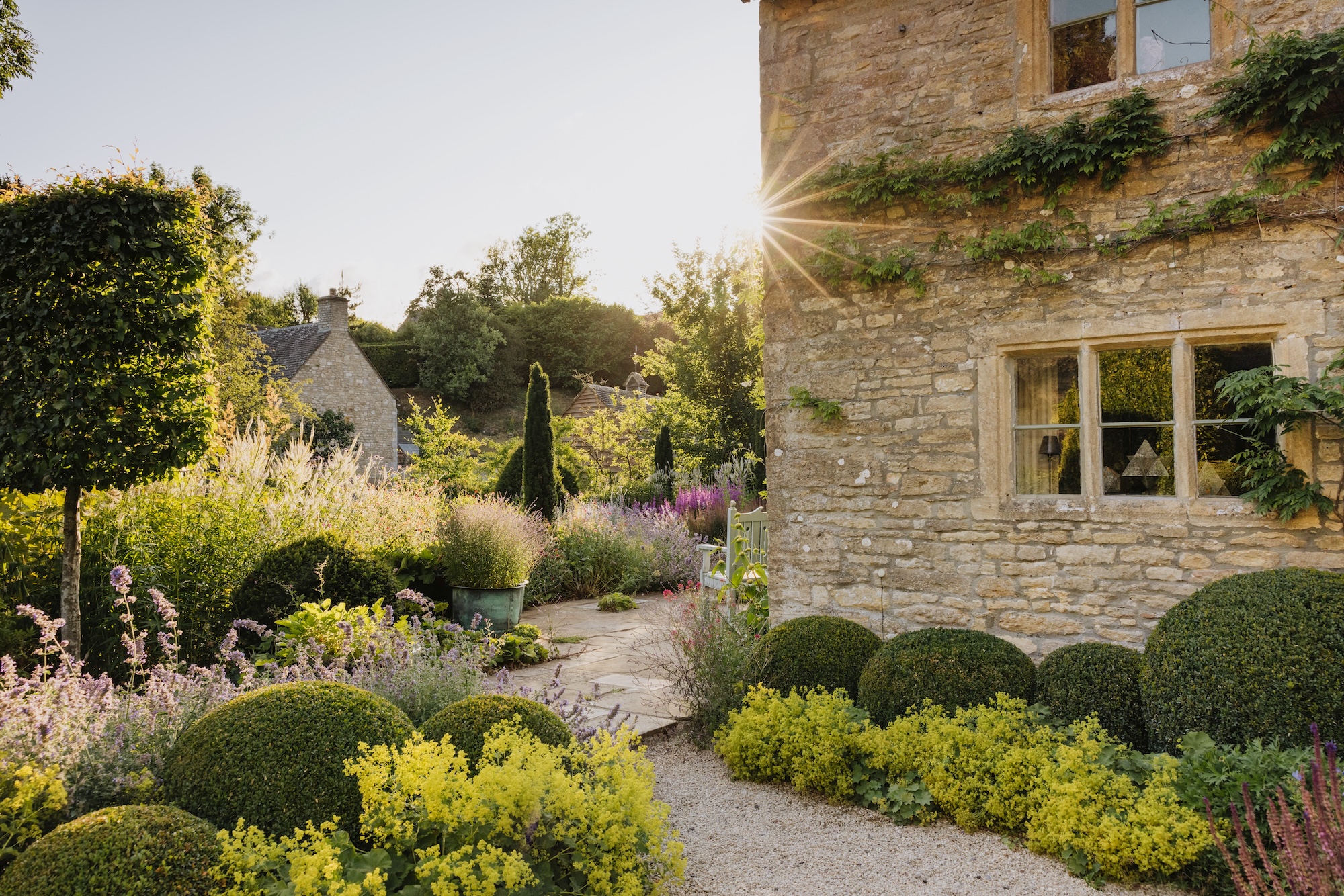
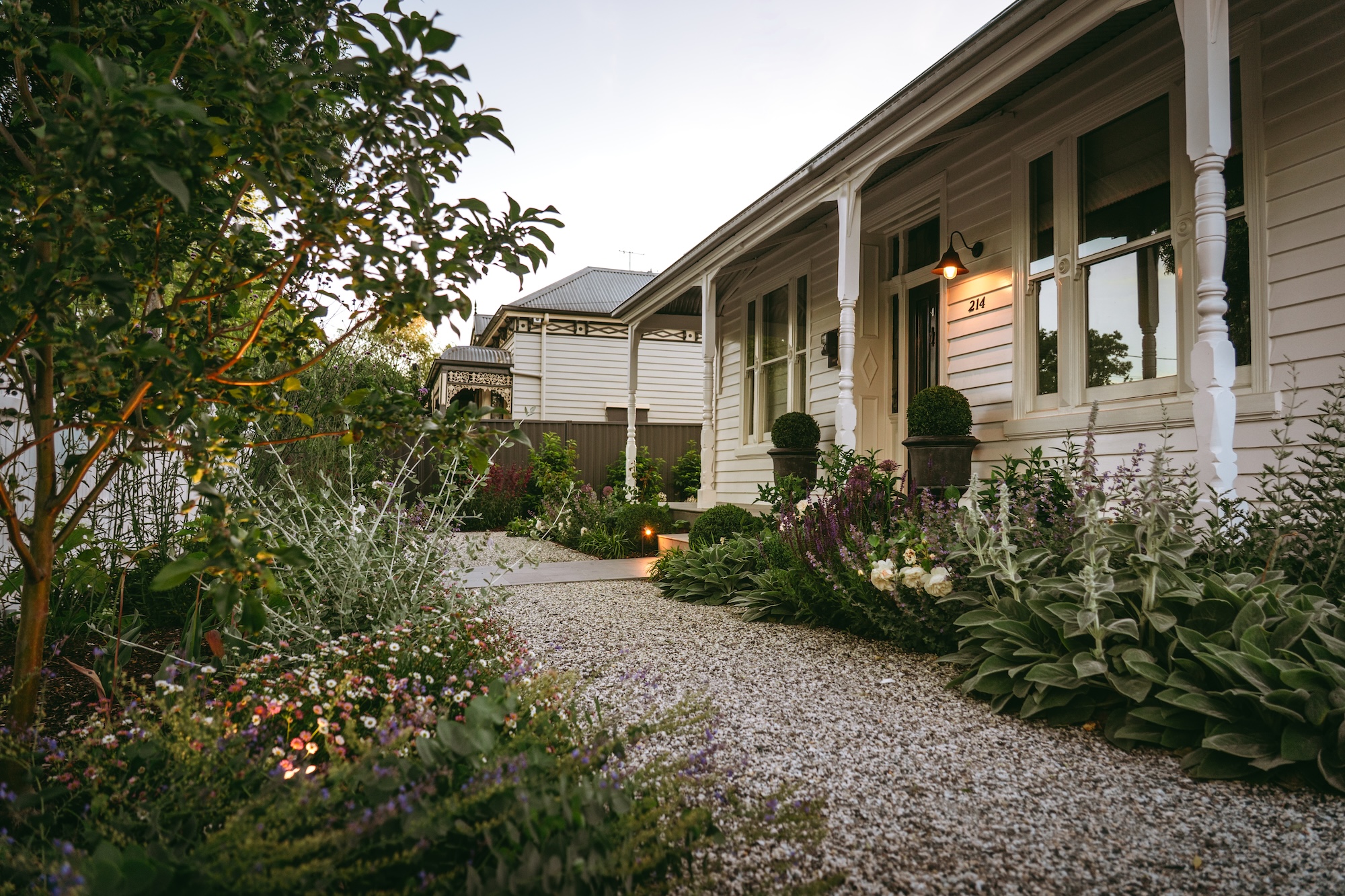
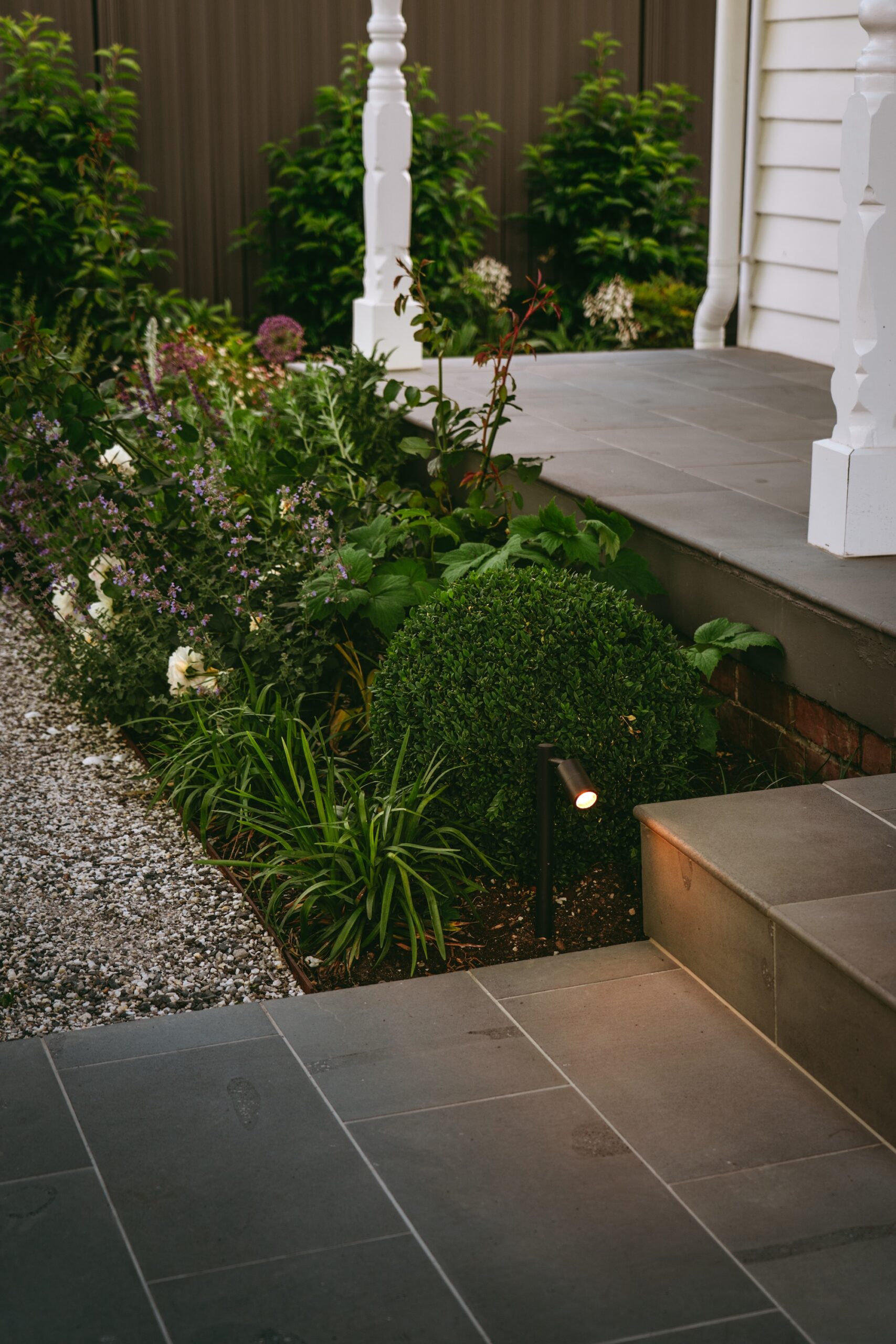
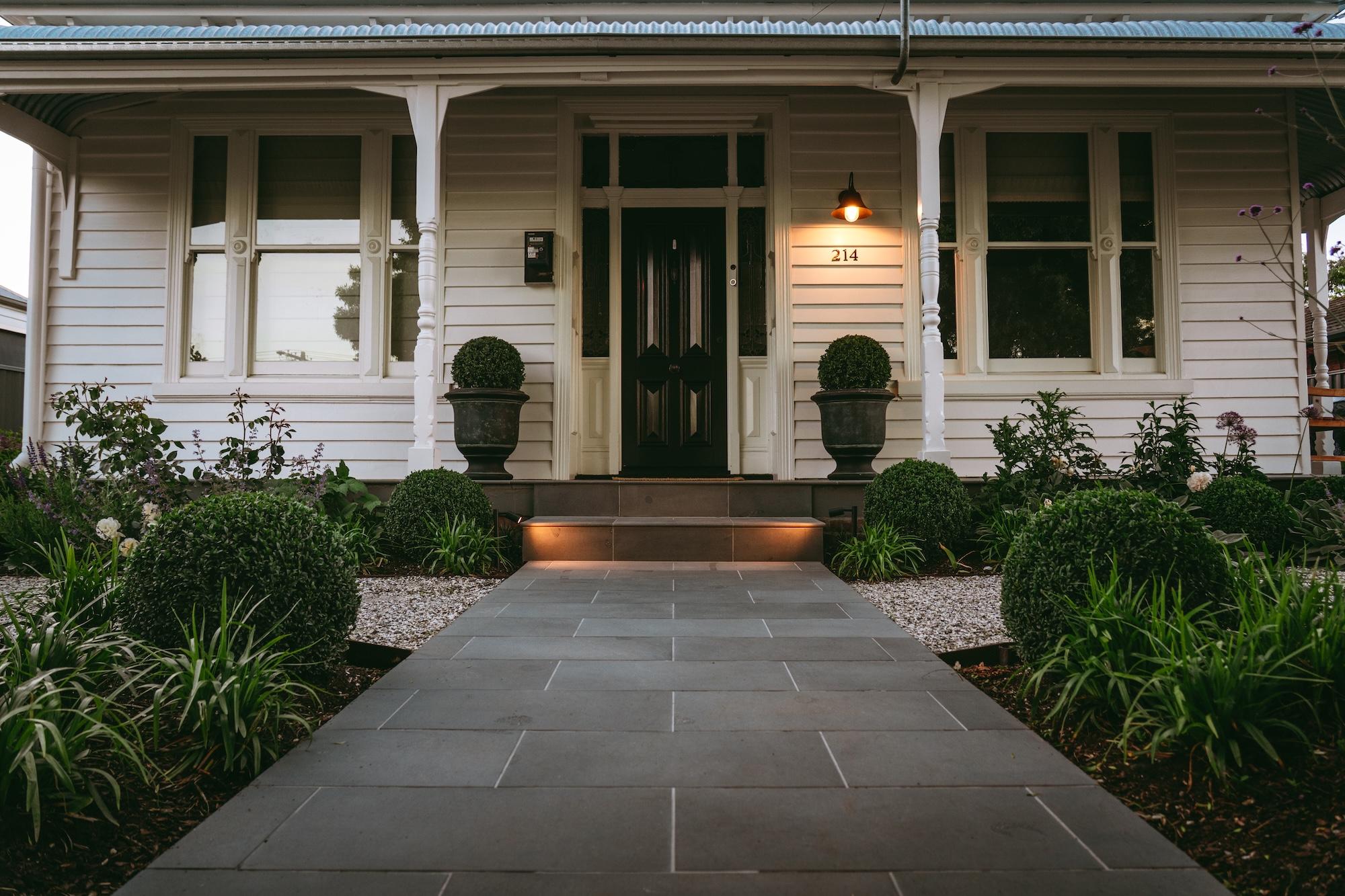
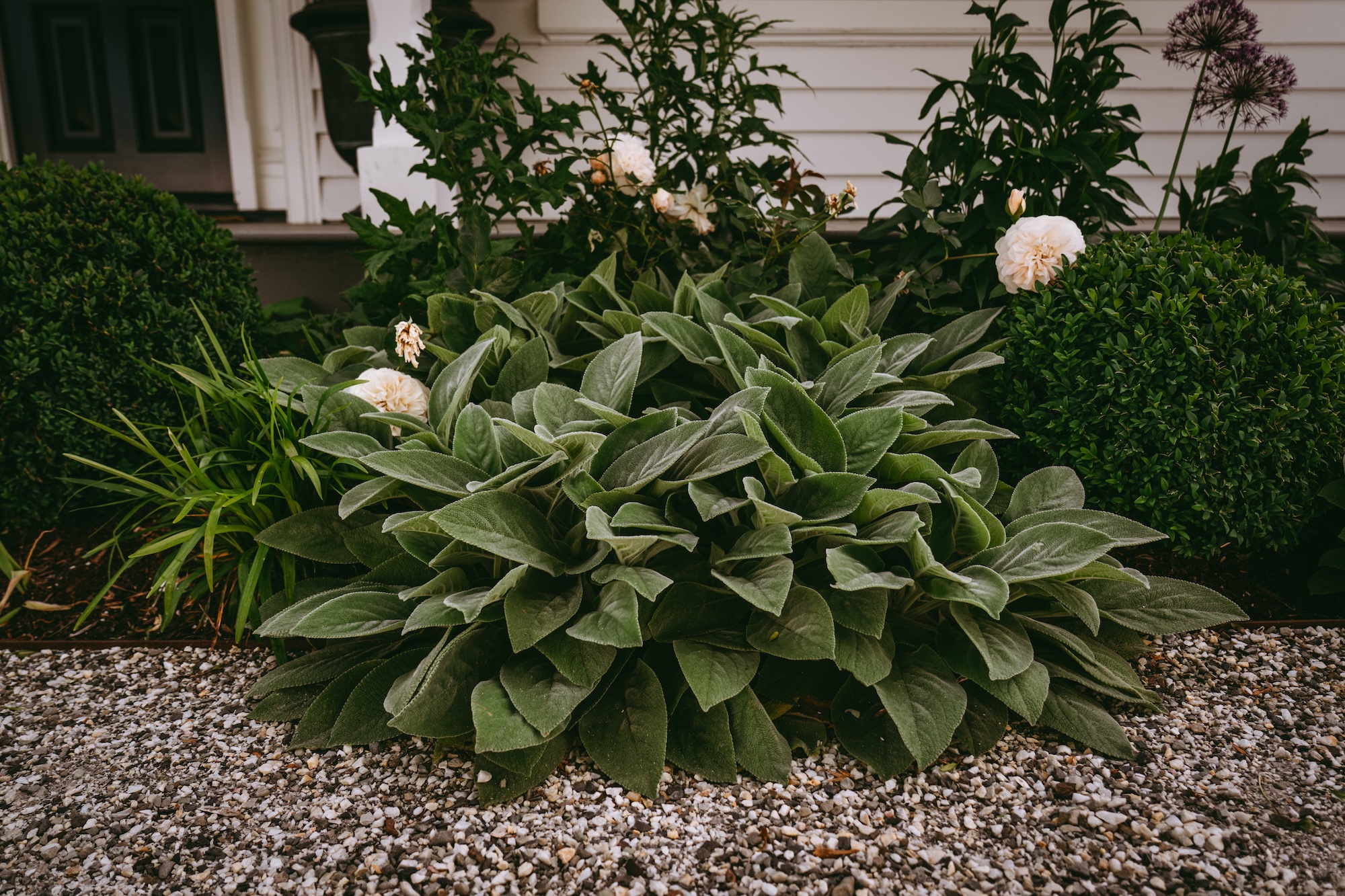
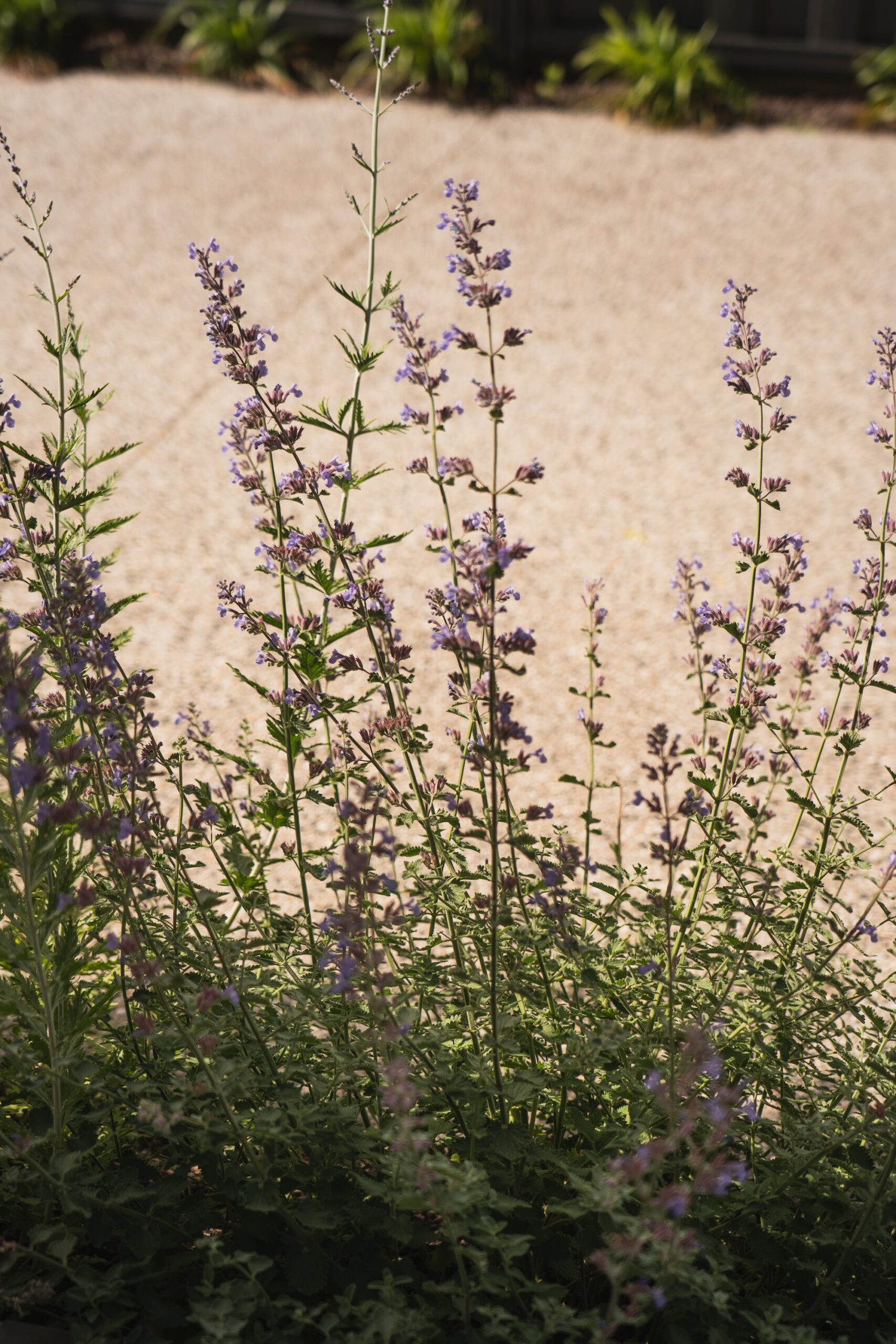
The front garden takes its cues from the cottage’s Victorian origins. Symmetrical planting and formal geometry in the paving establish a clear structure, with English box and crab apples providing the framework. David Austin roses, salvias, penstemons, catmint and lamb’s ears bring a softer, more relaxed cottage-garden feel to the beds.
The approach was to respect the proportions and history of the original house without making the garden feel overly formal. Traditional plants anchor the design, while flowers and foliage introduce colour and seasonal change.
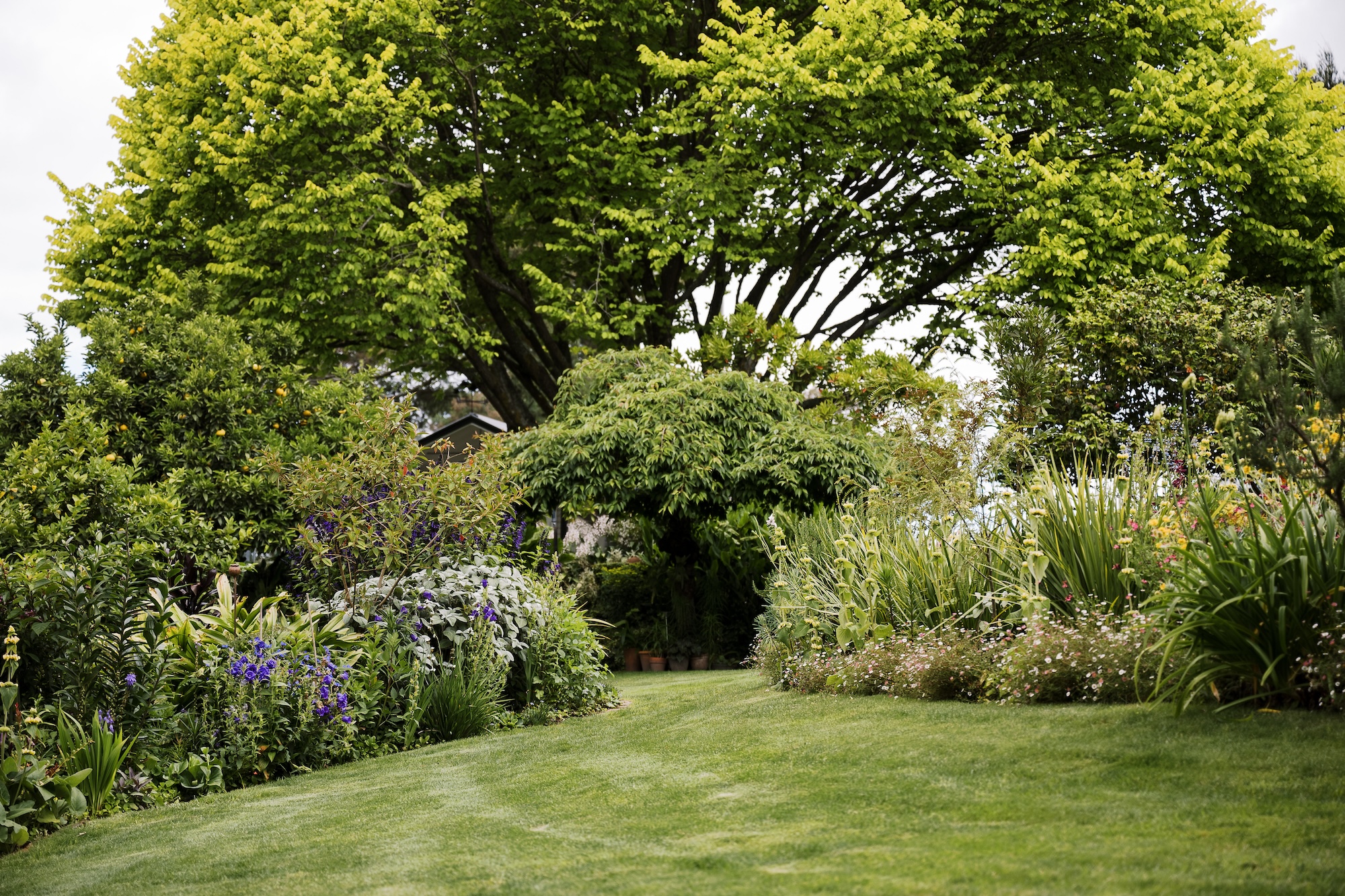
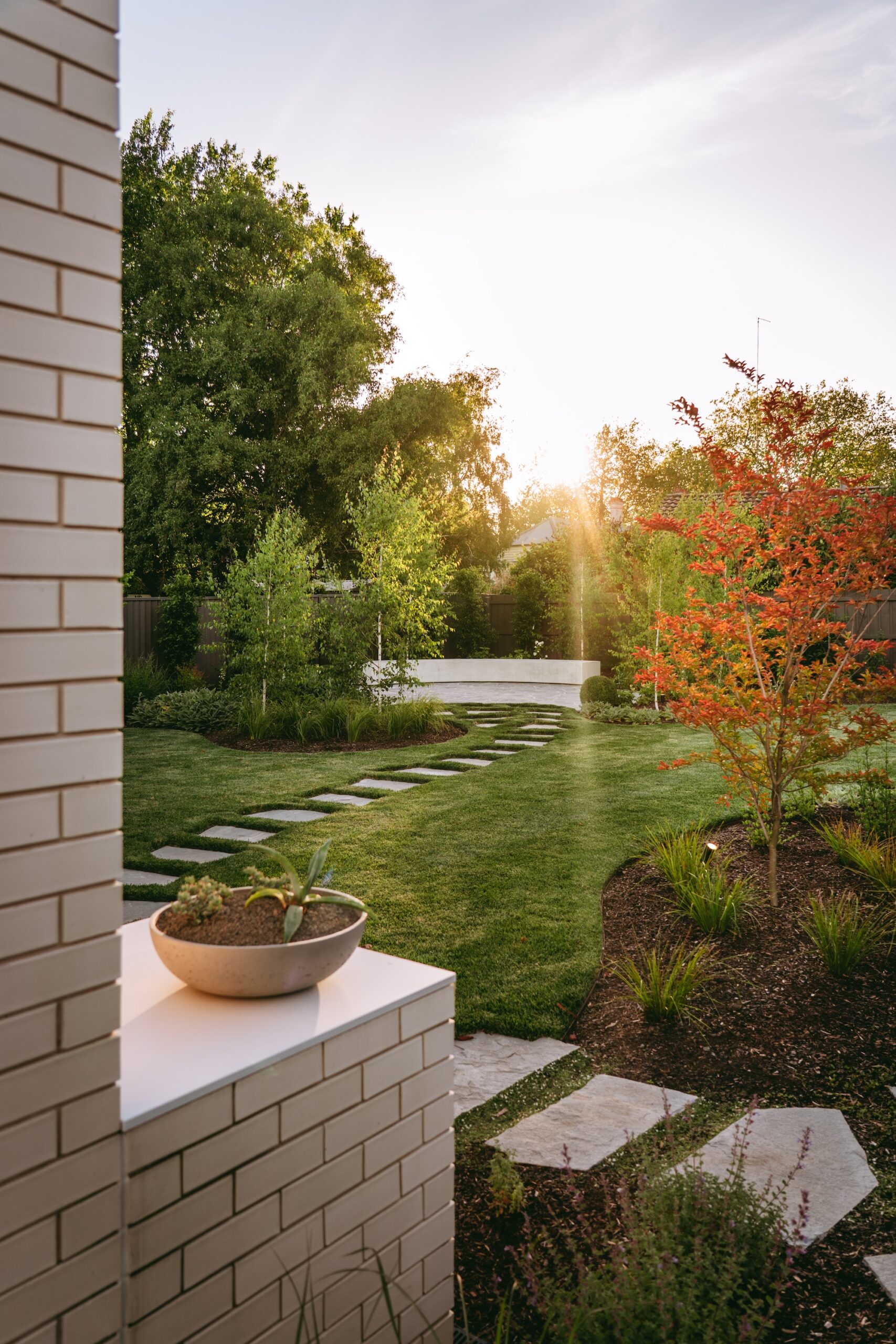
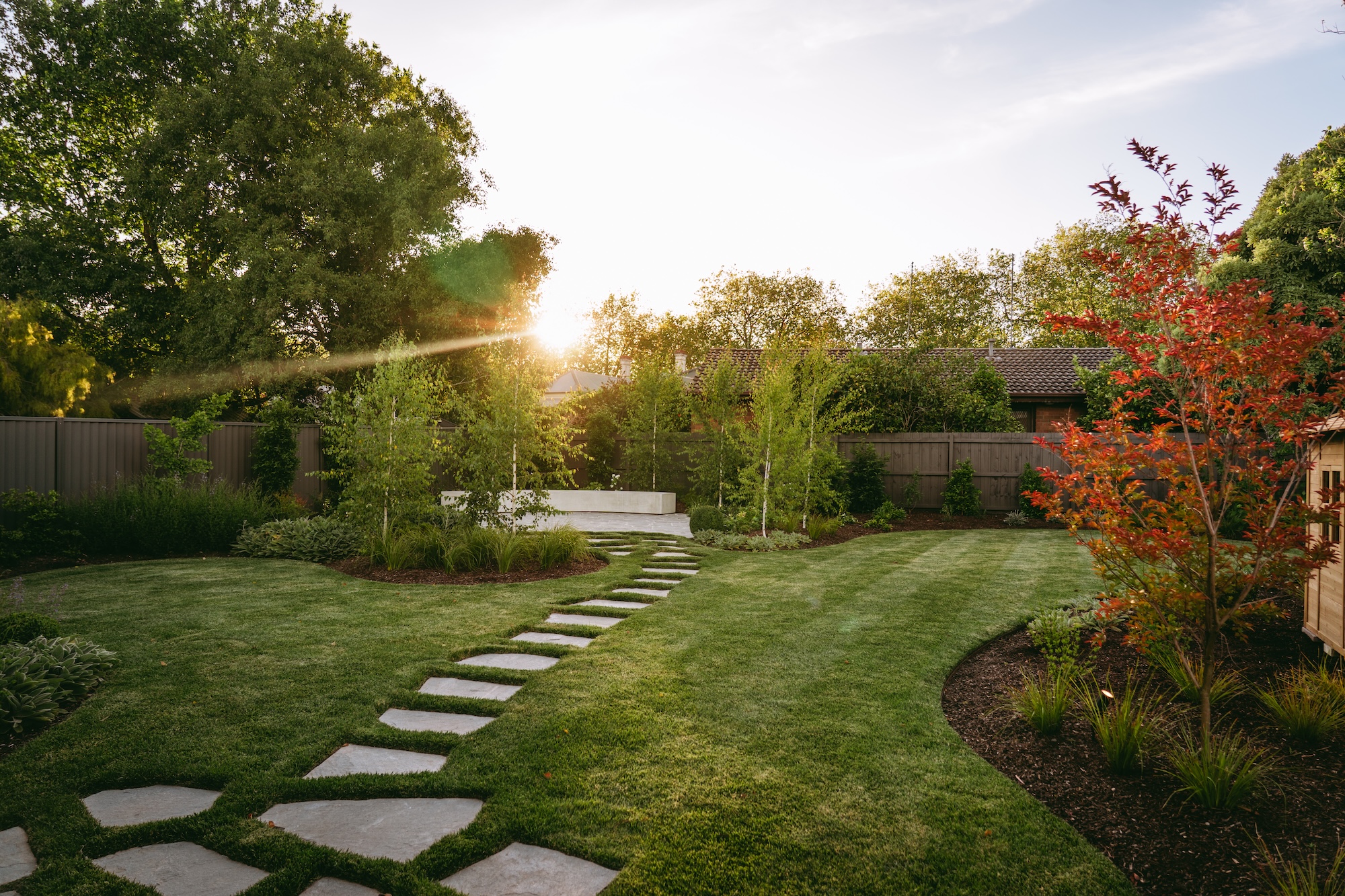
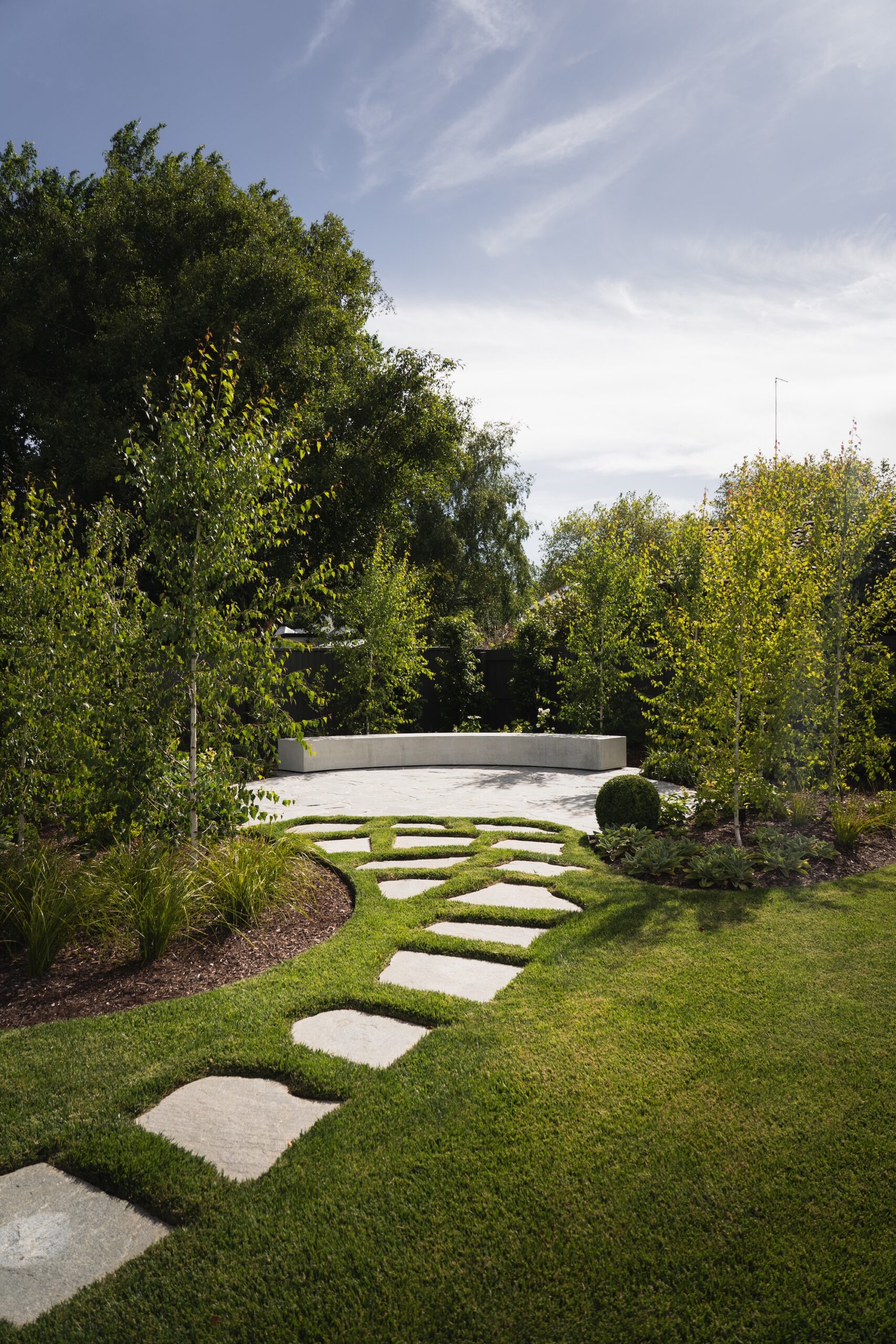
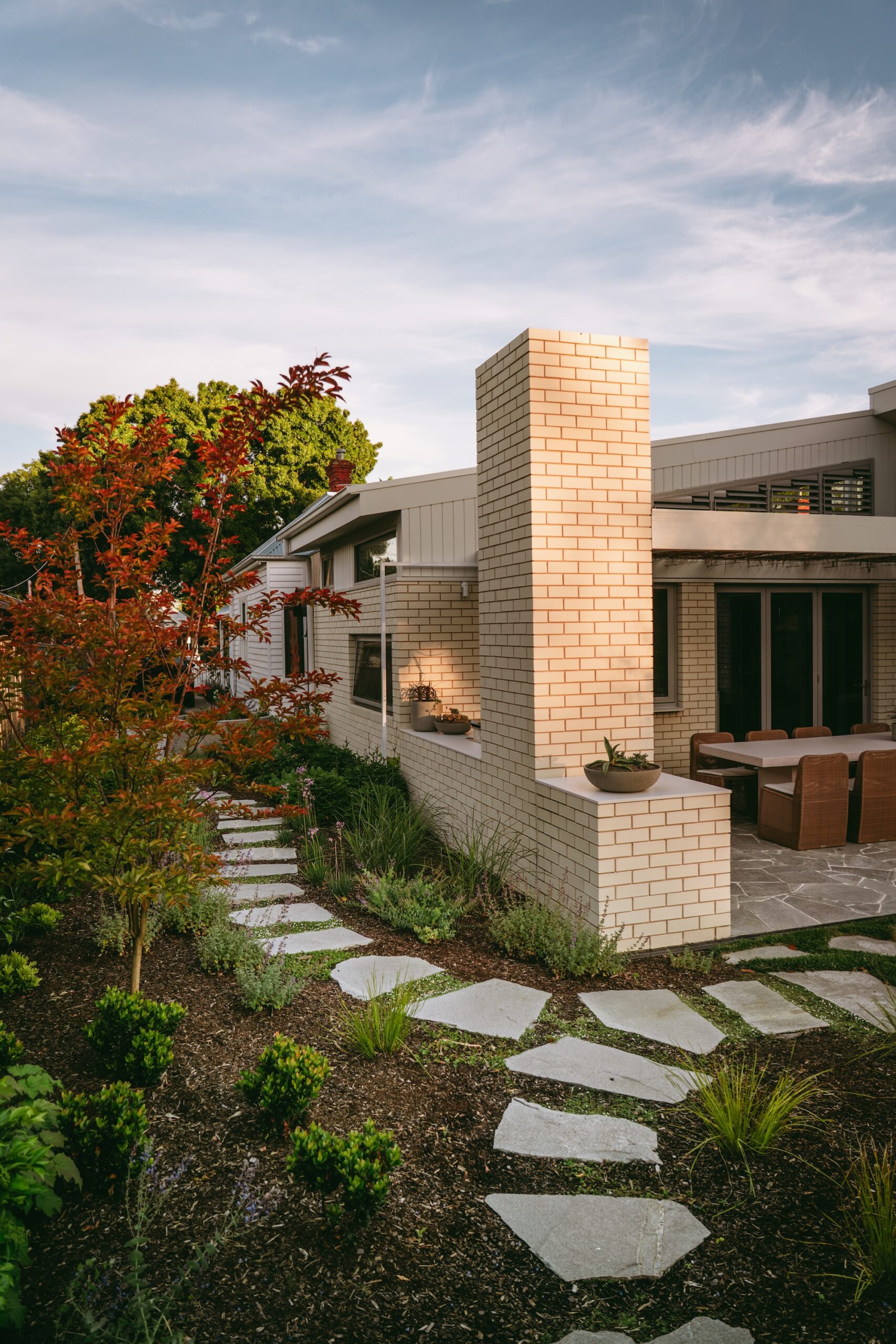
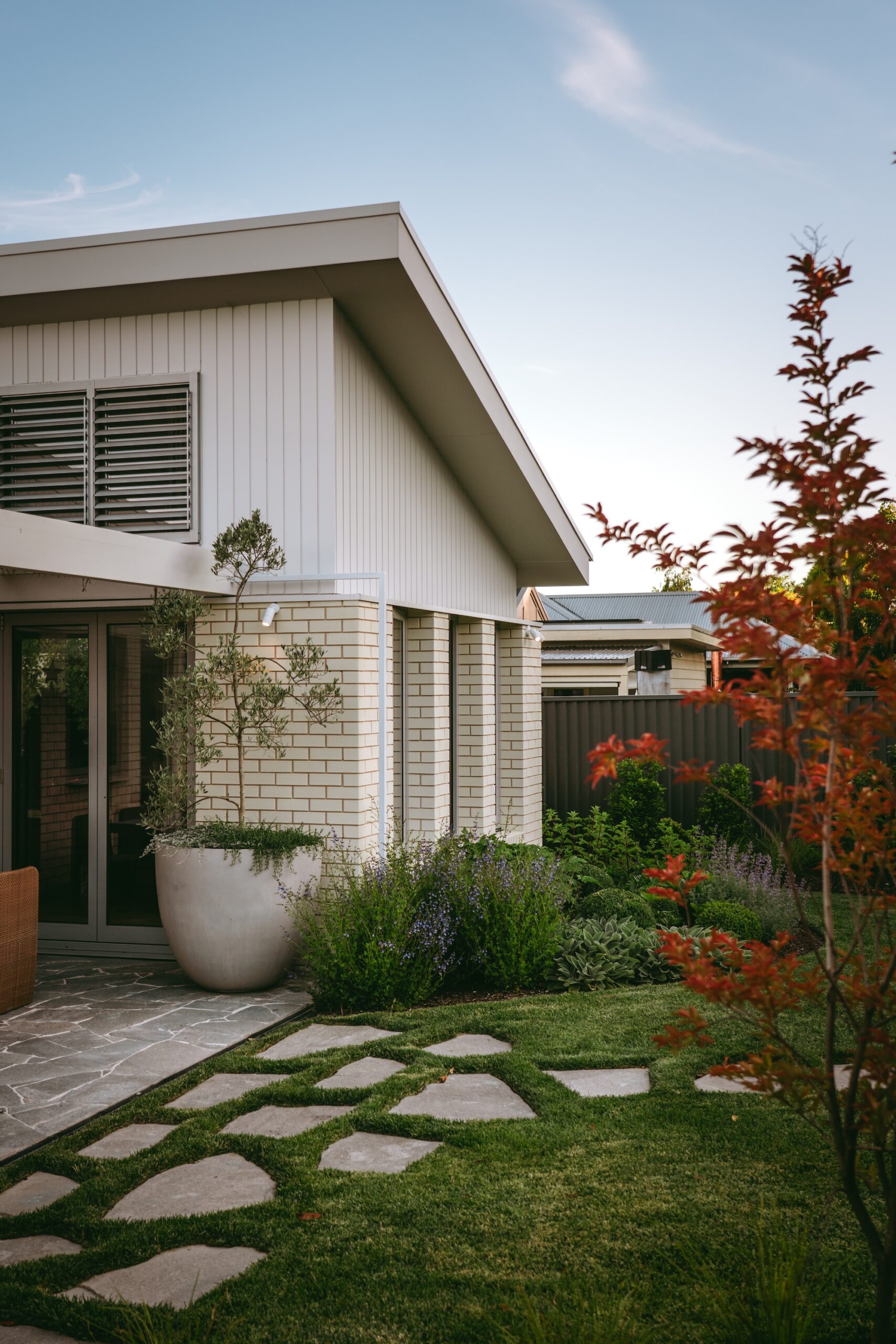
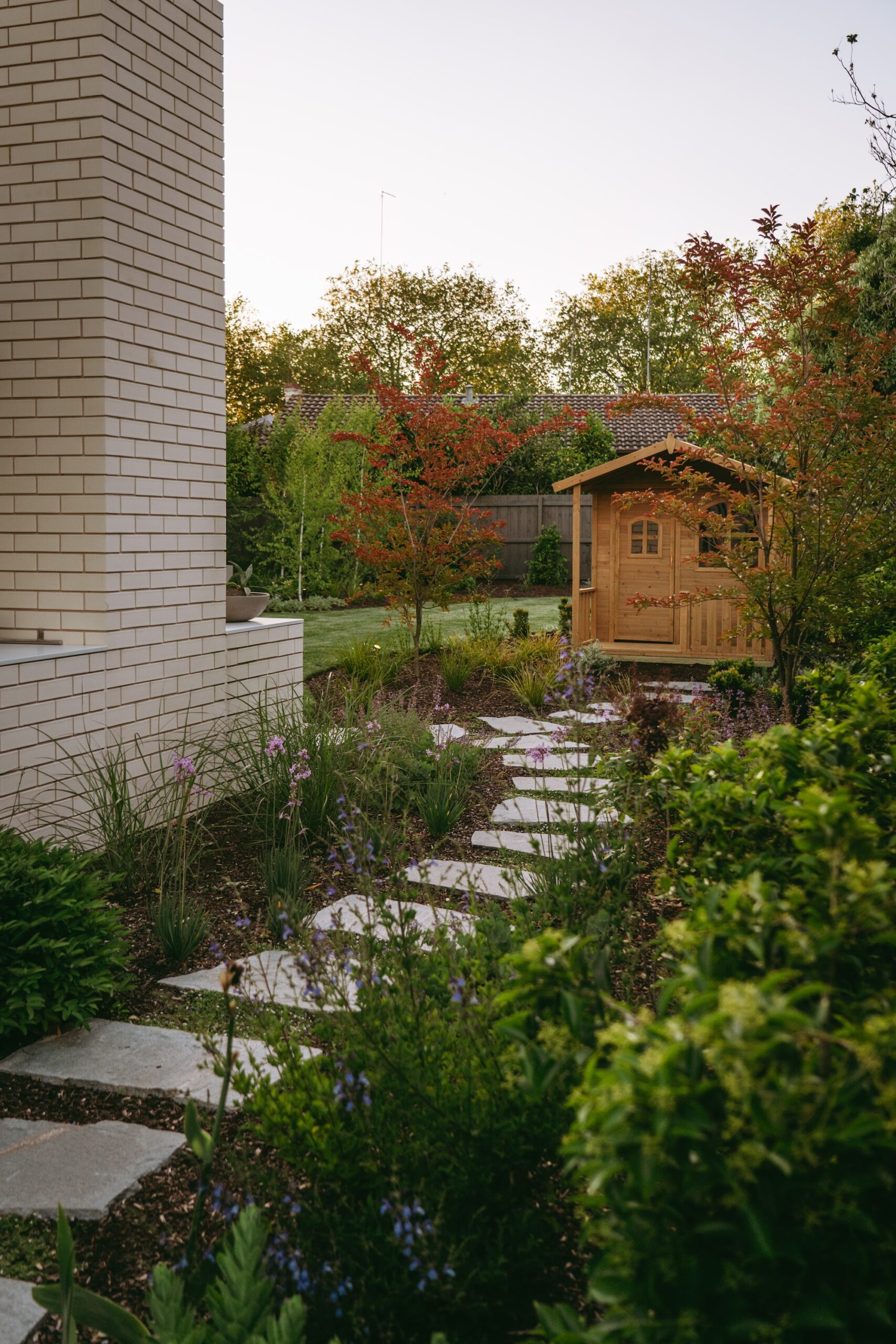
Beyond the house, the mood shifts. The contemporary extension, with its articulated timber and creamy extruded brick, called for a different treatment. Sweeping curves and layered planting soften the geometry of the architecture, with a lawn providing an open, flexible space for children and larger gatherings. The owners wanted a park-like feeling, and the lawn gives the garden room to breathe among the planting.
Looking beyond the boundaries
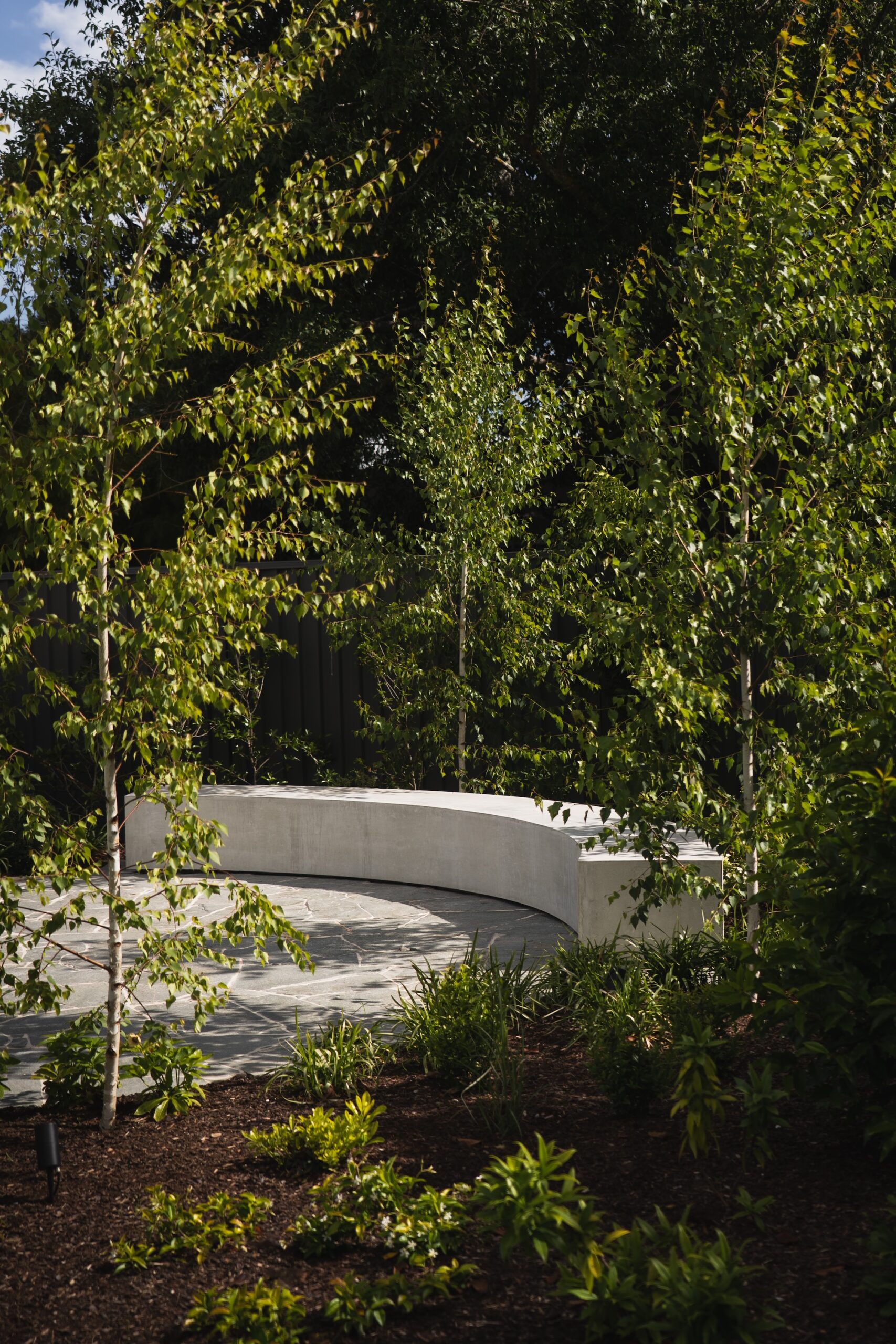
With the original garden cleared of perennial and woody weeds, the boundary fences became much more prominent. Trees were an early priority, providing shade, screening neighbouring houses and helping the garden feel enclosed by greenery rather than fencing.
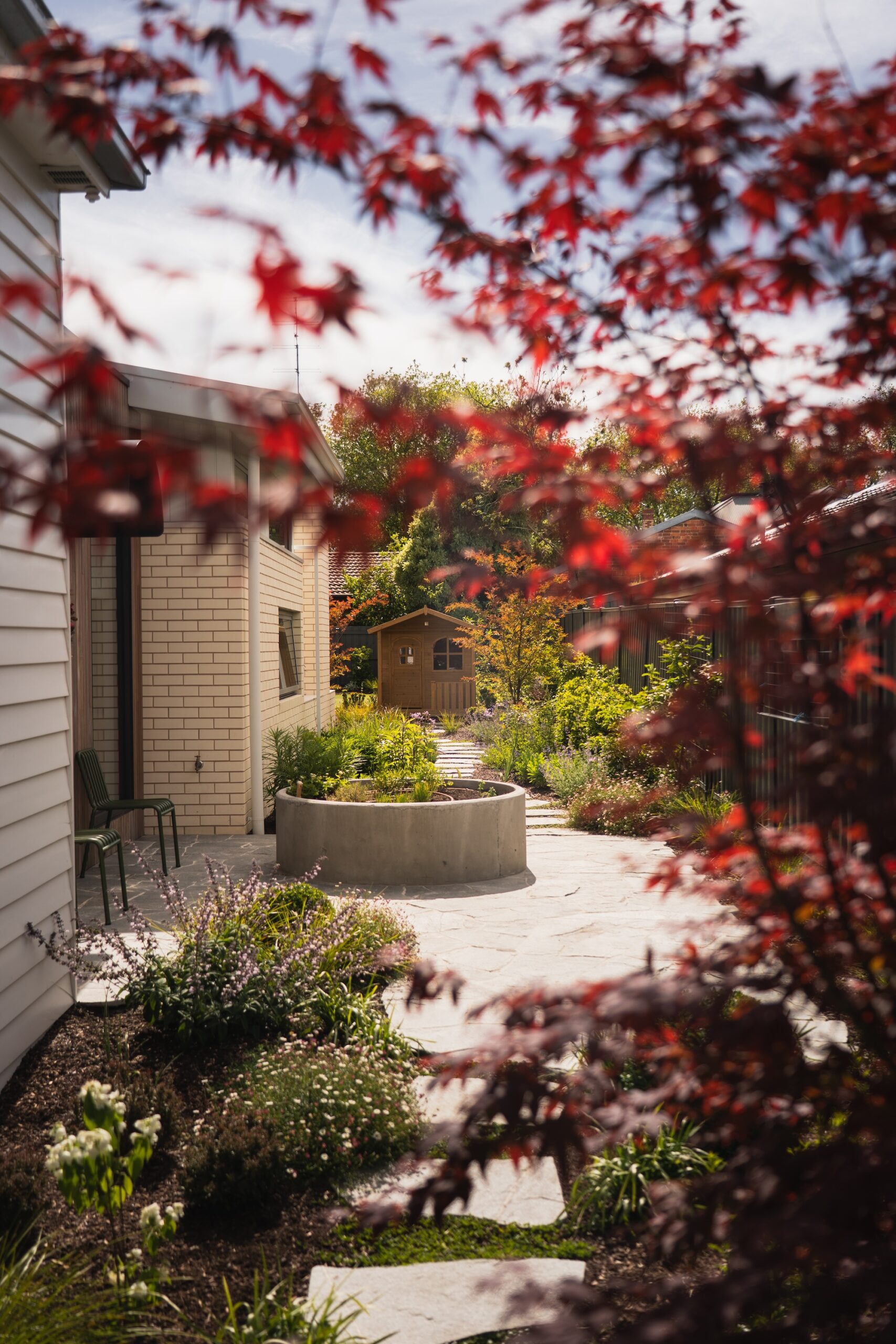
The side garden was also carefully considered. Views from inside the house were shaped through the placement of trees and planting, creating outlooks and drawing the garden into everyday life. Smaller groupings of shrubs, perennials and ornamental grasses sit beneath the taller screening plants, bringing movement and texture as you move between spaces.
The site was level, so creating a sense of progression through the garden depended on how the spaces were arranged and how planting guided the eye. Although the front and rear have different characters, repeated plant species help link them, making the transition feel natural rather than abrupt.
A garden for every season
The planting is one of the garden’s defining features, with almost 70 different species selected to suit Ballarat’s climate and provide interest throughout the year. The owners had spoken of their affection for the flowers and fragrances of their childhood garden, making old-world plants an important part of the brief.
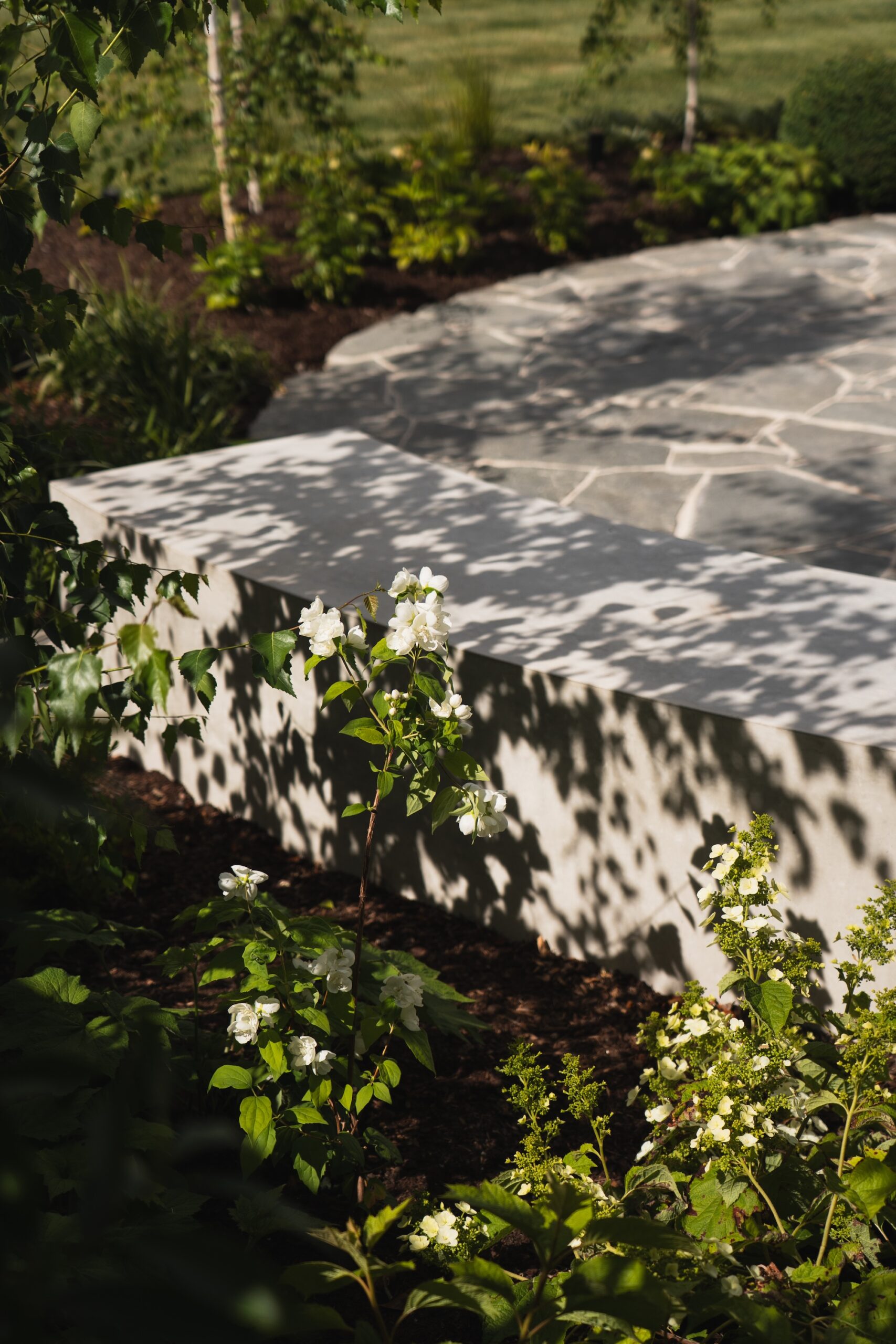
Magnolias, lilacs, dogwoods and philadelphus bring particular interest in late winter and spring. Some of these less readily available plants are propagated at Plantae’s own studio nursery, allowing Phoebe to introduce varieties that might otherwise be difficult to source. Elsewhere, flowering perennials and ornamental grasses provide a changing mix of colour and texture.
The planting was developed in collaboration with Darcy from Acacia Landscapes, whose knowledge of the local microclimate helped refine the selection as the garden took shape. Plantae sourced plants from a range of nurseries, and more than 550 individual plants went into the garden.
Practical details were included, too. Alongside the lawn and generous gathering spaces, there’s room for citrus, herbs and seasonal vegetables.
Watching it grow
Phoebe often receives photographs from the owners showing a new flower or a particularly pleasing view, small moments that reflect how the garden is being lived in. “I think that the climate of the central highlands has afforded the creation of a highly seasonal garden that is thriving. There’s always something flowering and is constantly changing which means lots of reasons to get out into it with the secateurs and to pick a few things to bring inside.”
Plant palette
Trees, screens & shrubs
- Acer palmatum ‘Atropurpureum’ (Japanese maple)
- Acmena smithii ‘Sublime’ (lilly pilly)
- Betula pendula ‘Moss White’ (silver birch)
- Buxus sempervirens (English box)
- Camellia sasanqua ‘Setsugekka’
- Citrus spp. (lemon and lime)
- Cornus ‘Eddie’s White Wonder’ (flowering dogwood)
- Cotinus ‘Velvet Cloak’ (smoke bush)
- Ginkgo biloba ‘Piedmont Pillar’
- Lagerstroemia ‘Natchez’ (crepe myrtle)
- Laurus nobilis ‘Miles Choice’ (bay)
- Magnolia spp. (magnolia)
- Malus ‘Gorgeous’ (crabapple)
- Nandina domestica (sacred bamboo)
- Olea europaea (olive)
- Parrotia persica (Persian ironwood)
- Philadelphus spp. (mock orange)
- Pieris japonica ‘Christmas Cheer’ (Japanese pieris)
- Pittosporum tobira ‘Miss Muffet’ (Japanese pittosporum)
- Prunus lusitanica (Portuguese laurel)
- Rhaphiolepis indica ‘Snow Maiden’ (Indian hawthorn)
- Sarcococca confusa (sweet box)
- Syringa ‘Nargoondy’ (lilac)
- Teucrium fruticans
- Veronica perfoliata (diggers speedwell)
Flowering plants
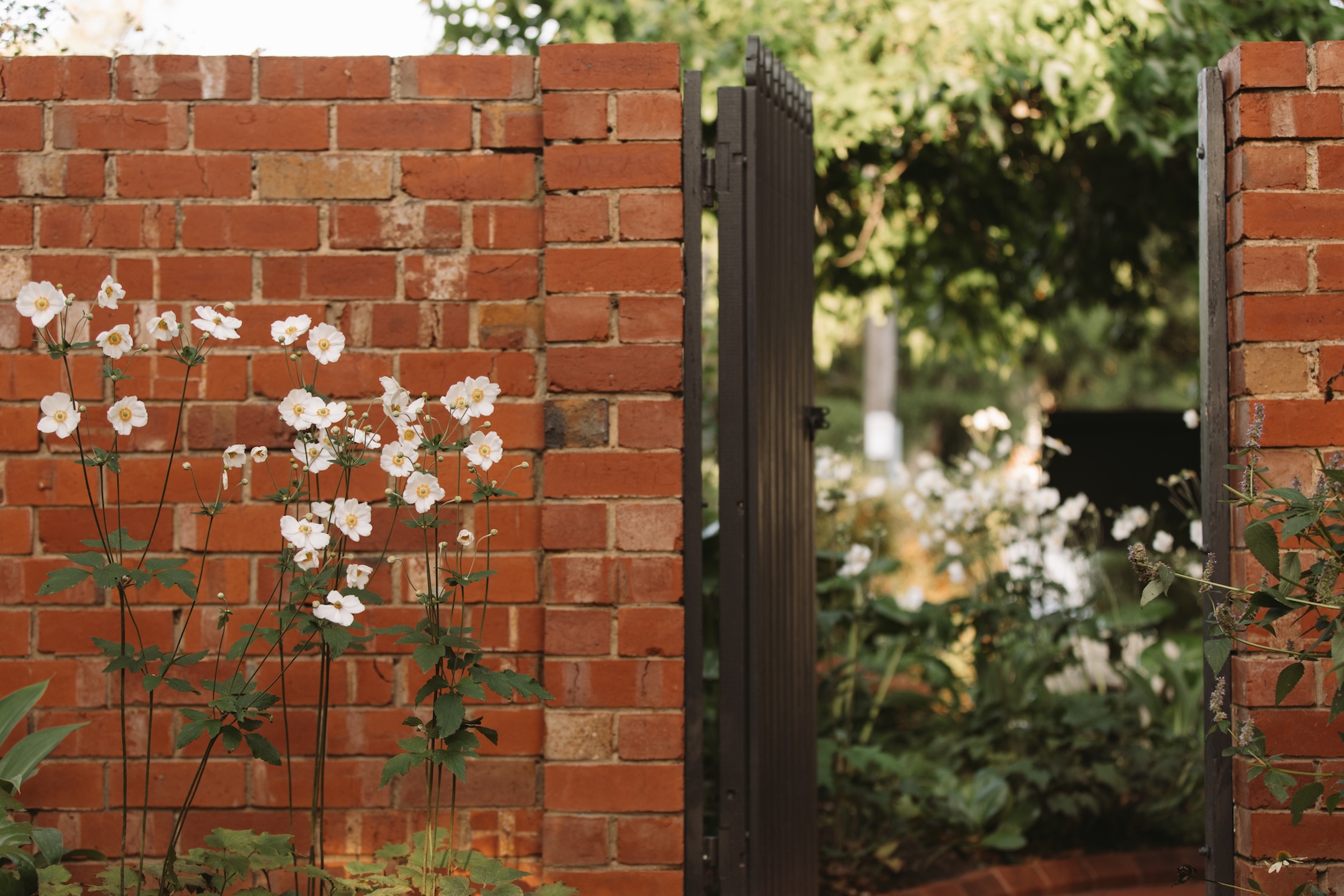
- Anemone × hybrida ‘Honorine Jobert’ (Japanese anemone)
- Aster × frikartii ‘Mönch’
- Echinacea purpurea
- Echinops ritro (globe thistle)
- Eupatorium maculatum (Joe-Pye weed)
- Gaura lindheimeri
- Helianthus angustifolius (swamp sunflower)
- Helleborus orientalis (winter rose)
- Hydrangea quercifolia (oakleaf hydrangea)
- Nepeta × faassenii ‘Dropmore’ (catmint)
- Rosa spp.
- Salvia spp.
- Sanguisorba spp. (burnet)
- Sedum ‘Autumn Joy’
- Verbena bonariensis
Ground covers & climbers
- Erigeron karvinskianus (seaside daisy)
- Parthenocissus spp. (Boston ivy, Virginia creeper)
- Pratia pedunculata (blue star creeper)
- Salvia rosmarinus ‘Prostratus’ (prostrate rosemary)
- Stachys byzantina ‘Big Ears’ (lamb’s ear)
- Trachelospermum asiaticum (Asiatic jasmine)
Grasses & tufting plants
- Iris spp.
- Liriope muscari
- Lomandra longifolia ‘Tanika’
- Miscanthus spp. (maiden grass)
- Tulbaghia violacea (society garlic)
Landscape architecture by Phoebe Couyant, Plantae Landscape Architecture
Photography by Dylan Ridsdale
—