
Landscape architecture by Gary Hilderbrand, John Kett, and Leslie Carter of Reed Hilderbrand
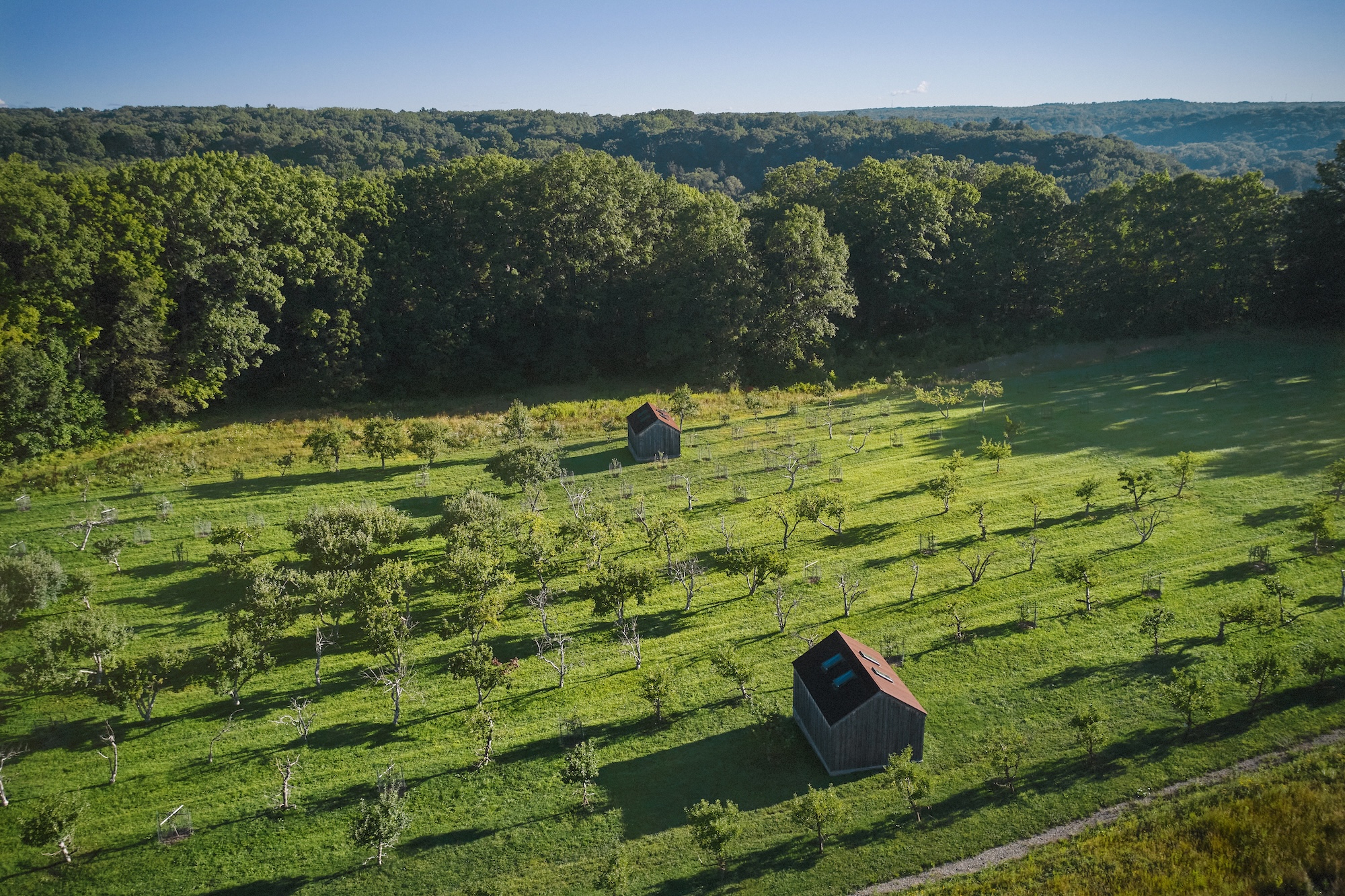
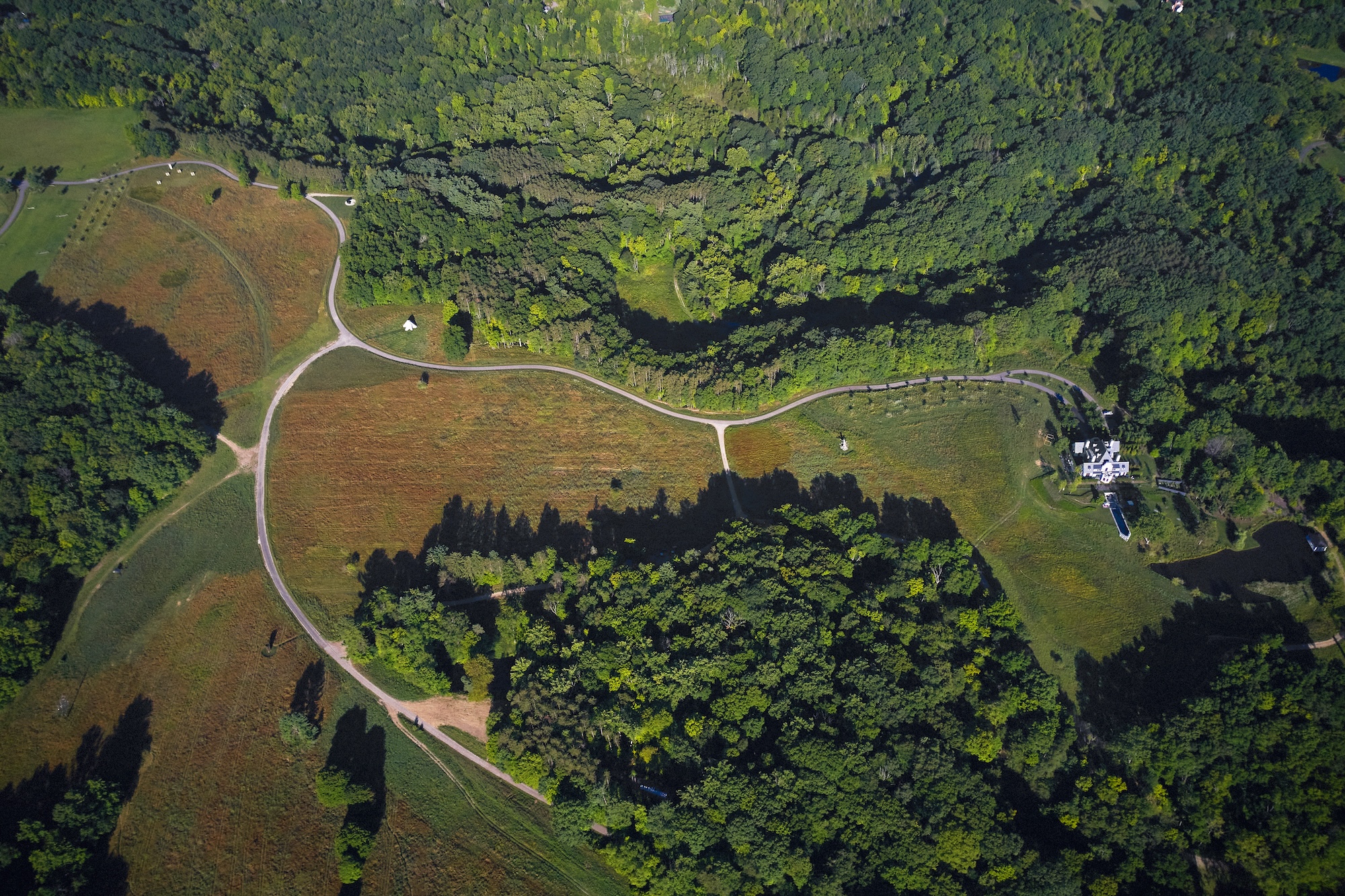
American arts patron Scott Mueller asked landscape architecture practice, Reed Hilderbrand, to explore and reimagine 150 acres of former production orchards and steep woodlands east of Cleveland, Ohio.
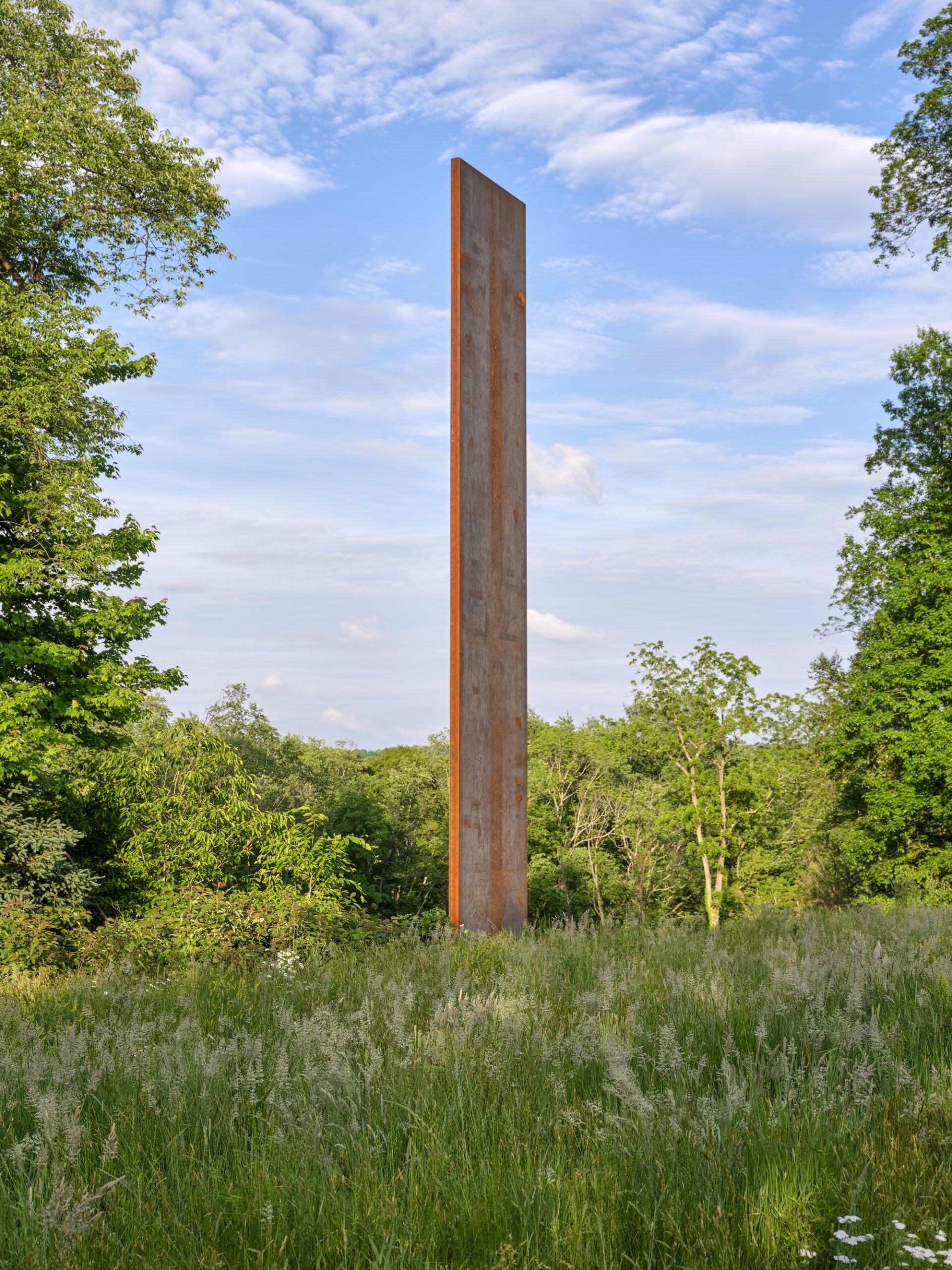
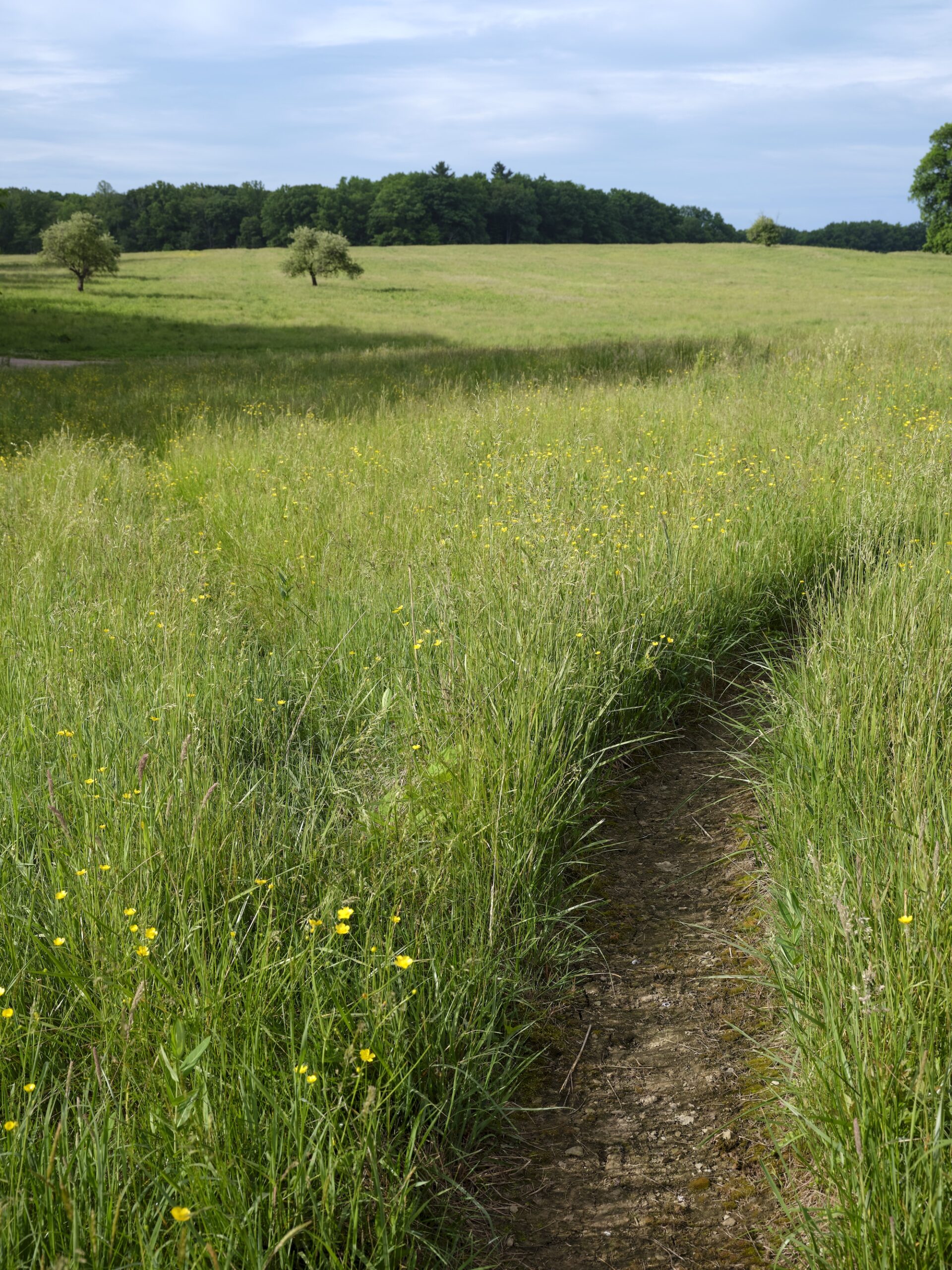
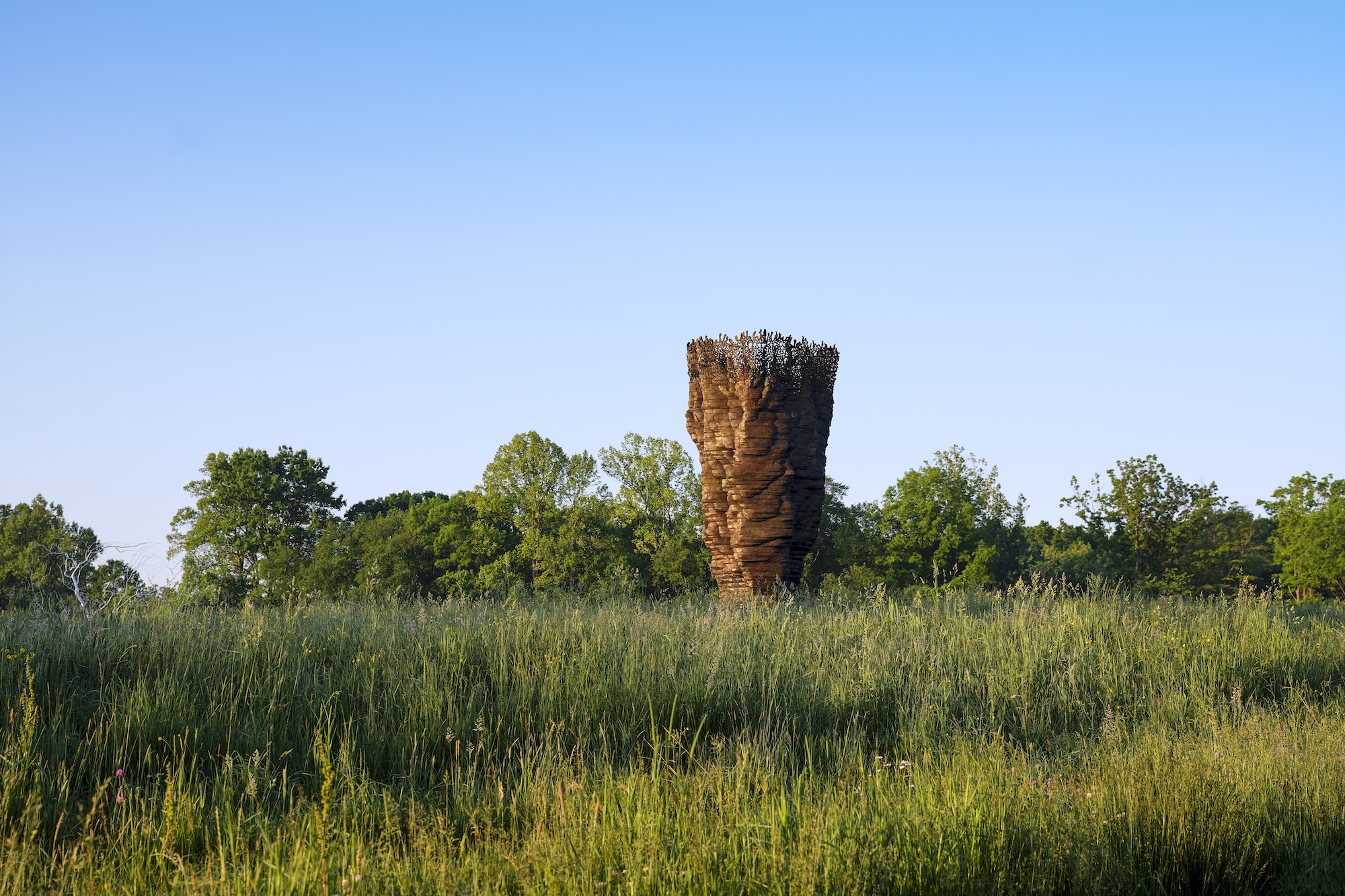
Scott wanted a new residence, and also a place for a new contemporary sculpture collection to work with the ecology of the area, including meadows long known as habitat for ground-nesting bobolinks (a small New World blackbird).
Over the course of a decade, the property took shape. It’s now a place that celebrates the land’s diverse character, its shifting seasons, and the dynamic relationship between art and place.
An ecological approach
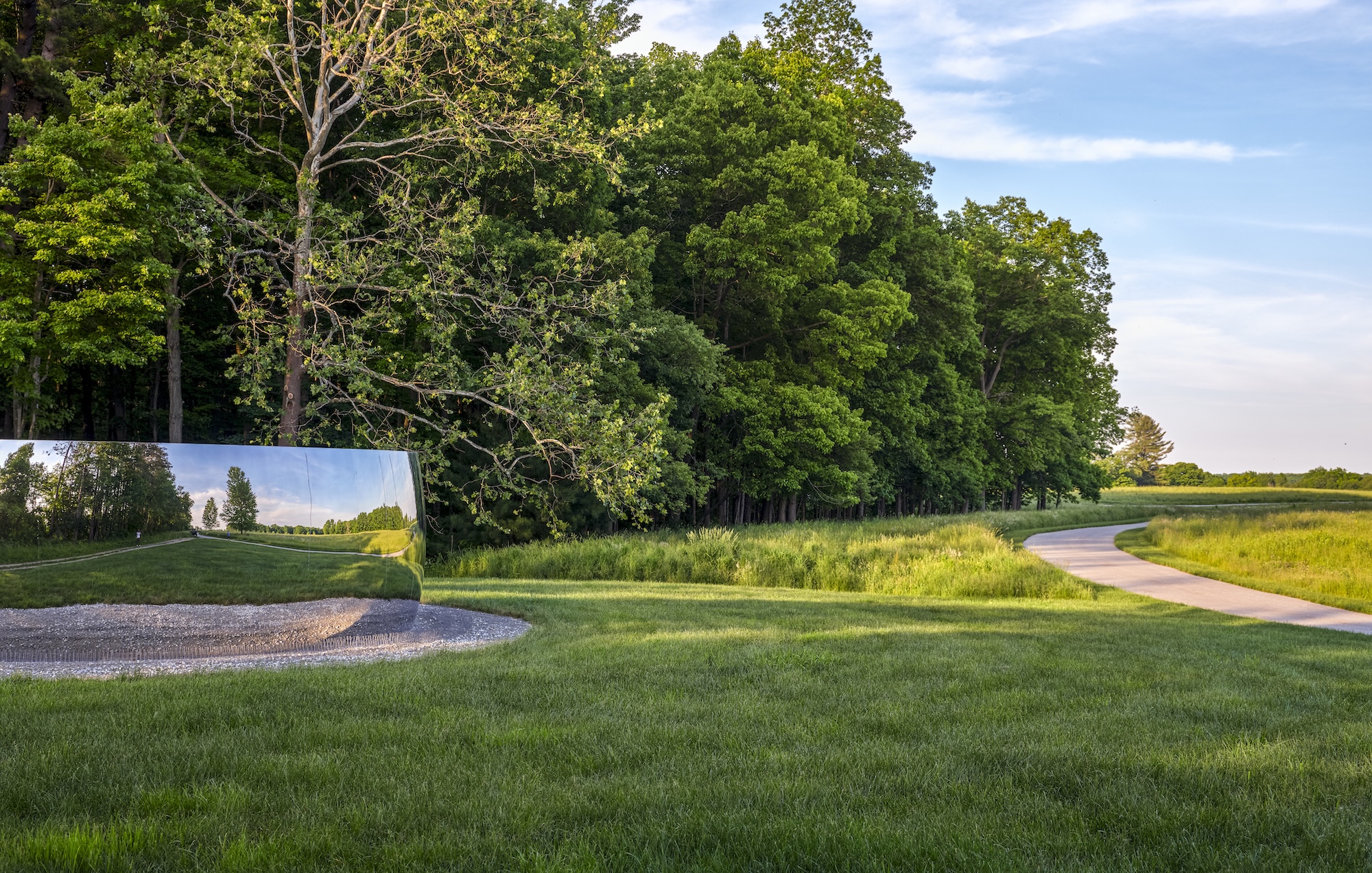
The landscape architecture involved identified areas of high ecological value, set restoration priorities and helped determine ideal sites for artworks. New roads, trails and larger sculptures were added with care, always looking for ways to support restoration. By working gradually, the team was able to protect critical habitat throughout the transformation.
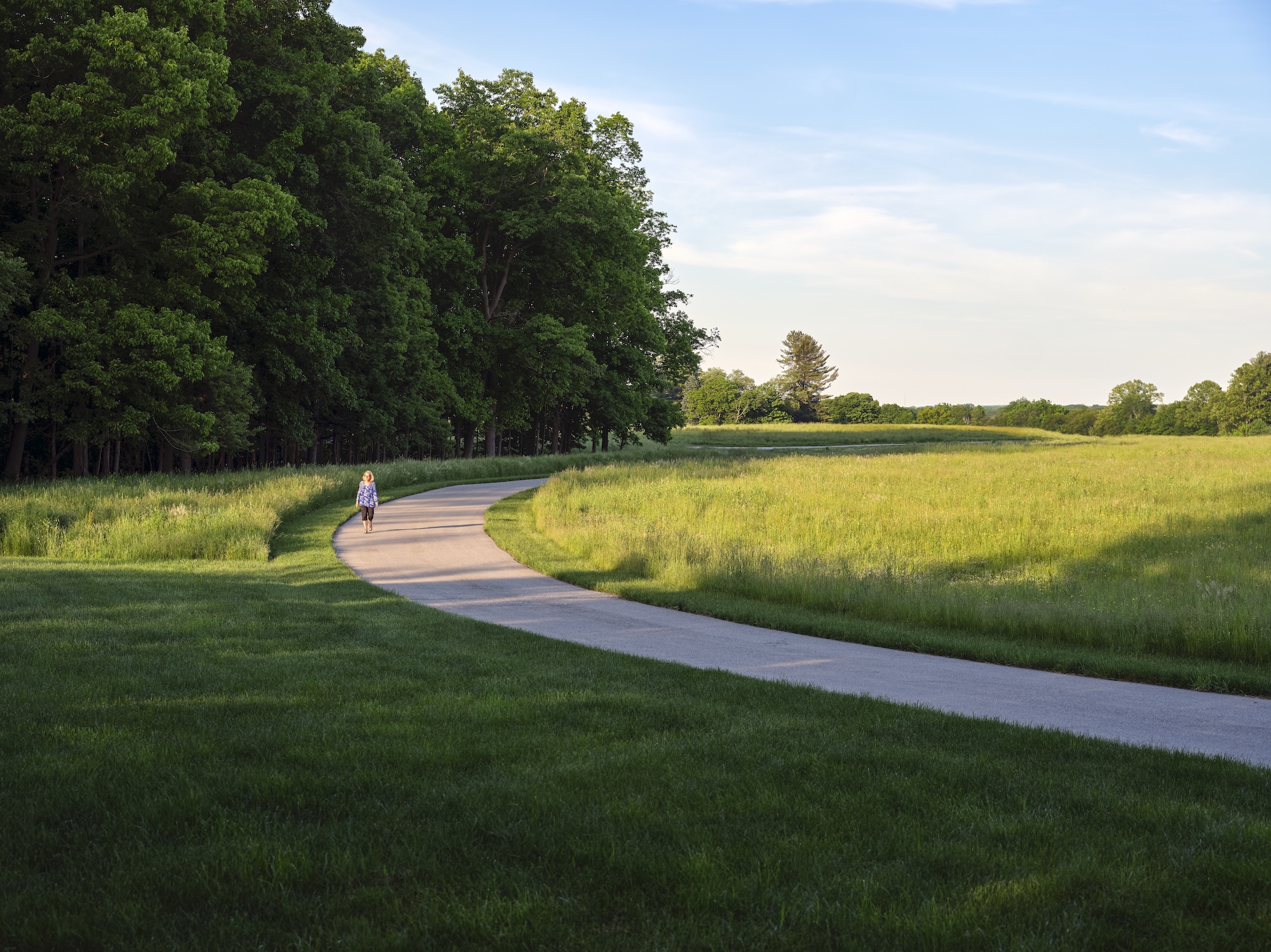
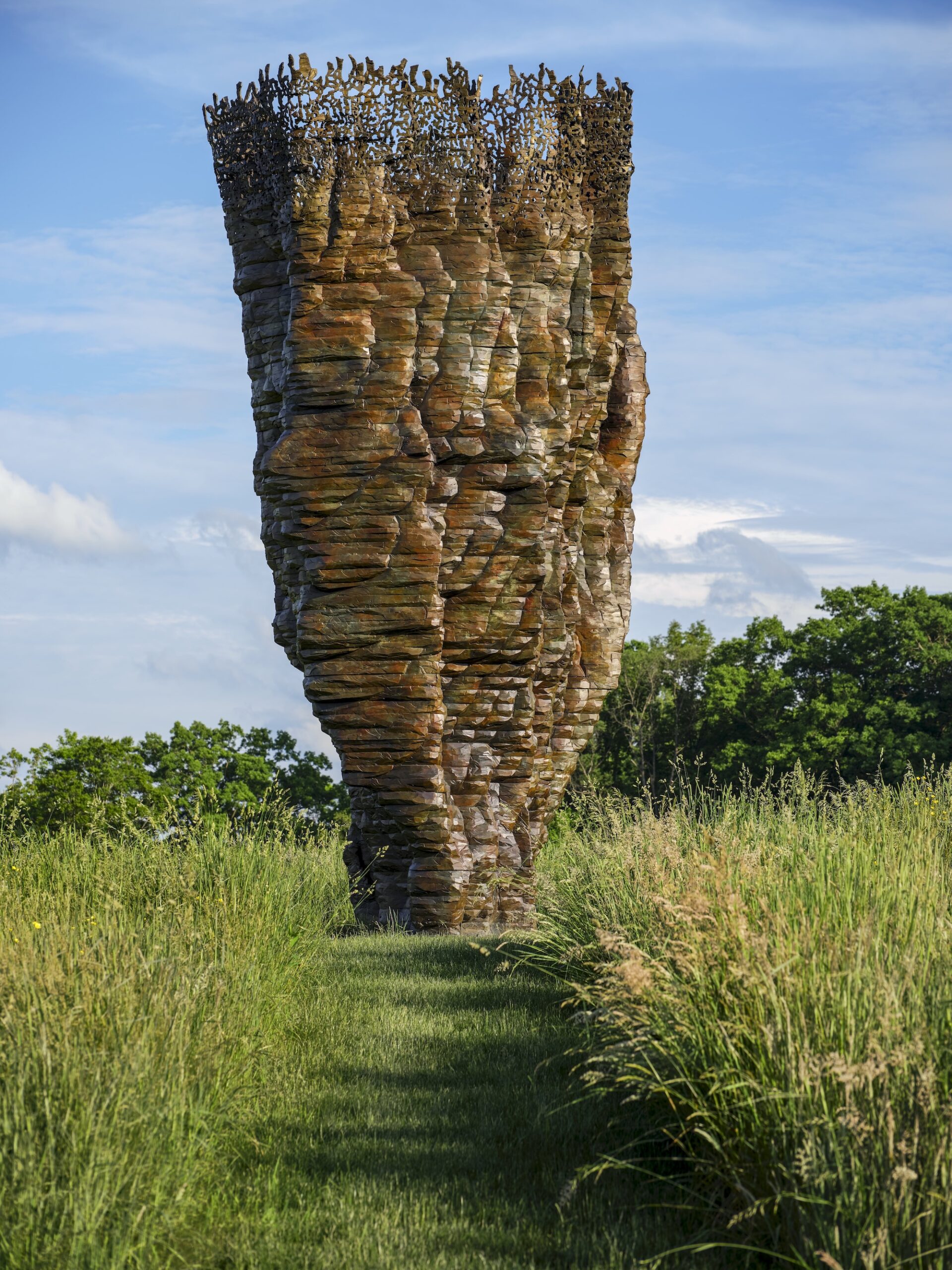
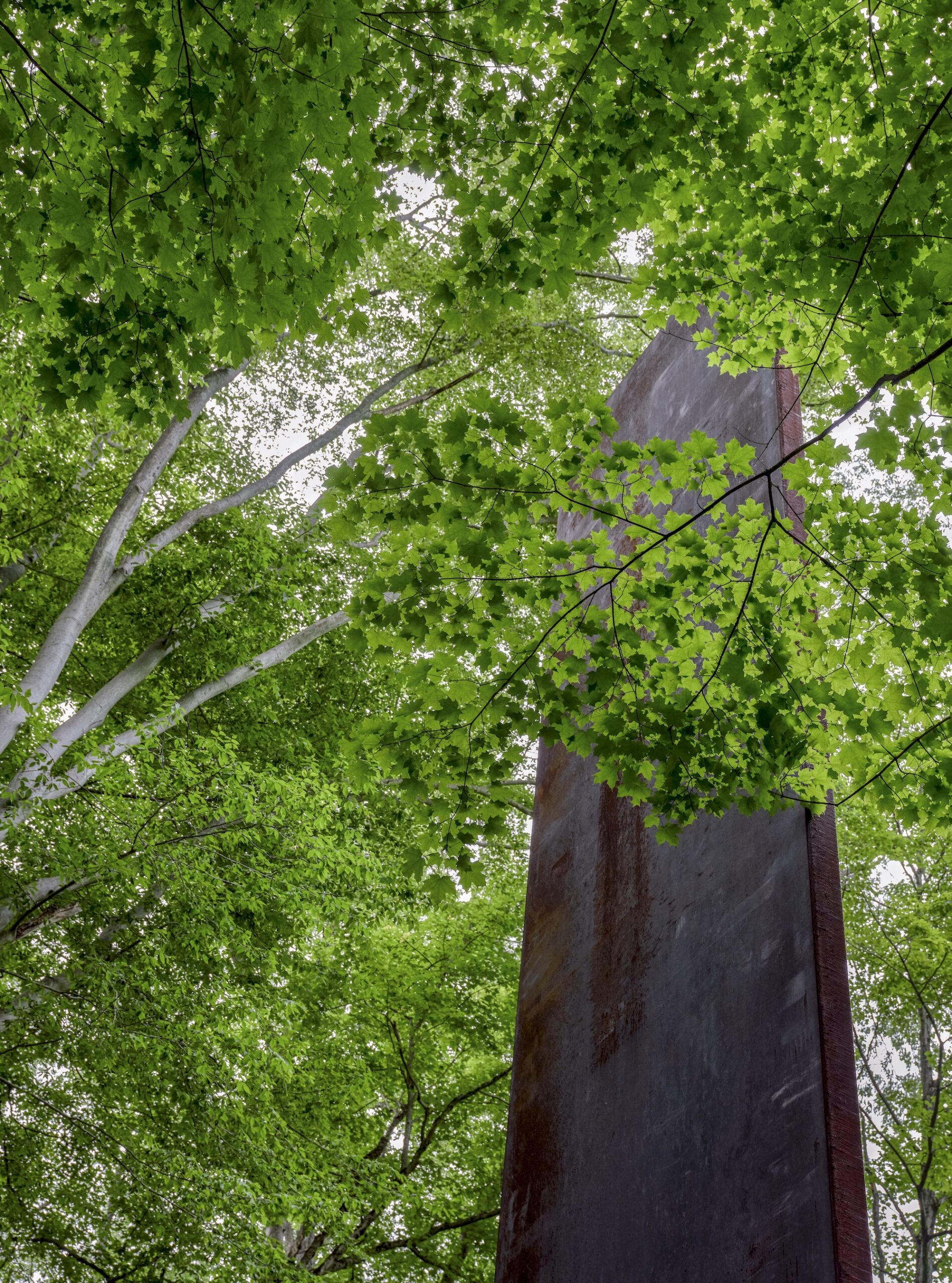
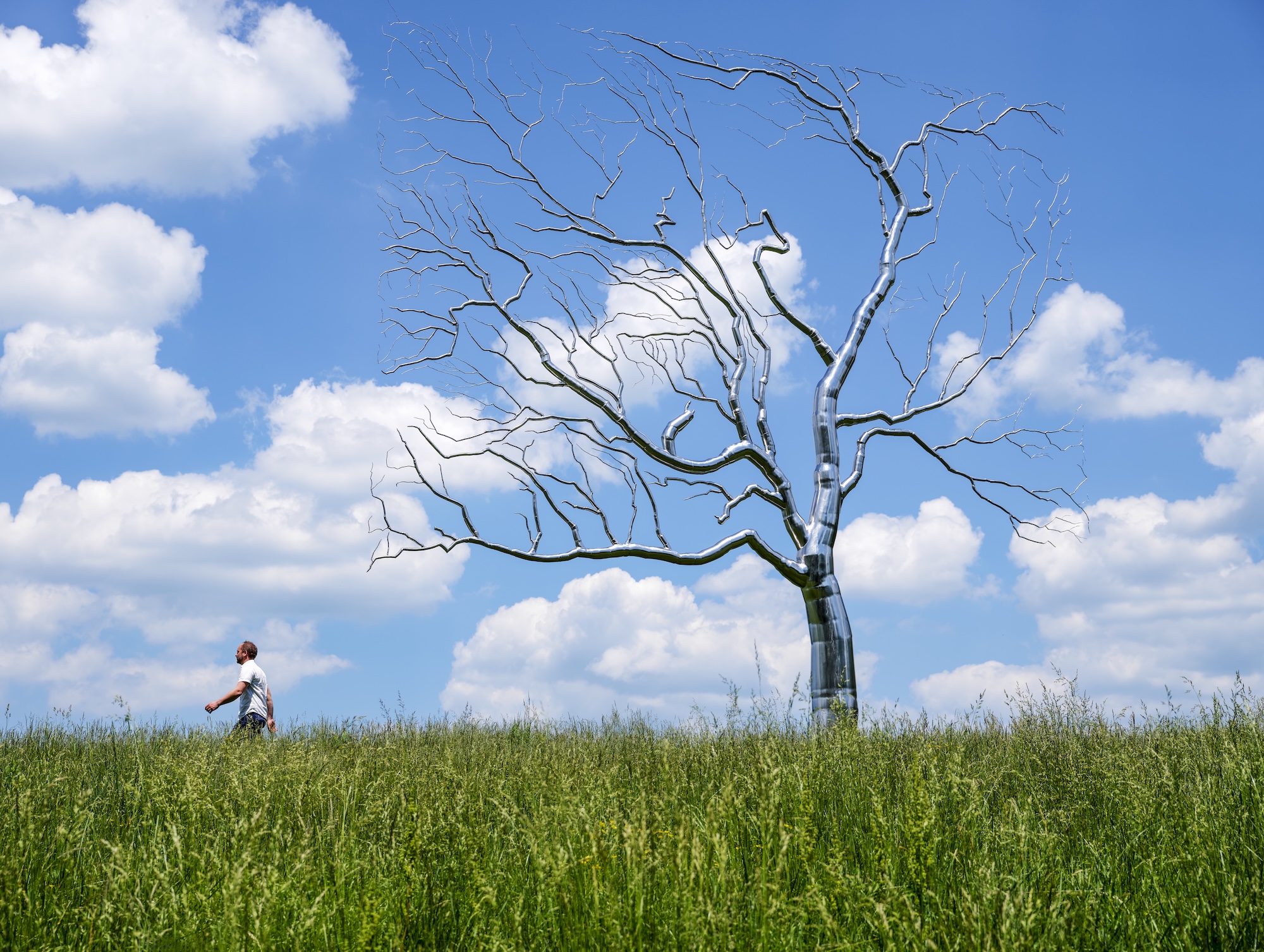
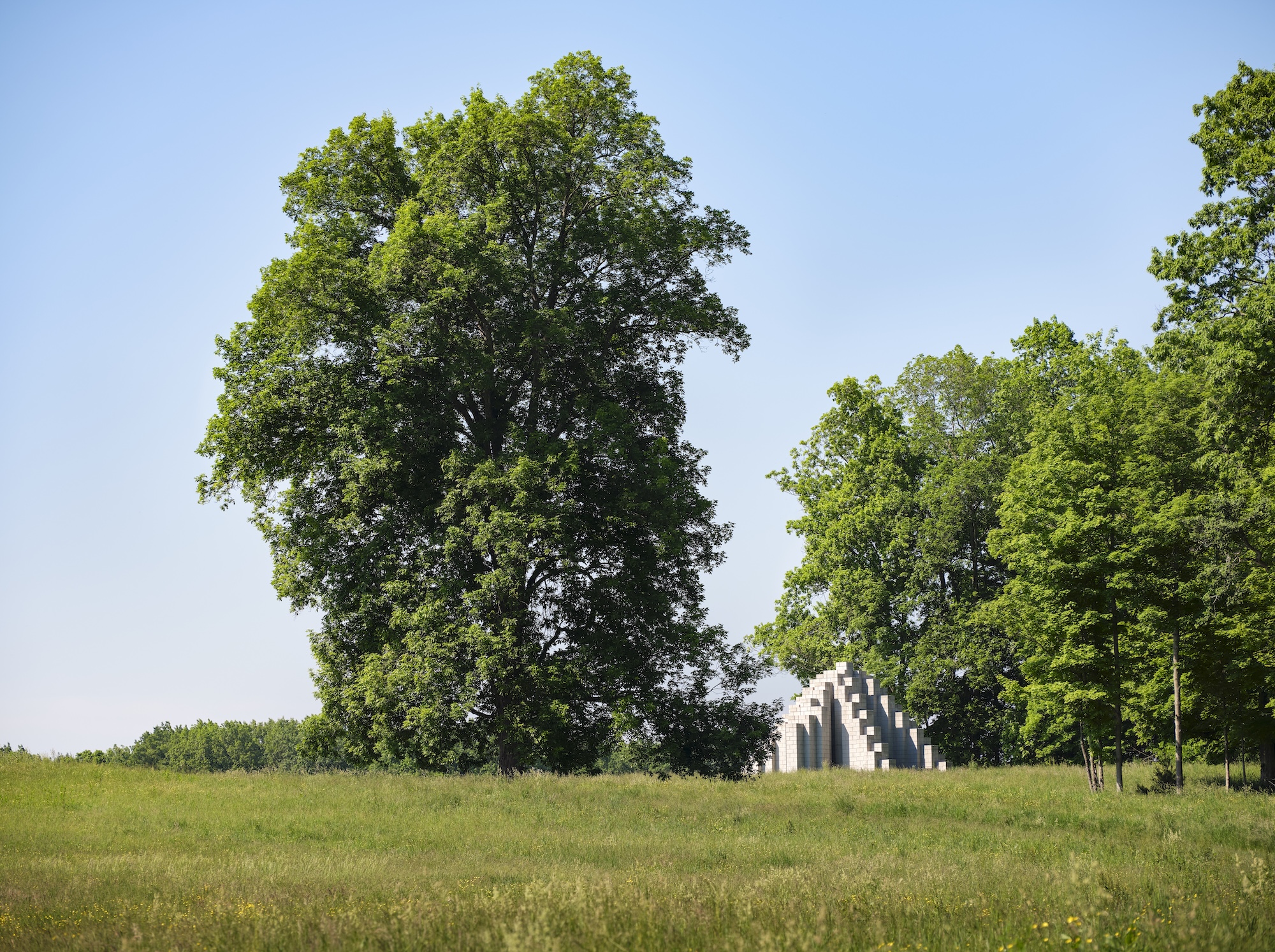
A wide network of trails through the woodlands and meadows highlights renewed ecological systems and mature forest, while revealing an extraordinary contemporary sculpture collection. Several of the sculptures are site-specific responses to Reed Hilderbrand’s investigations, recommendations and design studies. They collaborated closely with the owner, artists and contractors to find the right setting for artworks.
Drawing influence
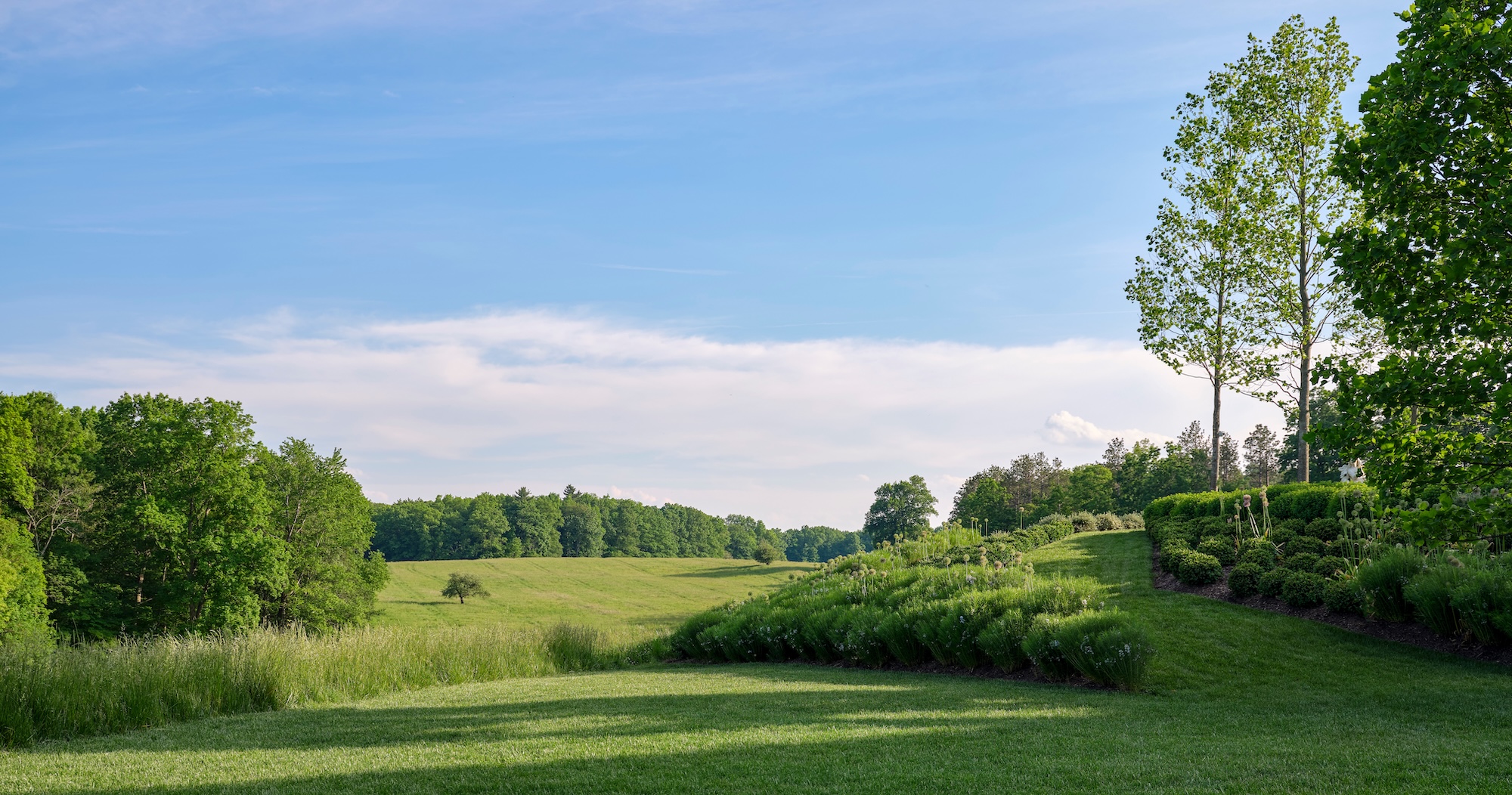
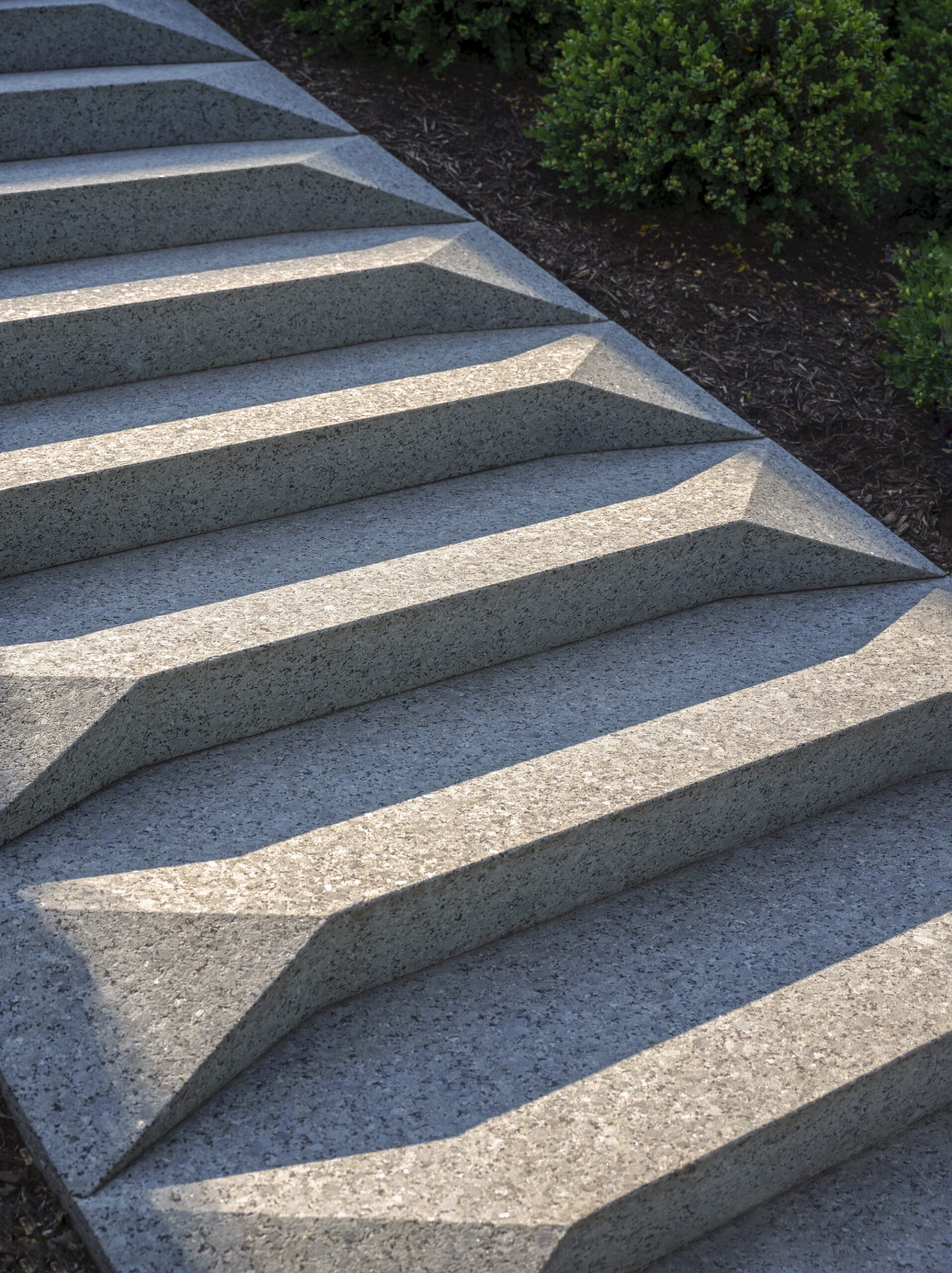
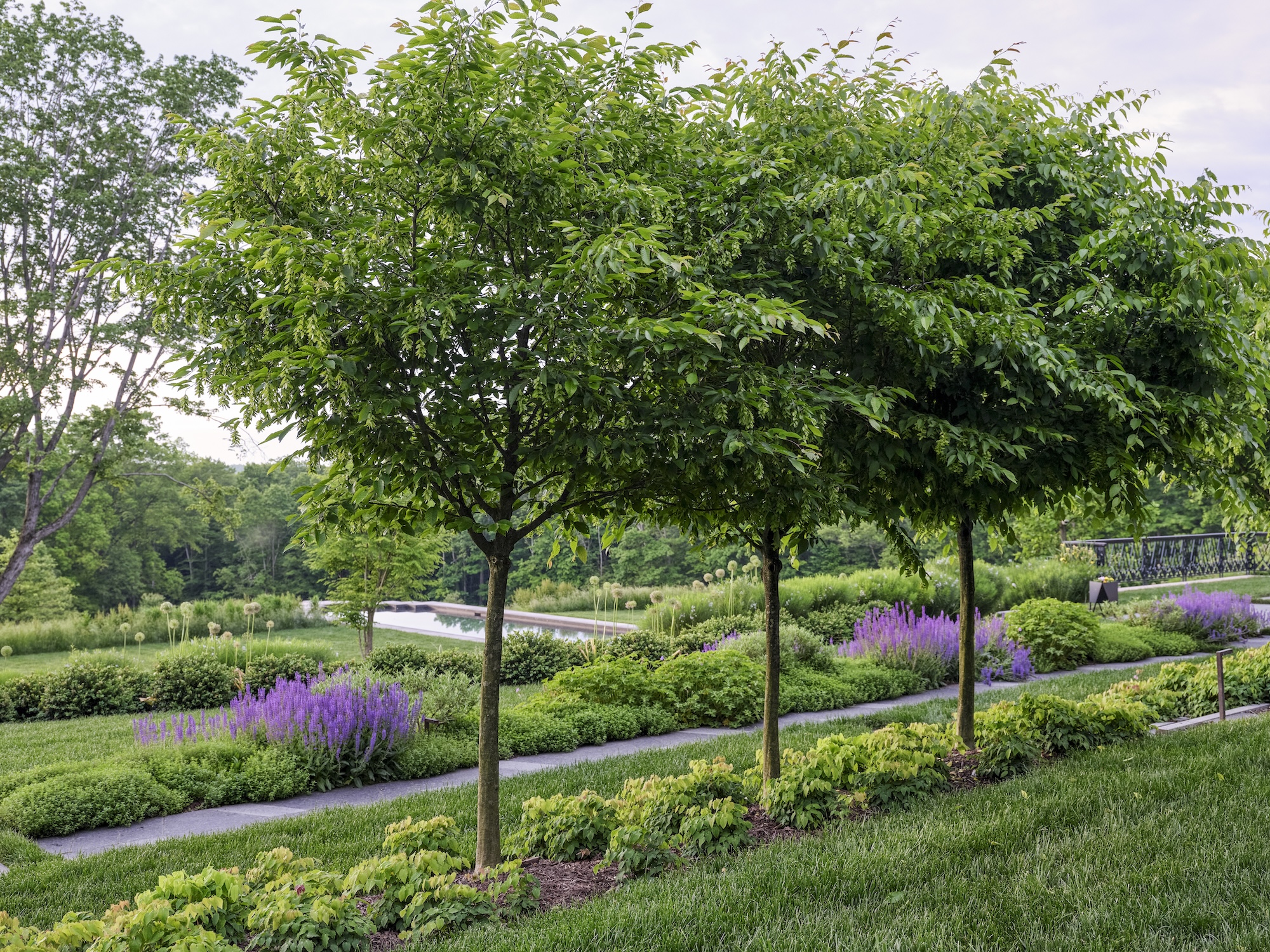
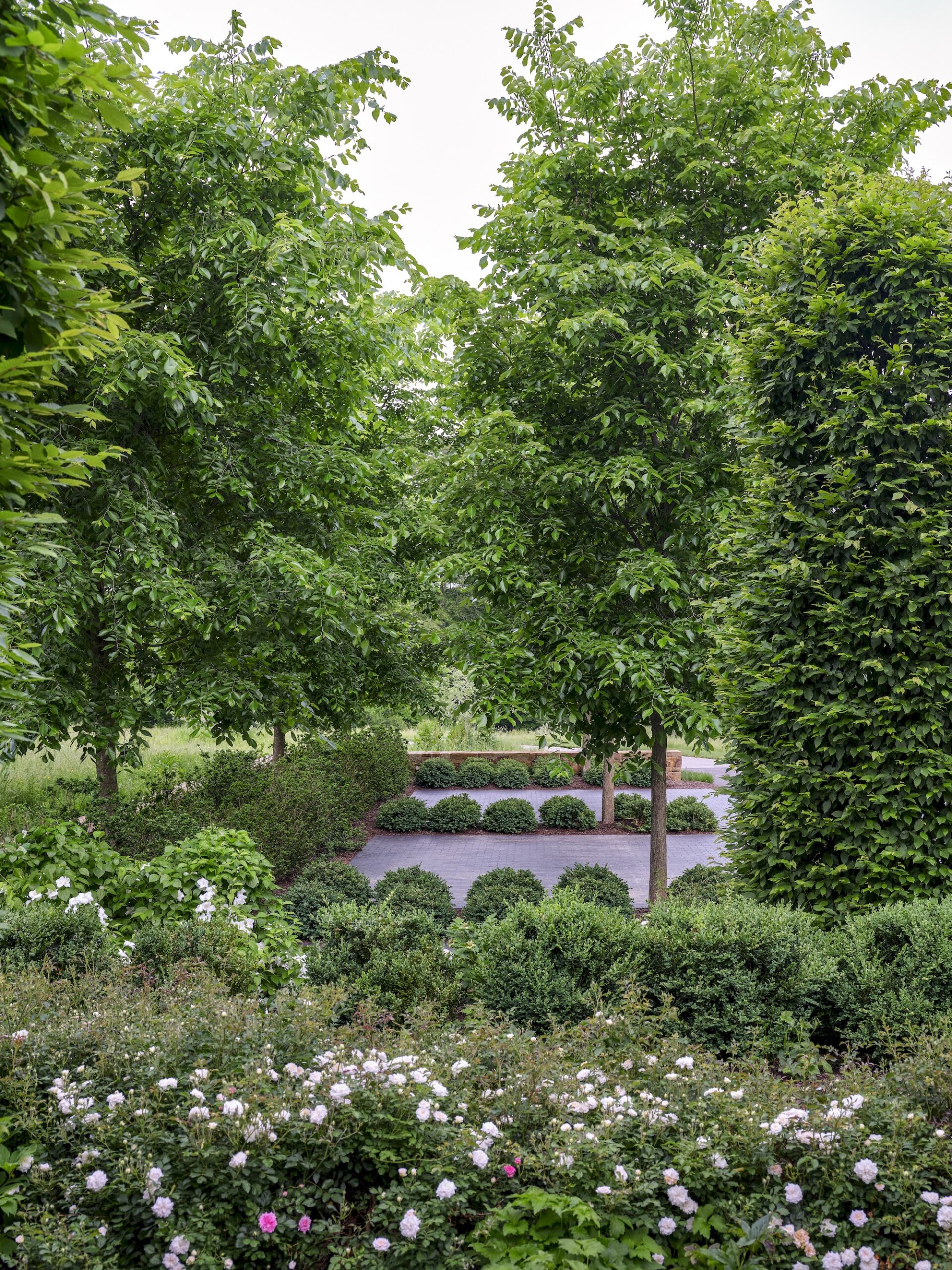
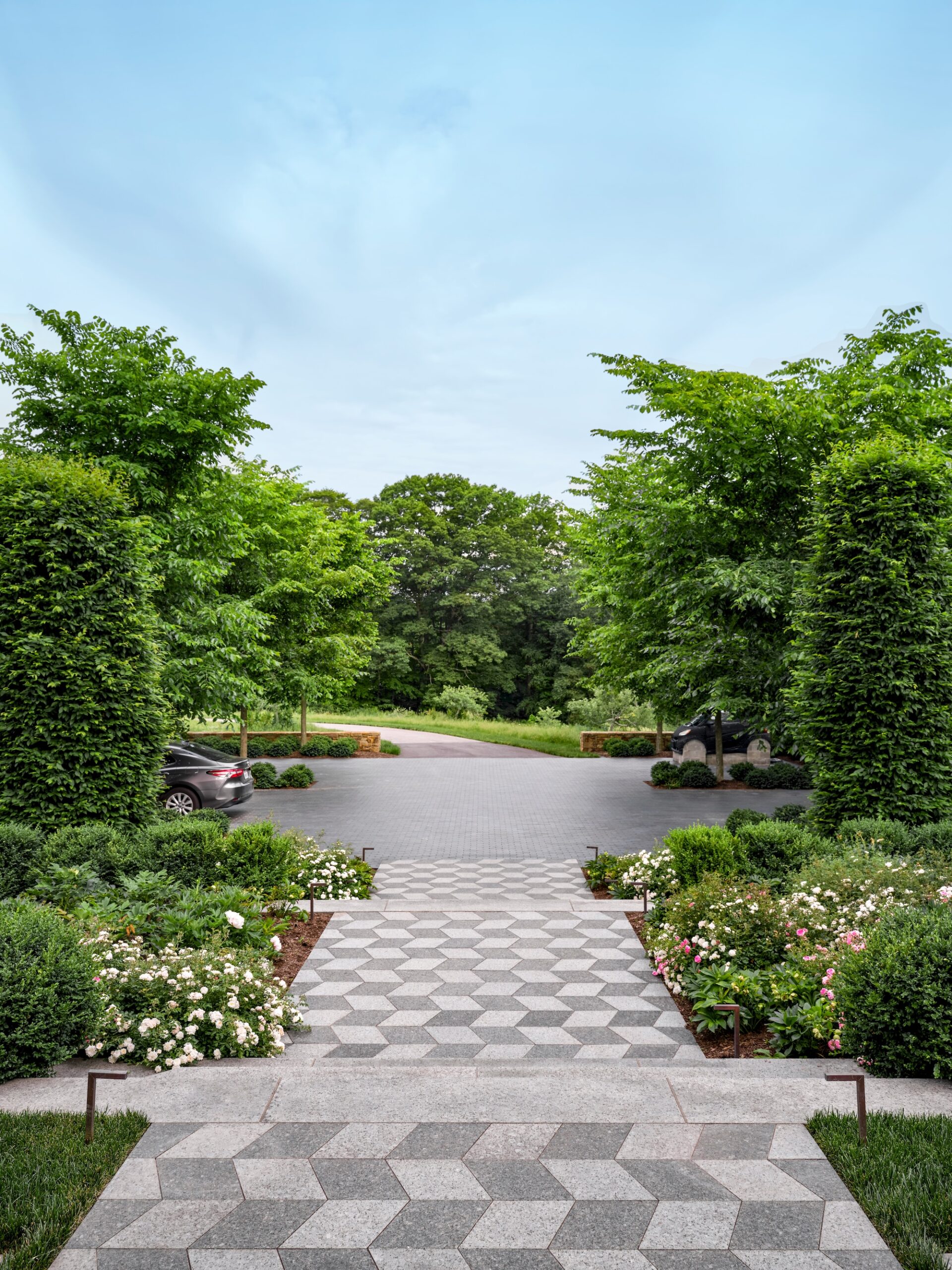
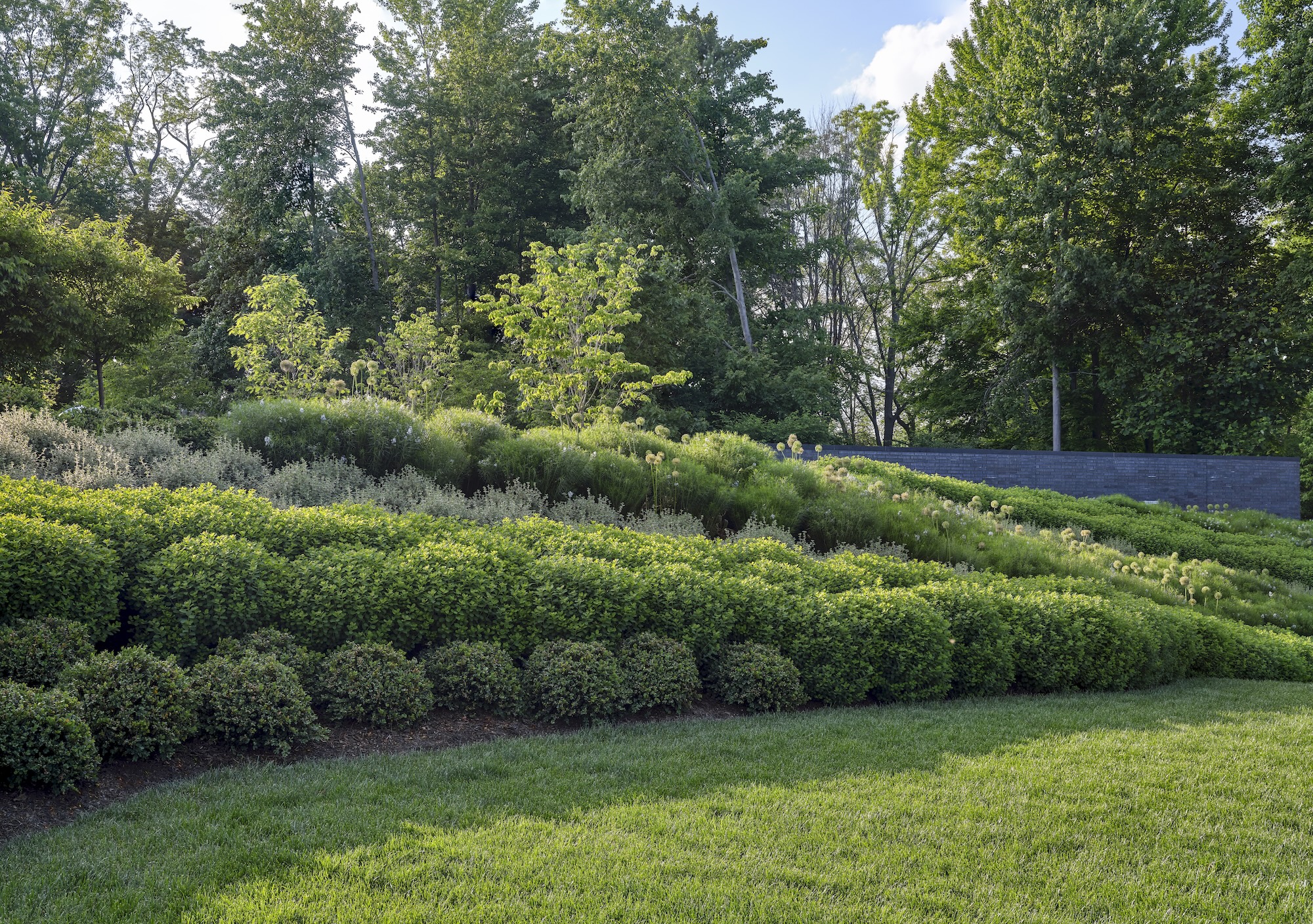
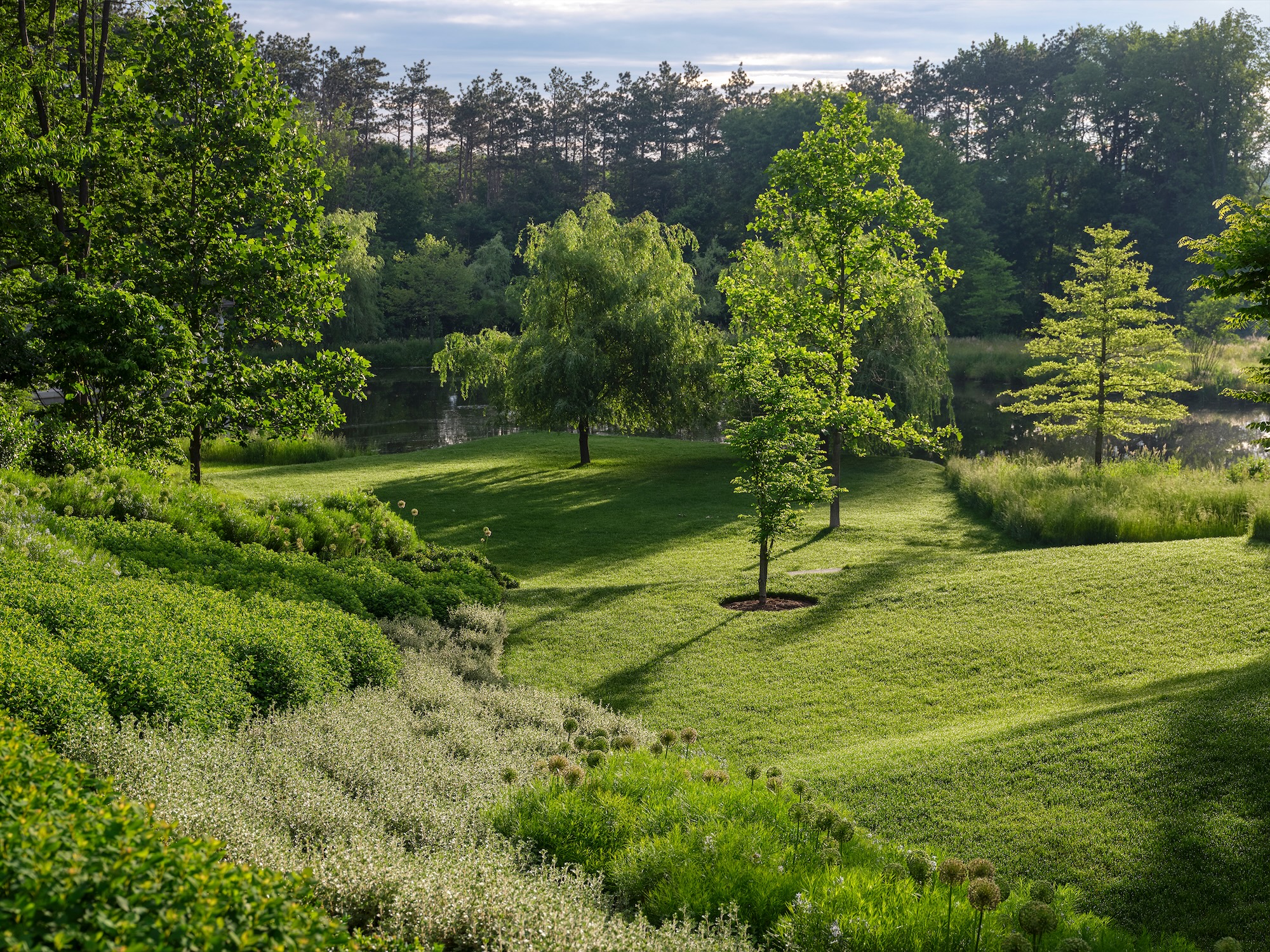
Inspired by Scott’s interest in Czech Cubism, Reed Hilderbrand explored the movement’s prismatic qualities throughout the garden – from gate handles to pavers to planting design. The most striking expression is the Ribbon Embankment, a sculptural landform that defines the domestic precinct as it meets the meadow below. Bands of amsonia, boxwood, spiraea and fragrant sumac form faceted planes that shift with the seasons.
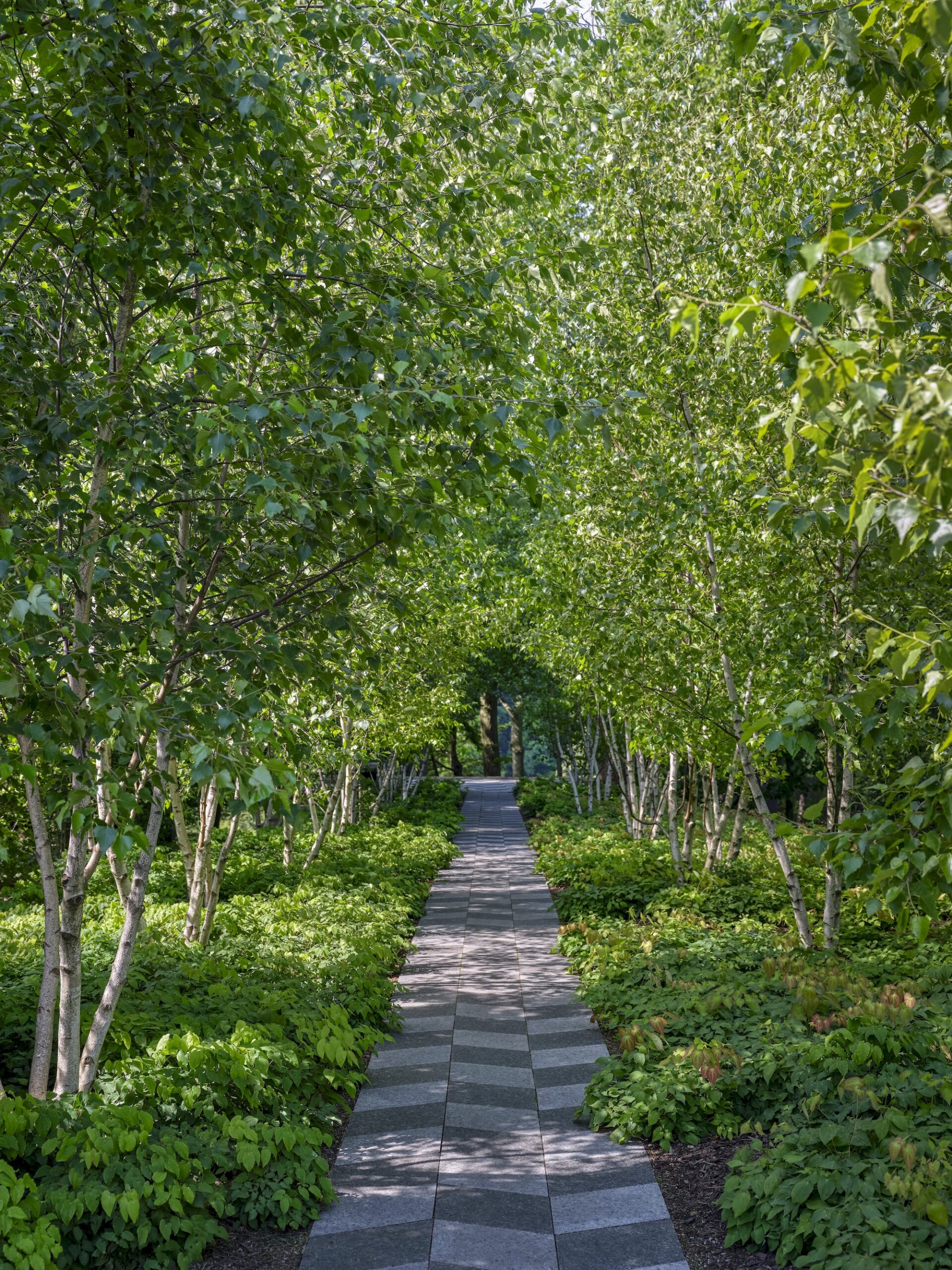
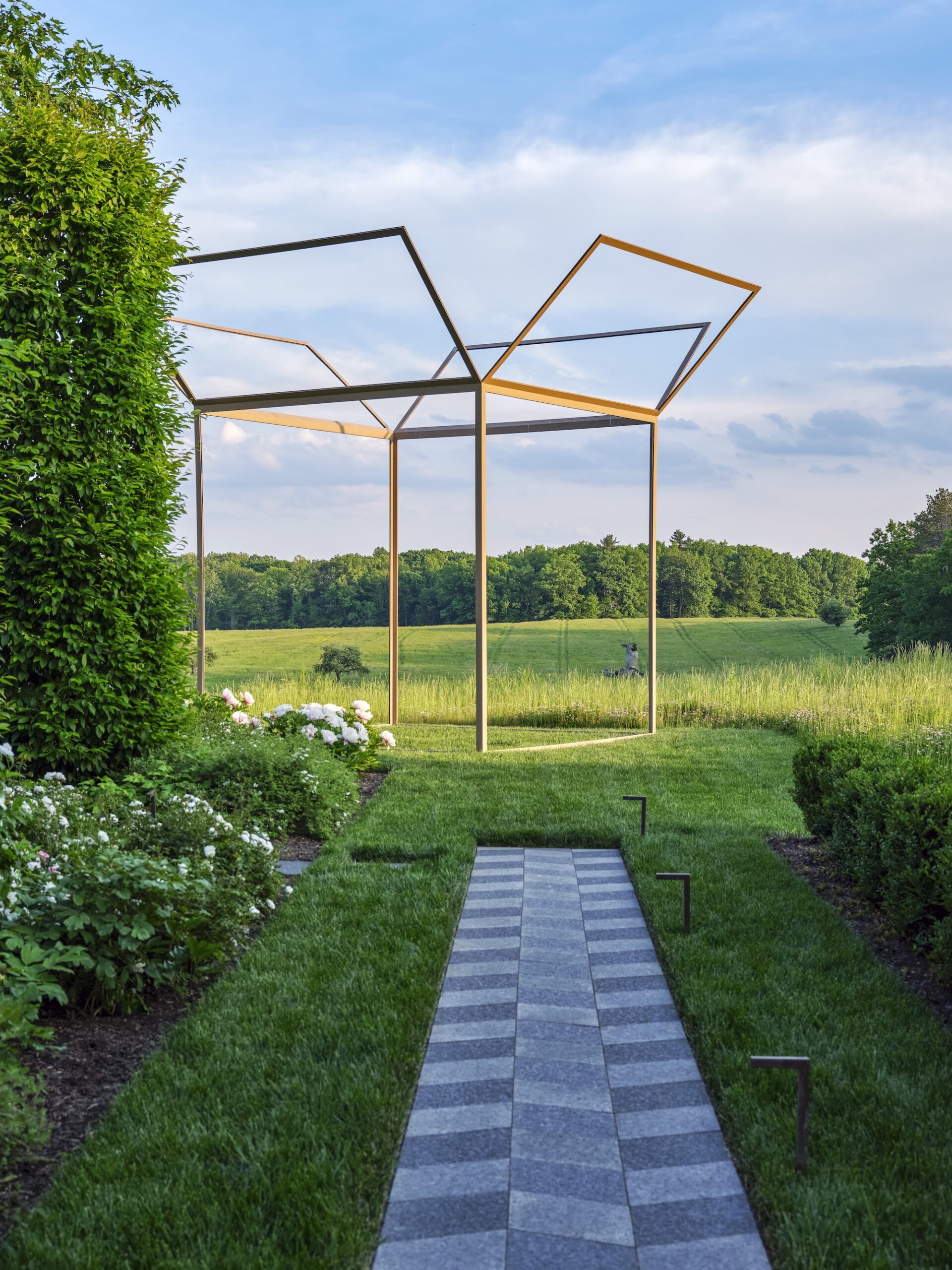
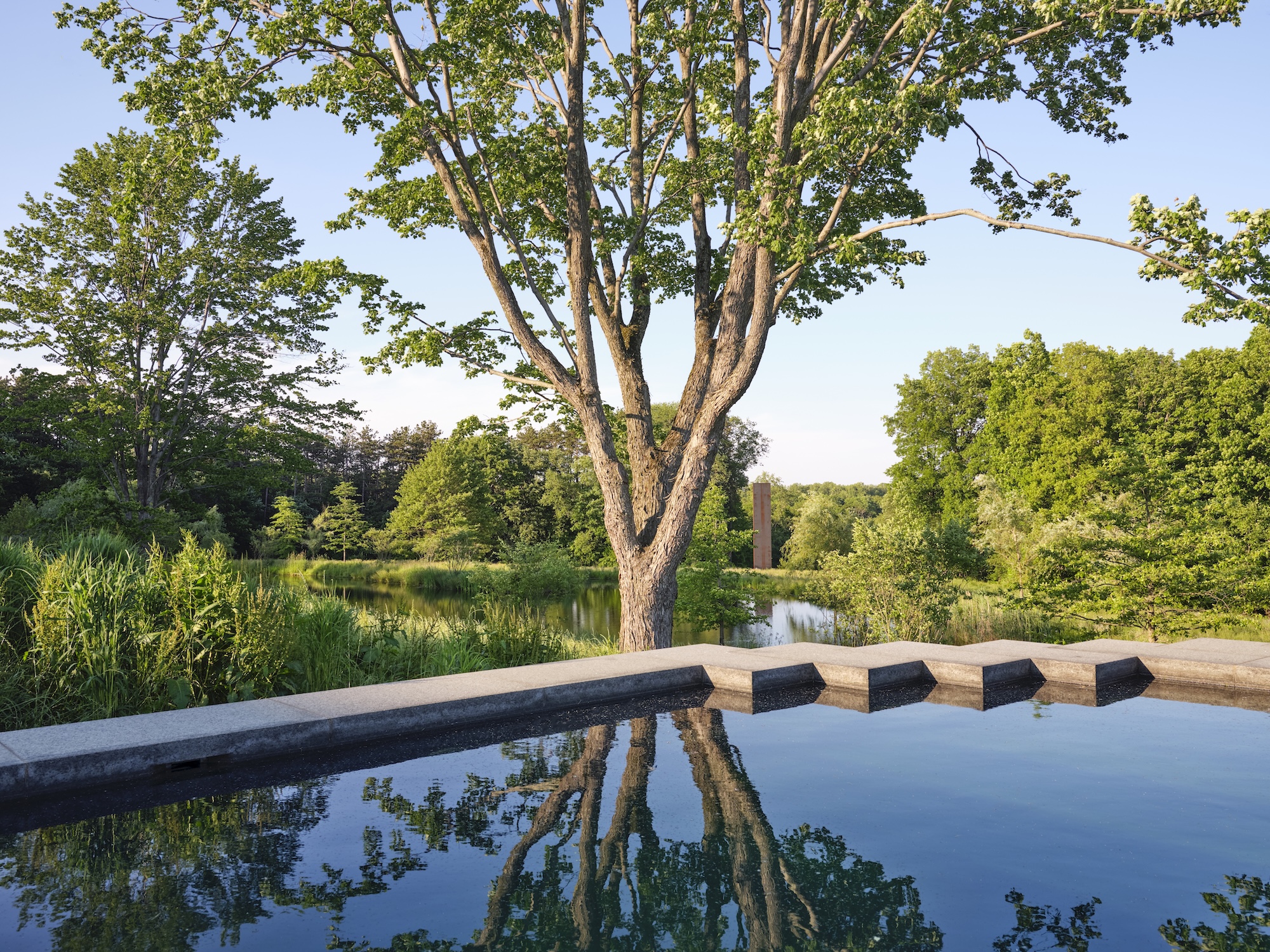
The Ribbon defines level terraces around the house, including the kitchen garden, dining terrace and the edge of the pool terrace. In the arrival garden, a birch walk, created in homage to American landscape architect Warren Manning’s nearby Stan Hywet Hall, leads to a belvedere overlooking the Pepper/Luce Creek. At the other end, Tom Friedman’s Outdoor Open Box frames open meadow views. From the house, multiple routes branch into sculpture walks across the property.
The conversation continues
Reed Hilderbrand developed a management and maintenance plan for the owners, who will steward the landscape into maturity over the coming decades as they expand the collection and improve accessibility.
The client is preparing the site, with its living and sculptural collections, as an endowed gift to an internationally renowned arts institution where the dialogue between art and ecology will continue as a public sculpture park.