
We’re here to defend the honour of the long- misunderstood rose and its high-maintenance reputation.
As the team at Matthews Roses knows well, just a little love goes a long way… and keeps the blooms coming.
This story was told with the support of Matthews Roses in Sage Vol. 1
Delicate and demanding, roses have long been stuck with a reputation for being a bit too fussy. Too much pruning, too much feeding, too many rules. But according to one of New Zealand’s most experienced rose growers, Samantha Matthews from Matthews Roses, this isn’t actually the case.
“Roses are hardy and forgiving,” Samantha explains. “They thrive with attention, yes, but they’re far from fragile. With just a little seasonal care, they’ll reward you more than most other plants ever will.”
So, maybe a shift in thinking is in order – roses aren’t just a relic of formal gardens, but rather a generous, resilient plant with a place in any modern patch.
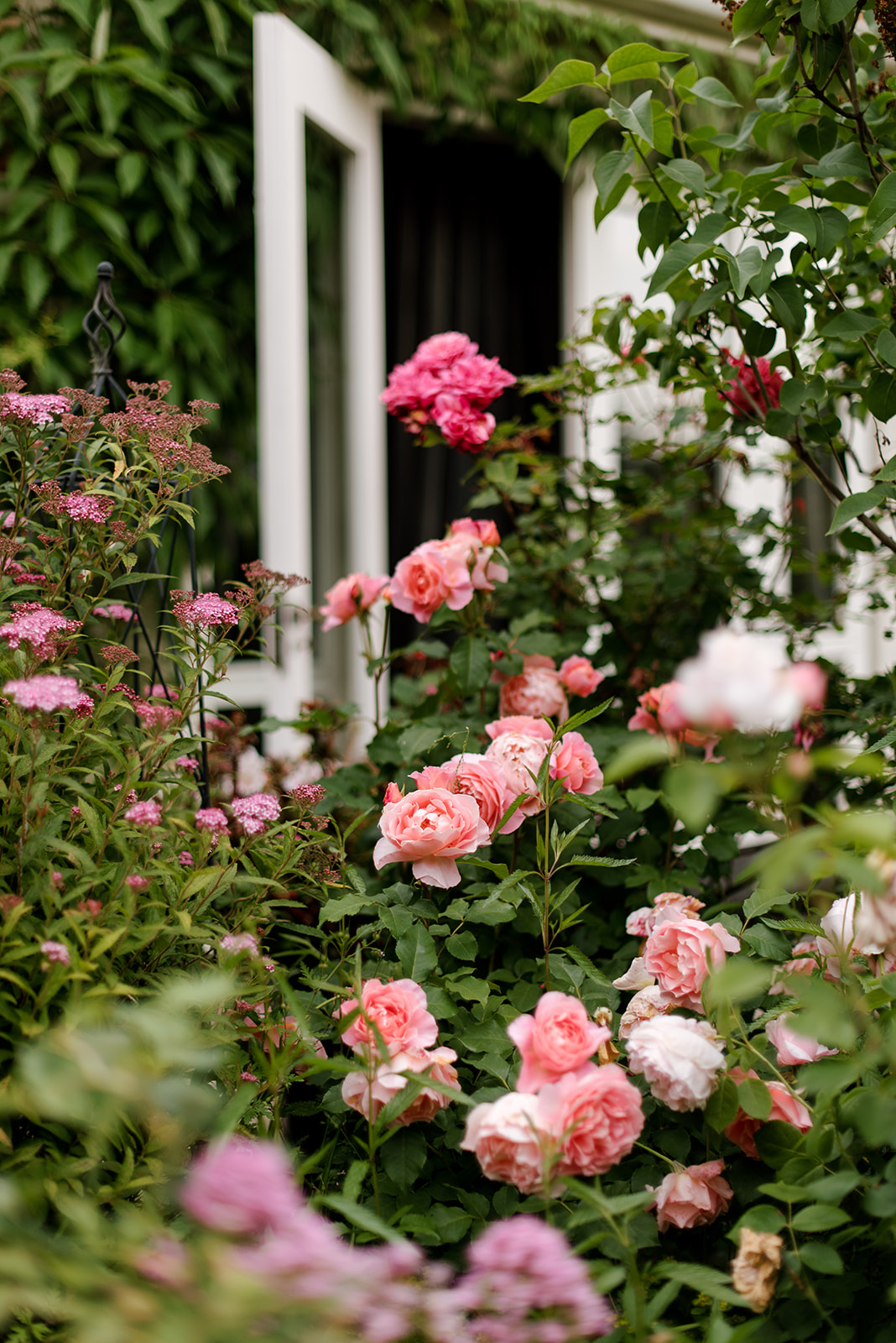
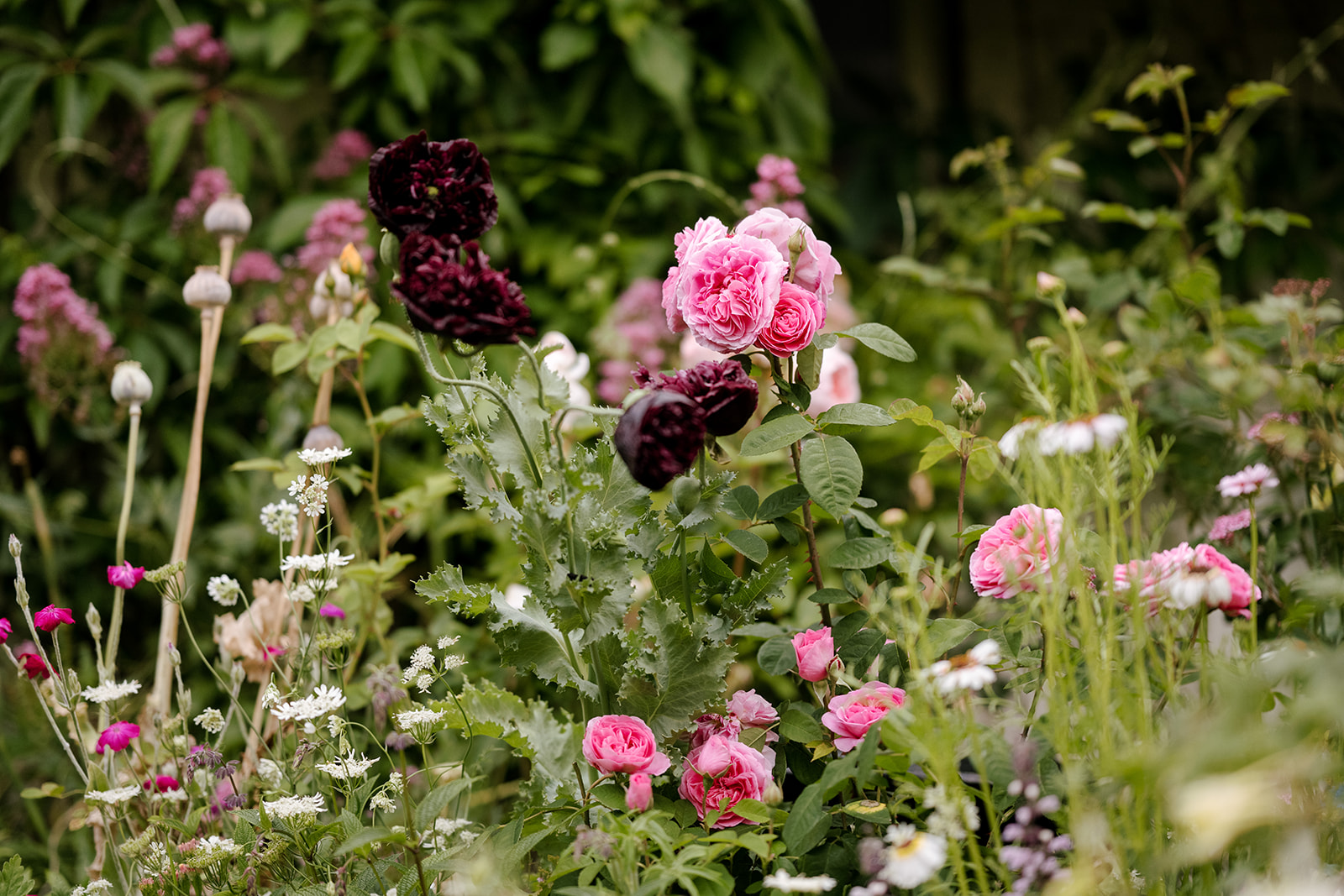
‘My Mum‘ – a very special rose bred by Bob Matthews of Matthews Roses. (Photo by Natalie McNally at the Beaumont’s garden).
Start strong
Location is the only real non-negotiable. “Most roses love full sun,” says Samantha, “but some varieties will tolerate part shade.” The right placement sets you up for success later.
Winter is the prime time to plant roses. They might look like bare sticks, but they’re full of promise. Bareroot roses arrive dormant, with trimmed roots and no soil, so before you plant them, soak them in a bucket of water for 30 minutes to give them a good drink.
The rest is easy
Dig
Make a hole deep enough for the roots to sit straight and not be squashed.
Fertilise
Add a handful of granular rose fertiliser and mix into the soil (optional) – just don’t let it sit right against the roots.
Plant
Place the plant in the hole with the crown (or bud union), level with the soil surface, not buried. Fill in with soil and tread in firmly.
Water
Lots of it! “Ten litres (a bucket full) per rose on day one,” says Samantha, “then the same amount daily for a week, even if it’s raining.”
—
If planting potted roses during spring or summer, just be gentle with the root ball and water well.
Pruning isn’t scary
Rose pruning can seem a bit drastic, but it doesn’t need to be daunting. “Roses will survive without pruning,” says Samantha, “but winter cuts encourage fresh growth and more flowers. It keeps the plant young.”
Start by removing anything dead or spindly. For the main branches, cut back by a third to a half, just above an outward-facing bud on a slight angle. Whatever the rose type, the pruning principles stay the same: open up the shape, let light and air in, and clean up the mess.
A sharp pair of secateurs, loppers and good gloves are the only tools you really need. A tarpaulin makes cleaning up easier. (Don’t compost the prunings – they can harbour fungal spores.) If you have older plants, you can use a wire brush to gently remove any lichen or moss from the crown or branches.
Keep the blooms coming
Roses offer blooms for the vase, petals for drying, and rosehips for tea and syrup. Deadhead flowers in summer to keep them coming. “Trim back about 10- 15cm,” says Samantha. “It keeps the plant looking good and encourages another flush.” If you’re aiming for a big bloom in time for a special event, trim about 7-8 weeks ahead. In autumn, leave the last flush of flowers on the plant so they can set their hips.
Let them thrive
Roses do best with slow, steady nourishment. At planting time, a mix of compost, rose fertiliser and a pea straw mulch sets them up well. They’ll benefit from seasonal top ups – seaweed and Epsom salts in early spring, a liquid feed after the first flush and another in early autumn.
“A handful of lime once a year in winter helps balance the soil,” says Samantha. “And mulching keeps moisture in and weeds out – an underrated part of rose care.” Avoid bark mulch unless you’re prepared to feed more often.
—
Roses aren’t fussy – they’re seasonal. More adaptable than their reputation suggests, they can be incredibly rewarding. For the younger generation of gardeners, perhaps it’s time to bring more roses into the fold. They don’t need perfection, just a little care, much like the rest of the garden!
—
This story was told with the support of Matthews Roses
matthewsroses.co.nz