
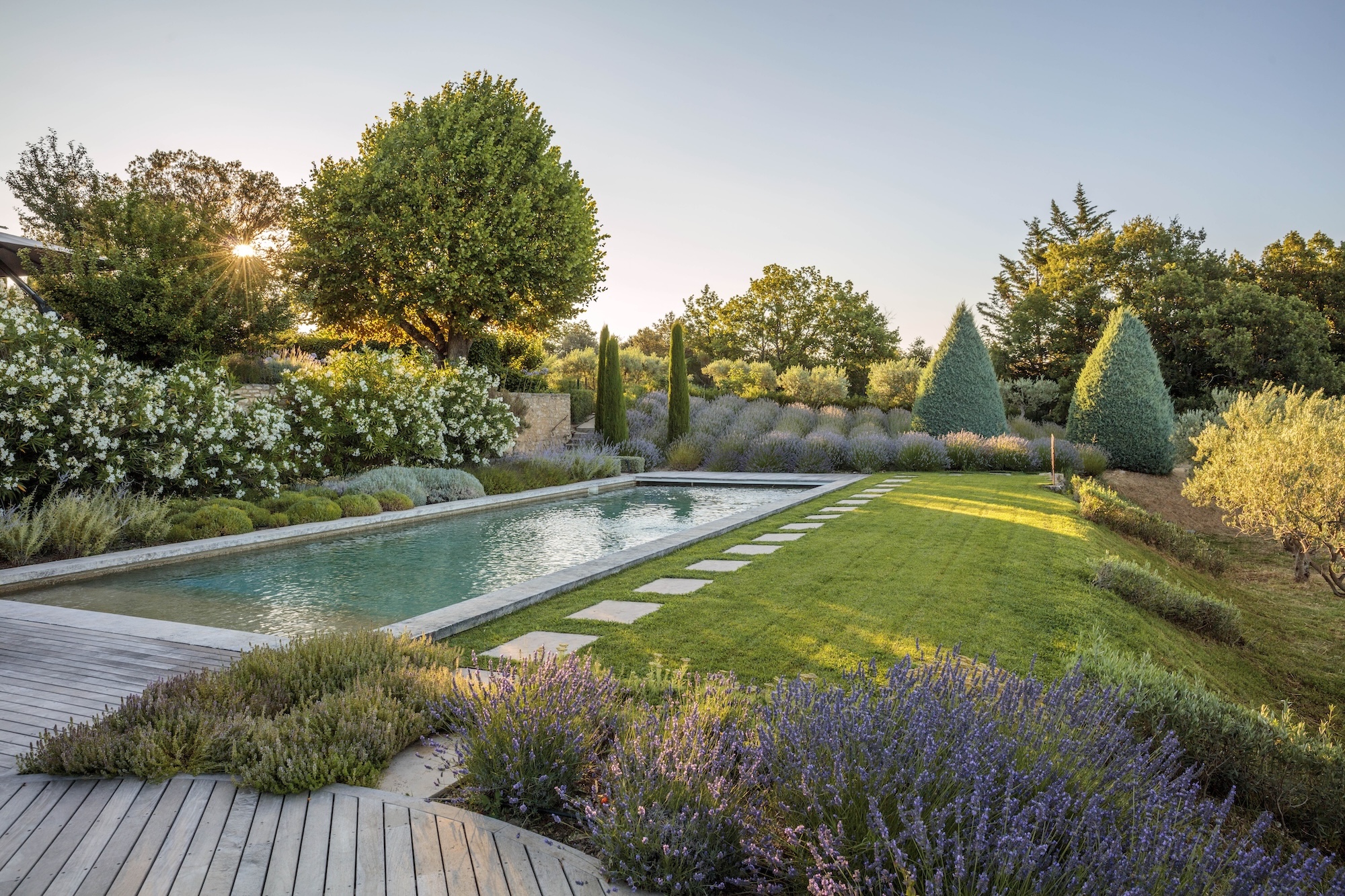
Anthony Paul Landscape Design reworked a hilltop farmhouse garden in Vaucluse, Provence, connecting its terraces, orchards and planting with the surrounding Luberon landscape.
On a hilltop at the edge of the Luberon Regional Natural Park, this old farmhouse looks across the valley and rolling hills of Provence. The setting was exceptional, but the neglected garden had little connection to it, with sparse planting, poorly chosen paving and an awkward approach to the house.
The American owners brought Anthony Paul Landscape Design into the project in 2021, before deciding whether to purchase the property. Having previously worked with Anthony on their main residence in Surrey, they made his involvement in the garden redesign a condition of the purchase.
A new arrival
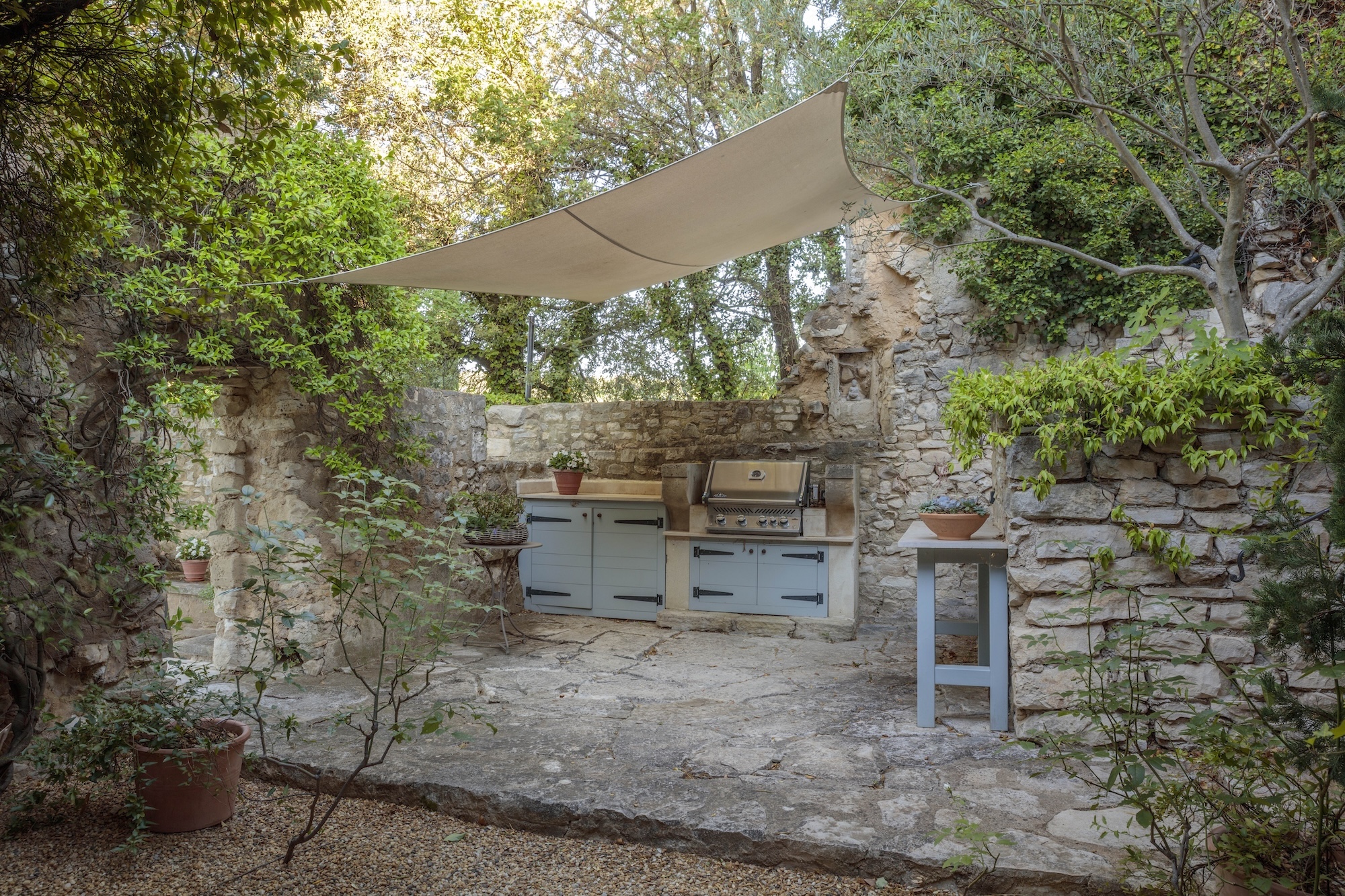
The brief was to connect the house and garden with the wider landscape, making the valley views an integral part of the experience. Alongside the overall redesign, the owners needed a more practical arrival, with improved access and parking, and a rethink of the existing garden spaces around the house.
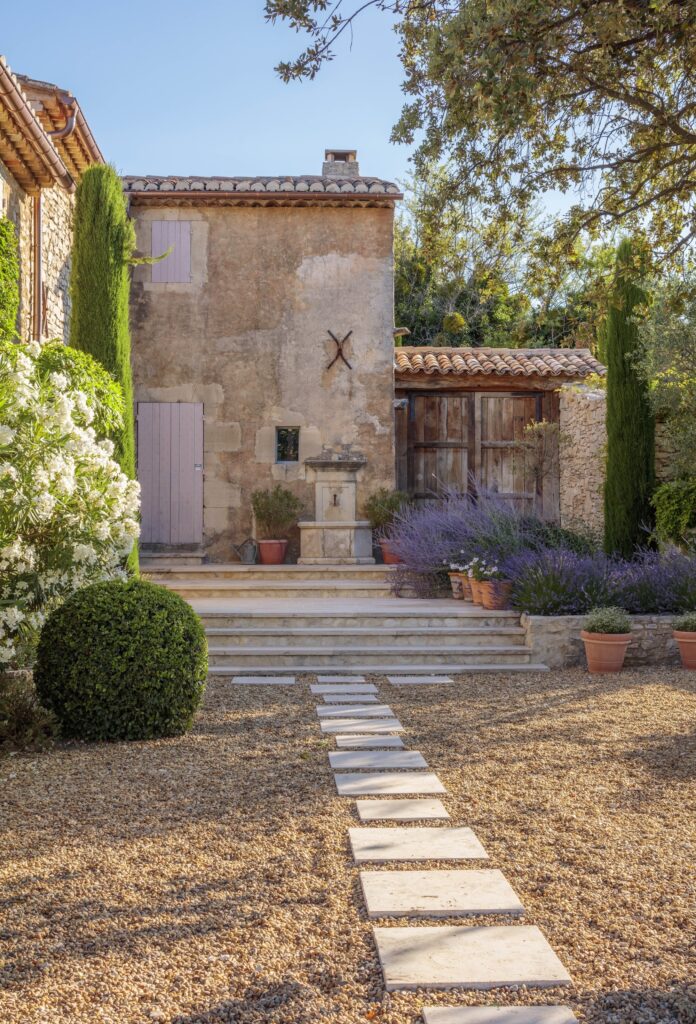
A formal, cypress-lined path now links a new pedestrian entrance with a parking area set further from the house. Newly planted mulberry trees provide shade and help screen the cars, while the rebuilt main porch improves access to the house.
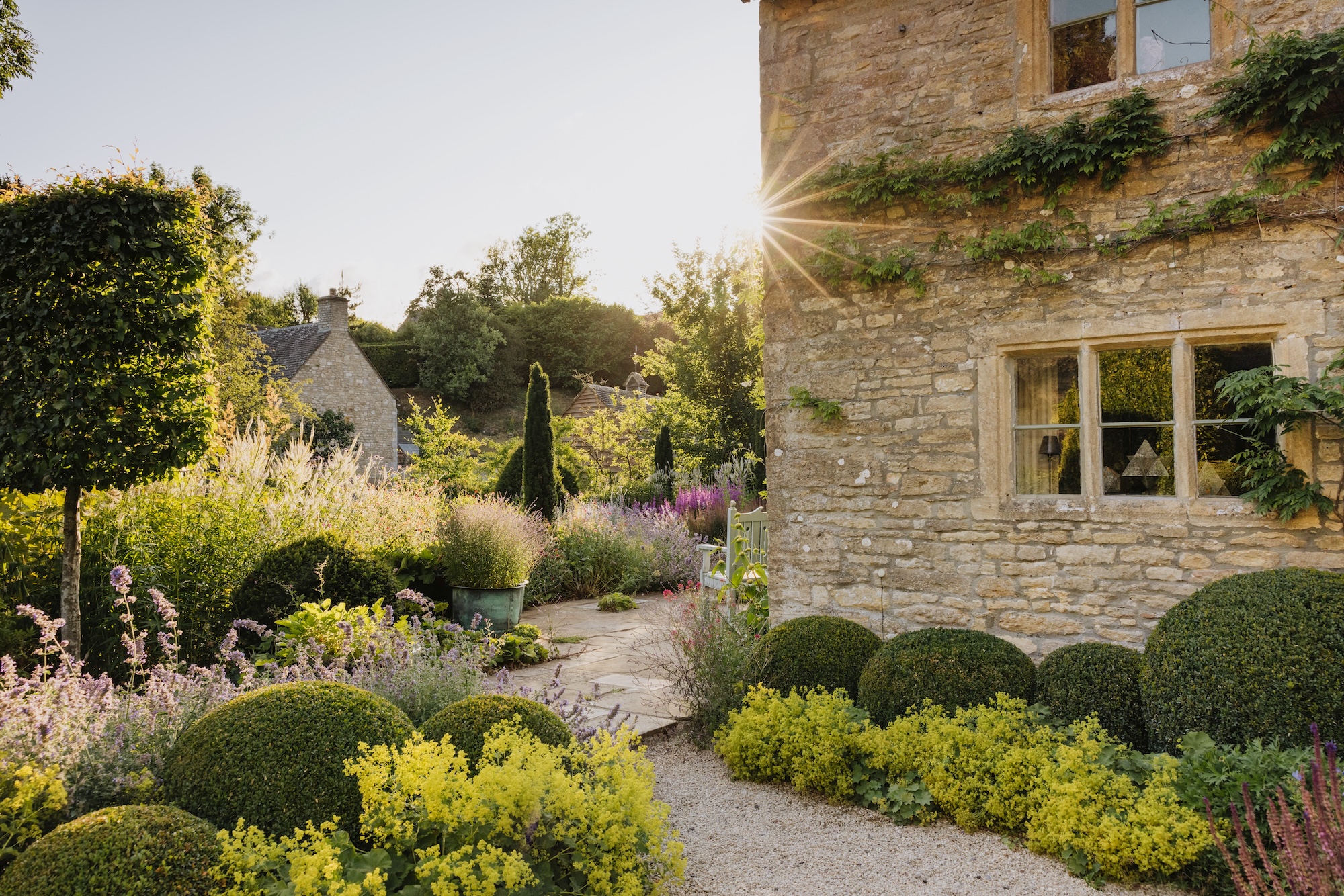
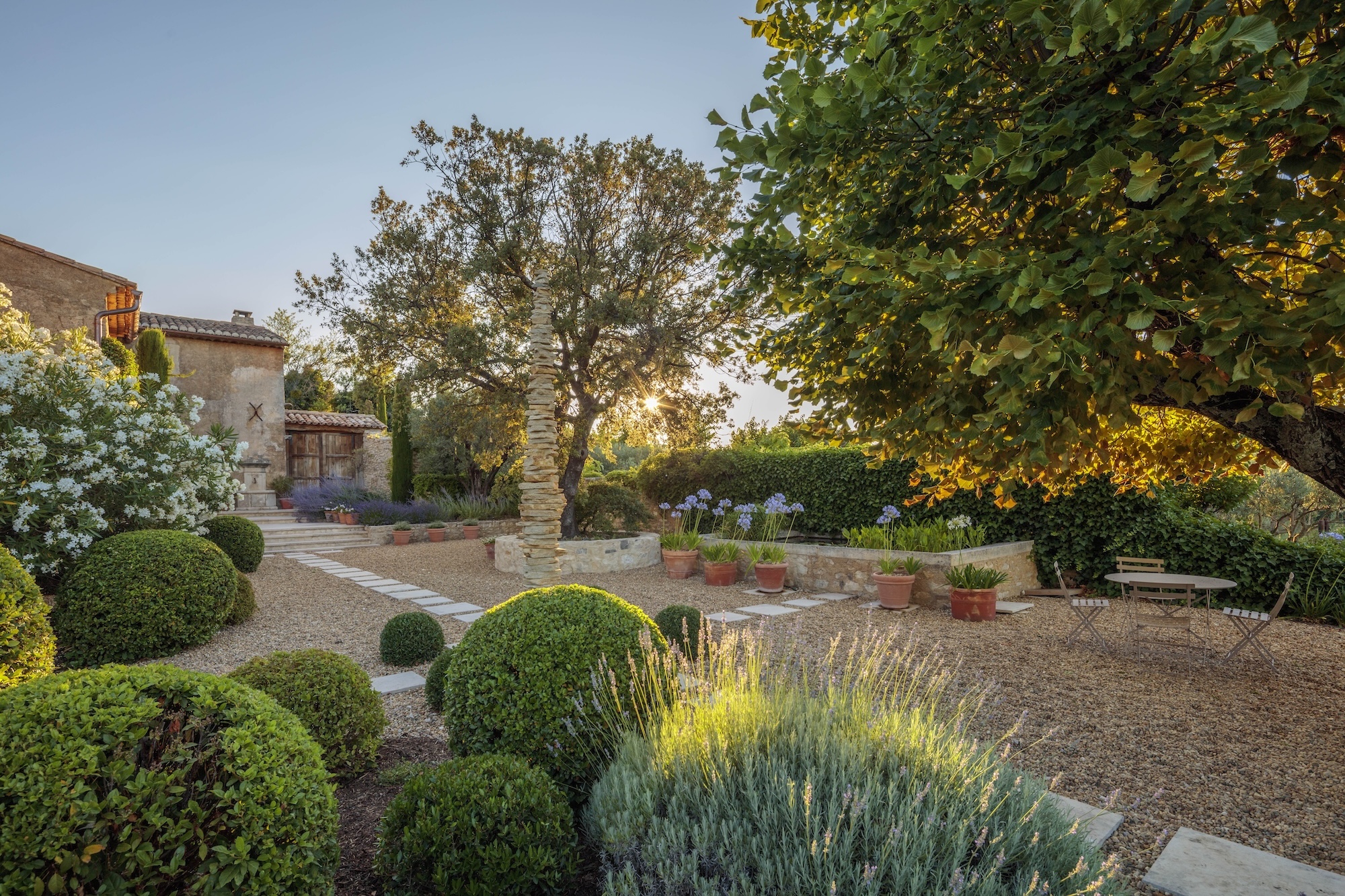
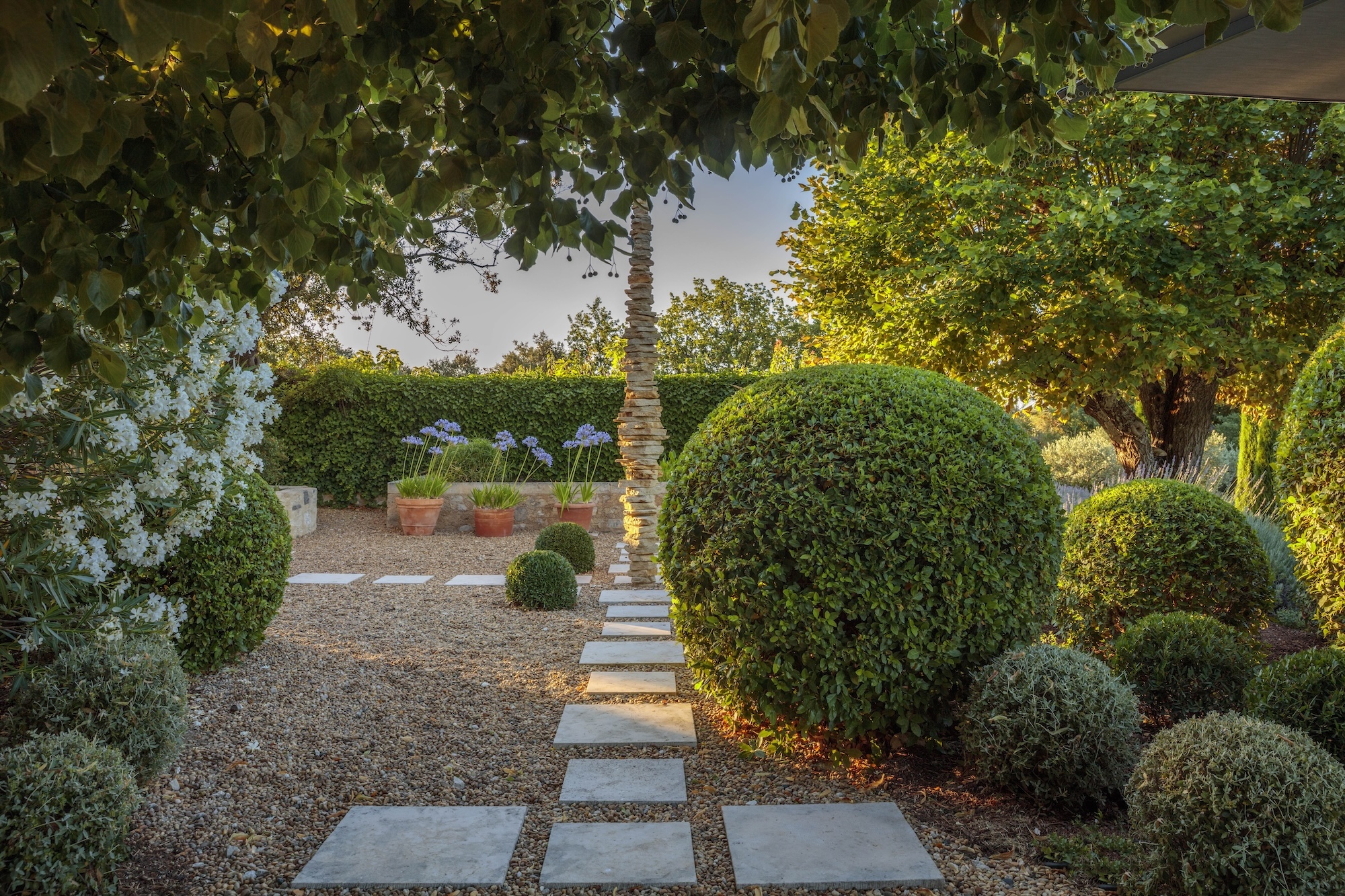
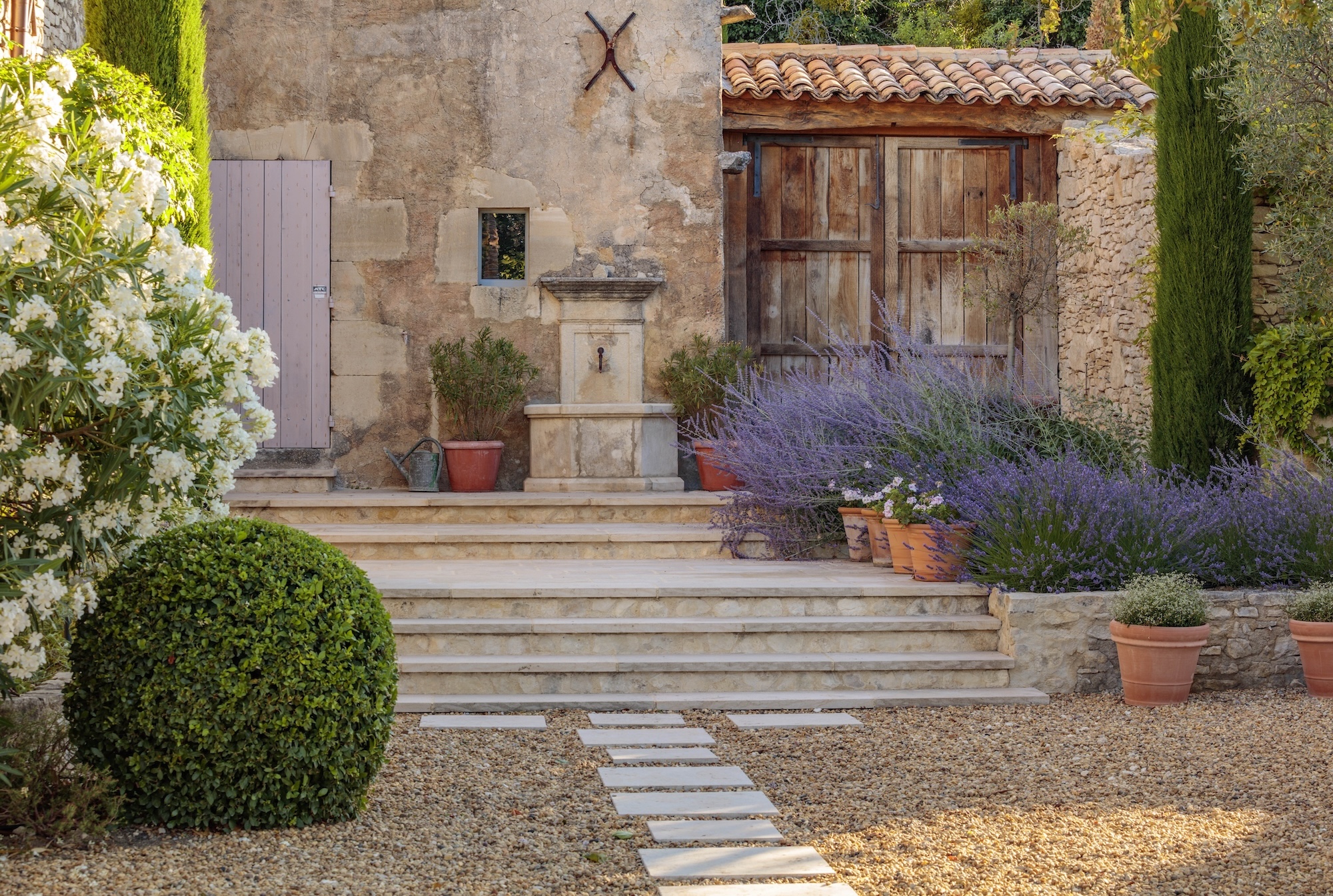
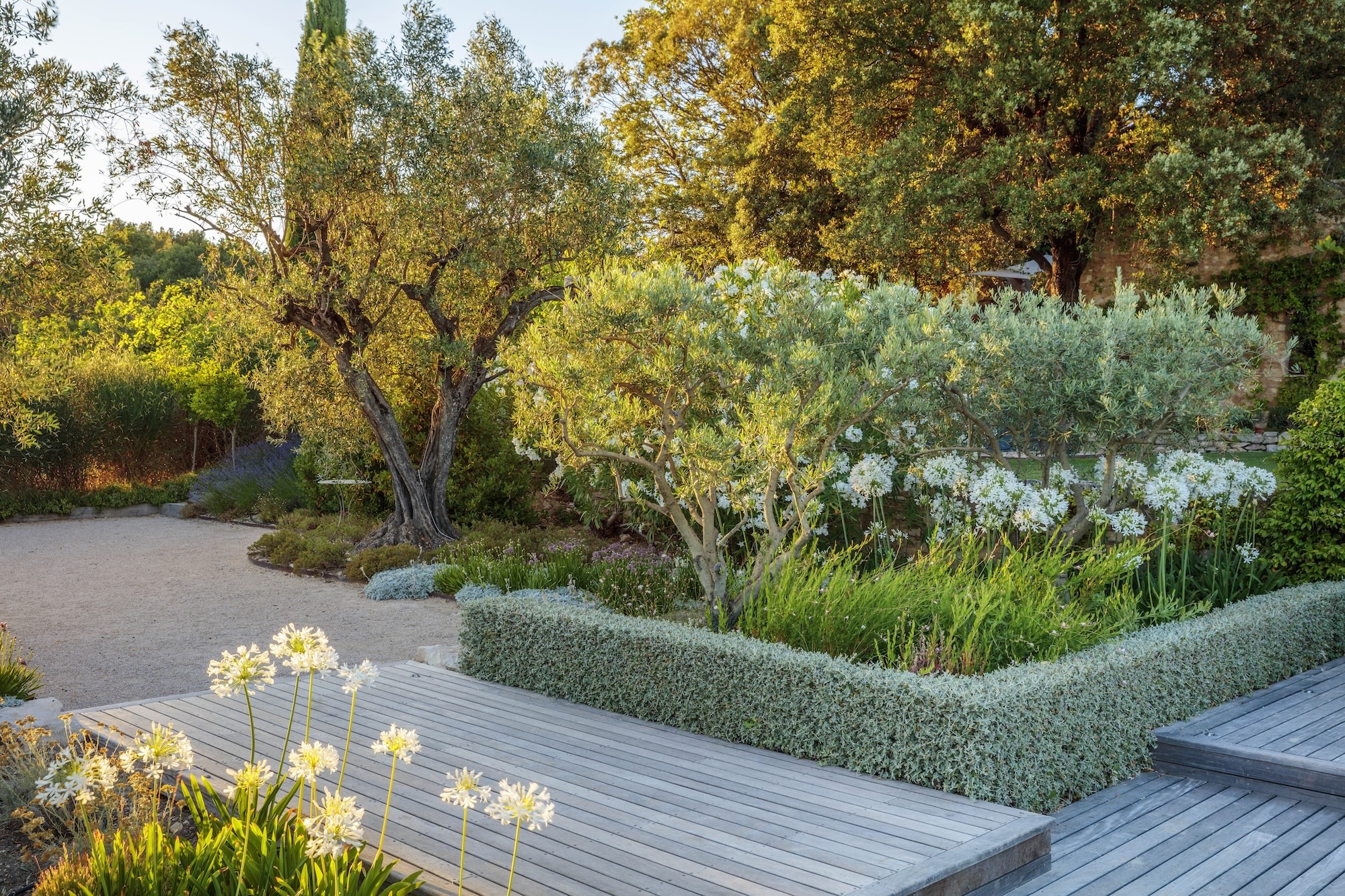
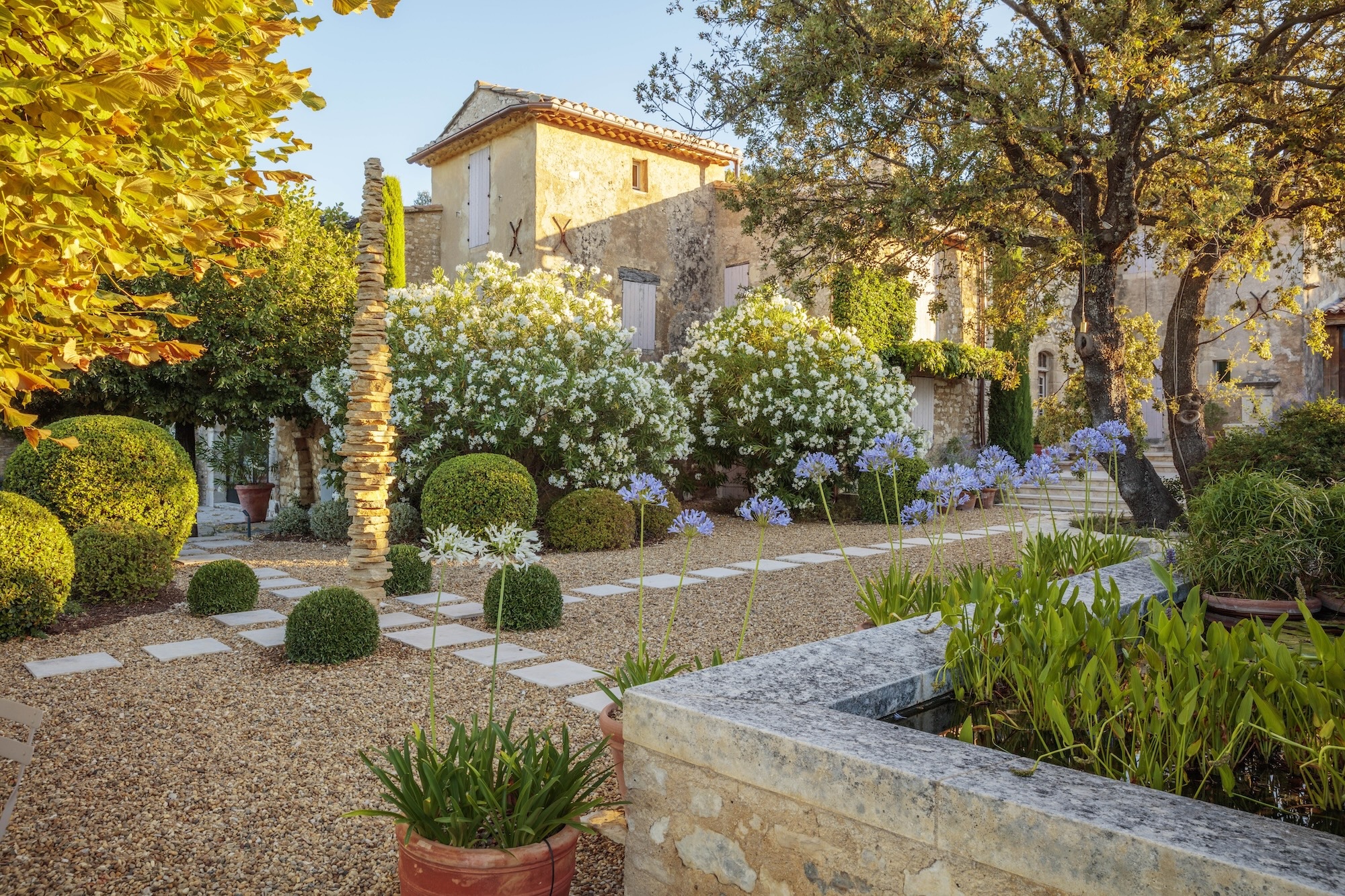
The walled entrance and gravel garden were relevelled and refreshed with a bespoke stone basin and fountain. Limestone paving, steps and stepping stones lead through large topiary towards a stacked-stone sculpture by Tom Stogdon, establishing a more considered sequence of spaces on arrival.
Opening up the view
The redesign extended across the terraces, pool area and lower olive field, with each space contributing to the relationship between the house and its setting.
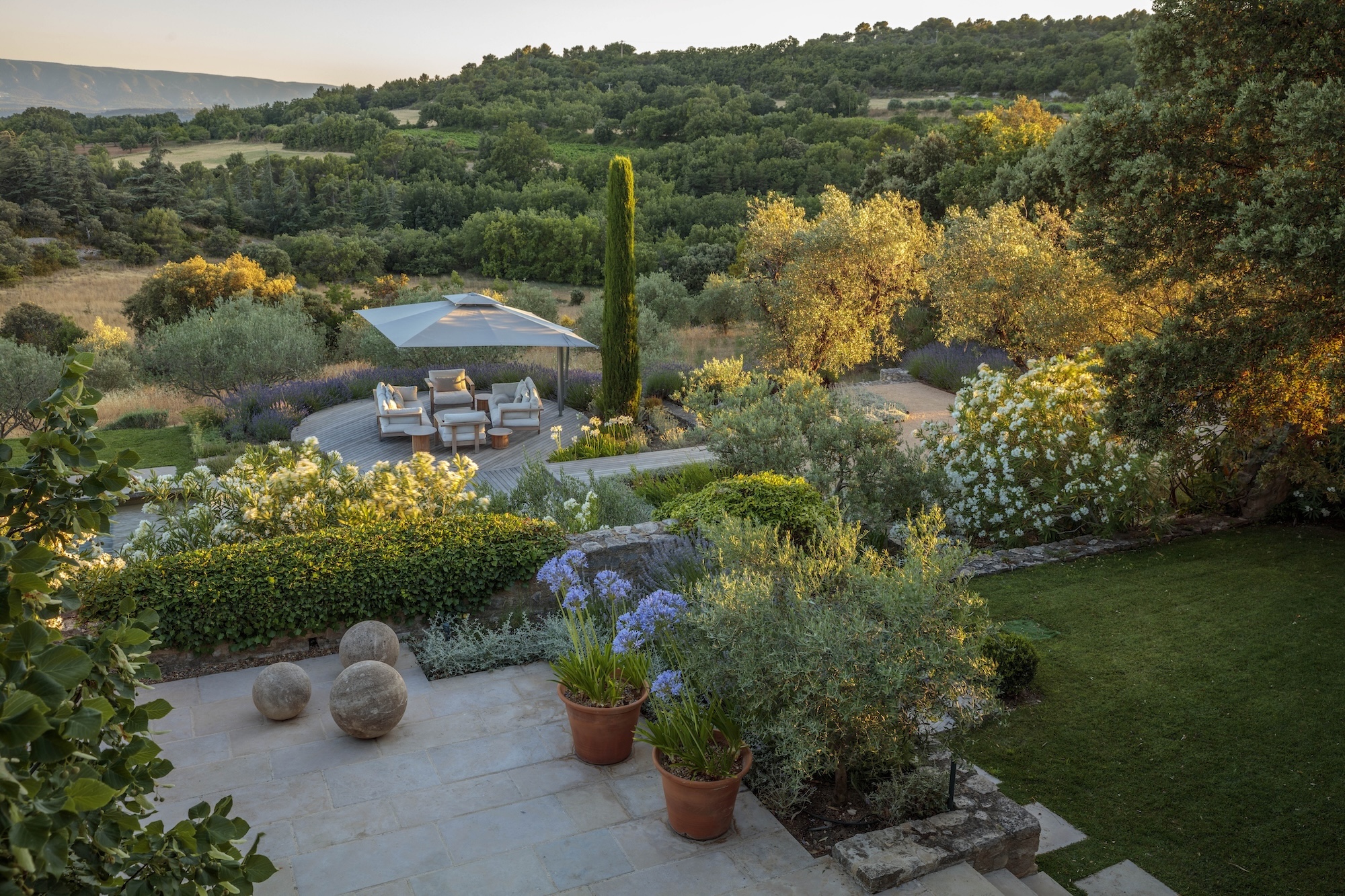
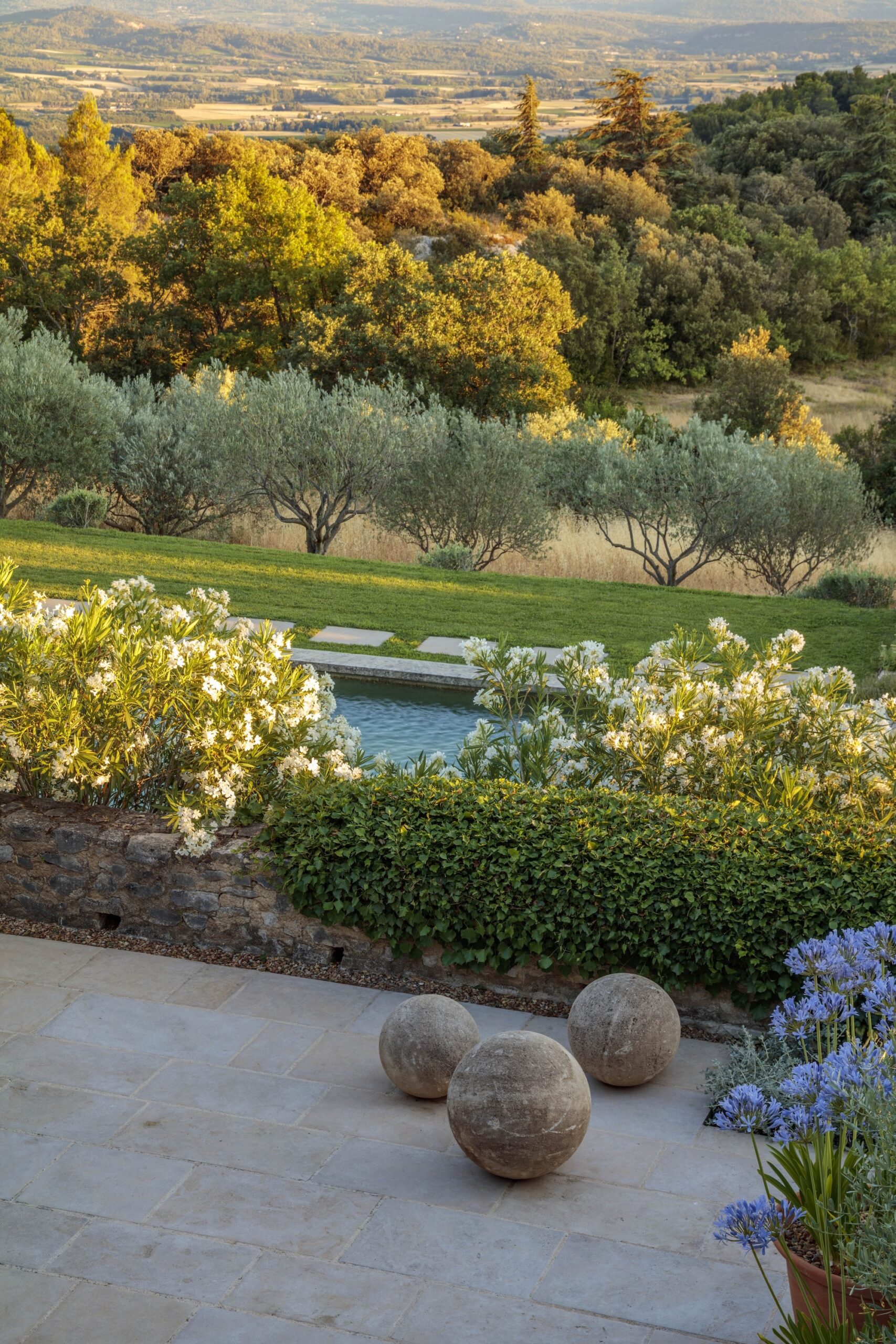
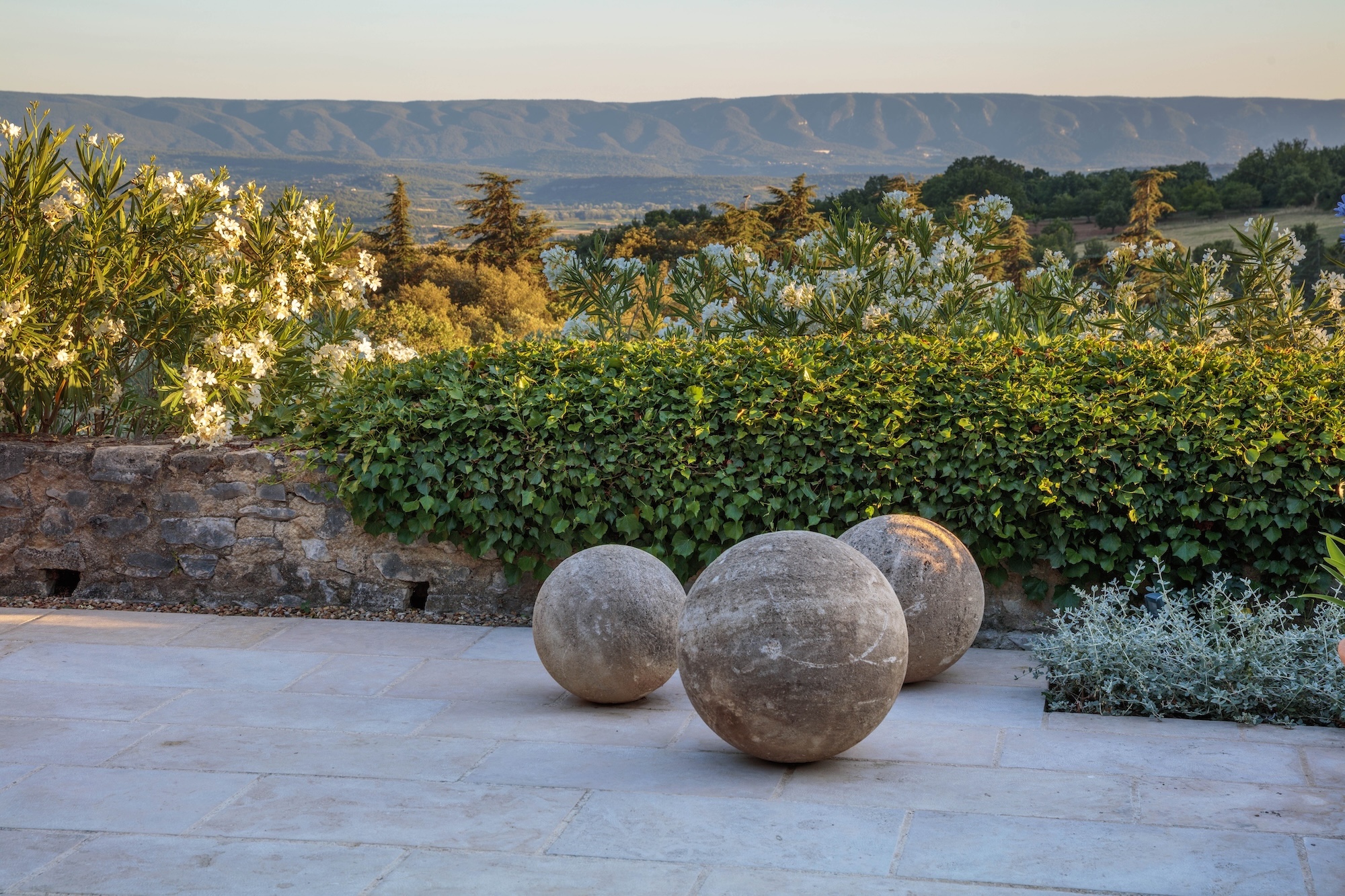
Beside the pool, a generous circular lounging deck in ipe (a tropical hardwood) projects into the lower olive field, opening up uninterrupted views across the valley. Rather than keeping outdoor living close to the house, the deck draws people out into the landscape.
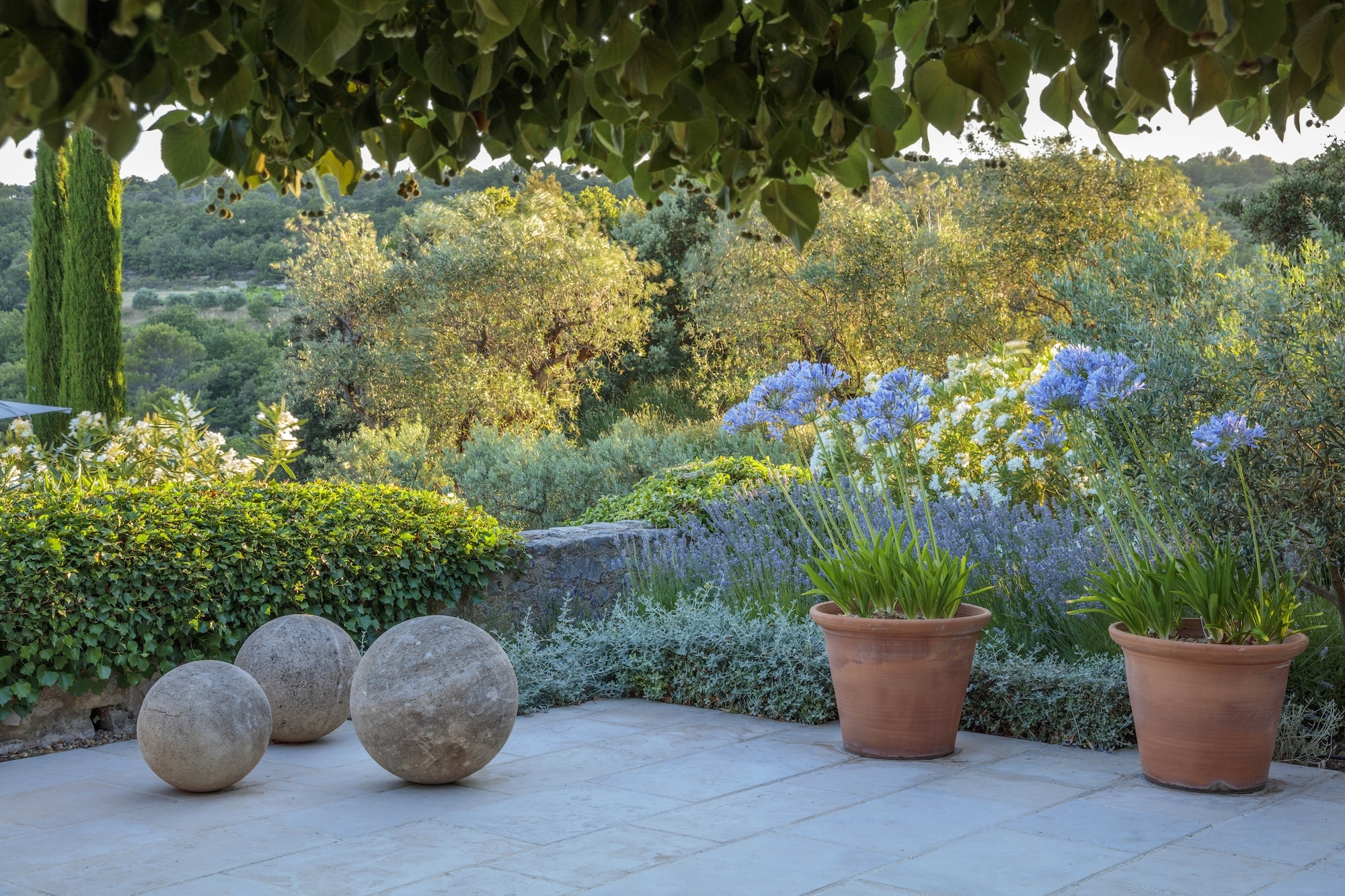
New orchards, or vergers, help soften the boundary between the garden and surrounding countryside. Existing mature olive trees, previously concealed in the lower fields, were carefully relocated around the house and into the orchard areas, bringing established character closer to the main garden spaces.
Planting for Provence
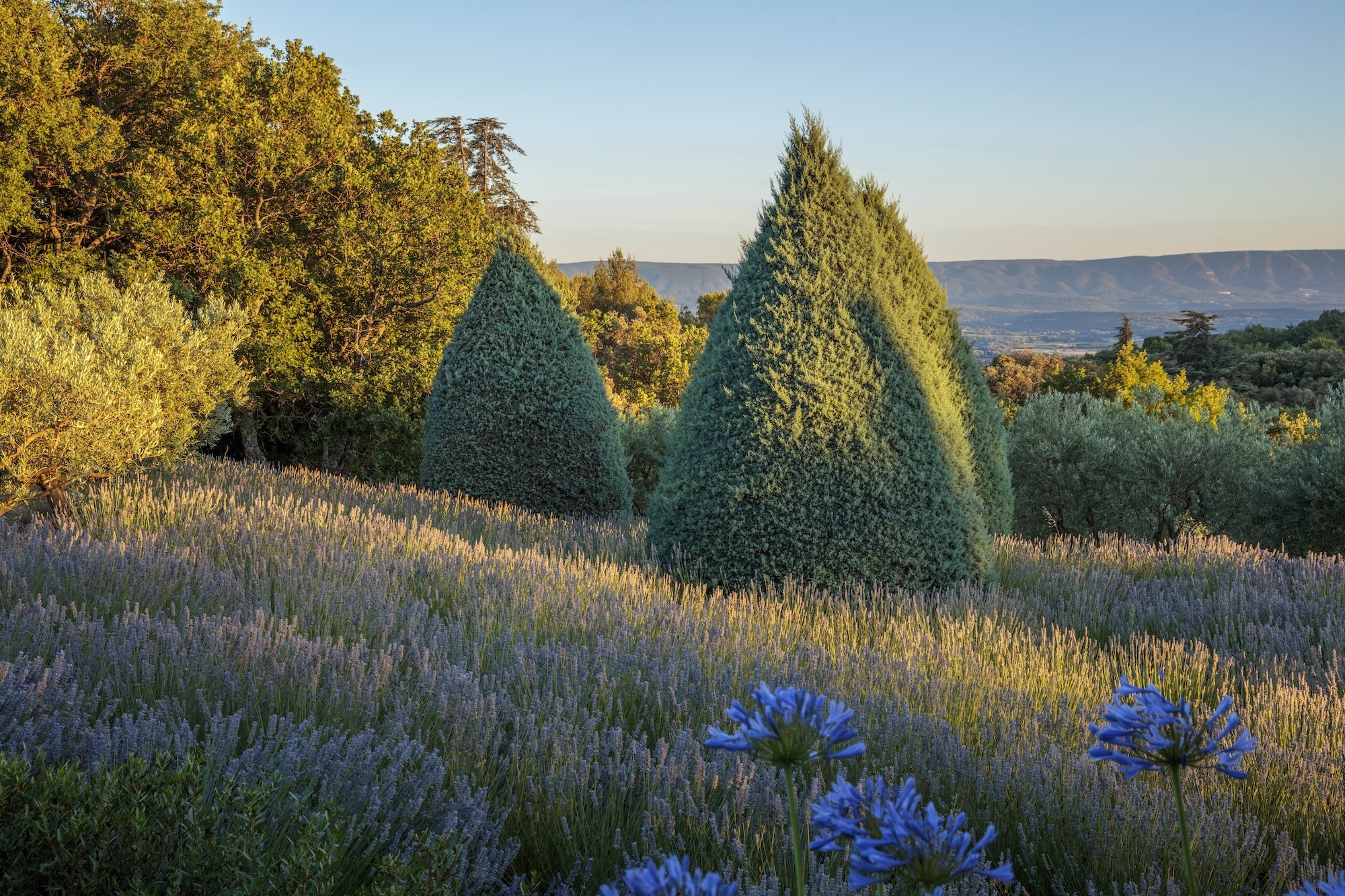
Anthony Paul Landscape Design’s experience of the Provençal climate informed a planting palette suited to the region’s heat, strong winds and dry conditions. Native and locally grown plants were selected to establish with little to no irrigation once mature.
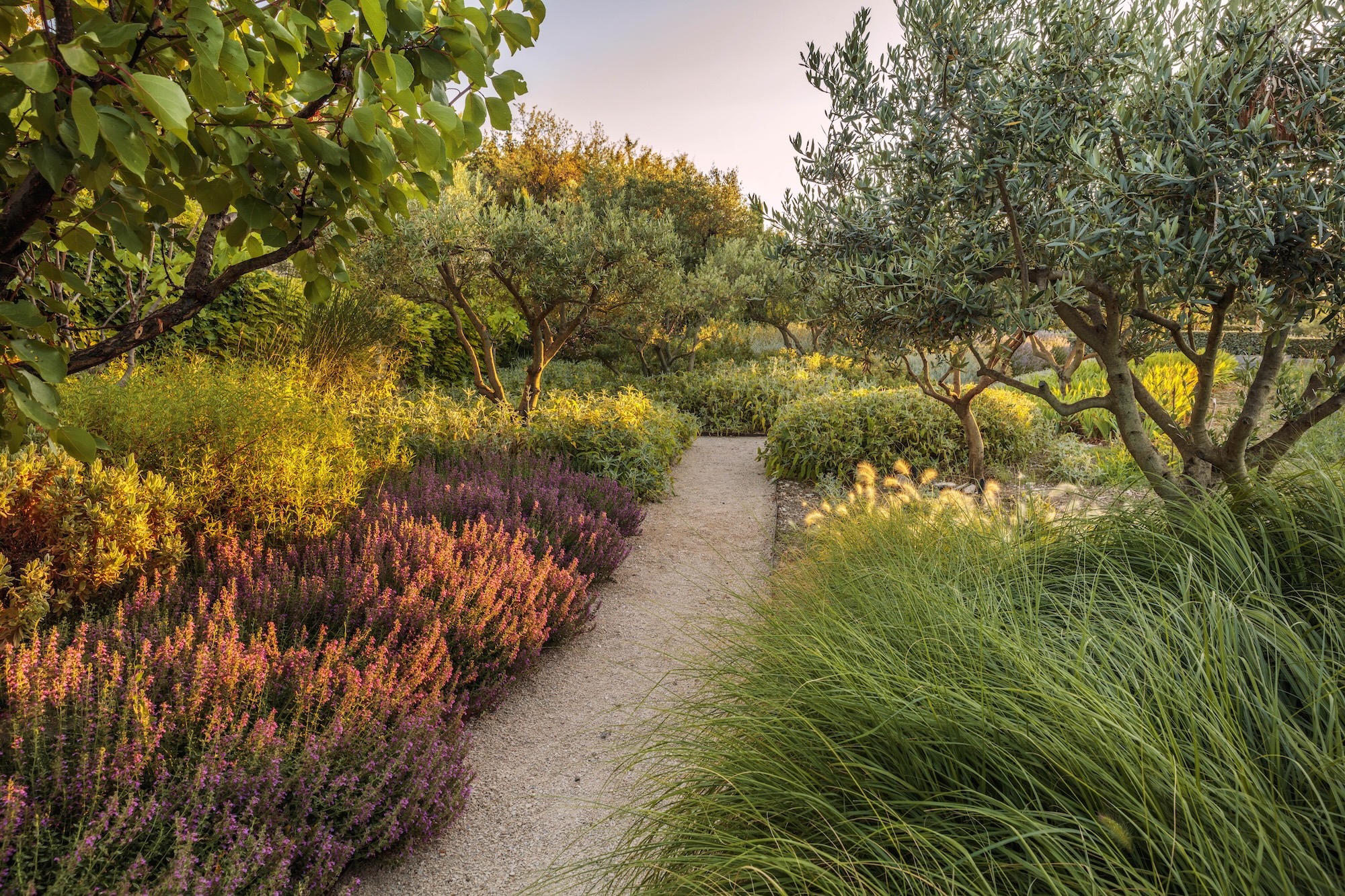
Broad, colourful drifts of cistus, phlomis, iris, teucrium, rosemary, coronilla and thyme now follow the newly created paths. Clipped forms of viburnum, abelia and pittosporum provide structure beneath mature cherry trees and holm oaks (Quercus ilex).
Hedges of Elaeagnus × ebbingei and Phillyrea angustifolia introduce privacy, while the wilder edges of the property are planted with Spartium junceum, or Spanish broom. These denser thickets provide a natural boundary and bring fragrant yellow flowers in spring.
The orchard planting includes apricot, pomegranate, persimmon and fig trees alongside the relocated olives. Wildflower meadows were also established, using seed collected from local roadside verges and fields to bring the surrounding landscape into the garden.
Settling into place
By spring 2024, most of the landscape had taken shape, with planting at the rear of the house forming the final phase of the project. The garden already had a strong structural framework, while the planting brought colour and interest across the seasons, from early iris, Spanish broom and coronilla to the autumn tones of abelia and viburnum.
The timber decking, stonework and paving will continue to weather in the Provençal sun, their surfaces gradually softening against the materials of the farmhouse. Together with the orchards, olive trees and locally suited planting, they help the garden sit comfortably within its surroundings, with the Luberon landscape remaining central to the experience.
Plant palette
- Cistus spp. (rock rose)
- Elaeagnus × ebbingei (oleaster)
- Iris germanica (bearded iris)
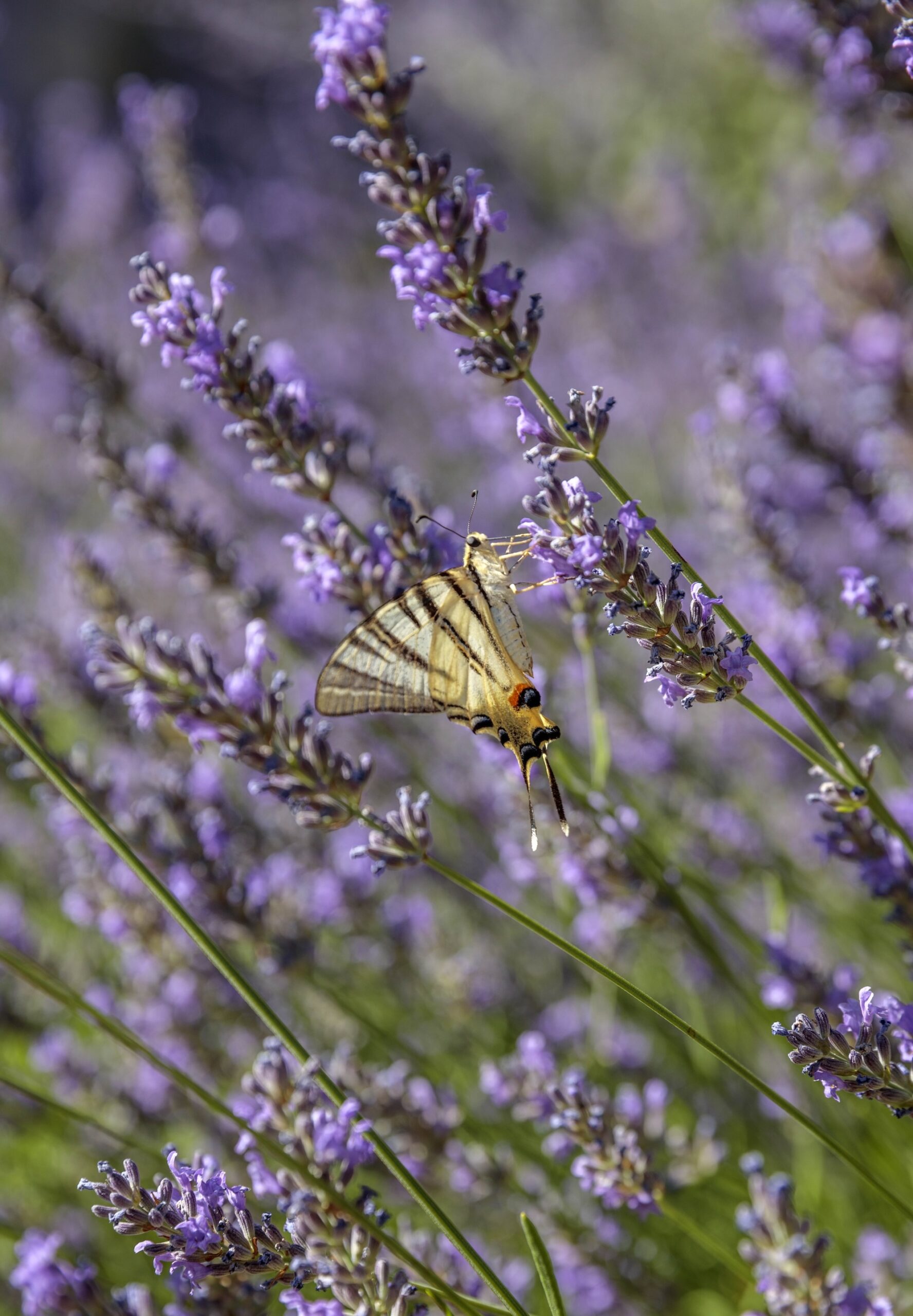
- Lavandula × intermedia ‘Grosso’ (Provence lavender)
- Phillyrea angustifolia (mock privet)
- Phlomis fruticosa (Jerusalem sage)
- Quercus ilex (holm oak)
- Salvia rosmarinus ‘Pointe du Raz’ (prostrate rosemary)
- Santolina lindavica
- Spartium junceum (Spanish broom)
- Teucrium fruticans
- Thymus serpyllum (wild thyme)
- Viburnum tinus (laurustinus)
Landscape design by Anthony Paul Landscape Design
Photography by Clive Nichols
—