
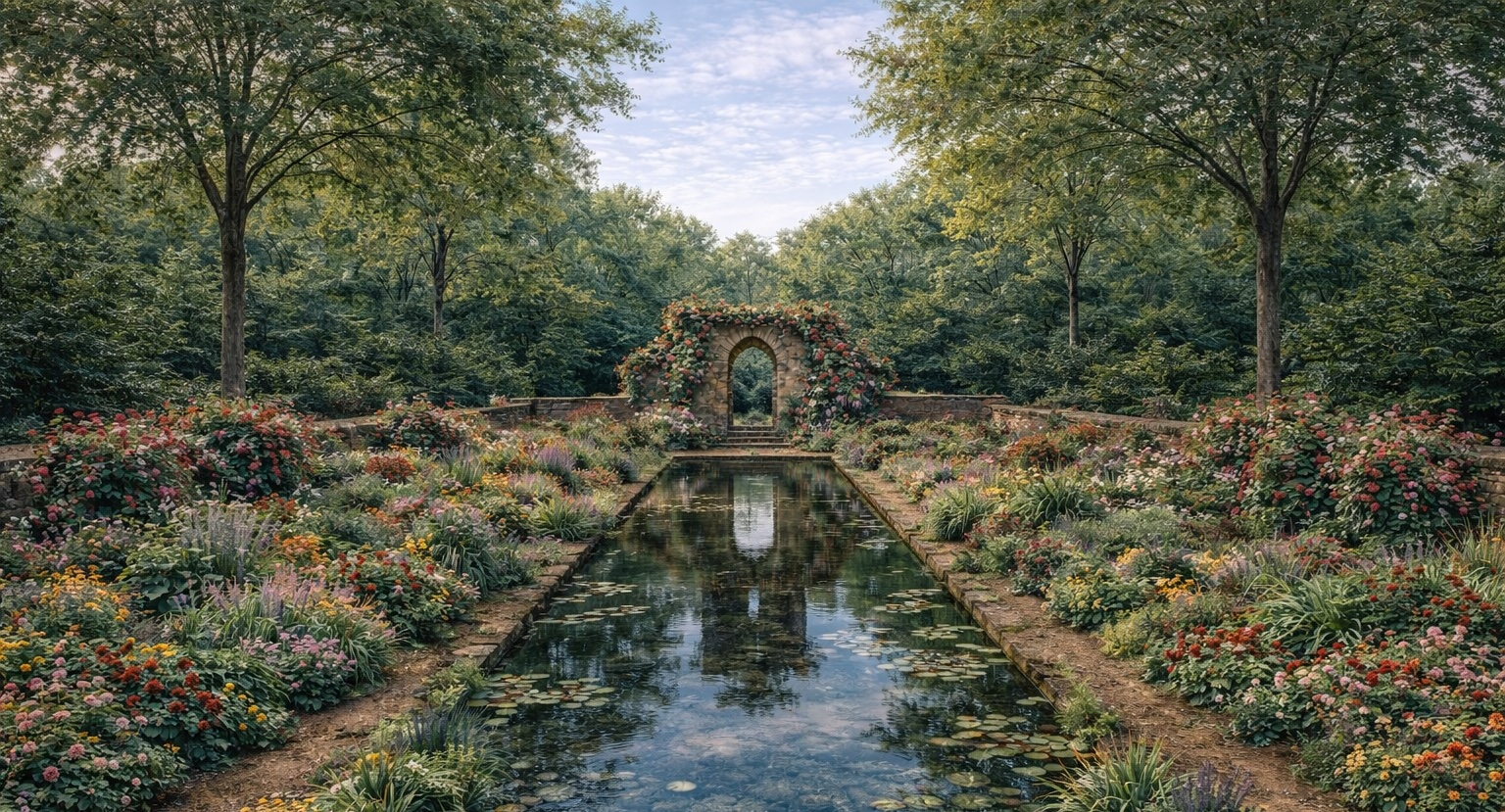
The Melbourne International Flower & Garden Show (MIFGS) garden, ‘Echoes of the Ancient Silk Road’ by US-based designer, Iftikhar Ahmed, uses layered planting, modular structures and reflective water to invite visitors to slow down and consider the enduring relationship between land, culture and time.
Garden name: ‘Echoes of the Ancient Silk Road – A Timeless Journey in Landscape Artistry‘
Garden designer: Iftikhar Ahmed
Garden construction: Semken Landscaping
—
The Melbourne International Flower & Garden Show runs from 25-29 March 2026 at the Royal Exhibition Building and Carlton Gardens.
One of the international talents coming for the Melbourne International Flower & Garden Show 2026 is Iftikhar Ahmed, Principal and Founder of Treeline Designz – an international landscape architecture, garden design and horticulture studio based in Portland, Oregon. Iftikhar’s background is in horticultural heritage – with a 350-year family legacy as caretakers of the UNESCO-listed Shalimar Gardens in Lahore.
His Show Garden, ‘Echoes of the Ancient Silk Road – A Timeless Journey in Landscape Artistry’, draws on recent travels through Uzbekistan’s ancient Silk Road corridor, exploring how landscapes are shaped by environmental pressures, migration and shared knowledge.
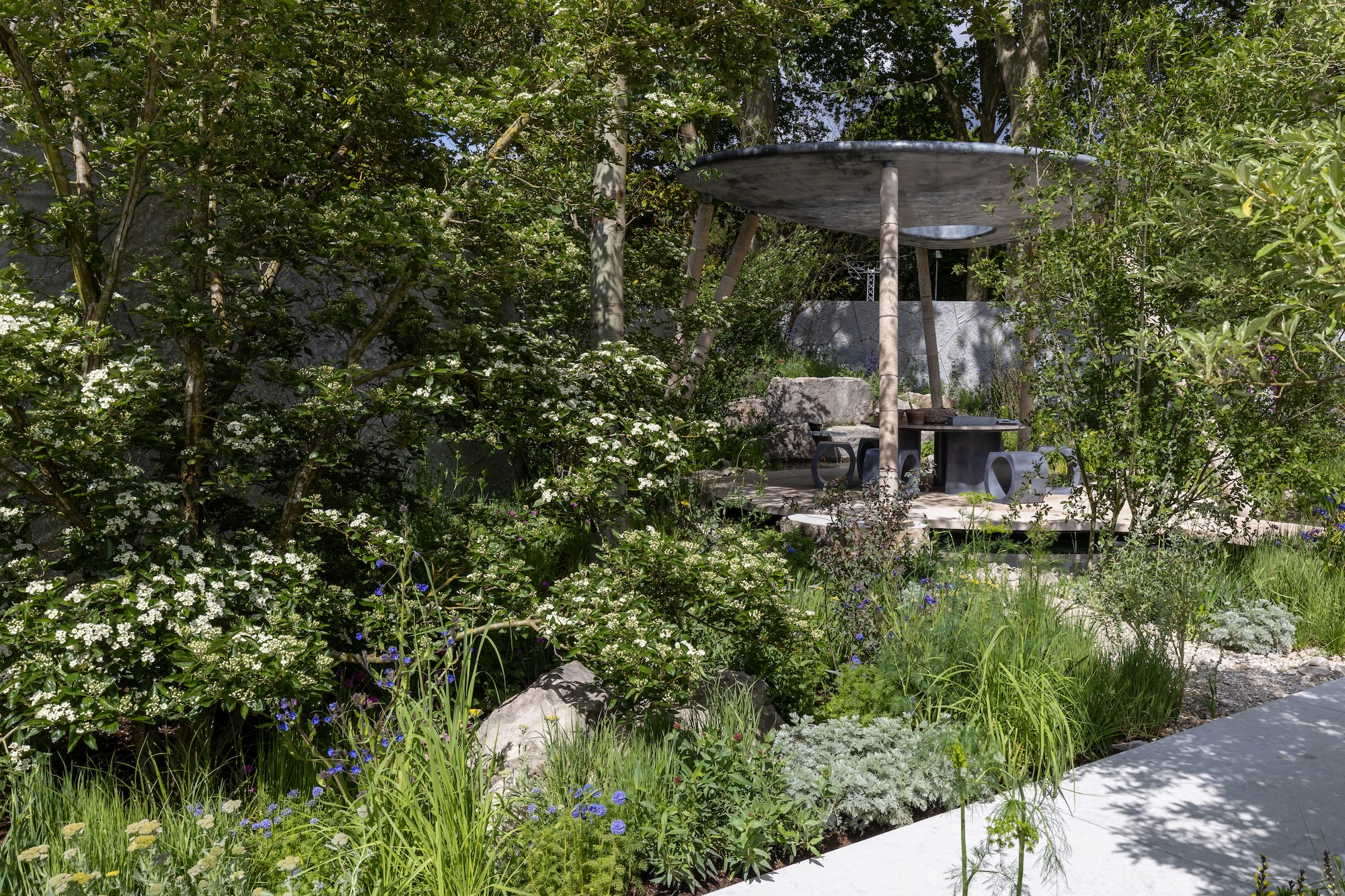
Visitors move through a series of spaces inspired by caravan routes, arid landscapes and oases. Weathered, ruin-like structures are built using modular construction methods, with earth-toned finishes and layered planting designed to soften and partially reclaim them. A central reflective pond creates a sense of added space and acts as microclimatic moderators.
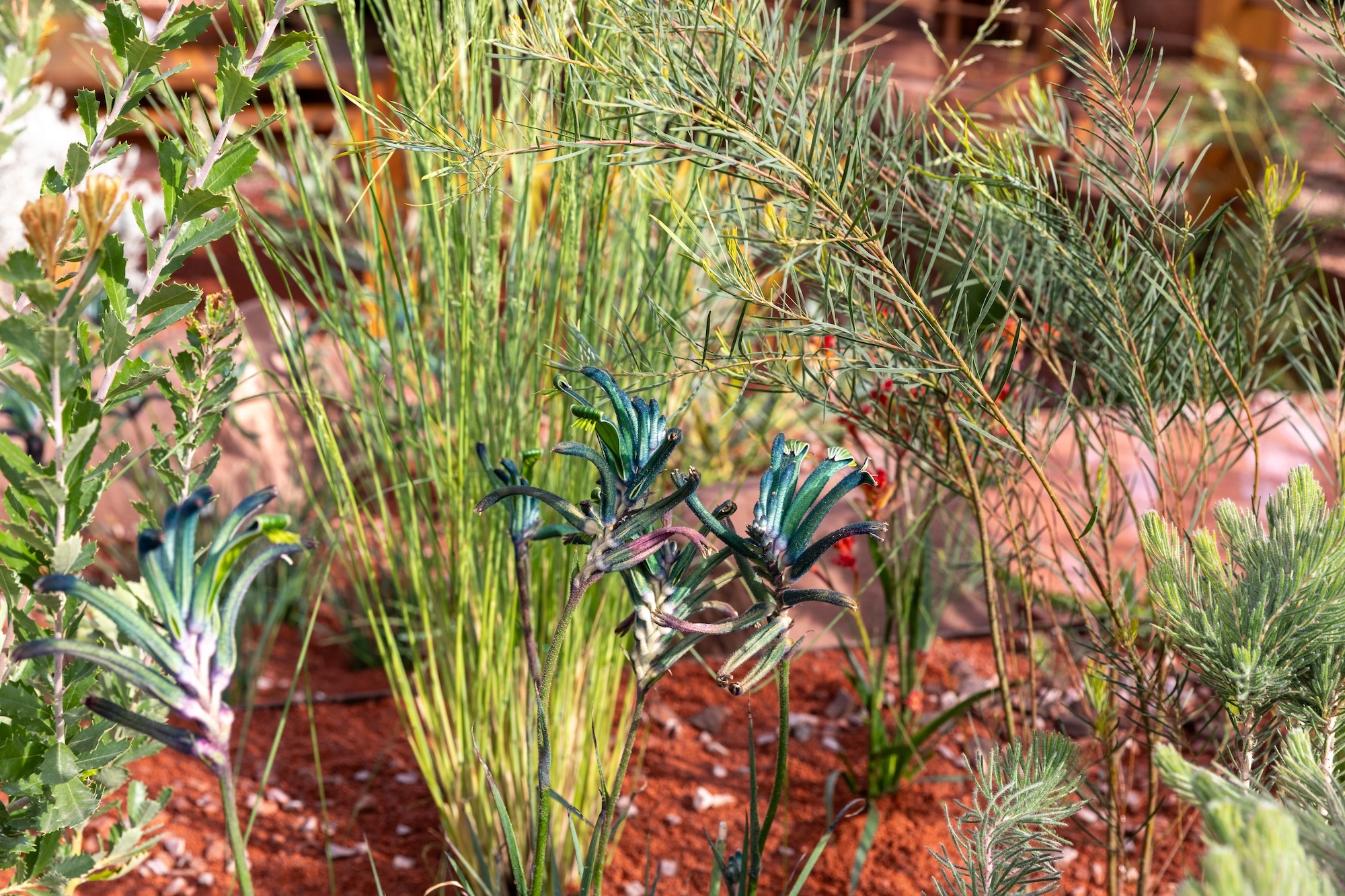
The planting design prioritises resilience and texture over bright colours, with drought-tolerant species, grasses and resilient perennials that create movement, depth and durability.
In this interview, Iftikhar outlines the intent behind ‘Echoes of the Ancient Silk Road’ and his approach to designing for MIFGS.
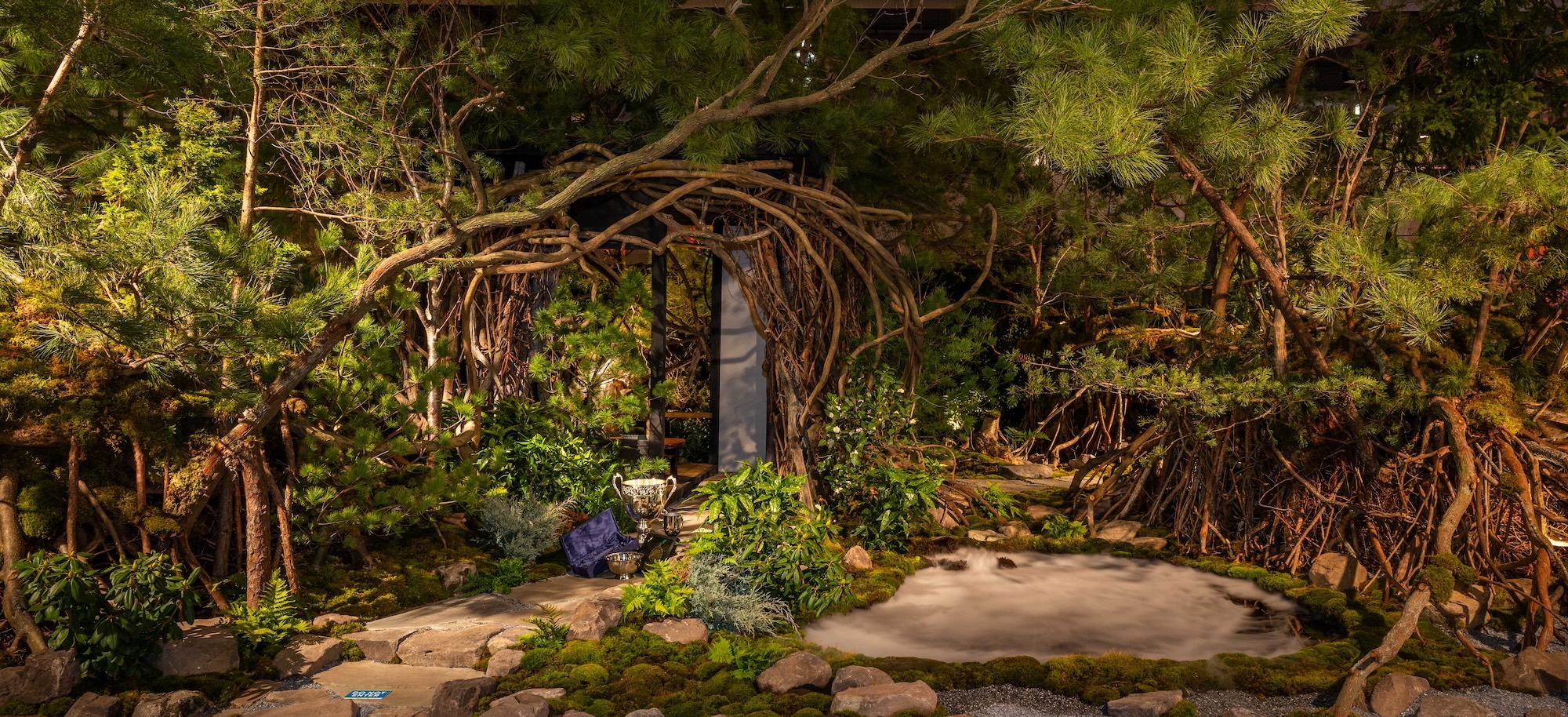
Designing for a temporary show is very different from a permanent garden — how did you approach that?
Designing a Show Garden requires intensity and precision. Unlike permanent landscapes, there is no gradual evolution – the garden must feel complete and emotionally resonant from the first day it opens.
We began planning nearly nine months in advance. Climate research for Melbourne conditions, plant trials, structural engineering and modular construction systems were carefully considered. Many components were fabricated off-site to ensure efficiency and reduce risk during installation week.
The greatest challenge is compressing years of ecological thinking into a small footprint. There are logistical risks, plant health considerations and the artistic challenge of creating something that feels timeless despite being newly built. The greatest reward comes when visitors pause – not just to photograph the garden, but to truly experience the space.
What do you hope visitors take away from experiencing the garden?
I hope visitors feel transported – even if only for a few moments. More importantly, I hope they see landscape design not simply as decoration, but as storytelling and environmental stewardship.
If someone leaves thinking about their own connection to land, heritage or sustainability, then the garden has achieved its purpose.
What will happen with the plants and materials after the Show?
Temporary does not mean disposable. Plants will be relocated into permanent landscapes or donated where appropriate. Structural elements have been designed for careful disassembly and reuse.
What does a successful garden mean to you?
A successful garden feels inevitable – as though it has always belonged to its place. It supports biodiversity, responds to climate, and enriches human well-being. If it grows more beautiful with time, then it has truly succeeded.
—
Design by Iftikhar Ahmed of Treeline Designz
Construction by Semken Landscaping
—