
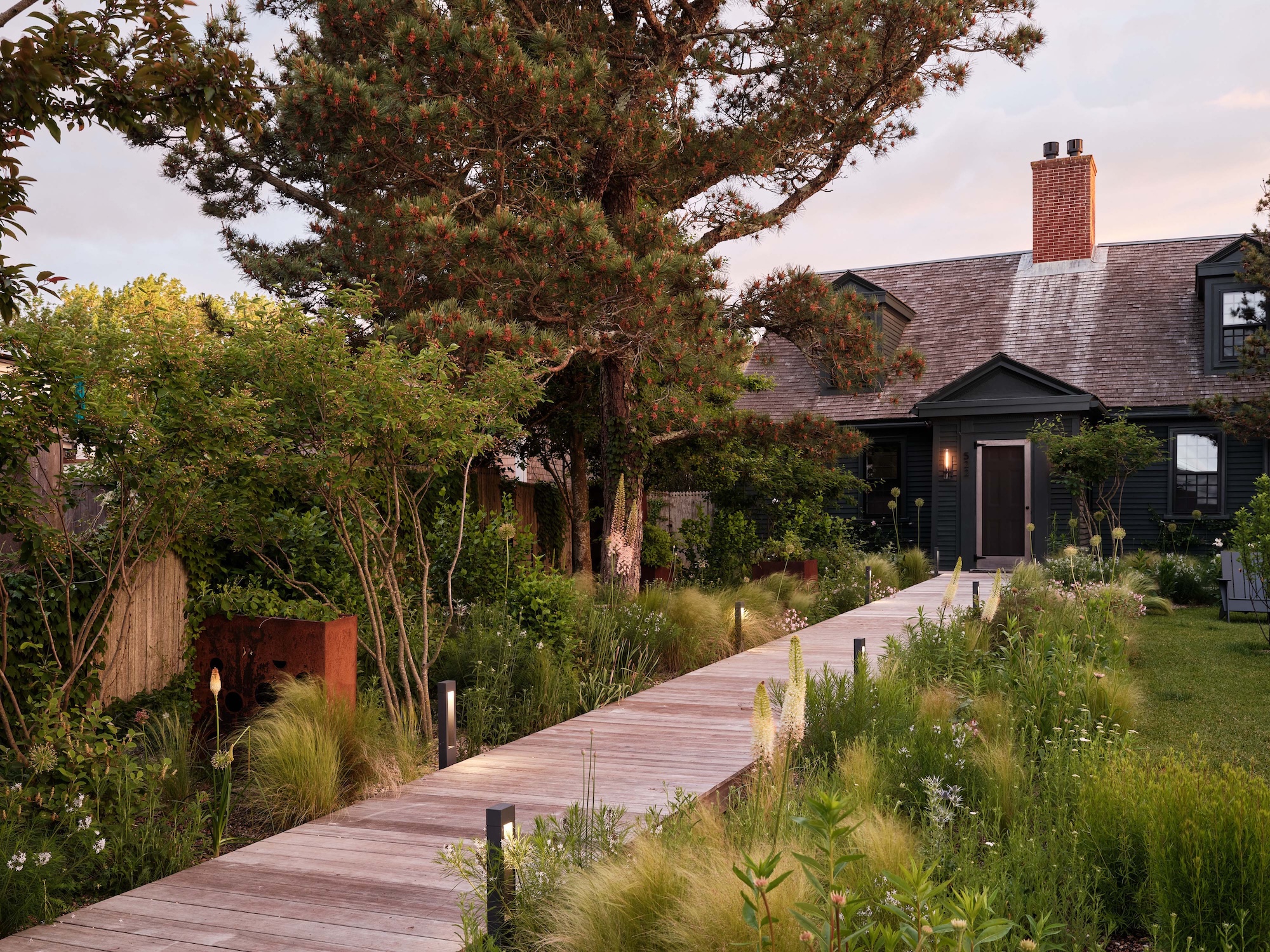
Angell Landscape Architecture designed a water-wise coastal garden for a historic cottage in Provincetown, Massachusetts, balancing lush planting and intimate gathering spaces with the demands of an exposed site.
In Provincetown, Massachusetts, an historic cottage had a garden that obscured its architecture and required more water than its owners wanted to use. When the couple bought the Cape Cod summer home during the pandemic, they commissioned Angell Landscape Architecture to reimagine the outdoor spaces alongside a renovation by Hein + Cozzi.
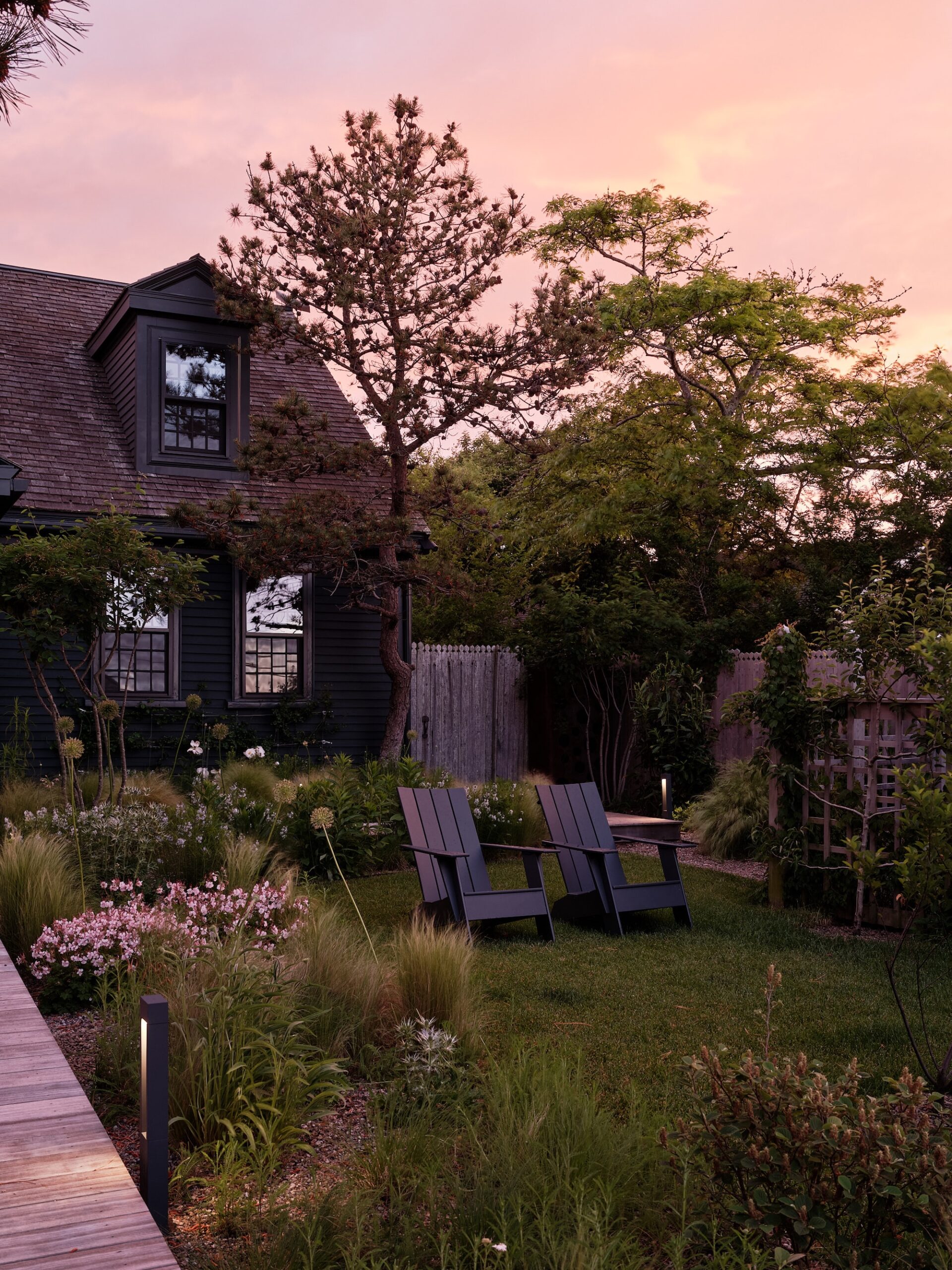
Marissa Angell from Angell Landscape Architecture was tasked with creating welcoming places to gather, with pollinator-friendly planting, pale colours, and a softer relationship between the house and its surroundings. The challenge was to bring these elements together across a site with sandy, acidic soil, a sunny and wind-exposed front garden, a shady backyard and limited space for construction.
Working with the conditions
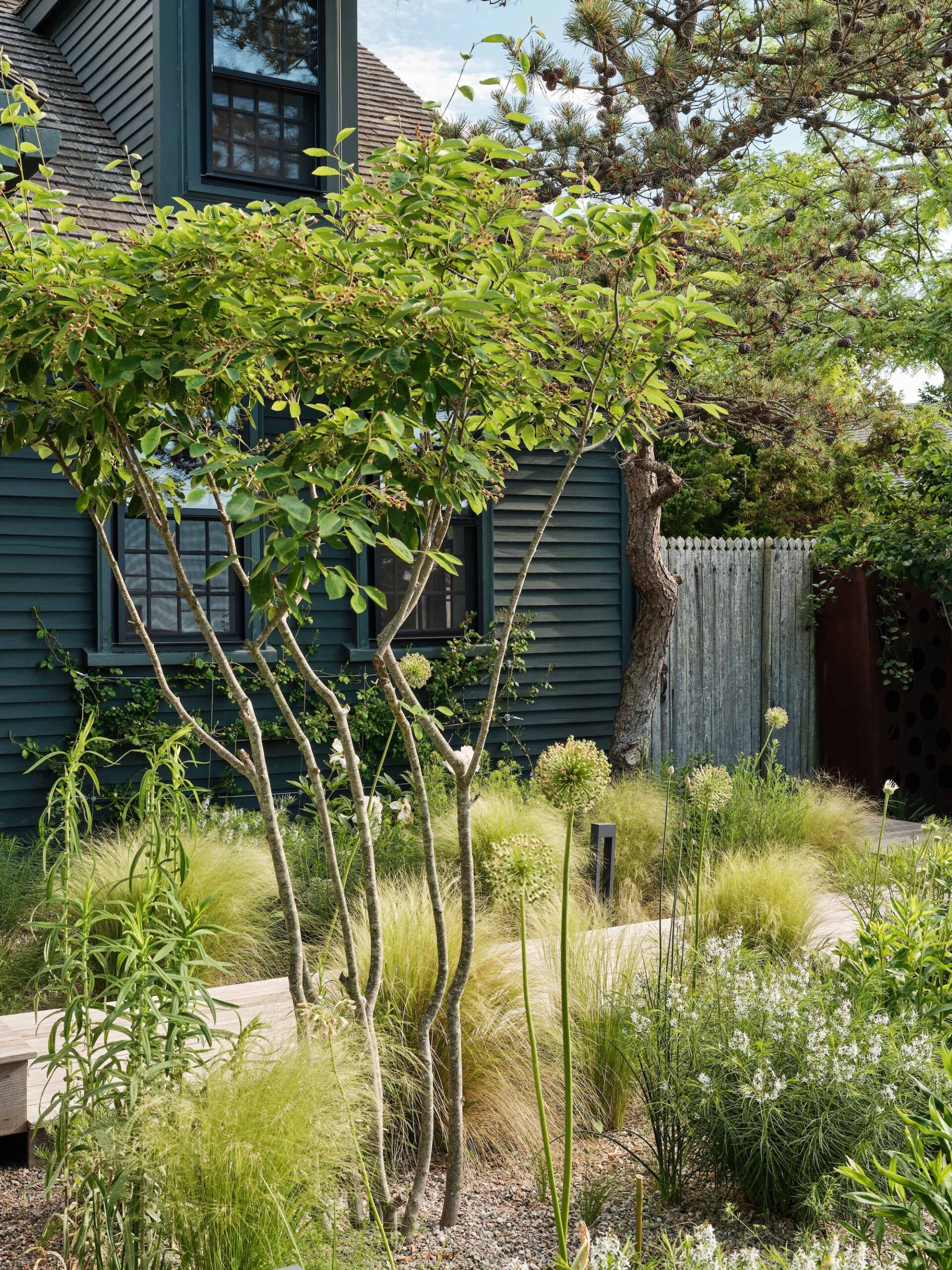
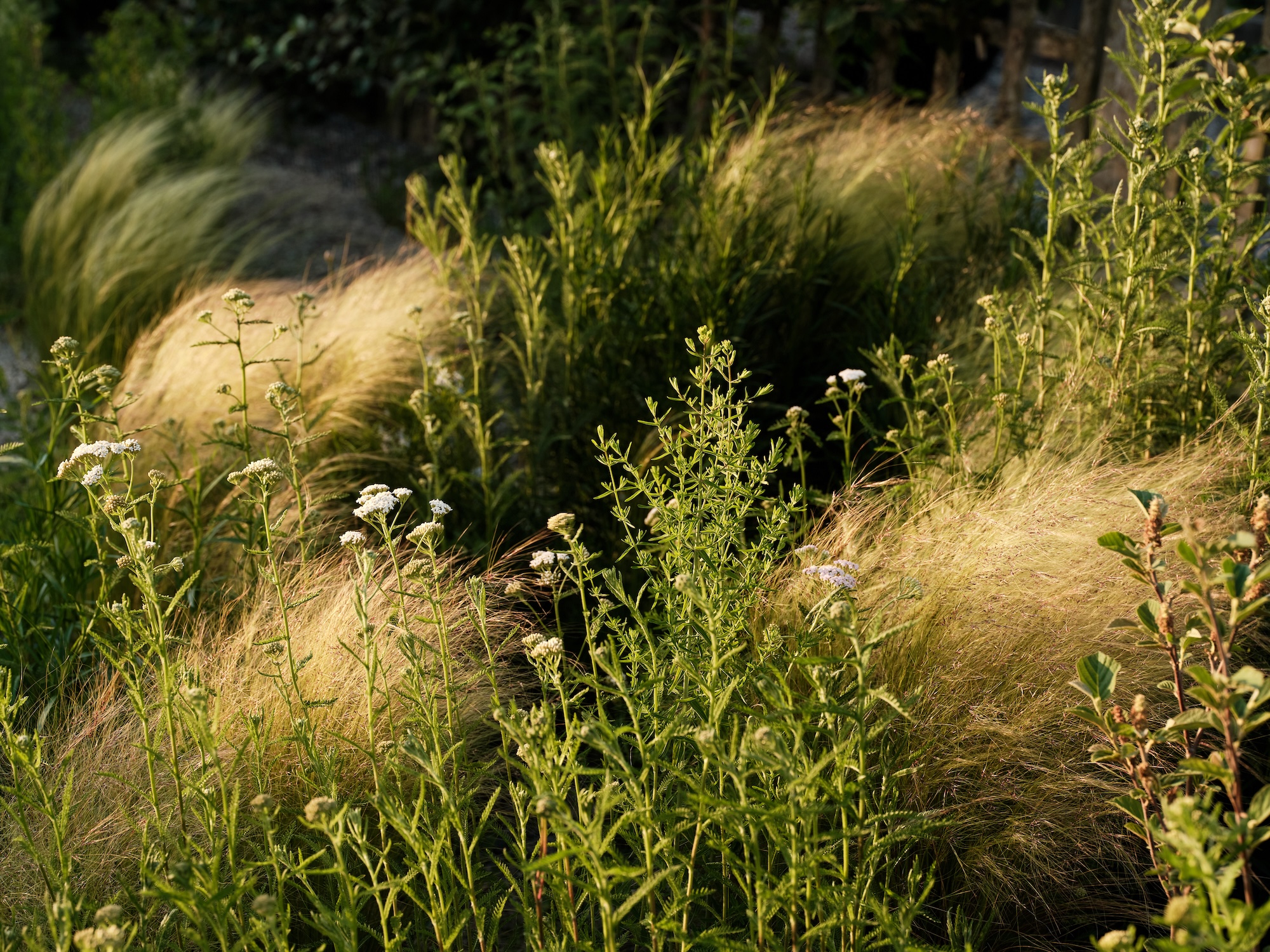
Rather than treating the front and back gardens as separate projects, Marissa developed a consistent material palette and planting approach to connect them. Around 70 per cent of the planting is native to the region, supplemented by non-aggressive bulbs and perennials from South Africa, where the climate offers some useful parallels.
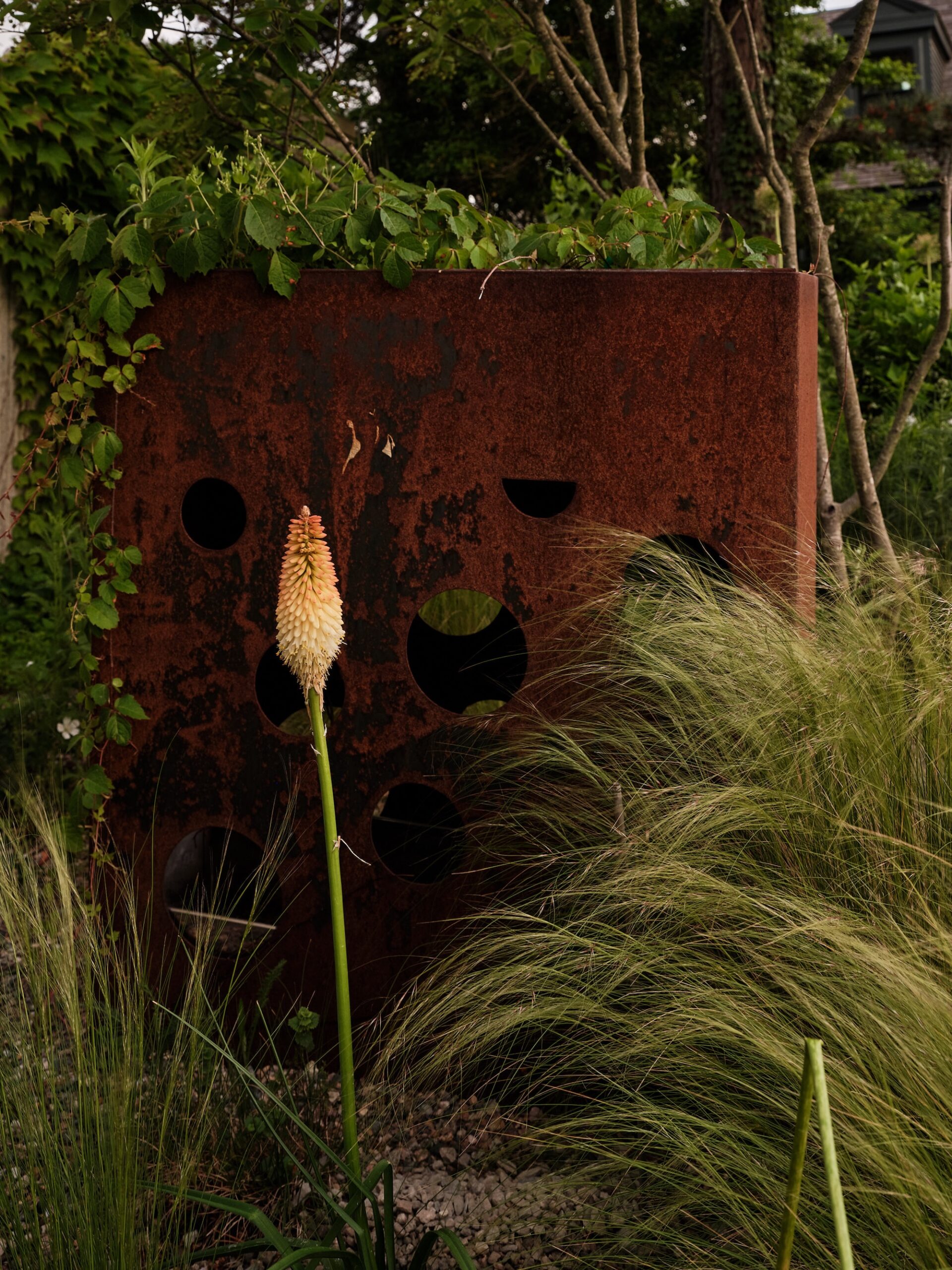
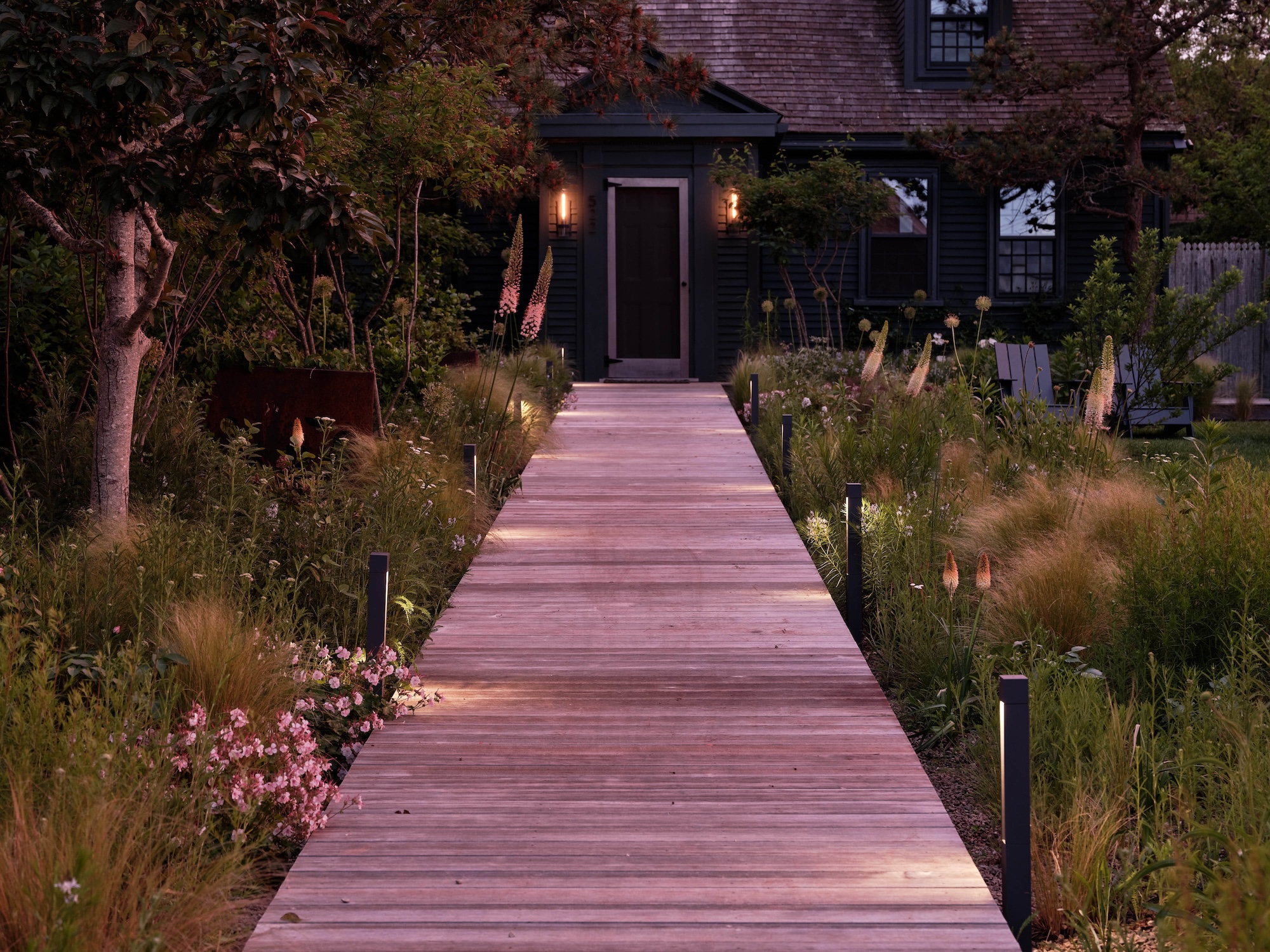
The sandy soil drains quickly, making water-wise planting essential. Gravel and locally appropriate shells were used instead of loose bark mulch, helping suppress weeds without further depleting nitrogen in the already poor soil. Pine boardwalks, reminiscent of the region, provide another recurring material, while sculptures chosen by the owners introduce weathering surfaces and individual points of interest.
Because this is a second home, the garden was also designed to have its strongest seasonal interest between June and November, when the owners are most likely to be there.
A softer street frontage
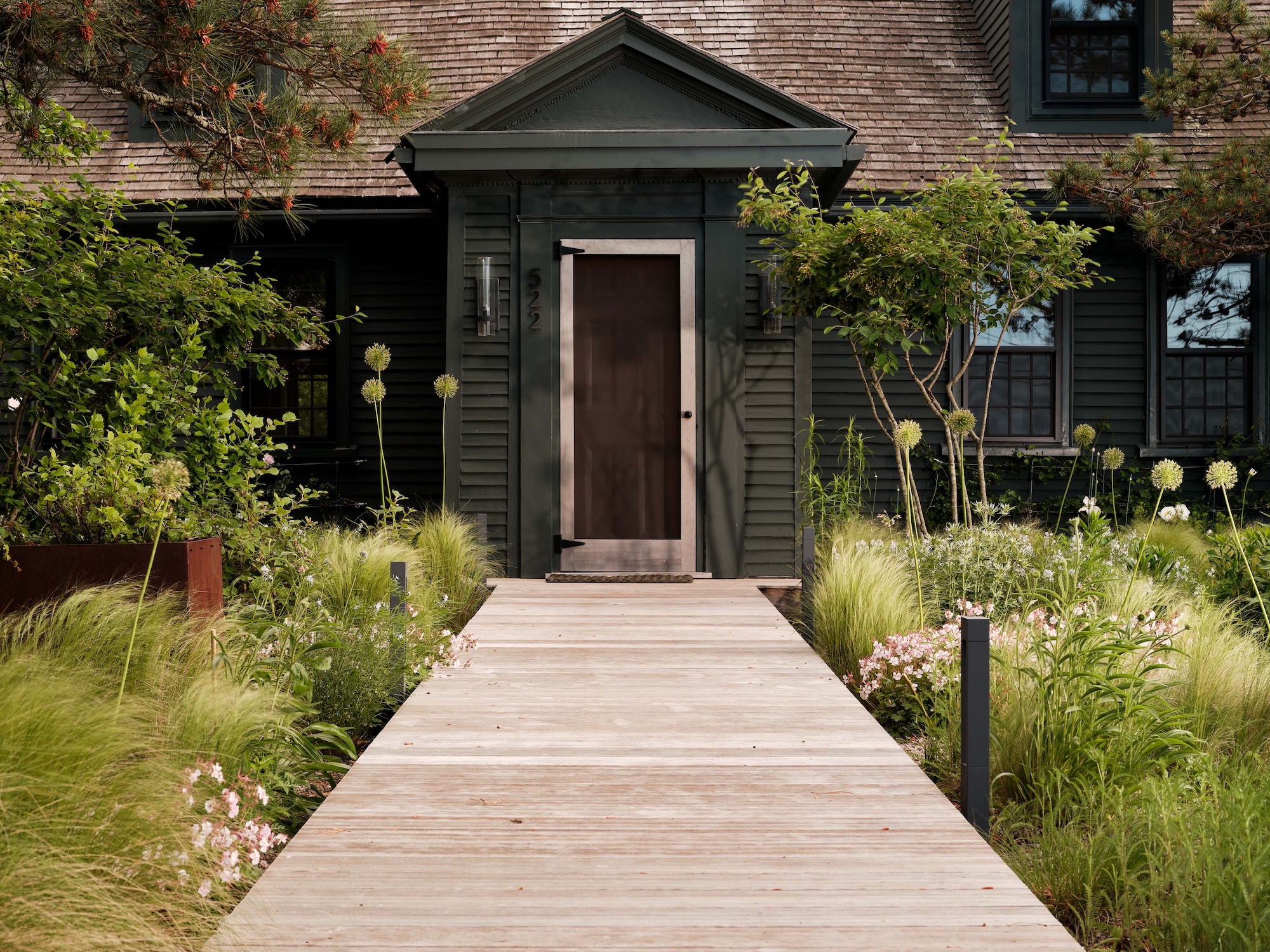
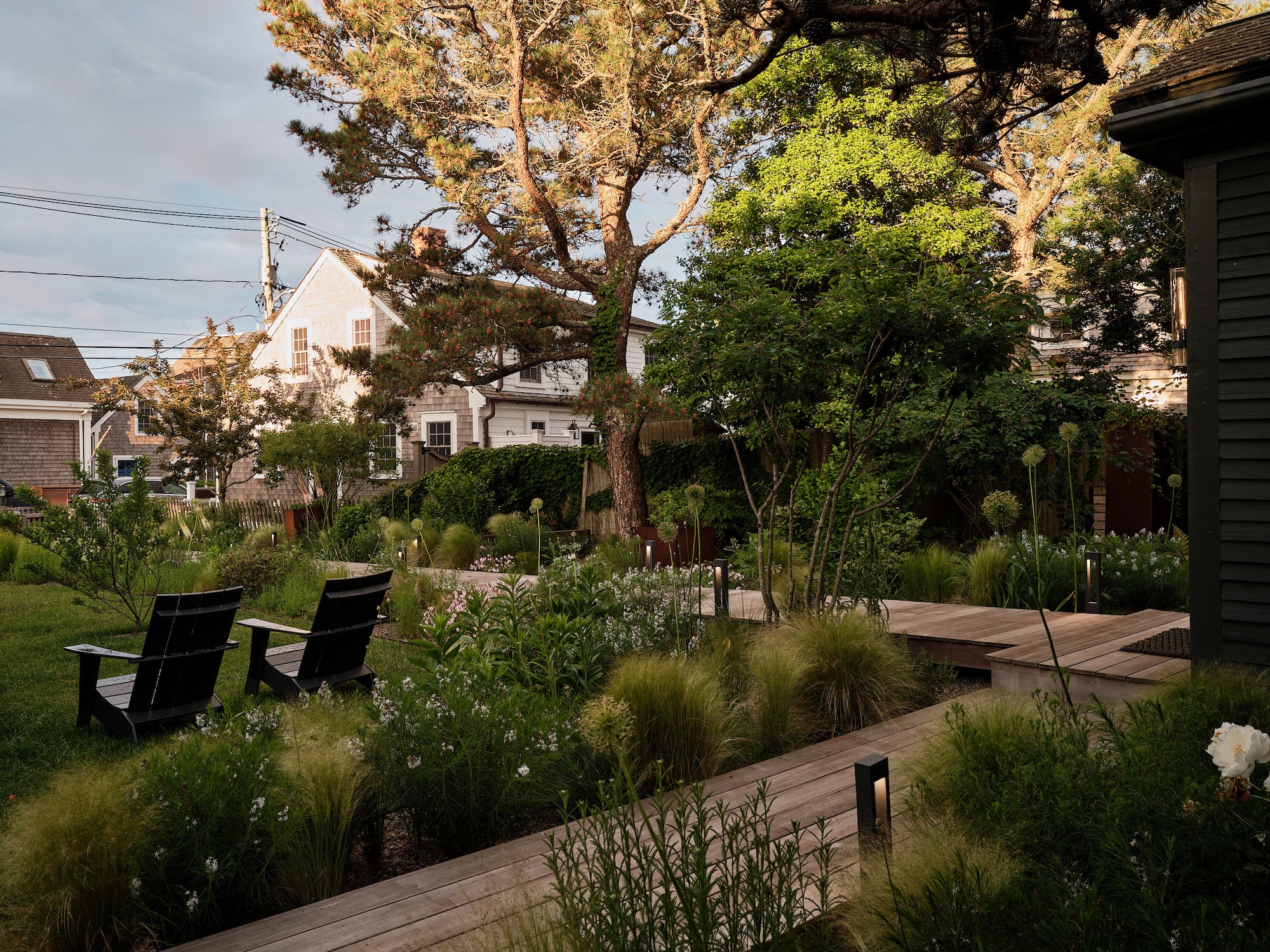
The front garden needed to feel open and welcoming, while providing a sense of calm beside the street. Planting was kept below three feet in height, with open, vase-shaped shadblow trees filtering views without screening the house completely.
A pale palette and a matrix of soft grasses create a relaxed base, punctuated by taller, more architectural perennials. Red hot pokers and foxtail lilies bring unexpected shapes and height, adding a little whimsy without overwhelming the composition. Against the house’s dark exterior, the lighter planting provides contrast while allowing the historic architecture to remain visible.
The approach reflects Provincetown’s open, sociable character (it’s well known for its vibrant queer community). The garden offers privacy and a place to pause without closing itself off from the street, and has become a point of conversation for passersby.
Making room for the planting
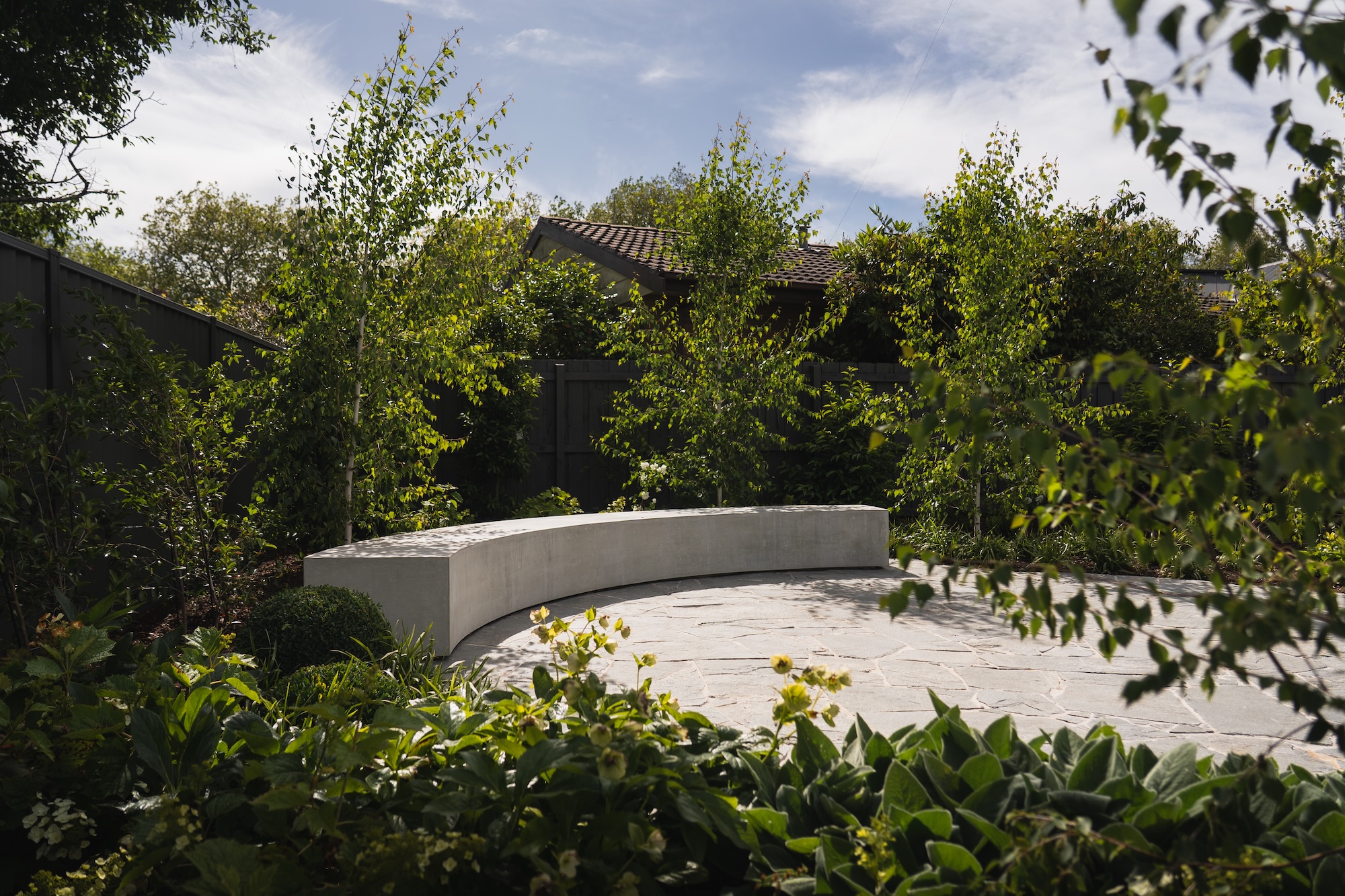
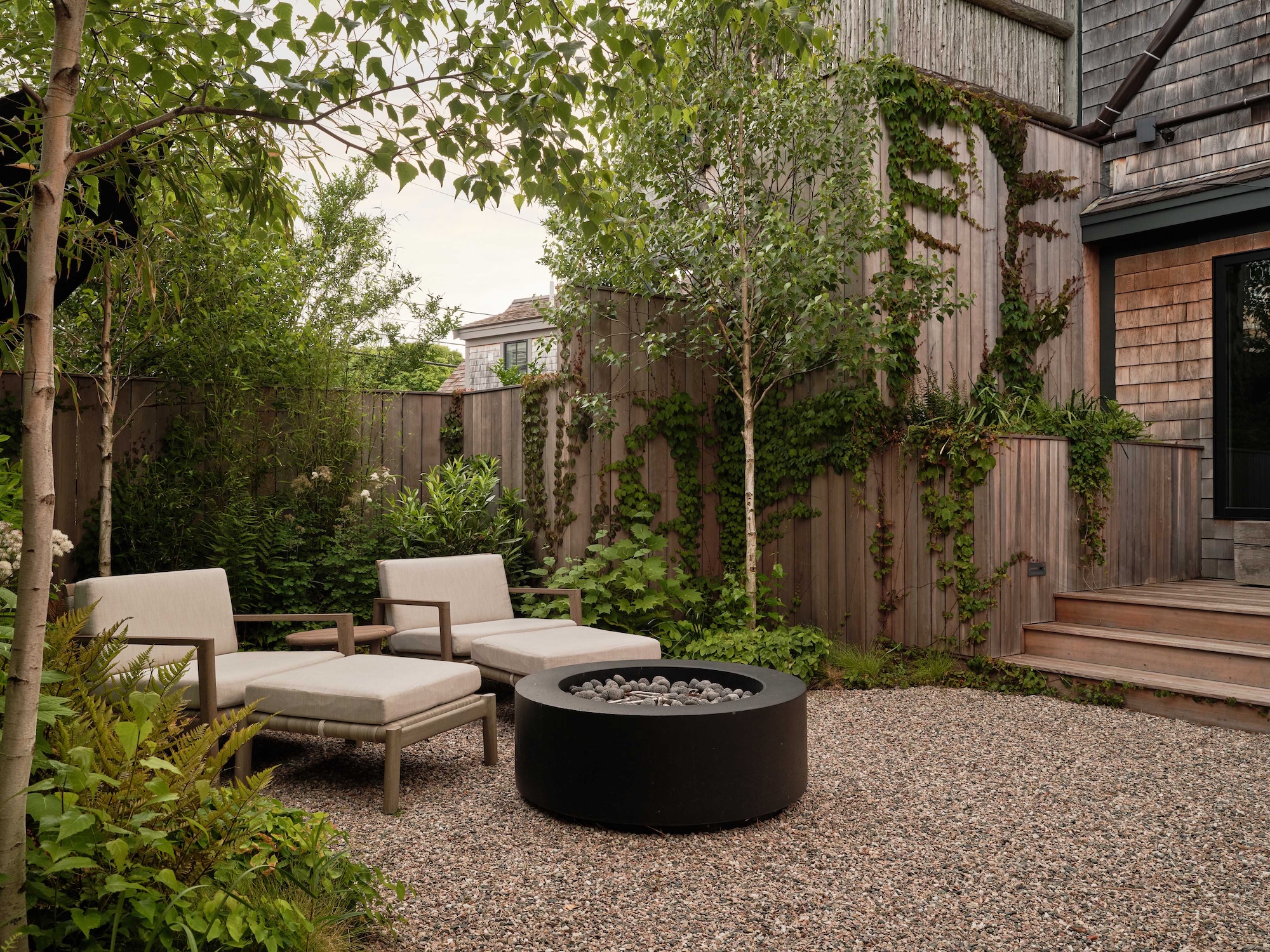
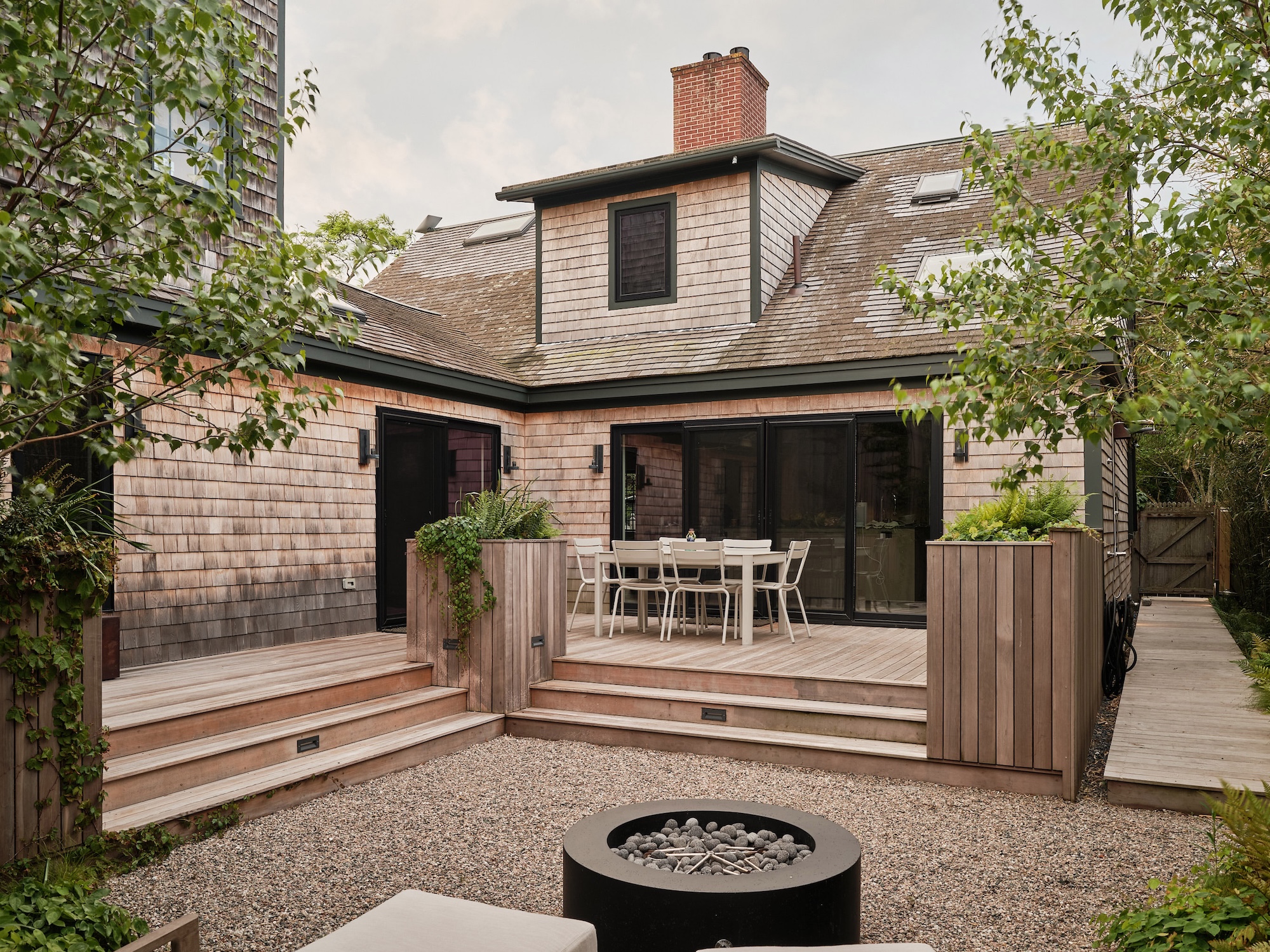
The backyard presented a different set of conditions. Shadier and more enclosed, it needed to accommodate intimate gathering spaces while feeling larger than its actual footprint. Marissa maximised the planting beds and allowed ferns and vines to grow over fences and around hardscape edges, softening boundaries and creating a more immersive setting.
One existing feature required a considered decision. A stand of established bamboo provided valuable privacy, but removing it would have been expensive and labour-intensive. Rather than start that process, the owners and landscape architect chose to retain it, retrofitting root barriers to prevent its spread into the new planting.
The surrounding palette was selected to complement the bamboo rather than compete with it. Grey birches, ferns, sedges and plants with white or yellow flowers provide contrast, allowing the existing stand to remain part of the garden while new layers of planting develop around it.
A garden with its own life
The garden has continued to evolve since its completion, with the planting bringing more than seasonal colour. Marissa has noticed a marked increase in wildlife, from leafcutter bees in early summer to foxes, rabbits and robins moving through the garden.
One early sign of its potential came before the shadblow trees had even been planted. A flock of cedar waxwings arrived to feed on their berries while the trees were still on site.
For Marissa, the garden’s success is measured not only in how its different spaces work together, but in the life they support and the pleasure they bring to others. Her maintenance visits regularly prompt conversations with passersby curious about the plants or keen to share how much they enjoy the garden.
Plant palette
Front garden
- Achillea millefolium
- Allium ‘Mt. Everest’
- Allium sphaerocephalon
- Amelanchier × grandiflora
- Amsonia hubrichtii
- Echinacea pallida ‘Hula Dancer’
- Eryngium planum
- Fothergilla gardenii
- Geranium × cantabrigiense ‘Biokovo’
- Hibiscus ‘Diana’
- Kniphofia ‘Tawny King’
- Narcissus poeticus var. recurvus
- Paeonia ‘Duchesse de Nemours’
- Parthenocissus quinquefolia
- Pycnanthemum tenuifolium
- Rosa ‘New Dawn’
- Sporobolus heterolepis
- Stipa tenuissima
Back garden
- Betula populifolia
- Carex albicans
- Dryopteris erythrosora
- Epimedium ‘Sulphureum’
- Fritillaria meleagris
- Fritillaria persica
- Itea virginica
- Kirengeshoma palmata
- Leucojum spp.
- Parthenocissus quinquefolia
- Polystichum acrostichoides
- Prunus laurocerasus ‘Otto Luyken’
- Thalictrum aquilegiifolium
Landscape architecture by Marissa Angell of Angell Landscape Architecture
Photography by Kyle Caldwell
—